Halyus Valgus treatment in Austria — get 3 personalized clinic matches

Medically reviewed by
Kayhan Turan
How it works
What's the Cost of Halyus Valgus Diagnosis and Treatment in Austria?
Halyus Valgus treatment cost in Austria typically includes a consultation with an orthopedist ranging from $140 to $280. The primary surgical intervention, hallux valgus surgery, runs from $4,800 to $7,600. Final prices depend on the surgical technique, surgeon expertise, and clinic tier. Patients often find specialized care in Vienna, Graz, and Salzburg.
Typical Halyus Valgus Treatment Costs in Austria
- Consultation with an orthopedist: $140 – $280
- Hallux valgus surgery: $4,800 – $7,600
- Lapidus procedure 3d bunion correction: $5,600 – $8,600
- Hallux valgus - 3d lapidus procedure: $6,200 – $9,200
- Physiotherapy: $800 – $1,500
Bookimed Expert Insight: For complex deformities, choosing experienced surgeons like Dr. Peter Bock at Wiener Privatklinik is essential. He has performed over 5,000 orthopedic procedures. Patients seeking comprehensive care can find packages starting around $800. These often include hotel stays and transfers. Centers like Döbling Private Hospital are best for safety-conscious patients. They maintain complication rates much below nominal values while serving international travelers.
| Turkey | Austria | Spain | |
|---|---|---|---|
| Physiotherapy | from $150 | ≈ $800 | from $110 |
| Lapidus Procedure 3D Bunion Correction (Hallux Valgus) | from $5,300 | ≈ $5,600 | from $6,600 |
| Hallux valgus surgery | from $1,600 | ≈ $4,800 | from $9,900 |
| Hallux Valgus - 3D Lapidus Procedure | from $10,000 | ≈ $6,200 | from $6,600 |
Best Halyus Valgus Treatment Centers in Austria: 5 Verified Options and Prices
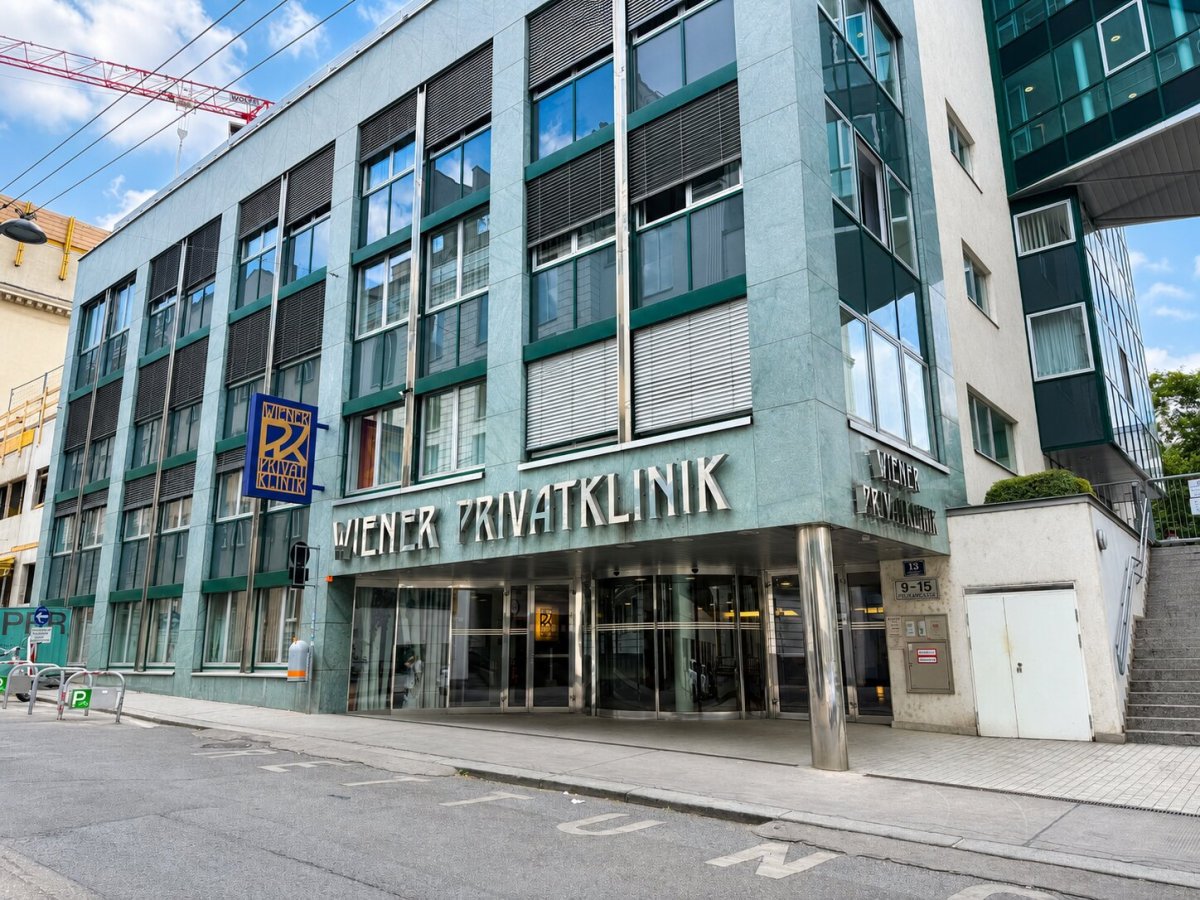






Döbling Private Clinic
Dr Josef Grohs




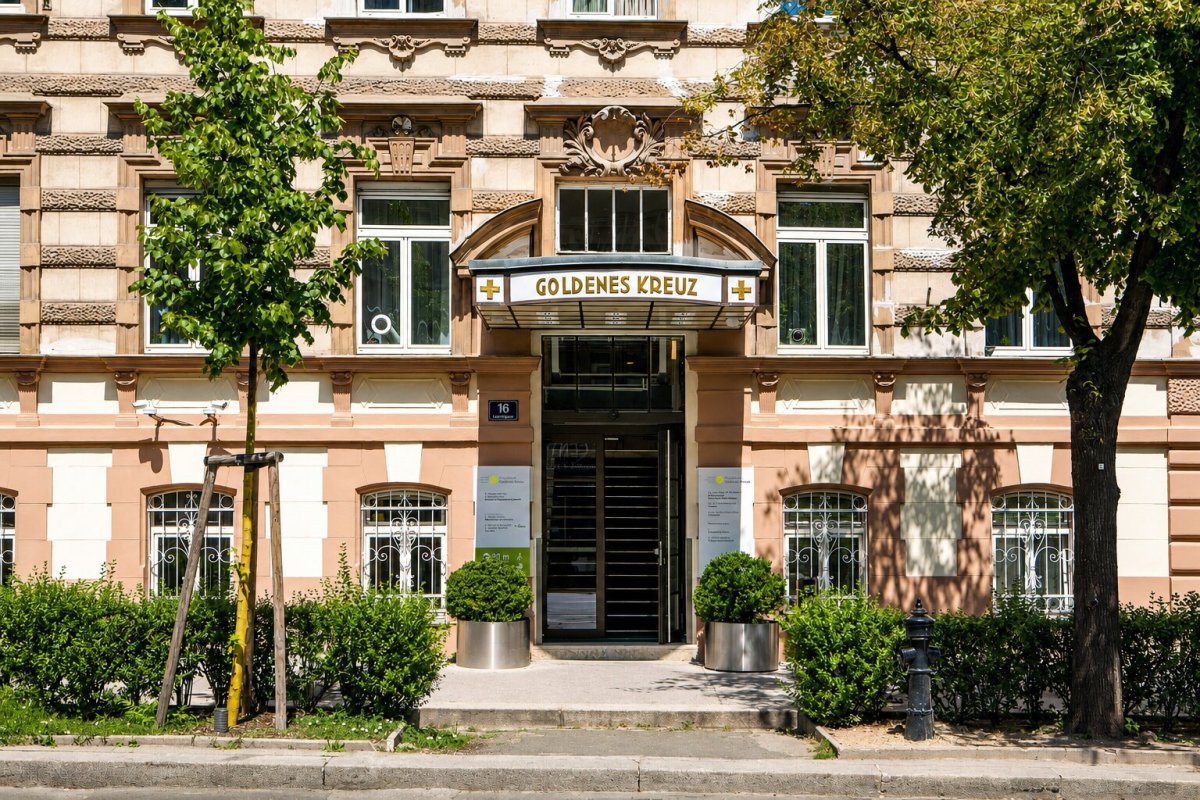
Confraternitaet & Goldenes Kreuz Private Clinic

Leech Private Clinic

JUVENIS
Get a Medical Assessment for Halyus Valgus in Austria: Consult with Experienced Doctors Now
View all Doctors
Peter Bock
Univ. Prof. Dr. Peter Bock is a leading Austrian trauma and orthopedic surgeon, specializing in reconstructive joint surgery at Wiener Privatklinik.
- Decades of experience in trauma surgery and orthopedics
- Expert in arthroscopic surgery for complex joint injuries
- Associate Professor of Trauma Surgery at Medical University of Vienna
- Focuses on advanced reconstructive techniques for mobility restoration

Dr Stefan Marlovits
Professor Marlovits specializes in regenerative medicine for joint and cartilage injuries, helping patients regain mobility at Döbling Private Hospital.
- Head of the Center for Cartilage and Orthobiology Regeneration
- Board Member of the International Society for Cartilage Regeneration
- Expert in sports traumatology and pediatric injuries
- Professor at Vienna Medical University
Dr Josef Grohs
Dr. Josef Grohs is a specialist orthopedic surgeon at Döbling Private Hospital in Vienna. He is the current Chair of AO-Spine Austria and focuses on spine surgery. Dr. Grohs once served as President of the Austrian Spine Society. He earned his medical degree and habilitation from the Medical University of Vienna.
- Served as Deputy Chief of the Spine Unit at the Medical University of Vienna.
- Holds specialized diplomas in clinical investigation and manual medicine.
- Performed orthopedic surgeries during international missions in Ghana and Kenya.
- Maintains membership in the Spine Society of Europe.
Share this content
Video Stories from Bookimed Patients
 Anna Leonova
Expert Overview about Halyus Valgus Treatment in Austria
Is Hallux Valgus treatment covered by Austrian social health insurance (ÖGK)?
Austrian social health insurance (ÖGK) fully covers Hallux Valgus treatment when medically necessary. Coverage includes diagnostics, conservative therapies, and surgical corrections for patients experiencing pain or limited mobility. Patients using contracted doctors or public hospitals typically face zero out-of-pocket costs for essential procedures.
- Medical necessity: ÖGK requires documentation of pain, chronic inflammation, or functional impairment.
- Conservative options: Coverage includes physiotherapy, pain medications, and prescription orthopedic insoles.
- Surgical coverage: Procedures like osteotomy and cheilectomy are covered in public hospitals.
- Doctor choice: Contracted doctors (Kassenarzt) provide 100% coverage via the Austrian e-card.
Bookimed Expert Insight: While public coverage is comprehensive, patients often choose private facilities like Döbling Private Hospital or Wiener Privatklinik to avoid long waiting lists. Leading specialists like Dr. Stefan Marlovits at Döbling Private Hospital utilize advanced regenerative techniques that may not be standard in all public settings. If you select a private specialist (Wahlarzt), expect to pay upfront and apply for an 80% reimbursement based on public tariffs.
Patient Consensus: Patients emphasize that insurance approval depends heavily on proving that conservative treatments like wider shoes or orthotics failed. Many note that while the surgery is covered, opting for a private clinic is the preferred route for those seeking faster access and specific modern fixations.
Which surgical techniques do Austrian foot specialists prefer?
Austrian foot specialists prefer minimally invasive surgery (MIS) and joint-preserving osteotomies like the Bosch and Chevron methods. These techniques prioritize mechanical stability and rapid weight-bearing. Advanced centers also utilize bio-integrative materials and 3D Lapidus procedures to correct severe deformities while preserving natural mobility.
- Percutaneous surgery: The Bosch method corrects bunions through minimal incisions without opening joints.
- Chevron osteotomy: This stable V-shaped cut is preferred for mild to moderate cases.
- Scarf osteotomy: Surgeons use this Z-shaped cut for complex shifting and rotating bones.
- 3D Lapidus: Procedures at clinics like Wiener Privatklinik address root biomechanical instability directly.
- Bio-integrative fixation: Allogeneic bone screws from human donor tissue eliminate metal hardware removal.
Bookimed Expert Insight: Patient data suggests a preference for Vienna as a hub. Over 400 physicians at Wiener Privatklinik, including University of Vienna professors, offer high specialization. While many clinics provide standard osteotomies, our data shows Austrian specialists often combine traditional methods with 3D Lapidus procedures to reduce recurrence in high-risk patients.
Patient Consensus: Patients emphasize asking for specific procedure names like Scarf or Akin instead of general terms. They note that even less invasive options require managing expectations regarding long-term swelling during recovery.
What does the post-operative recovery timeline look like?
Post-operative recovery for Hallux Valgus in Austria follows a structured timeline focused on bone healing and swelling management. Patients typically transition from specialized post-operative shoes to loose sneakers between weeks 6 and 12. Complete tissue remodeling and full mobility usually occur within 6 to 12 months after the procedure.
- Initial recovery: First 2 weeks require elevation and strict rest for pain control.
- Weight bearing: Protected walking in orthopedic shoes usually starts by the second week.
- Footwear transition: Patients generally switch to wide toe-box sneakers within 6 to 8 weeks.
- Full activity: High-impact sports or heavy labor generally resume after 3 to 6 months.
Bookimed Expert Insight: Analysis of clinical data from Vienna institutions like Döbling Private Hospital shows complication rates significantly below average. This likely stems from the high density of university professors, such as Dr. Stefan Marlovits, performing these surgeries. Patients should note that many Austrian packages include 4 nights in a hotel. This extended stay ensures surgeons can monitor early swelling before the patient travels home.
Patient Consensus: Many note that while pain fades quickly, swelling persists much longer than expected. Preparing the home in advance is vital since even basic tasks are difficult during the first fortnight.
What are the top clinics and specialists for foot surgery in Austria?
Austria's premier foot surgery centers like Wiener Privatklinik and Döbling Private Hospital specialize in advanced hallux valgus correction and 3D bunion reconstruction. These JCI and ISO-certified facilities utilize experienced professors from the Medical University of Vienna to perform precise orthopedic procedures with high success rates.
- Specialized techniques: Leaders perform 3D Lapidus procedures and minimally invasive corrective osteotomy for rapid recovery.
- Expert surgeons: Dr. Peter Bock at Wiener Privatklinik has performed over 5,000 orthopedic surgeries.
- Facility volume: Döbling Private Hospital treats 16,000 international patients annually with exceptionally low complication rates.
- Modern diagnostics: Graz-based clinics like Leech Private Clinic offer onsite MRI, CT, and endoscopy.
Bookimed Expert Insight: While many choose hospitals by brand name, the strongest quality signal in Austria is the surgeon's academic affiliation. For example, many physicians at Wiener Privatklinik are professors at the Medical University of Vienna. This ensures patients receive care that follows the most recent, evidence-based orthopedic protocols rather than outdated surgical methods.
Patient Consensus: Patients emphasize finding specialists who perform bunion corrections regularly, as technique choice significantly impacts the ability to walk immediately after surgery. Practical insights suggest confirming the specific weight-bearing timeline early, as modern Austrian methods often prioritize aggressive early mobility plans.
Is Hallux Valgus surgery performed under general anesthesia?
Hallux valgus surgery in Austria can be performed under general anesthesia. Surgeons also frequently use regional or spinal blocks. Your clinical history and the surgical technique, such as the 3D Lapidus Procedure, determine the choice. Many Austrian hospitals prioritize patient comfort and rapid recovery.
- General anesthesia: Patient remains completely unconscious and pain-free during the entire bunion correction.
- Regional anesthesia: Surgeons use nerve blocks behind the knee to numb the lower limb.
- Spinal anesthesia: An injection numbs the body below the waist while you remain awake.
- Sedation options: Light sedation often accompanies regional blocks to help anxious patients stay relaxed.
Bookimed Expert Insight: Austrian clinics like Wiener Privatklinik and Döbling Private Hospital focus on low complication rates through specialized care. While general anesthesia is available, many top surgeons prefer regional blocks because they provide superior pain management as the anesthesia wears off. This approach often allows patients to begin physiotherapy sooner, which is a key part of the recovery protocol in Vienna.
Patient Consensus: Patients note that being awake but sedated with a nerve block is common and often preferred for a faster discharge. They emphasize mentioning any anxiety early so the medical team can provide extra sedation if needed.
Can Hallux Valgus be treated effectively without surgery?
Non-surgical treatments cannot reverse the structural bone misalignment of Hallux Valgus. Conservative methods like orthotics and physiotherapy effectively manage pain and slow progression. However, surgical intervention remains the only method to physically straighten the joint and achieve permanent correction of the deformity.
- Footwear changes: Wide toe boxes and low heels reduce pressure on the joint.
- Mechanical support: Custom orthotics and toe spacers temporarily improve alignment and foot mechanics.
- Physiotherapy: Exercises strengthen intrinsic foot muscles to stabilize the arch and big toe.
- Symptom relief: Anti-inflammatory measures and bunion pads protect the bone and reduce pain.
Bookimed Expert Insight: Clinics in Vienna like Wiener Privatklinik and Döbling Private Hospital often provide 3D Lapidus procedures for advanced cases. While conservative care is possible, choosing a facility with ISO certification ensures high safety standards. Data shows these centers prioritize low complication rates over simple aesthetic fixes.
Patient Consensus: Patients note that while spacers and wide shoes make walking more tolerable, these tools only provide temporary relief. Many suggest consulting a specialist early before the joint becomes too rigid for easier corrective options.