Hallux Valgus - 3D Lapidus Procedure in Turkey — get 3 personalized clinic matches


Medically reviewed by
Kayhan Turan
How it works
How Much Does Hallux Valgus - 3D Lapidus Procedure Cost in Turkey?
Hallux Valgus - 3D Lapidus Procedure in Turkey typically costs from $10,000 to $12,000. The final price depends on whether the surgery is unilateral or bilateral, the clinic tier, and the complexity of the 3D-printed guides. Patients save around 41% compared to the US, where this procedure costs $18,800 on average. Standard packages generally include the surgical procedure, anesthesia, 3D fixation materials, hospital stay, and airport transfers.
- Bilateral surgery: Typically adds 70-80% to the cost of a single-foot procedure.
- 3D-printed guides: Using CAD software-assisted planning often commands a premium for higher precision.
- Hospital tier: JCI-accredited facilities in Istanbul often price packages 20% higher than regional centers.
- Accommodations: Premium plans including 5-star hotels and VIP transfers increase the total package price.
Bookimed Expert Insight: Choosing a specialist like Dr. Halil Can Gemalmaz offers unique value. He pioneered 3D-printed surgical guides in Turkey for ultra-precise correction. Some clinics offer basic plans around $5,000 without accommodation. However, opting for a $7,500 standard package often adds better recovery support. Most high-volume orthopedic centers are located in Istanbul, Bursa, and Ankara. JCI-accredited Hisar Hospital Intercontinental and Memorial Şişli provide world-class infrastructure for these complex cases.
| Turkey | Austria | Spain | |
|---|---|---|---|
| Hallux Valgus - 3D Lapidus Procedure | from $10,000 | ≈ $6,200 | from $6,600 |
Discover the Best Hallux Valgus - 3D Lapidus Procedure Clinics in Turkey: 10 Verified Options and Prices


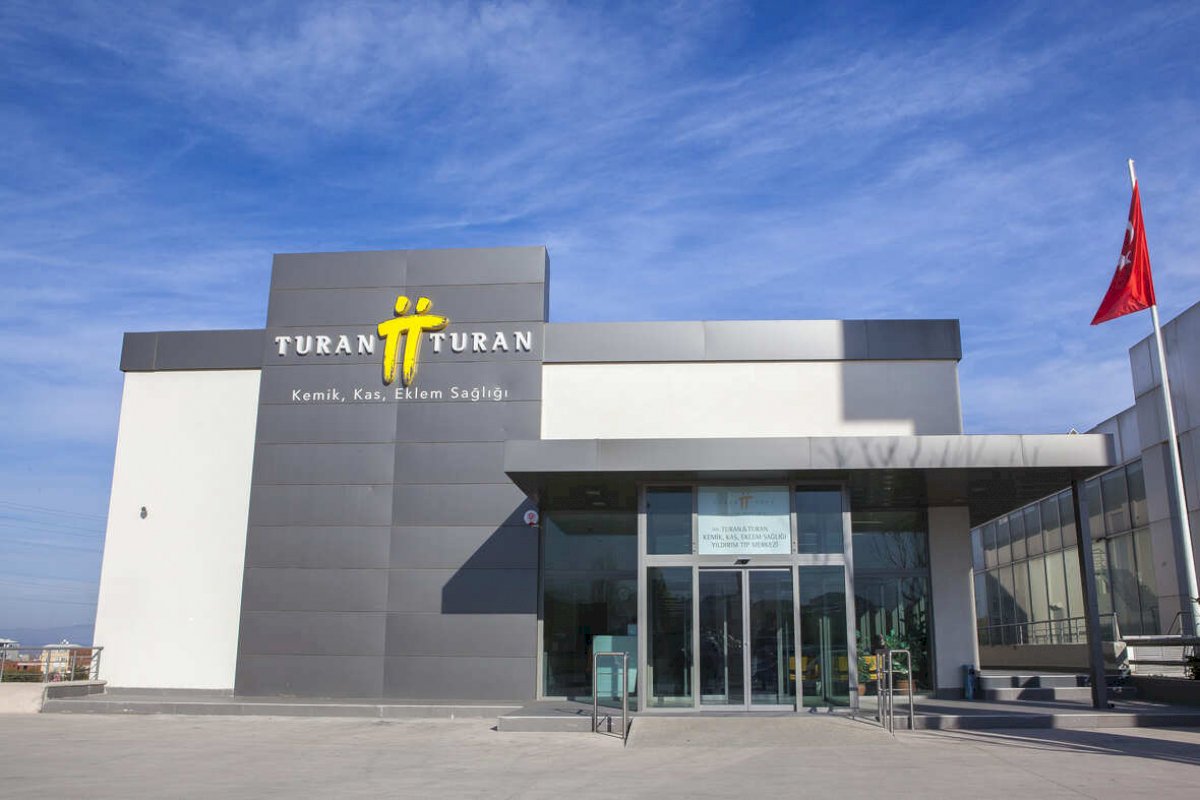



Professor Gemalmaz - 3D Patient-Specific Orthopedics
Halil Can Gemalmaz



Hisar Hospital Intercontinental
Gursel Saka





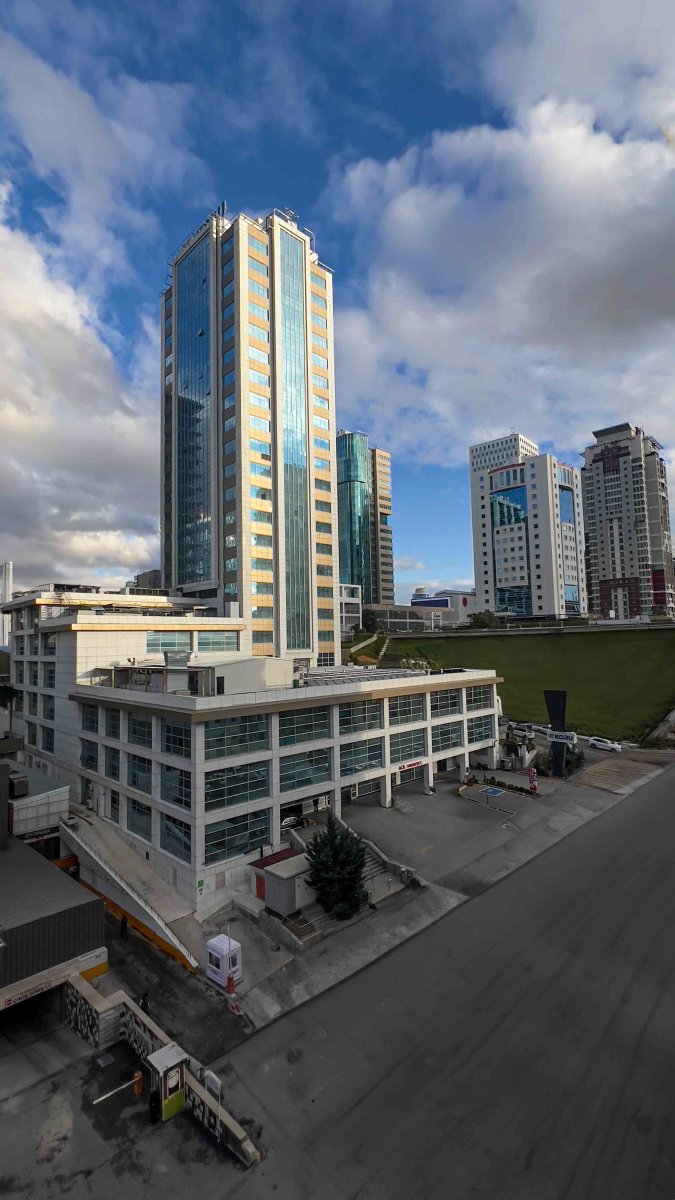

Private Medicabil Hospital
Omer Faruk Bilgen




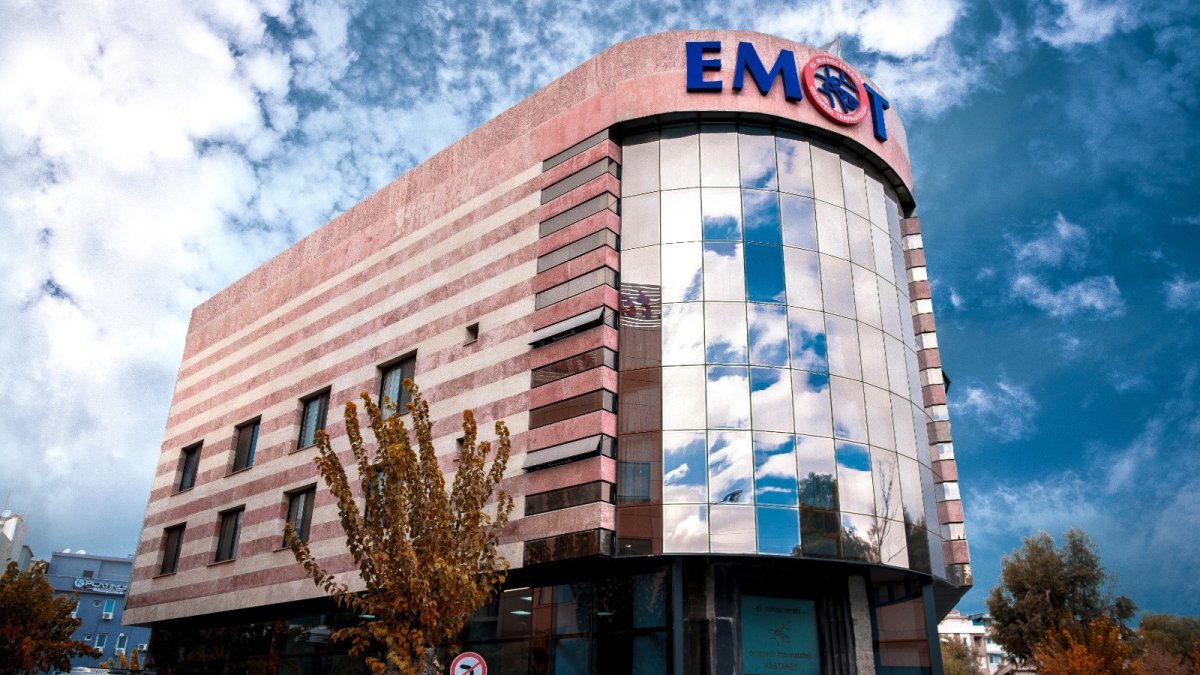

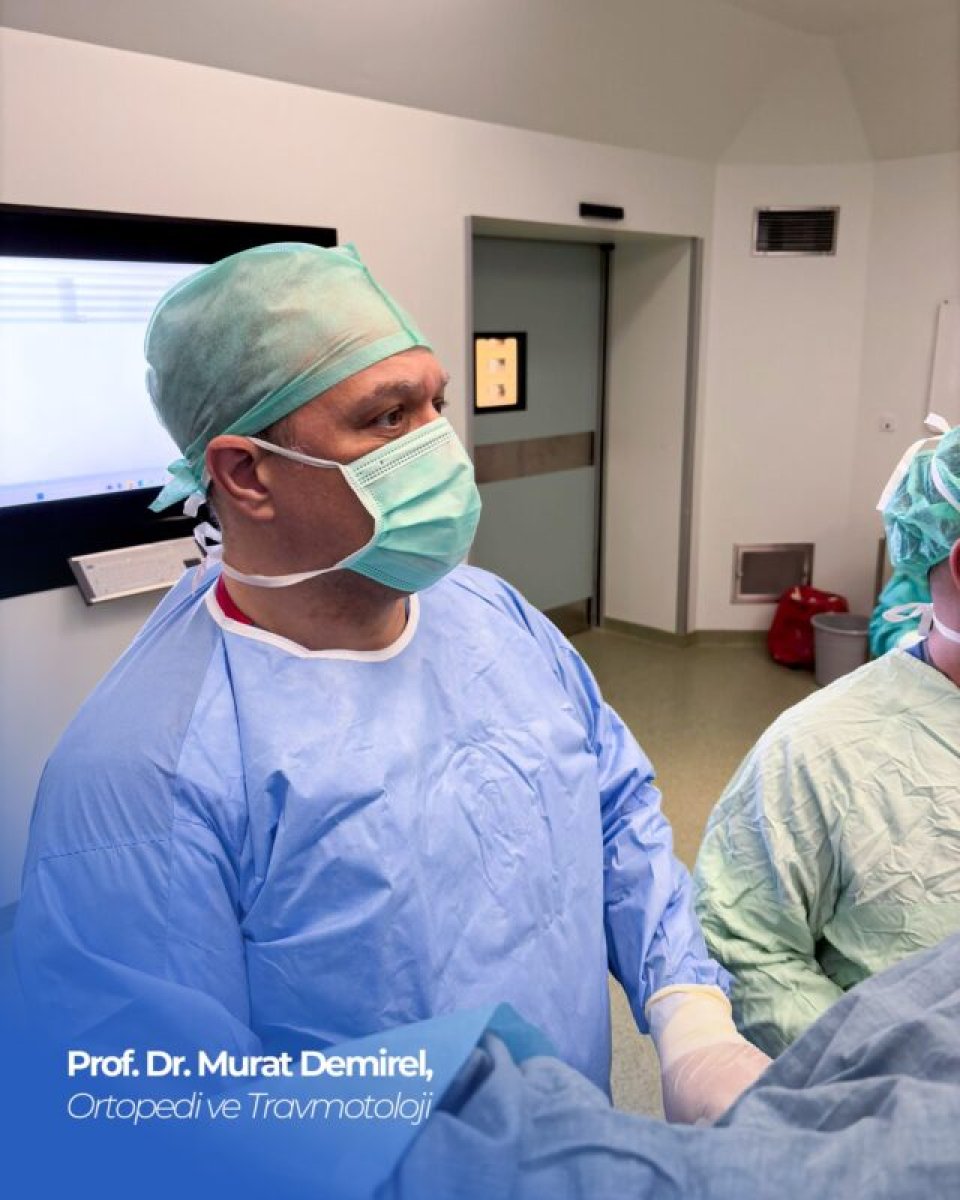
Prof. Dr. Murat Demirel
Hallux Valgus - 3D Lapidus Procedure Overview in Turkey
- Surgical treatment of valgus deformity - from $6,500The operation corrects bunion misalignment, involving precise bone-cutting and realignment, bringing pain relief and improved foot functionality.
- Hallux valgus surgery - from $1,600This procedure corrects bunions by realigning the toe, relieving pain and improving foot appearance.
- Lapidus Procedure 3D Bunion Correction (Hallux Valgus) - from $5,300This procedure realigns skewed foot bones, addressing the root cause of bunions with minimal reoccurrence risk.
- Hallux Valgus - 3D Lapidus Procedure - from $10,000This operation rectifies bunion deformities by realigning bones in 3D, leading to permanent, pain-free outcomes.
Day 1 - Arrival
- Arrive at the hospital.
- Check into the admission department.
Day 2 - Pre-operation
- Consultation with orthopedic surgeon.
- Consultation with anesthesiologist.
- Pre-operative blood tests and X-rays.
- Receive surgery schedule.
Day 3 - Hallux Valgus - 3D Lapiplasty
- Arrive at the operating room.
- Undergo general anesthesia.
- Surgeon performs 3D Lapiplasty, lasting around 2 hours.
- Transfer to recovery room for monitoring.
Day 4 - Post-operation
- Move to the general ward.
- Begin initial rehabilitation exercises.
- Receive pain management and wound care.
Day 5 - Discharge
- Final consultation with surgeon.
- Discharge from hospital with post-op instructions.
Week 1 - Rehabilitation
- Rest and elevate the foot.
- Start gentle physiotherapy exercises.
Week 2-4 - Rehabilitation
- Gradually increase physiotherapy exercises.
- Start weight-bearing activities as advised.
Month 2 - Rehabilitation
- Gradual return to normal activities.
- Follow-up appointments with the surgeon.
Month 3 - Final Result
- Full return to work and sports activities.
- Enjoy the final result of corrected Hallux Valgus.
Please note each case is individual and the timeline may vary.
- Bookimed deposit: $200 or €200.
- Clinic deposit: Pay a set percentage in advance.
Our Trusted Doctors
View all Doctors
Yusuf Bayram
Dr. Yusuf Bayram has performed over 1,000 surgeries, specializing in orthopedic procedures at Hisar Hospital Intercontinental.
- Expert in arthroscopic knee, shoulder, and ankle surgeries
- Specializes in spinal diseases including scoliosis and herniated discs
- Trained at Marmara University and Umraniye Training and Research Hospital
- Performs deformity surgeries and orthopedic trauma procedures
Halil Can Gemalmaz
Dr. Halil Can Gemalmaz is a professor of orthopedics and traumatology in Istanbul. He is a pioneer in Turkey for 3D patient-specific orthopedic procedures. Dr. Gemalmaz specializes in robotic-assisted joint replacements for the knee and hip. He currently serves as a faculty member at Atlas University Faculty of Medicine.
- Uses 3D planning and custom surgical guides for complex bone deformities.
- Performs robotic-assisted arthroplasty, including MAKOplasty and OMNI systems.
- Treats sports injuries through arthroscopic surgery of the shoulder and knee.
- Practices at a center accredited by the Turkish Medical Association.

Murat Kezer
Dr. Murat Kezer is an orthopedic surgeon at Turan Turan Health Group in Bursa. He specializes in robotic knee and hip replacement using the MAKO system. Dr. Kezer treats complex conditions, including ligament tears, bone fractures, and joint deformities.
- Completed specialized surgical training for MAKO total and partial joint reconstruction.
- Performs arthroscopic surgery and revision procedures for the knee and hip.
- Provides stem cell and PRP therapy for non-surgical arthritis management.
- Member of the International Congress for Joint Reconstruction.

Bahtiyar Demiralp
Specialized in foot and ankle surgery with extensive training at Mayo Clinic – Dr. Demiralp brings precision to Hallux Valgus corrections.
- Over 35 years of orthopedic surgery experience
- Expert in trauma surgery and complex foot deformities
- Member of Turkish Foot and Ankle Society
- Trained in orthopedic oncology at Mayo Clinic
Reviews about Bookimed: Discover Patients' Insights
All reviews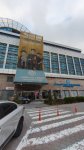




Share this content
Video Stories from Bookimed Patients
 Anna Leonova
FAQ about Hallux Valgus - 3D Lapidus Procedure in Turkey
What is the 3D Lapidus procedure and how does it differ from traditional hallux valgus correction?
The 3D Lapidus procedure is a triplanar bunion correction that fixes the root cause of hallux valgus at the foundational tarsometatarsal joint. Unlike traditional surgery that cuts and shifts bones, this method rotates the entire metatarsal back into natural alignment using patient-specific 3D-printed guides.
- Correction method: Addresses rotation, horizontal, and vertical misalignment simultaneously for superior stability.
- Root cause: Secures the unstable tarsometatarsal joint rather than just removing the visible bump.
- Hardware used: Utilizes 3D-printed titanium implants or cages instead of standard single screws.
- Recurrence rate: Maintains 97–99% correction compared to higher recurrence in traditional 2D `cut-and-shift` methods.
Bookimed Expert Insight: Turkish clinics like Professor Gemalmaz - 3D Patient-Specific Orthopedics lead the region by using CAD-assisted surgical planning. This technology allows surgeons to print custom guides unique to your foot anatomy. While standard surgery costs $1,600, these advanced 3D systems average $10,000 in Turkey. This is still a 41% saving compared to the $18,800 United States average.
Patient Consensus: Success depends on confirming triplanar deformity with a weight-bearing CT scan before surgery. Most patients recommend securing a knee scooter early, as the 6–8 week non-weight-bearing phase is the most challenging recovery hurdle.
Am I a good candidate for a 3D Lapidus in Turkey, and what medical criteria are assessed?
Candidates for 3D Lapidus in Turkey typically present with moderate to severe Hallux Valgus where weight-bearing X-rays show a Hallux Valgus Angle (HVA) exceeding 30 degrees. This procedure corrects three-dimensional metatarsal rotation and joint instability, offering a permanent solution for patients who failed conservative treatments like orthotics.
- Bone stability: Surgeons assess first TMT joint hypermobility using manual stress testing or fluoroscopy.
- Radiographic limits: Ideal candidates usually have an Intermetatarsal Angle (IMA) greater than 14 degrees.
- Skeletal maturity: Patients must be 12+ years old with closed growth plates for implants.
- Planning technology: Clinics like Professor Gemalmaz use CAD software and 3D-printed custom surgical guides.
Bookimed Expert Insight: While many international centers offer standard bunion correction, Turkey has a unique niche in patient-specific orthopedics. Professor Gemalmaz’s clinic is currently the only one in the country using CAD-assisted planning and custom 3D-printed guides. Choosing a clinic with this level of digital precision can be a deciding factor for complex revision cases where previous surgeries failed.
Patient Consensus: Patients emphasize that this surgery is strictly for severe deformities rather than cosmetic fixes. Experts suggest quitting smoking 8 weeks prior to avoid a 20% to 30% increase in bone nonunion risks.
What does the recovery timeline look like after a 3D Lapidus procedure in Turkey?
Recovery after a 3D Lapidus procedure in Turkey typically spans 3 to 6 months for full healing. Patients generally remain non-weight-bearing for 2 to 6 weeks to ensure bone fusion. Full return to athletic footwear and high-impact activities usually occurs between months 4 and 6.
- Hospital stay: Expect 2 to 3 days of inpatient care for initial pain management.
- Weight-bearing transition: Patients move to partial weight-bearing in a CAM boot around weeks 4 to 8.
- Suture removal: Surgeons typically remove stitches and transition to a walking boot by day 14.
- Diagnostic milestones: Mandatory X-rays at 4 to 6 weeks confirm fusion before advancing to shoes.
Bookimed Expert Insight: Advanced clinics in Istanbul like Professor Gemalmaz - 3D Patient-Specific Orthopedics use CAD software and 3D-printed guides to increase surgical precision. This level of planning often simplifies the early recovery phase because the custom titanium implants provide superior mechanical stability compared to standard hardware.
Patient Consensus: Many patients report that while intense swelling persists for the first 5 days, pain levels drop significantly thereafter. They emphasize that using a knee scooter for the first 2 weeks is essential for maintaining strict non-weight-bearing protocols.
How long should I plan to stay in Turkey for a 3D Lapidus bunion surgery?
Plan a total stay of 10 to 14 days in Turkey for 3D Lapidus bunion surgery to ensure safe healing. This timeframe covers 1 to 2 days of preoperative consultations, a 3-day hospital stay, and approximately 7 to 10 days of local recovery before flying.
- Hospital stay: Most specialized clinics require 2 to 3 nights of inpatient monitoring post-surgery.
- Initial mobility: Patients typically begin moving with a walking boot within 24 to 48 hours.
- Stitch removal: Surgeons usually remove surgical sutures 10 to 14 days after the procedure.
- Travel safety: Staying 2 weeks minimizes deep vein thrombosis risks during long-haul return flights.
Bookimed Expert Insight: Data shows a gap between standard 7-day packages and actual recovery needs. While many Istanbul clinics bundle 5 or 6 hotel nights, the most comfortable patients book a 3-day buffer. Dr. Halil Can Gemalmaz's patient-specific 3D guides often streamline the physical surgery, but biological bone fusion still requires 10 days of strict elevation to manage peak swelling before travel.
Patient Consensus: Patients recommend booking flexible hotel stays as swelling often peaks during the first week. Many emphasize that having a 14-day window reduces stress if post-op adjustments or hardware checks are needed.
What are the main risks and potential complications specific to the 3D Lapidus fusion?
The 3D Lapidus procedure for Hallux Valgus carries specific risks including bone nonunion, where bones fail to fuse, occurring in 1.6% to 3.1% of cases. Hardware-related irritation from titanium implants and potential nerve damage affecting foot sensation are also documented complications during triplanar correction.
- Bone healing: Nonunion or delayed fusion occurs when bones fail to join permanently after surgery.
- Hardware issues: Approximately 12.3% of patients require removal of plates or screws due to discomfort.
- Nerve injury: Damage to the dorsal medial cutaneous nerve may cause permanent toe numbness.
- Recurrence risk: The bunion deformity returns in 0.9% to 3.0% of triplanar correction cases.
- Structural changes: Metatarsal shortening can lead to transfer metatarsalgia and permanent walking alignment shifts.
Bookimed Expert Insight: While standard protocols suggest early mobility, 3D-printed guides used by specialists like Dr. Halil Can Gemalmaz at Professor Gemalmaz clinic aim for higher precision. Data shows the most successful outcomes in Turkey require 8–12 weeks of strict non-weightbearing. Bringing your own knee scooter is a smart move as local availability can be limited.
Patient Consensus: Patients emphasize that compliance with non-weightbearing is critical, as even partial pressure at four weeks can cause fusion failure. Many suggest preparing for persistent swelling that may last over a year, significantly longer than traditional 2D surgeries.
What should I pack and how should I prepare for travel to Turkey for bunion surgery?
Preparation for 3D Lapidus bunion surgery in Turkey requires prioritizing post-operative mobility and specialized recovery gear. Patients must plan for 2–3 days of hospitalization and a 6–8 week non-weight-bearing recovery period featuring 3D-printed custom surgical guides and titanium implants.
- Post-op footwear: Pack adjustable DARCO shoes or surgical sandals to accommodate significant foot swelling.
- Clothing: Bring loose-fitting wide-leg trousers or elastic-waist leggings that fit over bulky bandages.
- Mobility aids: Book airport wheelchair assistance 48 hours early as service consistency varies internationally.
- Recovery essentials: Include gel ice packs and a wedge pillow to maintain heart-level elevation.
Bookimed Expert Insight: While many standard bunion procedures allow quick weight-bearing, the 3D Lapidus technique used by specialists like Dr. Halil Can Gemalmaz often requires a stricter 6–8 week non-weight-bearing phase. Choosing a package with a 5-star hotel and VIP transfers is highly recommended here, as the custom CAD-planned nature of this surgery demands absolute stability during the initial hotel recovery days.
Patient Consensus: Travelers emphasize that while Turkish pharmacies are affordable, you should bring your own familiar pain relief and compression socks for the long return flight. Many suggest overpacking snacks and entertainment, as the recovery for complex 3D-printed solutions is often slower than patients initially expect.