Installing Heart Pacemaker in Austria — Get 3 Top Clinic Matches with Costs
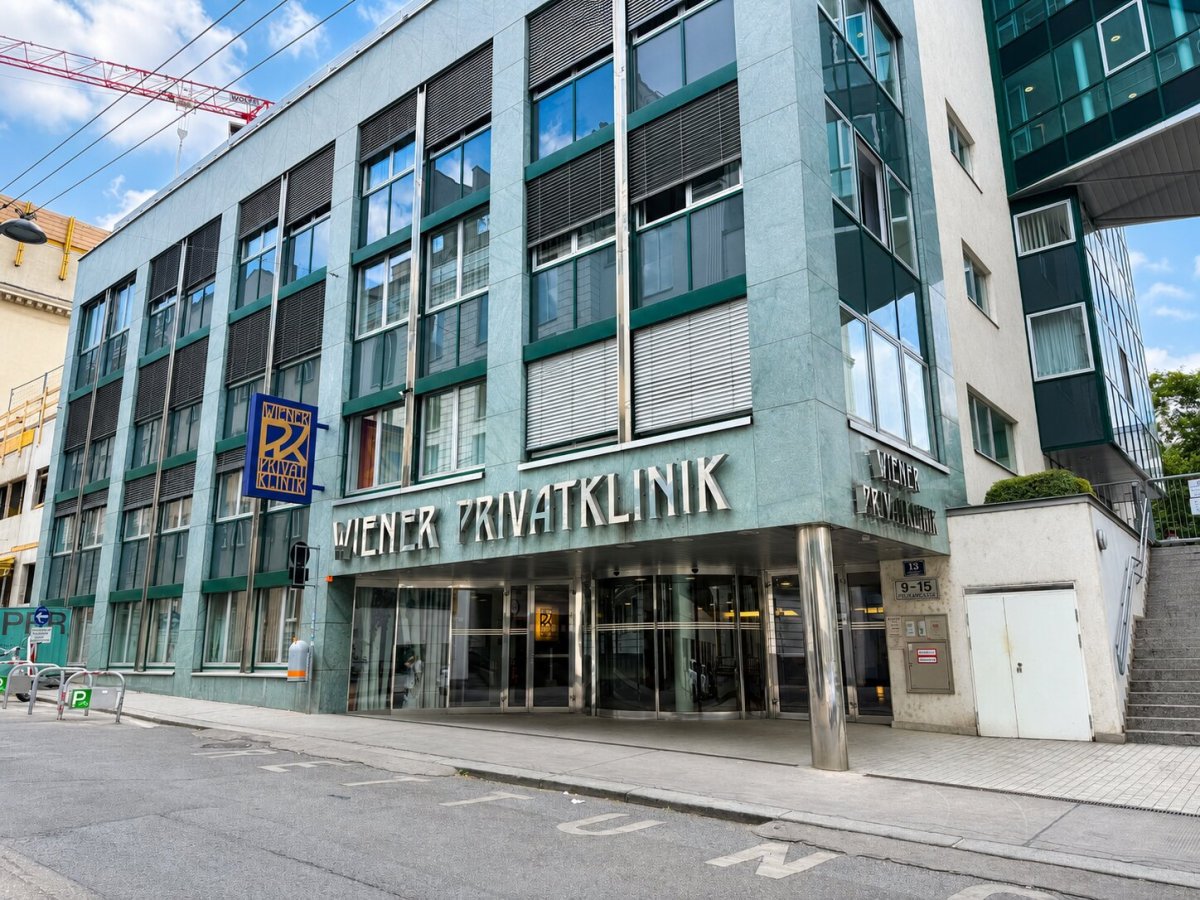
Installing heart pacemaker in Austria is offered by Wiener Privatklinik, an ISO-certified clinic in Vienna. The clinic is rated 4.6/5 in 175 verified patient reviews on Bookimed.

Medically reviewed by
Hasim Ustunsoy
How Much Does Installing heart pacemaker Cost in Austria?
Installing heart pacemaker in Austria typically costs from $14,500 to $21,500. The final price depends on the device type, clinic tier, and required hospital stay. In the US, similar procedures cost around $38,000 on average. Austria offers savings of around 53%. This cost generally includes preoperative diagnostics, the pacemaker device, surgeon fees, and anesthesia.
- Single-chamber pacemakers: Often represent the entry-level price point for basic heart rhythm regulation.
- Dual-chamber devices: These typically command a higher price due to more complex leads and programming.
- Clinic location: Facilities in medical hubs like Vienna or Graz may have higher overhead than others.
- Hospitalization duration: Staying between 3 to 10 days for monitoring significantly impacts the total invoice.
Bookimed Expert Insight: Choosing a private facility in Vienna offers access to world-class expertise. Many physicians at Wiener Privatklinik are also professors at the Medical University of Vienna. This clinic holds ISO certification and was named among the World's Best Hospitals by Newsweek. Patients benefit from modern operating theaters and intensive care units. Expert cardiac surgeons like Professor Marek Ehrlich provide top-tier care in these high-tech environments.
| Turkey | Austria | Spain | |
|---|---|---|---|
| Installing heart pacemaker | from $6,000 | ≈ $14,500 | from $32,900 |
Your Benefits and Guarantees with Bookimed
Transparent Prices & Flexible Installments
No hidden fees – just official clinic prices. Pay at the clinic for Installing heart pacemaker upon arrival and use a flexible installment plan if needed.
Verified Clinics & Doctors Only
Bookimed is committed to your safety. We only work with medical institutions that maintain high international standards in Installing heart pacemaker and have the necessary licenses to serve international patients worldwide.
Free 24/7 Assistance
Bookimed offers free expert assistance. A personal medical coordinator supports you before, during, and after your treatment, solving any issues. You're never alone on your Installing heart pacemaker journey.

Your personal Bookimed medical coordinator
- Supports you at every stage
- Helps choose the right clinic and doctor
- Ensures quick and convenient access to information
Discover the Best Installing heart pacemaker Clinics in Austria: 1 Verified Option and Prices






Installing heart pacemaker Overview in Austria
Day 1: Arrival
- Arrive in the country via VIP transfer.
- Check into your 5-star hotel accommodation.
- Meet your language assistance provider.
Day 2: Pre-operation
- Consult with a cardiologist and cardiothoracic surgeon.
- Undergo a cardioscan test and other necessary medical tests.
- Receive pre-operation briefing from the medical team.
Day 3: Procedure
- Arrive at the hospital for the pacemaker installation.
- Undergo local or general anesthesia as advised.
- The procedure lasts 1-2 hours, depending on individual cases.
- Post-procedure, stay under observation in the recovery room.
Day 4-7: Post-operation
- Stay in the hospital for monitoring and recovery.
- Undergo post-operative check by the surgeon.
- Begin gentle physical activity as advised by the medical team.
Week 1-6: Rehabilitation
- Continue gradual increase in physical activities.
- Return to work around week 3, depending on your job.
- Resume light sports around week 4, heavier sports after week 6.
- Final result visible approximately 6 weeks post-operation.
Please note that this is a general guideline and individual cases may vary. Always follow the advice of your medical team.
- Bookimed deposit: $200 or €200.
- Clinic deposit: Pay a set percentage in advance.
As the leading global medical tourism platform, Bookimed.com has a huge responsibility before our clients — both patients and medical centers — when it comes to Installing heart pacemaker in Austria. All the information provided on Bookimed.com is grounded in research, foresight, and expertise and meets high interest related to the product and follows:
Smart automatic ranking system
We form our listings of clinics and doctors with strict regulations of our smart automatic ranking system. The system is based on real Bookimed patient rates to provide the most objective and transparent information about clinics and medical services for Installing heart pacemaker in Austria.
Our experienced data scientist collects data daily, monitors and optimizes the ranking system using machine learning and artificial intelligence to ensure that the ranking system is up-to-date and provides accurate results.
Real people"s experience only
We collect the opinions of Bookimed clients only after getting medical experience with the clinic — so everyone on the platform can trust the facility they choose for Installing heart pacemaker in Austria. We strive to make the content on our platform as useful as possible and ensure the freedom to express critical opinions. Thus, we publish positive and negative reviews, aiming at being a source for informed decision-making for our future clients.
Topics with high levels of expertise, authority, and trustworthiness
On Bookimed.com, you may find choice and convenience to find the best medical solutions from top medical services providers just in one place, and often at competitive prices. Making sure to deliver the freshest information, the clinic’s representatives update doctors’ CVs, clinics’ capacities, before-after pictures, prices, packages, and specials by themselves shortly for Installing heart pacemaker in Austria. You may meet the clinic’s representative and check the date of updated content at every clinic’s page to make sure of its trustworthiness.
Our blog and supportive pieces are created by professional authors with at least 3-year experience in medical writing and edited by medical specialists with relevant clinical and research expertise — all carefully recruited to the team. We strive to enhance patient access to health information, making it expert but easy to understand. All pieces follow the Bookimed’s Editorial Guidelines.
Bookimed values
We are made of people and for people — and that"s our core value. That"s why all the data presented on the platform is collected, edited, reviewed, and updated regularly by our patients, our partner clinics, and our team, including the Bookimed Medical Advisory Board, which consists of the world-renowned doctors with value expertise over 20 years of practice, and a positive reputation. Learn more about us and our mission.
In case you find any mistake or have any questions on the information presented on Bookimed.com, please feel free to contact us at marketing@bookimed.com.
Our Doctors
View all Doctors
Marek Ehrlich
Professor Ehrlich manages the aneurysm program at Vienna General Hospital, with over 100 published articles in aneurysm surgery.
- Trained in cardiac surgery at Vienna General Hospital
- Specialized training at Mount Sinai Hospital in New York
- Fluent in English and Polish
- Award-winning research in cardiovascular surgery
Video Stories from Bookimed Patients
Reviews about Bookimed: Discover Patients' Insights
All reviewsShare this content
 Anna Leonova
FAQ about Installing heart pacemaker in Austria
What does recovery and aftercare look like following pacemaker implantation?
Recovery involves 4–8 weeks for a return to near-normal activity while leads anchor properly. Initial aftercare focuses on incision healing, avoiding overhead arm movements, and preventing device displacement. Patients typically undergo EKG monitoring and device programming before discharge from clinics like Wiener Privatklinik.
- Activity restrictions: Avoid lifting over 10 pounds for the first few weeks.
- Arm movement: Do not raise the implant-side arm above shoulder height early on.
- Incision care: Keep the site clean and dry for 48 to 72 hours.
- Medical ID: Carry your device manufacturer card at all times for security screenings.
Bookimed Expert Insight: Top Austrian specialists like Prof. Dr. Marek Ehrlich at Vienna General Hospital prioritize lead stability. While resting is vital, gentle shoulder rotation prevents frozen shoulder without risking lead displacement. This balance is key to achieving a full recovery within the 8-week window.
Patient Consensus: Expect low energy levels, around 50–60% of normal, during the first month. Using front-closing clothing and sleeping propped on pillows significantly improves comfort while the incision site soreness fades.
How long does pacemaker surgery take and what kind of anesthesia is used?
Pacemaker surgery typically takes 15 to 60 minutes for the procedure itself, though complex biventricular cases may require 2 to 4 hours. Surgeons primarily use local anesthesia combined with intravenous sedation, keeping patients relaxed and pain-free while remaining technically awake during the implantation.
- Procedure duration: Most implantations conclude within 60 minutes in specialized Austrian cardiovascular centers.
- Anesthesia type: Local lidocaine injections numb the chest while IV sedation ensures comfort.
- Hospital stay: Patients often experience same-day discharge or a brief overnight observation period.
- Complex cases: General anesthesia remains reserved for pediatric patients or rare epicardial wire placements.
Bookimed Expert Insight: While many expect a long surgery, experts like Prof. Dr. Marek Ehrlich at Vienna General Hospital (AKH) handle these procedures efficiently due to high annual volumes. Clinics such as Wiener Privatklinik leverage ISO-certified standards to minimize total hospital time, often allowing patients to return home the same day despite the procedure's high technical complexity.
Patient Consensus: Most patients report feeling pressure rather than pain and appreciate the quick transition from the operating room to recovery. It is vital to discuss sedation levels early to manage the natural anxiety of being awake during the process.
What is the typical timeline for staying in Austria after pacemaker operation?
Patients typically stay in Austria for 7 to 14 days following a pacemaker operation. Most hospital discharges occur within 24 hours. However, cardiologists recommend remaining nearby for 1 to 2 weeks to monitor lead stability and wound healing before flying home.
- Hospital duration: Most routine cases require 1 day or less of inpatient monitoring.
- Travel window: Doctors advise waiting 7 days before flying to prevent cabin pressure complications.
- Lifting restrictions: Avoid lifting over 4.5 kilograms for at least 4 to 6 weeks.
- Device settling: Full lead anchoring and tissue integration typically take 6 to 10 weeks.
Bookimed Expert Insight: While many clinics permit discharge within 24 hours, the 10-day local stay is the real safety benchmark. High-volume centers like Wiener Privatklinik focus on early mobilization, but international patients must account for the 1-week follow-up. This visit confirms the leads haven't shifted before you handle heavy luggage at the airport.
Patient Consensus: Most patients report significant pain reduction by day 5 and can handle light desk work within 2 weeks. The hardest adjustment is remembering not to lift the arm above shoulder height during the first month.
Which are the top medical centers and clinics in Austria for pacemaker implantation?
Austria features world-class cardiology centers like Vienna General Hospital (AKH) and Wiener Privatklinik, specialized in advanced electrophysiology. These facilities utilize board-certified surgeons and JCI-accredited standards to perform pacemaker, biventricular (CRT), and defibrillator implantations with high success rates and advanced clinical research backing.
- Vienna General Hospital (AKH): Premier university hospital offering complex cardiac device implantations.
- Wiener Privatklinik (WPK): Newsweek-ranked world best hospital with 95% positive treatment outcomes.
- Döbling Private Clinic: JCI-accredited facility providing comprehensive diagnostic cardiology and arrhythmia care.
- Rudolfinerhaus Privatklinik: Features the Vienna Heart Center with full-scale invasive cardiology interventions.
Bookimed Expert Insight: While university hospitals like AKH handle the highest volumes, private clinics in Vienna offer a distinct advantage. Patients at Wiener Privatklinik often access university professors for surgery without long public waitlists. This allows for faster scheduling at centers managing over 7,000 annual patients.
Patient Consensus: Patients recommend choosing a specific cardiologist first before selecting the hospital. Many value clinics like Herz Zentrum Währing for efficient scheduling during timely evaluations.