Boao International Medical Center
China, Qionghai


Medically reviewed by
Fahad Mawlood
The cost for a procedure using the da vinci robotic system in China typically ranges from $14,000 to $21,000. Total expenses depend on the surgery type, such as prostatectomy or gynecological procedures, and the clinic tier. In the US, this procedure costs $42,000 on average. Fees generally include the robotic surgical fee, hospital stay, and standard preoperative diagnostics.
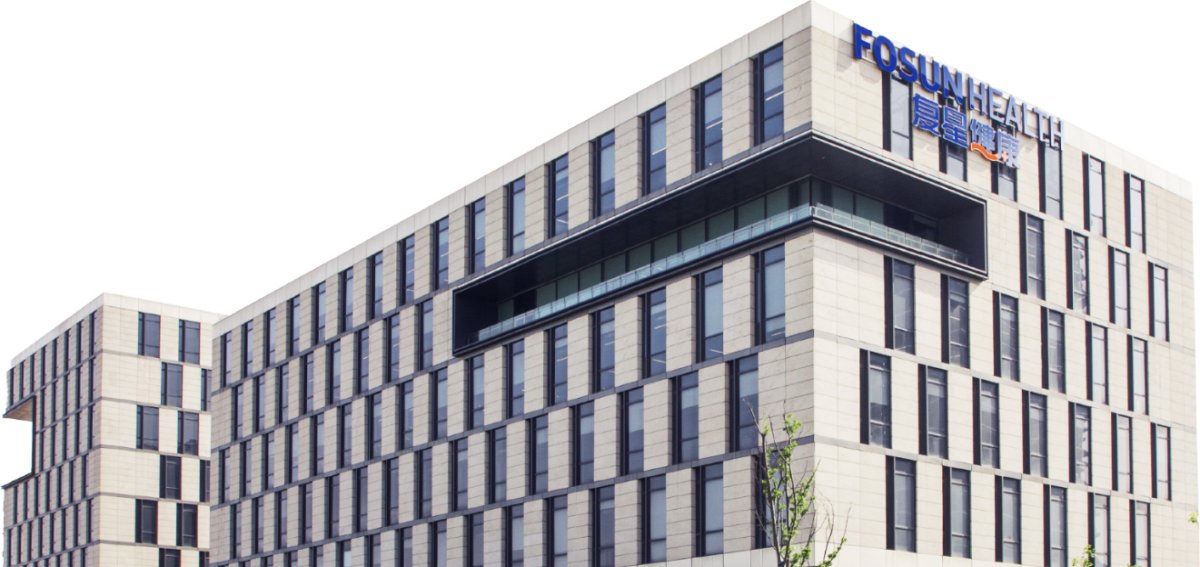
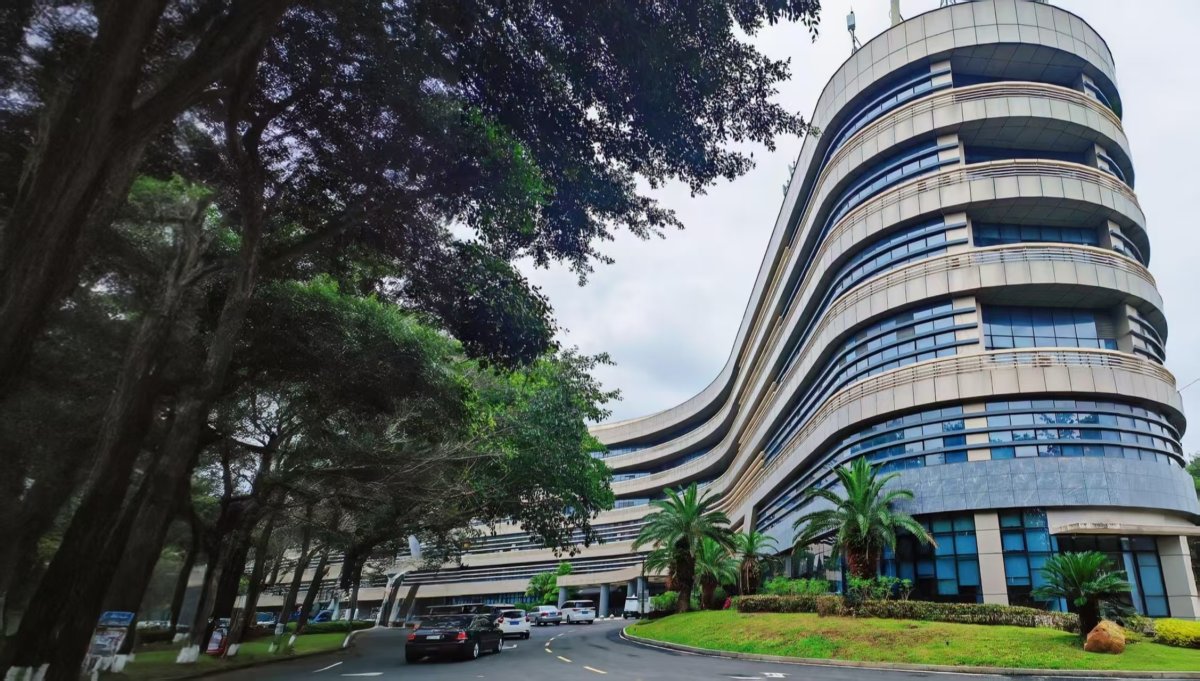
Bookimed Expert Insight. Chinese private hospital groups provide high-end robotic technology with international standards. Fosun Health is JCI-accredited and ranks as a top private healthcare provider in China. They use the Da Vinci Surgical Robot alongside other advanced tools like CyberKnife. Choosing centers with high patient volumes, such as Boao International Medical Center which treats 20,000+ patients annually, ensures experienced surgical teams.
| China | Turkey | Austria | |
|---|---|---|---|
| Da Vinci Robotic System | ≈ $14,000 | ≈ $9,500 | ≈ $14,500 |
| Da Vinci prostatic adenomectomy | ≈ $11,500 | from $10,000 | ≈ $14,500 |
Day 1
Day 2 - Pre-operation
Day 3 - Da Vinci Robotic System Process
Day 4-7 - Post-operation
Week 1-6 - Rehabilitation
Please note that each patient"s case is individual and the above timeline is a general guideline. Actual timeline may vary based on the patient"s condition and recovery progress.

Chief physician and professor. Grade 1 Expert at the Cancer Center, West China Hospital, Sichuan University (ranked No. 2 in China). Completed a postdoctoral fellowship in interventional radiology at the Chinese PLA General Hospital. Leads multidisciplinary team (MDT) care for complex tumors. Expert in minimally invasive interventional oncology for liver, lung, and pancreatic cancers.
Accreditations: Council Member, WATA. Member of CACA and CMDA committees on intervention, ablation, radioactive seeds, and pain. In 2023, inaugural director member, Palliative Care Committee, Sichuan MDA. Editorial board member of the Chinese Journal of Interventional Imaging and Therapy. Editorial board member of the Chinese Journal of Pain Medicine.
Leads 2 provincial S&T projects and 2 NSFC projects. Has 40+ papers, with 30+ as first or corresponding author. Highest impact factor: 10.73. Hepatocellular carcinoma (HCC) cohort: TACE + lenvatinib vs TACE + sorafenib. OS 18.97 vs 10.77 months. PFS 10.6 vs 5.4 months. ORR 66.8% vs 33.3%.

Professor Xiao Yueyong is Chief Physician in the Department of Radiological Diagnosis at the Chinese PLA General Hospital. He is a leading expert in minimally invasive interventional oncology. He serves as the inaugural President of WATA (2025–). He is President of the International (2020–) and Asian (2012–) Societies of Cryotherapy. He is also Deputy Head of the NHC Expert Group on tumour ablation regulations (2009–).
He has performed over 100,000 CT/MRI‑guided minimally invasive procedures. His work covers chemical ablation, RFA, MWA, cryoablation, and NanoKnife (IRE). He introduced and advanced NanoKnife ablation in China. He led the first national standards for tumour cryoablation and NanoKnife.
Honors include the National Special Contribution Award (Lifetime Honorary). He received First Prize from the Chinese Medicine Education Association (2021). He received two Second Prizes for Military Medical Achievements (2016, 2018) and two Second Prizes from the China Anti‑Cancer Association (2019, 2022). He was named Asian Ablation Master. His research record includes 13 Chinese patents. He is the principal investigator for four NSFC projects and one MOST subject. He has published over 200 papers, with over 110 as first or corresponding author and over 40 in SCI journals. He has led over 10 ablation guidelines or consensus statements.





Written by Veronika Kazina
 Anna Leonova