CDT-WEST Center of Diagnostics and Therapy
Germany, Cologne

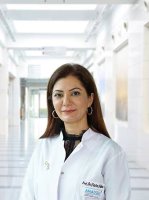
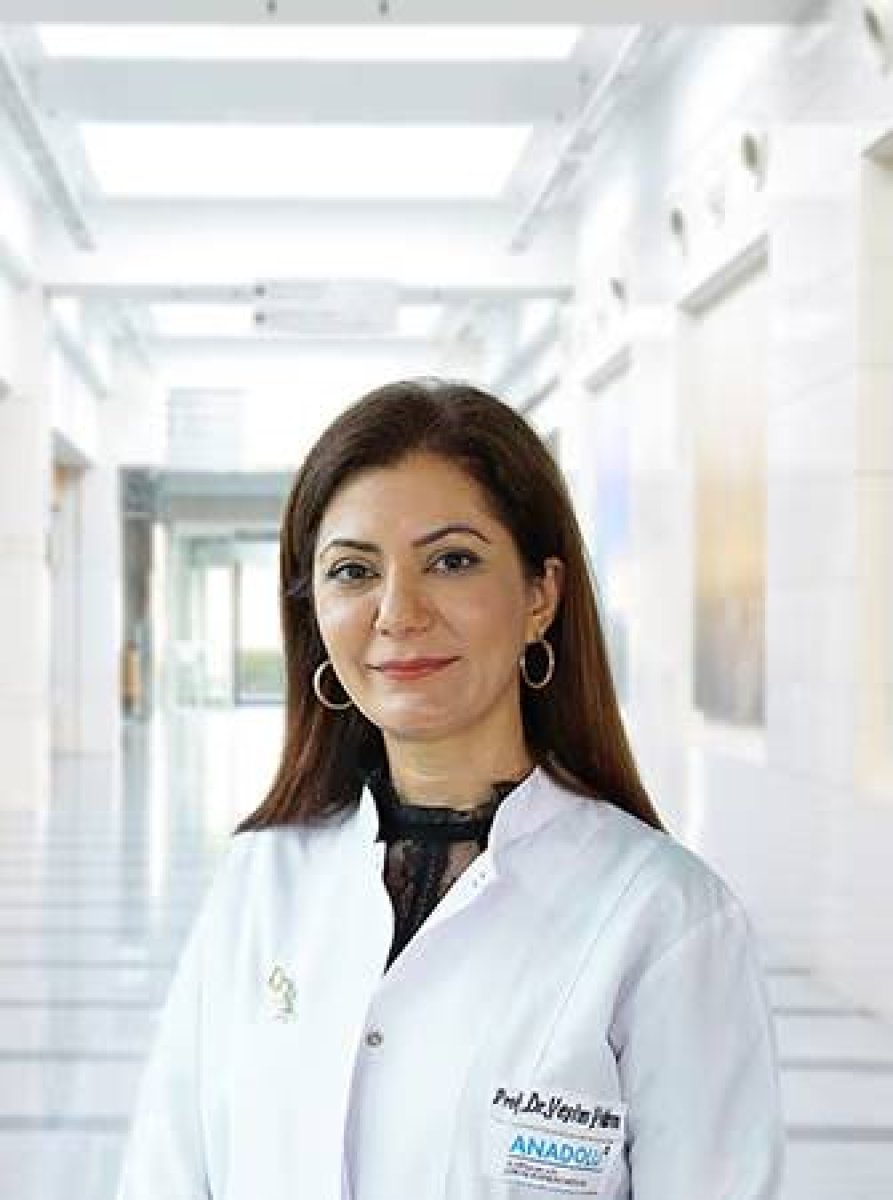
Medically reviewed by
Yesim Yildirim
Testicular cancer treatment cost in Germany for an oncologist consultation ranges from $330 to $350, while primary surgical options like an orchiectomy run $6,800 to $10,500. Total expenses depend on the cancer stage, necessity of chemotherapy, and the clinic category. Patients typically see 20-40% savings compared to the US. Leading medical centers are located in Hamburg, Berlin, and Frankfurt.
Typical Testicular Cancer Treatment Costs in Germany
Bookimed Expert Insight: For patients seeking specialized urological oncology, Asklepios Hospital Barmbek is ideal as it is ranked the #1 clinic for foreign patients by MTQA. Dr. Andreas Gross at Barmbek focuses on organ-preserving operations. Complex cases requiring advanced diagnostics benefit from Nordwest Clinic, which offers unique anticancer vaccines. Charité Berlin provides high-volume expertise with over 4,000 doctors for multidisciplinary care.
| Germany | Turkey | Austria | |
|---|---|---|---|
| Testicular prosthesis | ≈ $3,200 | from $4,000 | ≈ $3,600 |
| Removal of testicle tumor | ≈ $9,500 | from $4,000 | ≈ $7,800 |
| Radiation therapy for testicular cancer | ≈ $6,500 | ≈ $4,500 | from $6,600 |
| Radiation therapy for colorectal cancer | from $8,000 | from $6,000 | from $6,600 |
| Orchiectomy | ≈ $6,800 | from $6,000 | ≈ $4,200 |



Chief Physician at a certified cancer center, Phd Viola Fox specializes in innovative treatments for testicular cancer.

Professor Keil specializes in interventional radiology, using advanced imaging to guide precise treatments. Currently heads the Diagnostic and Interventional Radiology Clinic at Academic Hospital Solingen.
Listed among Germany's best oncologists for 41 years – Prof. Jaeger heads Oncology & Hematology at Nordwest Clinic.

Dr. Bernd Hertenstein has of experience in clinical oncology, specializing in chemotherapy and radiotherapy for cancer patients at Bremen-Mitte Clinic.

Written by Anna Leonova
 Anna Leonova
Testicular cancer treatment in Germany follows strict S3-Guidelines. Procedures include radical inguinal orchiectomy, nerve-sparing retroperitoneal lymph node dissection, and BEP chemotherapy. German academic hospitals also offer advanced radiation therapy. Specialized centers like Charite and Nordwest utilize robotic surgery and organ-preserving techniques to maintain fertility.
Bookimed Expert Insight: German clinics emphasize high-volume precision. For example, Nordwest Clinic serves over 61,000 patients annually. Large university centers like Nordrhein-Westfalen utilize extensive networks to offer multidisciplinary care. Patients should prioritize clinics with specific urologic oncology accreditation. This ensures access to specialized surgeons like Dr. Eduard Becht who has over 40 years of experience in organ-preserving surgery.
Patient Consensus: Patients note that radical orchiectomy is often a quick first step. They strongly advise asking about sperm banking early as fertility preservation is crucial before starting chemotherapy.
German guidelines enforce standard care through statutory oversight from the Federal Joint Committee and evidence-based S3 protocols. This framework mandates systematic reviews and multidisciplinary consensus. It ensures treatments remain consistent across facilities. Financial integration links insurance reimbursement to strict adherence to these established clinical pathways.
Bookimed Expert Insight: Germany ranks second globally in patient requests through our platform, driven largely by high-volume university centers. At Charité Berlin and University Hospital Dusseldorf, annual patient volumes exceeding 350,000 sustain these rigorous standards. Major clinics like Nordwest Clinic maintain 11 specialized centers, ensuring specialized cases stay within guideline-compliant pathways rather than general departments.
Patient Consensus: Patients note that these guidelines reduce random treatment choices by individual doctors. Many feel protected from overtreatment, especially finding it helpful that surveillance is often the recommended path over unnecessary radiation.
Testicular cancer treatment in Germany can impact fertility and hormone levels through chemotherapy, radiation, or orchiectomy. German university hospitals utilize the nationwide FertiPROTEKT network to prioritize sperm banking before therapy. Most patients maintain normal testosterone levels with one remaining testicle after a successful single orchiectomy.
Bookimed Expert Insight: German oncology centers like Nordwest Clinic and Charité Berlin emphasize multidisciplinary boards for testicular cases. Data shows specialized urologists like Prof. Dr. Sebastian Melchior focus on nerve-sparing techniques during lymphadenectomy. These precise surgical approaches are vital for preserving the physical ability to father children naturally after major tumor surgery.
Patient Consensus: Patients emphasize that feeling physically normal after surgery does not guarantee fertility. They strongly advise banking sperm immediately because chemotherapy impacts counts more severely than expected.
Germany is home to internationally recognized testicular cancer centers like Charite Berlin and Nordwest Clinic. These institutions follow strict German Cancer Society protocols for germ cell tumors. Facilities focus on multidisciplinary care involving tumor boards. They utilize specialized diagnostics and advanced surgeries for complex cases.
Bookimed Expert Insight: Data shows that 11 specialized centers within Nordwest Clinic alone provide heavy specialization. Patients benefit from doctors like Prof. Dr. Eduard Becht with 40+ years experience. This volume is critical because high-volume centers report higher survival rates for RPLND. Smaller clinics may offer chemotherapy but lack the surgical depth for residual masses.
Patient Consensus: Patients note that getting an expert pathology review is vital to ensure the correct treatment plan. Many emphasize that having access to knowledgeable physicians at short notice helps reduce anxiety during the diagnostic phase.
International patients typically obtain a remote medical second opinion for testicular cancer within 7 to 14 days. Beginning on-site treatment in Germany usually takes 3 to 6 weeks. Urgent cases involving aggressive tumors or metastatic disease may see expedited intake within 2 to 5 days.
Bookimed Expert Insight: While university hospitals like Charite Berlin handle massive patient volumes, they often prioritize domestic cases, leading to longer administrative wait times for international requests. To secure a faster start, consider specialized centers like Nordwest Clinic in Frankfurt. These facilities maintain dedicated research institutes and specialized oncology centers that can paradoxically process international intake faster than larger academic giants while offering equivalent expertise from Focus-ranked specialists.
Patient Consensus: Patients note that getting a quick consultation is possible, but they stress having tumor markers and pathology slides ready first. Experience shows that knowledgeable physicians are accessible at short notice if all digital records are submitted upfront.
Germany features some of the worlds most prestigious neurosurgery departments, led by Charité – Universitätsmedizin Berlin and University Hospital Heidelberg. These centers excel in treating complex brain tumors and cerebrovascular disorders. They utilize advanced technologies like intraoperative MRI and computer-assisted neuronavigation to maximize procedural success.
Bookimed Expert Insight: Data shows that choosing high-volume centers often leads to more conservative treatment recommendations. At Medical Center Solingen, which treats 60,000+ patients yearly, surgeons frequently suggest physiotherapy over immediate surgery if risks appear high. This volume-based expertise ensures patients only undergo operations when statistically necessary for recovery.
Patient Consensus: Patients note that German specialists are very cautious and will explain all risks before proceeding. Many emphasize the comfort of modern facilities, though some mention that having a translator is helpful for navigating administrative paperwork.
High-complexity neurosurgery in Germany demonstrates exceptional safety. Spinal fusions reach a 99% success rate. Primary brain tumor resections maintain a 97% survival rate. Functional independence is high. Over 82% of patients discharge directly home after treatment. German centers prioritize preserving neurological function using advanced mapping.
Bookimed Expert Insight: High-volume surgeons like Dr. Uwe Kehler at Asklepios Altona Clinic perform 2,000+ operations annually. Data shows these experts maintain success rates up to 90% for the most complex cerebral tumors. Choosing a specialist with 4,000+ personal surgeries, such as Dr. Ralf Buhl, ensures technical precision gathered over decades of practice.
Patient Consensus: Patients note that German surgeons often prioritize physical function over aggressive tumor removal. It is important to write down all questions in advance to make the most of short consultations with busy professors.
German neurosurgical clinics routinely integrate high-precision digital tools and real-time imaging into surgical practice. Core technologies include computer-assisted neuronavigation for brain and spinal procedures. Facilities like Asklepios Nord Clinic use intraoperative MRI to verify tumor removal in real time. These systems provide a 3D GPS for surgeons.
Bookimed Expert Insight: High-volume centers like Charité – Universitätsmedizin Berlin perform 4,000+ neurosurgeries annually, creating a data-rich environment for refining robotic protocols. Medical Center in Solingen offers specialized packages for herniated disc surgery including preoperative diagnostics. This volume allows German clinics to negotiate better rates for consumables, keeping advanced tech accessible.
Patient Consensus: Patients note that modern German clinics significantly reduce recovery times compared to older surgical methods. Many describe the experience as less painful due to smaller incisions and highly competent staff who explain every technical risk clearly.
Neurosurgeons in Germany must complete 6 years of specialized residency training after medical school. This structured program includes intensive care, clinical practice, and a mandatory surgical log. Candidates then pass a state board exam to earn the title Facharzt für Neurochirurgie.
Bookimed Expert Insight: German neurosurgery training emphasizes high-volume surgical experience. For example, Dr. Ralf Buhl at Medical Center in Solingen has performed 4,000+ surgeries. Dr. Jürgen Kiwit at Meoclinic Hospital brings 25+ years of expertise. This rigorous system ensures that specialists at major centers manage complex cases with proven precision.
Patient Consensus: Patients feel confident knowing their doctors underwent years of strict, state-monitored training. Many note that the detailed documentation of a surgeon's past procedures provides significant peace of mind before surgery.
International neurosurgeons must meet strict language and licensure standards to train or observe in Germany. Training requires a full medical license or temporary permit. Observers need hospital-specific approval. Both paths demand high-level German proficiency to participate in clinical discussions and follow complex surgical protocols safely.
Bookimed Expert Insight: German clinics with high patient volumes, like Nordwest Clinic or Asklepios Nord, often prioritize candidates who have already secured their preliminary document evaluation. Our data shows that professors like Dr. Uwe Kehler and Dr. Paul Kremer manage thousands of cases annually. Demonstrating German B2 level early can bypass many bureaucratic delays in these busy departments.
Patient Consensus: Patients note that the language barrier is significant. They emphasize that while some international staff help, having a translator or a German-speaking doctor is vital for clear communication.
Germany maintains the highest density of neurosurgeons in Europe with 2.94 specialists per 100,000 residents. This robust workforce easily manages international volumes through 184 dedicated departments. Key facilities like Charite Berlin perform 4,000+ surgeries annually. High specialist availability ensures additional capacity for complex global cases.
Bookimed Expert Insight: While Germany has high specialist numbers, top-tier professors like Dr. Ralf Buhl or Dr. Uwe Kehler are often concentrated in major hubs like Hamburg or Solingen. Our data shows these high-volume centers actually offer faster access for international patients than smaller clinics. Large academic hospitals maintain dedicated tracks for complex cases, effectively bypassing local capacity bottlenecks found in rural areas.
Patient Consensus: Patients often note that while surgeons are highly professional, clear communication about reports can sometimes take time. One patient mentioned that recovery periods in German clinics are now much shorter and less painful than in previous decades.