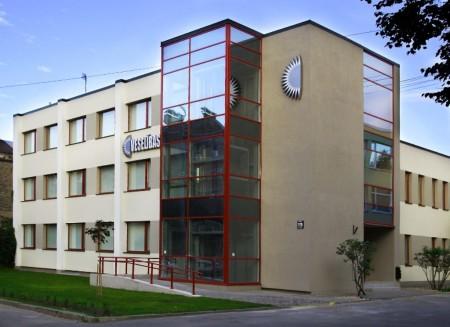
Baltic Vein Clinic
Latvia, Riga

Medically reviewed by
Gokhan Temiz
| Turkey | Austria | |
|---|---|---|
| Urethroscopic lithotripsy | from $7,500 | ≈ $3,200 |
| Ureteroscopy with laser lithotripsy (kidney stone removal) | from $7,500 | ≈ $4,800 |
| Therapeutic Apheresis | from $4,500 | ≈ $1,800 |
| Robotic radical nephrectomy | from $15,400 | ≈ $17,500 |
| Pyeloplasty | from $7,500 | ≈ $14,000 |
No hidden fees – just official clinic prices. Pay at the clinic for Nephrology treatment upon arrival and use a flexible installment plan if needed.
Bookimed is committed to your safety. We only work with medical institutions that maintain high international standards in Nephrology treatment and have the necessary licenses to serve international patients worldwide.
Bookimed offers free expert assistance. A personal medical coordinator supports you before, during, and after your treatment, solving any issues. You're never alone on your Nephrology treatment journey.

 Anna Leonova
See a nephrologist in Latvia if you experience swelling in legs, foamy urine, or persistent high blood pressure. These signs often indicate impaired kidney filtration. Latvian specialists prioritize cases with abnormal creatinine levels or a declining glomerular filtration rate detected during routine blood screenings.
Bookimed Expert Insight: Our data shows that patients in Riga often secure faster specialist access by starting at multi-profile centers like Baltic Vein Clinic's parent organization, Health Centre 4. This facility coordinates between 16+ doctors to ensure laboratory results directly trigger necessary nephrology referrals. This integrated approach reduces the wait time between initial blood tests and expert consultation.
Patient Consensus: Patients note it is essential to distinguish between structural issues like stones, which need a urologist, and functional filtration problems. Always bring a passport for registration at Riga clinics and expect to show recent lab results first.
International patients can receive dialysis in Latvia. EU, EEA, and Swiss citizens with a valid European Health Insurance Card (EHIC) access medically necessary sessions at state-funded rates. Tourists from outside the EU or those without cards must pay out of pocket or use private insurance coverage.
Bookimed Expert Insight: Latvian clinics often operate within larger healthcare groups like Health Centre 4. These networks share administrative resources. This allows facilities like Baltic Vein Clinic to coordinate directly with five foreign health insurers. This setup simplifies the reimbursement process for international patients traveling for care.
Patient Consensus: Patients note that emergency care rules do not apply to scheduled dialysis sessions. It is important to confirm that your specific policy covers chronic treatments before traveling.
A referral from a family doctor is mandatory for state-funded nephrology consultations in Latvia. Private clinics usually allow direct bookings without a referral. Patients must pay out-of-pocket or use private insurance for these visits. Costs for nephrology services in Latvia range from _price_from_ to _price_to_.
Bookimed Expert Insight: Clinics like Baltic Vein Clinic, part of Health Centre 4, handle high patient volumes. They often hold ISO 9001 certifications. Large centers in Riga frequently contract with multiple foreign insurance companies. This simplifies the process for international patients who lack a local Latvian personal code.
Patient Consensus: Patients note that being proactive with lab results helps secure referrals faster. Prepared medical records are essential due to potentially long wait times in the public system.
Specialized nephrology and dialysis in Riga are available at major university hospitals and private centers. Pauls Stradins Clinical University Hospital and Riga East Clinical University Hospital provide renal replacement. These centers manage chronic kidney disease, biopsies, and transplant evaluations. Private clinics like Nefro Klinika also offer hemodiafiltration.
Bookimed Expert Insight: Riga's nephrology landscape relies on a network of decentralized day-care branches. While large hospitals handle acute cases, private networks like Nefro Klinika manage most routine dialysis. Patients often find shorter wait times for consultations at multidisciplinary centers like Health Centre 4.
Patient Consensus: Patients recommend starting with a family doctor referral to lower specialist fees. Many note that confirming dialysis availability beforehand is vital as not all clinics provide these services.
Nephrologists and medical staff in Latvia primarily communicate in Latvian, Russian, and English. Latvian is the official language for all medical records and hospital administration. Most doctors in Riga remain proficient in Russian. Younger specialists and international clinics increasingly use English for consultations.
Bookimed Expert Insight: Clinics in Riga, like Baltic Vein Clinic, often work with multiple foreign insurance companies. This international focus usually ensures that administrative staff are proficient in English. Patients should request an English-speaking specialist during the initial booking to ensure a smooth consultation.
Patient Consensus: Patients mention that younger doctors usually prefer English over Russian. They recommend bringing a local companion if you are visiting clinics in smaller towns outside Riga.