
Fertilidad Integral Mexico City
Mexico, Mexico City


Medically reviewed by
Esra Cabuk Comert
| Mexico | Turkey | Austria | |
|---|---|---|---|
| Cervical Cryotherapy | ≈ $350 | ≈ $250 | ≈ $300 |
| Cervical Cautery | ≈ $450 | ≈ $350 | ≈ $450 |
No hidden fees – just official clinic prices. Pay at the clinic for Cervical Ectropion treatment and use a flexible installment plan if needed.
Bookimed is committed to your safety. We only work with medical institutions that maintain high international standards in Cervical Ectropion treatment and have the necessary licenses to serve international patients worldwide.
Bookimed offers free expert assistance. A personal medical coordinator supports you before, during, and after your treatment, solving any issues. You're never alone on your Cervical Ectropion treatment journey.























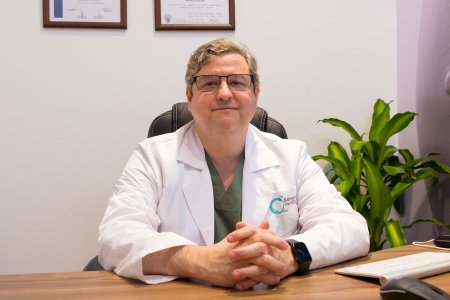
Dr. Treviño Ortiz pioneered the use of GnRH antagonists in Mexico and introduced double stimulation protocols at Advanced Fertility Center Cancún.
 Anna Leonova
Cervical ectropion is a common condition where glandular cells from the cervical canal grow on its outer surface. It is harmless and not cancerous. Most cases require no treatment unless symptoms like persistent spotting or excessive discharge become physically disruptive or bothersome.
Bookimed Expert Insight: Mexican gynecology centers like DR. IRERI ASTEINZA Clinic report high patient volumes, serving around 47,000 patients annually. This high frequency helps specialists differentiate benign ectopy from complex cervical issues. Specialists often recommend reviewing your current hormonal contraception before choosing surgical interventions, as estrogen levels directly influence cell growth.
Patient Consensus: Patients emphasize that this condition is annoying but not dangerous. Many note that switching birth control types can sometimes resolve the issue without needing an office procedure.
Cervical ectropion treatment in Mexico focuses on outpatient ablation to remove glandular cells on the cervix exterior. Common options include cryotherapy, electrocautery, and CO2 laser. Specialists like Dr. Ireri Asteinza in Mexico City prioritize these procedures when patients experience persistent spotting or discharge.
Bookimed Expert Insight: Patients seeking treatment in Mexico often find faster access through private clinics. Some specialists hold dual certifications in laparoscopy and gynecology from the Mexican Councils. This level of expertise ensures diagnostic accuracy during initial colposcopy screenings. Clinics like the one led by Dr. Ireri Asteinza serve up to 47,000 patients yearly.
Patient Consensus: Patients note that doctors typically rule out infections like BV or STIs first. They frequently mention that treatment is elective and primarily aimed at stopping post-sex bleeding or heavy discharge.
Cervical cauterisation in Mexico is not typically sharp or intense. Doctors apply local anesthesia or numbing swabs to the cervix first. You may feel mild pressure or period-like cramping during the 10-minute procedure. Most patients return to normal activities within 24 hours.
Bookimed Expert Insight: Patient volume indicates that top specialists like Dr. Ireri Asteinza in Mexico City manage over 47,000 patients annually. High-volume clinics often prefer electrocautery over chemical sticks for better precision. This experience helps ensure the procedure is brief, typically lasting under 15 minutes. Choosing a specialist with a Best Specialty Thesis Award ensures expertise in colposcopy-guided treatments.
Patient Consensus: Patients note the procedure feels like a sharp heat or heavy cramping. Many suggest resting for the day and using pads instead of tampons during recovery.
You can get pregnant after cervical ectropion treatment. This benign condition does not cause infertility. Treatment aims to stop bleeding or discharge. Procedures like cryotherapy or cautery do not affect your ovaries or uterus. Fertility remains normal once the cervix heals.
Bookimed Expert Insight: Mexican gynecology centers often combine ectropion care with specialized fertility screenings. Dr. Everardo Treviño Ortiz at Advanced Fertility Center Cancun leads research in reproductive protocols. This ensures your cervical treatment aligns with future pregnancy goals. Experienced surgeons focus on minimal tissue disruption during cautery.
Patient Consensus: Patients emphasize waiting for full healing before trying to conceive. Most report that symptoms like spotting resolve quickly without affecting their ability to get pregnant later.
Cervical ectropion is not cancer. It is a benign condition where inner cervical cells grow on the outer cervix surface. It is not a precursor to malignancy and does not increase cancer risk. Hormonal changes from pregnancy or contraception often cause this common physical variation.
Bookimed Expert Insight: Mexican clinics like the Dr. Ireri Asteinza Clinic report high patient volumes, serving 47,000 patients annually. This volume suggests that specialists here frequently manage routine cervical variations. Patients visiting such high-capacity centers often find that what seemed like a specialized concern is a standard, easily diagnosed condition.
Patient Consensus: Patients note that the emotional stress often comes from symptoms resembling cancer. They emphasize confirming that Pap or HPV tests are clear before starting symptom-driven treatments.
Recovery after cervical ectropion cauterisation in Mexico usually takes 4 to 6 weeks. Patients typically experience watery discharge for up to 1 month as the cervix heals. Light cramping and spotting are common for several days. Full recovery requires avoiding tampons and intercourse during the healing phase.
Bookimed Expert Insight: While recovery takes weeks, the cautery procedure itself is fast. Dr. Ireri Asteinza in Mexico City, a JCI-accredited specialist, treats 47,000 patients annually. High-volume clinics often provide detailed discharge care kits. These help manage the watery fluid which can be surprisingly heavy. Check if your clinic includes specific post-care supplies before arriving for your appointment.
Patient Consensus: Many patients mention that the watery discharge lasts much longer than they first expected. They note it is important to have plenty of pads ready and to rest if cramping feels like a heavy period.
