Injuries of bones and joints treatment in Mexico — get 3 personalized clinic matches

Medically reviewed by
Kayhan Turan
How it works
What's the Cost of Injuries of bones and joints Diagnosis and Treatment in Mexico?
The cost of treating bone and joint injuries in Mexico depends on the treatment plan. A comprehensive package, including 200 million mesenchymal stem cells, 10 billion exosomes, and IV therapies, costs around $16,000. Knee surgery starts at $7,000, with additional material and prosthetics costs ranging from $1,000 to $4,000. Another treatment option, including 150 million mesenchymal stem cells and 100 billion exosomes, ranges from $13,000 to $15,000. Each treatment plan is personalized to ensure optimal recovery and performance.
| Mexico | Turkey | Austria | |
|---|---|---|---|
| Total knee replacement (arthroplasty) revision | ≈ $12,500 | from $6,600 | ≈ $17,500 |
| Total hip replacement (arthroplasty) revision | ≈ $22,000 | from $7,500 | ≈ $16,500 |
| Stem cell therapy for knees | from $1,000 | from $3,500 | ≈ $2,800 |
| Stem cell therapy for arthritis | from $2,500 | from $3,500 | ≈ $3,800 |
| Stem Cell Therapy | from $1,600 | from $900 | ≈ $8,500 |
Best Injuries of bones and joints Treatment Centers in Mexico: 12 Verified Options and Prices




Stem Solutions
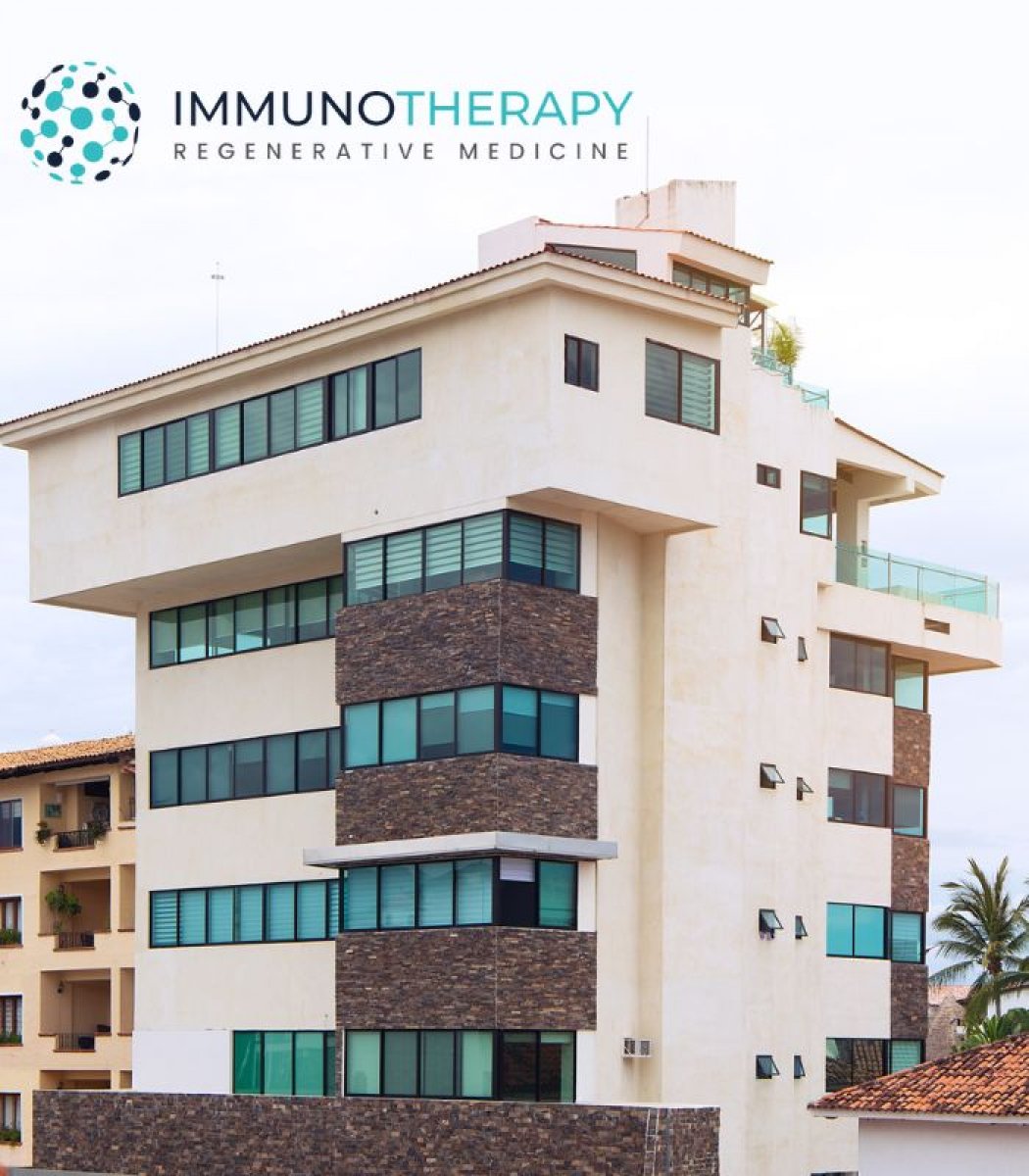
Immunotherapy Regenerative Medicine
Edgar Jesus Partida De Haro

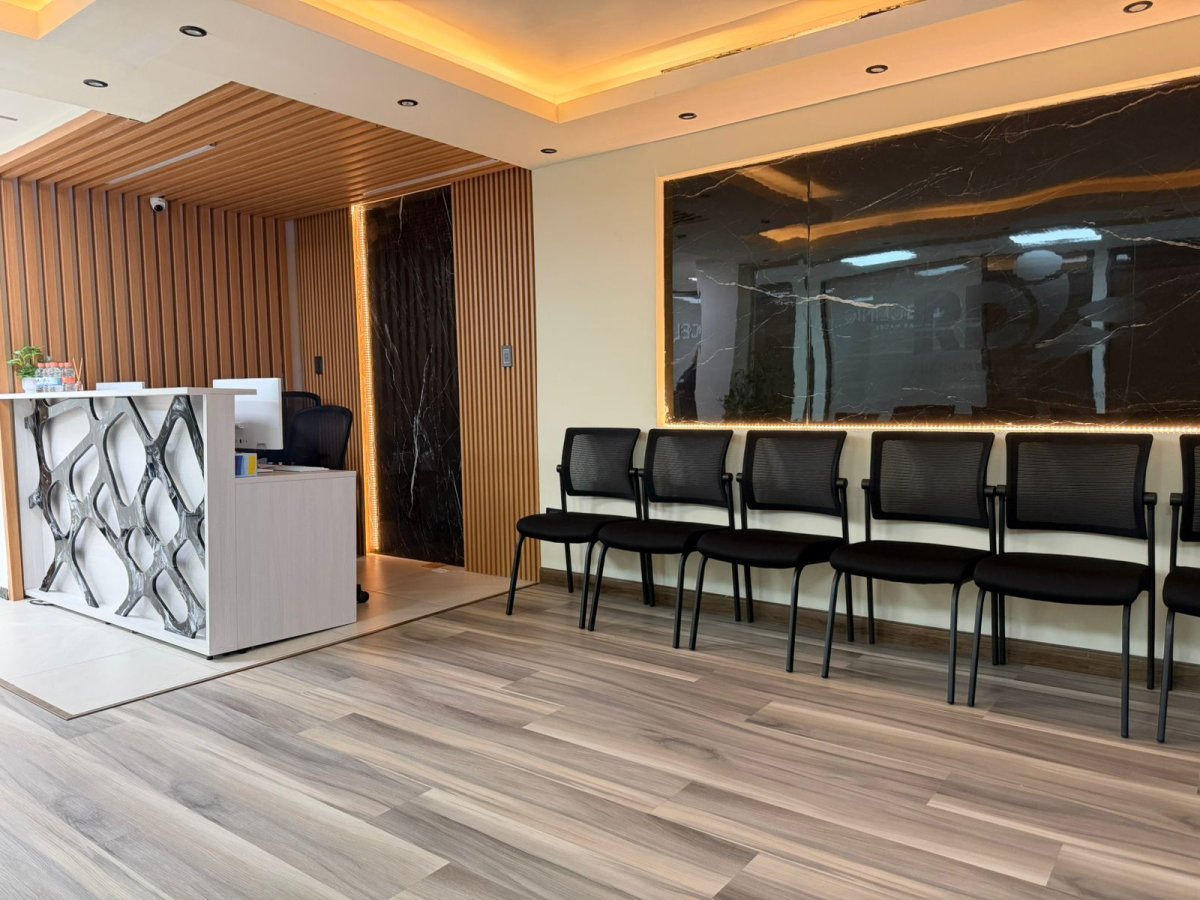



Advance Health Medical Center

Giostar Stem Cell Therapy | Cancun Clinic

Advanced Regenerative Center - ARC STEM CELLS
Hernán Flores



Get a Medical Assessment for Injuries of bones and joints Treatment in Mexico: Consult with 10 Experienced Doctors Now
View all Doctors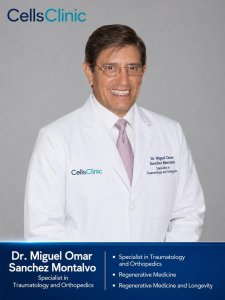
Miguel Omar Sánchez Montalvo

Francisco Rafael Hernandez Perez
Edgar Jesus Partida De Haro
- Dr. Edgar Jesus Partida De Haro specializes in treating injuries of bones and joints.
- He utilizes advanced arthroscopic surgery, joint reconstruction, and non-surgical methods such as physical therapy.
- He completed international training in traumatology and orthopedics, with fellowships at medical institutions in the USA and Germany.
- He is certified in Orthopedic Surgery and is a member of the International Society of Arthroscopy, Knee Surgery, and Orthopedic Sports Medicine.
- Fluent in English and Spanish, he effectively communicates with a diverse range of patients.
Hernán Flores
Specialist in Physical Medicine and Rehabilitation – Dr. Flores is certified and recertified by the Mexican Board of Rehabilitation Medicine.
- Medical Doctor registered with the Directorate General of Professions
- Registry with the Ministry of Health
- Focuses on regenerative treatments for bone and joint injuries
Share this content
Video Stories from Bookimed Patients
 Anna Leonova
Expert Overview about Injuries of bones and joints Treatment in Mexico
Is the quality of orthopedic care in Mexico comparable to the U.S. or Canada?
High-tier private orthopedics in Mexico provide quality matching the U.S. and Canada for joint and bone treatments. Facilities in Monterrey and Cancun utilize FDA-approved implants and advanced regenerative techniques. Many specialists hold international certifications. Patients typically experience significantly shorter wait times for elective surgeries.
- Specialist credentials: Many surgeons maintain memberships in the American Academy of Orthopaedic Surgeons.
- Advanced technology: Clinics utilize ultrasound-guided interventions and mesenchymal stem cell therapies for joints.
- Accreditation standards: Top-tier hospitals often hold Joint Commission International accreditation for patient safety.
- Recovery protocols: Programs frequently include intensive physical therapy and long-term post-operative follow-up care.
Bookimed Expert Insight: Mexico has become a global hub for regenerative orthopedics beyond standard surgery. While the U.S. often limits cellular treatments, clinics like Stem Solutions and Advanced Regenerative Center offer high-dose umbilical cord tissue protocols. These facilities serve over 5,000 international patients annually. Choosing Monterrey or Cancun ensures access to specialists like Dr. Hernán Flores, who leads national rehabilitation boards.
Patient Consensus: Patients note that private hospitals in border cities provide identical titanium implants to those used in the U.S. Many report faster recovery times and praise surgeons who completed fellowships at North American institutions.
Are the surgeons in Mexico properly qualified?
Surgeons in Mexico are highly qualified, with many holding dual certifications from Mexican and international boards. Top specialists often complete residencies or fellowships in the U.S. or Europe. Leading facilities maintain General Health Council (CSG) accreditation, ensuring strict adherence to global safety protocols.
- Medical licensing: Doctors must hold a Cédula Profesional and specialty-specific federal licenses.
- Board certification: Qualified orthopedic experts are typically certified by the Mexican Board of Rehabilitation Medicine.
- International training: Many practitioners pursue advanced fellowships in joint reconstruction and arthroscopic surgery abroad.
- Facility standards: Top-tier centers often hold Joint Commission International or CSG national accreditation.
Bookimed Expert Insight: Data shows a high concentration of expertise in Monterrey and Puerto Vallarta among rehabilitation specialists. For example, Dr. Hernán Flores is the founding president of the Mexican College of Rehabilitation Medicine of Nuevo León. Such leadership roles often signal a higher level of clinical authority and experience in complex regenerative treatments.
Patient Consensus: Patients note that many surgeons have performed over 10,000 procedures and use advanced robotics for faster recovery. They emphasize the importance of verifying hospital accreditations to ensure the highest safety standards during joint repairs.
What kind of implants and technology do they use?
Orthopedic centers in Mexico utilize high-grade titanium and cobalt-chrome implants from global brands like Stryker, Zimmer Biomet, and Smith & Nephew. Surgeons integrate robotic-assisted systems and 3D-printing technology. Regenerative protocols often combine these implants with umbilical cord-derived mesenchymal stem cells to enhance joint recovery.
- Robotic systems: Mako and ROS robotic-assisted platforms ensure precise implant positioning and alignment.
- Custom implants: 3D-printed titanium components are tailored to a patient's specific bone anatomy.
- Regenerative biologics: Ultrasound-guided mesenchymal stem cell injections support tissue healing post-surgery.
- Diagnostic precision: High-resolution MRI and CT scans facilitate detailed preoperative mapping for joint reconstructions.
Bookimed Expert Insight: Data shows that Mexico's leading regenerative centers, such as Advanced Regenerative Center - ARC STEM CELLS, treat over 1,200 patients annually using evidence-based protocols. While many seek standard replacements, combining surgery with high-dose stem cell packages (up to 250 million cells) is a growing trend for complex bone injuries and chronic joint degeneration.
Patient Consensus: Patients emphasize that top Mexican hospitals provide the exact same U.S.-standard prosthetics from brands like DePuy Synthes at a fraction of the cost. Many advise requesting the serial number and batch certificate for any implanted device to ensure long-term compatibility and authenticity.
What is included in a medical tourism package?
A medical tourism package in Mexico for bone and joint treatments bundles surgical or regenerative procedures with essential travel logistics. These typically include specialist consultations, the core procedure, local transfers, and often 4-star or 5-star hotel stays for recovery. Standard packages simplify coordination for international patients.
- Medical services: Procedure fees, doctor consultations, and necessary medical supplies are standard inclusions.
- Diagnostic imaging: Packages often include specialized diagnostics like musculoskeletal ultrasound or orhopedic consultations.
- Luxury accommodation: Most offers include 3 to 4 nights in 4-star or 5-star hotels.
- VIP logistics: Dedicated transfers between the airport, hotel, and clinic are almost always provided.
Bookimed Expert Insight: Analysis of Mexican regenerative packages shows a shift toward high-cell-count protocols as a value differentiator. While basic options start at $4,000, premium packages like those at Stem Solutions often reach $20,000 by bundling 250 million mesenchymal stem cells with exosome therapy and vitamin infusions. Choosing these bundled `megadoses` often proves more cost-effective than booking multiple smaller injections separately.
Patient Consensus: Patients note that while surgery and transfers are usually covered, it is vital to budget an extra 20% for extended physical therapy. They emphasize getting a written list of inclusions to avoid surprise charges for hardware adjustments or specific post-operative medications.
How long must I stay in Mexico after my procedure?
Patients should stay in Mexico for 3 to 14 days depending on the procedure type. Simple regenerative treatments like stem cell injections require 2 to 3 days. Major surgeries like joint replacements or reconstructions typically necessitate a 10 to 14-day stay for safety.
- Stem cell therapy: Most packages at Stem Solutions include a 3-day stay in a 4-star hotel.
- Regenerative protocols: Aura Regenerative Center offers 4-day programs including 3 nights in a hotel.
- Major joint surgery: Surgeons recommend staying 14 days to monitor for clots and manage initial swelling.
- Suture removal: Initial healing and stitch removal usually occur between 7 and 14 days post-operation.
Bookimed Expert Insight: Bookimed data shows a clear trend where regenerative clinics like Stem Solutions and Aura Regenerative Center bundle 2 to 3 hotel nights into their prices. This suggests that while these are out-patient procedures, doctors prefer patients to remain local for 72 hours to monitor the initial biological response. For surgical bone deformity correction or joint revisions, the risk of travel-related complications like deep vein thrombosis is higher, making a 14-day stay the safest benchmark.
Patient Consensus: Patients note it is important to stay at least 10 days for weight-bearing joint work to ensure they can manage the flight home. Many suggest starting physical therapy in Mexico before departing to reduce the risk of re-injury during travel.
Will my U.S. or Canadian health insurance cover the treatment?
Most U.S. and Canadian health insurance plans do not cover elective orthopedic treatments in Mexico. Coverage is typically limited to emergency care. Medicare and provincial plans like OHIP or MSP rarely reimburse for scheduled bone and joint procedures performed outside your home country.
- Medicare limitations: U.S. government programs generally do not pay for any medical care in Mexico.
- Provincial reimbursement: Canadian plans may only cover $75 to $400 per day for emergencies.
- Private insurers: Most domestic plans exclude international treatment unless part of a pre-approved arrangement.
- Verification required: Insurers often demand English records and surgeon credentials to consider any reimbursement.
Bookimed Expert Insight: While insurance rarely covers the procedure, patients can often use Health Savings Accounts (HSA) or Flexible Spending Accounts (FSA) for Mexico-based treatments. Many clinics like Aura Regenerative Center provide COFEPRIS-approved documentation and full traceability for cellular products. This formal medical data is essential for justifying these as qualified medical expenses to tax authorities or account administrators.
Patient Consensus: Patients note that getting pre-authorization in writing before traveling is essential, though most still pay out-of-pocket upfront. They emphasize requesting all medical records in English immediately after surgery to avoid significant translation delays during the claims process.
Is language a barrier during treatment?
Language is rarely a significant barrier for orthopedic treatment in Mexico at major international clinical centers. Most orthopedic surgeons in tourist-heavy cities like Cancun, Monterrey, and Tijuana undergo training in the United States or Canada. Clinical coordinators and medical staff at these facilities typically maintain high English proficiency.
- Medical expertise: Surgeons often hold international certifications and speak fluent English for consultations.
- Support staff: Patient coordinators handle all communication and logistics in English for international patients.
- Accreditation standards: Facilities with CSG accreditation by the General Health Council of Mexico prioritize patient safety.
- Package inclusions: Many bundles include dedicated transfers and coordinators to bridge any communication gaps.
Bookimed Expert Insight: Data shows that clinics in Monterrey and Puerto Vallarta, such as Stem Solutions and Immunotherapy Regenerative Medicine, specifically design services for US and Australian patients. These centers often employ multidisciplinary teams including nutritionists and biophysicists who communicate complex protocols in English. Choosing a clinic with high international patient volumes usually guarantees a seamless, English-speaking experience from diagnosis to recovery.
Patient Consensus: Patients note that while housekeeping or billing staff may have limited English, the surgical and nursing teams are usually bilingual. Many recommend using translation apps for quick interactions with non-medical staff to ensure all instructions are perfectly understood.