Fertilidad Integral Mexico City
Mexico, Mexico City


Medically reviewed by
Fahad Mawlood
Artificial Insemination in Mexico typically costs from $700 to $1,400 per cycle. Final pricing depends on the medication protocol, clinic location, and number of monitoring sessions required. Patients save approximately 42% compared to the US, where the average cost is $1,900. Quotes usually include specialist consultations, sperm preparation, the insemination procedure, and follow-up pregnancy testing.
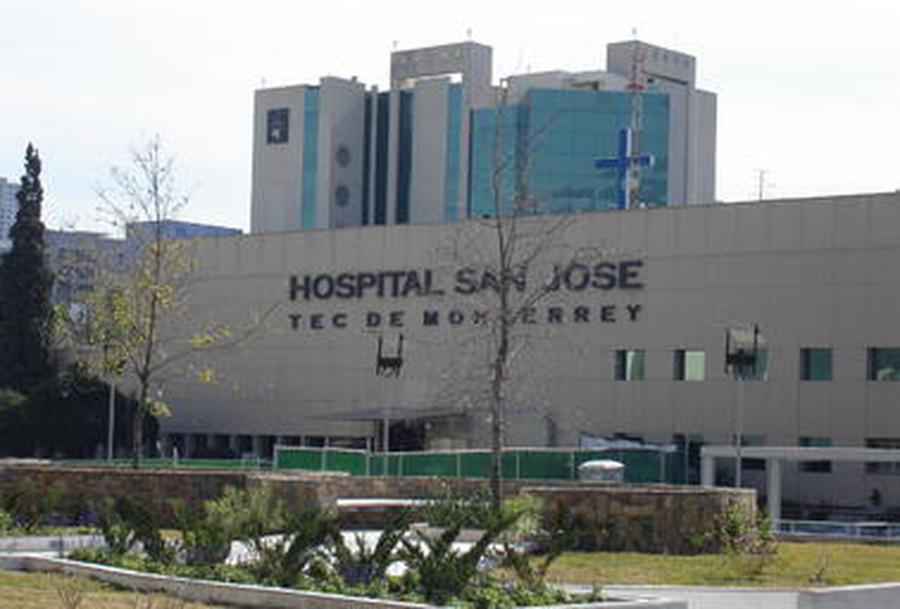
Bookimed Expert Insight: Choosing a clinic with international accreditation provides high-value security without US prices. Hospital San José Tec de Monterrey holds JCI accreditation, while Provida is MTQA certified. Some specialists, like Dr. Everardo Treviño Ortiz, bring expertise from US and UK institutions. This global training ensures advanced protocols, such as DuoStim, are available in Mexico for approximately $1,050.
| Mexico | Turkey | Austria | |
|---|---|---|---|
| Artificial Insemination | from $700 | from $770 | ≈ $700 |
No hidden fees – just official clinic prices. Pay at the clinic for Artificial Insemination upon arrival and use a flexible installment plan if needed.
Bookimed is committed to your safety. We only work with medical institutions that maintain high international standards in Artificial Insemination and have the necessary licenses to serve international patients worldwide.
Bookimed offers free expert assistance. A personal medical coordinator supports you before, during, and after your treatment, solving any issues. You're never alone on your Artificial Insemination journey.

Artificial insemination in Mexico can offer significant cost savings, but it's crucial to weigh the potential benefits against the risks.
| Pros | Cons |
|---|---|
| Lower costs. Artificial insemination costs $500–$1,500 per cycle in Mexico versus $3,000+ in the US, offering up to 50% savings. | Safety concerns. Potential risks include a 1–2% infection rate and mild ovarian hyperstimulation, similar to global averages. These risks are minimized when performed by qualified specialists. |
| Qualified specialists. Fertility doctors are certified by Mexican medical boards, often trained in US or European programs, and have performed hundreds of procedures. | Follow-up care. Coordinating follow-up visits or addressing complications may require additional travel or remote consultations. |
| Modern facilities. Clinics in hubs like Tijuana and Cancun use ultrasound-guided insemination, ISO-certified labs, and equipment from leading brands such as GE and Siemens. | Different regulatory standards. COFEPRIS oversees clinics, which may differ from FDA standards. However, many clinics follow international protocols and maintain ISO accreditation. |
| Flexible donor options. Clinics offer a broad catalogue of sperm donors, with options for both own or donor sperm, and tailored medication protocols. | Success rate variability. Success rates for IUI average 10–20% per cycle, comparable to the US, but depend on individual factors. |
| Personal coordinator support. Bookimed’s medical coordinator helps compare clinics, request personalized quotes, and manage treatment logistics at no additional cost. |
It's crucial to thoroughly research clinics and verify surgeon credentials before making a decision. Patients should carefully research and choose reputable providers to maximize safety and success when seeking artificial insemination in Mexico.
The best Artificial Insemination clinics in Mexico hold JCI and General Health Council accreditations, operating in cities like Cancún and Mexicali. According to Bookimed’s ranking, the top clinics are Fertilidad Integral Mexico City, Hospital de la Familia, and Advanced Fertility Center Cancun. They stand out for board-certified fertility specialists, expertise in preimplantation genetic screening, and Consejo de Salubridad General certification. When choosing a provider, look for certified reproductive endocrinologists, national accreditations, and proven patient satisfaction, with cost-effective care. Always consult a qualified fertility specialist before making a decision.
Day 1
Day 2
Day 3
Day 4
Day 8-14
Day 15
Day 16
Day 17
Week 2-3 Post Procedure
Please note that each case is individual and the timeline may vary depending on specific medical conditions and response to treatment.
What patients like:
What patients don't like:
The best candidates for artificial insemination in Mexico are individuals in good overall health who have a diagnosed cause of infertility or require assisted reproduction and have realistic expectations about the results.
Ideal candidates should be:
Patients with untreated reproductive tract infections or severe tubal blockage are not suitable candidates. Artificial insemination is not a solution for severe male infertility or advanced maternal age-related infertility.
" }
Specializes in fertility and high-risk pregnancies – Esther Iyune Cojab is trained in advanced reproductive biology.

Pioneered research on GnRH antagonists in Mexico and introduced Double Stimulation protocols at Advanced Fertility Center Cancún.

Dr. Jose Rojas is a fertility specialist and a founder of Hospital de la Familia in Mexicali. He specializes in gynecology and obstetrics surgery. Dr. Rojas is certified by the Mexican Council of Gynecology and Obstetrics Surgery. He performs procedures for complex cases like endometriosis and polycystic ovaries.
 Anna Leonova

Reputable fertility clinics in Mexico are safe and regulated by the Federal Commission for the Protection Against Sanitary Risks (COFEPRIS). Premier centers follow international medical protocols and laboratory standards set by the Latin American Network of Assisted Reproduction (RedLARA) to ensure patient safety and high success rates.
Bookimed Expert Insight: While general health standards are high, laboratory quality varies significantly between providers. Data shows centers like Advanced Fertility Center Cancun integrate advanced DuoStim protocols and specialized reproductive surgery. Look for clinics where lead embryologists hold international fellowships to ensure donor tissue and embryo handling match Western standards.
Patient Consensus: Patients emphasize that laboratory setup and physician experience matter more than just price. Many warn to verify all medication and monitoring costs upfront to avoid unexpected expenses during the cycle.
Success rates for artificial insemination in Mexico typically range from 10% to 20% per treatment cycle. These figures align with global standards and reflect the average probability of natural conception. Outcomes are heavily influenced by maternal age, sperm quality, and the number of treatment attempts performed.
Bookimed Expert Insight: While single-cycle success stays consistent with global norms, Mexico's lower costs allow patients to afford three or more cycles. Data shows most successful outcomes occur within four attempts. High-volume centers like Advanced Fertility Center Cancun manage 1,100 patients annually using advanced protocols like DuoStim.
Patient Consensus: Patients emphasize that success is rarely guaranteed on the first try. Many prioritize thorough initial diagnostics to determine if multiple cycles or immediate IVF is better.
Ideal candidates for artificial insemination in Mexico are women under age 37 with at least one confirmed open fallopian tube and healthy ovarian reserve. This procedure is highly effective for those navigating mild male-factor infertility, unexplained fertility delays, or controlled ovulation issues like PCOS.
Bookimed Expert Insight: While IUI costs between $700 and $1,400, savvy patients use it as a strategic bridge. Data shows success typically occurs within 2–4 cycles. If pregnancy does not happen by the fourth attempt, top-rated Cancún clinics often recommend transitioning directly to IVF.
Patient Consensus: Many individuals choose Mexico for the emotional relief of inclusive laws and professional donor banks. Patients frequently advise getting a full fertility workup before traveling to ensure IUI is medically viable for your specific counts.
Mexico maintains highly flexible laws for fertility treatments, offering broad access to artificial insemination, IVF, and genetic screening. The Mexican General Law of Health protects reproductive rights for single women, LGBTQ+ individuals, and unmarried couples. Federal regulations impose few restrictions on donor use or gender selection.
Bookimed Expert Insight: While federal law is permissive, clinic-level protocols vary significantly. For instance, Advanced Fertility Center Cancun serves 1,100 patients annually using advanced DuoStim protocols, yet other facilities may lack similar specialized experience. Always confirm if a clinic holds CSG Accreditation from the General Health Council of Mexico to ensure federal safety standards are met.
Patient Consensus: Patients value the rapid scheduling and lower barriers compared to the US. However, many emphasize the need to get all consent forms and donor screening details in writing before traveling.
International patients, single women, and couples can legally use donor sperm for artificial insemination in Mexico. Mexican fertility centers operate under a flexible legal framework regulated by COFEPRIS and CENATRA. Most clinics utilize anonymous donor banks that screen for infectious diseases, genetic conditions, and psychological health.
Bookimed Expert Insight: Cancun has become a major hub for donor-based procedures due to high patient volume. Advanced Fertility Center Cancun serves over 1,100 patients annually with specialized reproductologists. Choosing a high-volume center often ensures more diverse, readily available donor pools and smoother logistics for imports.
Patient Consensus: Patients emphasize choosing clinics experienced in cross-border care to simplify complex paperwork. Many recommend confirming in advance if a facility accepts samples from external international sperm banks.
Patients typically need to stay in Mexico for 3 to 7 days for artificial insemination. This window covers final follicular monitoring, the insemination procedure, and a rest period. If you coordinate cycle monitoring at home first, your required time in-country can be significantly reduced.
Bookimed Expert Insight: Data from centers like Advanced Fertility Center Cancun shows they serve over 1,100 international patients annually. To minimize your stay, ensure your semen sample is processed or shipped before you arrive. This logistical step prevents delays and allows you to focus purely on the medical timing of your cycle.
Patient Consensus: Many patients describe this as a quick trip if the timing is set. Most suggest avoiding tight flight schedules because the fertile window can shift unexpectedly by a day or two.