Phalloplasty in Mexico — Get 3 Top Clinic Matches with Costs
Phalloplasty in Mexico costs $5,400 to $24,000, about 73% less than the US average of $55,000 (Bookimed data, November 2026). It is offered by Hospital de la Familia, a CSG-certified clinic in Mexicali. The clinic is rated 4.2/5 in 45 verified patient reviews on Bookimed.

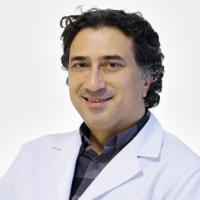
Medically reviewed by
Ergin Er
How Much Does Phalloplasty Cost in Mexico?
Phalloplasty in Mexico typically costs from $5,400 to $24,000. Final prices depend on surgical technique, clinic location, and necessary staging. Patients save around 73% compared to the US average of $55,000. Standard packages usually include surgeon fees, anesthesia, hospital stays, pre-operative tests, and local transfers between the airport and clinic.
- Surgical technique: Choosing specific flaps like radial forearm or abdominal impacts the price.
- Medical hubs: Major centers operate in Mexico City, Tijuana, Cancún, and Guadalajara.
- Clinic tier: Costs vary based on hospital facilities and specialized surgical equipment used.
- Surgeon expertise: Board-certified specialists with ASPS or AMCPER memberships often command higher fees.
Bookimed Expert Insight: Mexico offers a unique value for complex reconstructions due to high-volume specialized centers. The José Cortés Institute in Mexico City treats 2,500 patients annually with ISAPS-certified expertise. Many facilities like Hospital de la Familia are located steps from the border. This proximity reduces travel costs for North American patients while maintaining high-quality surgical outcomes.
| Mexico | The USA | Turkey | |
|---|---|---|---|
| Phalloplasty | from $5,400 | ≈ $40,000 | from $3,000 |
Factors affecting Phalloplasty cost in Mexico
Cost variables to consider:
- Board-certified plastic surgeons with AMCPER or ISAPS credentials can charge 25%–35% more for their expertise.
- Clinics accredited by JCI or affiliated with ASPS may charge 15%–20% more.
- Procedures performed in major cities like Cancun or Mexico City can cost up to 30% more due to medical tourism demand.
- Choice of flap technique (radial forearm, ALT, or abdominal) can impact costs by 20%–35% due to surgical complexity and material needs.
- Use of penile implants (prosthetics) can add $4,000–$7,000 or increase total cost by 15%–20%.
- Extended hospital stay for complex cases can increase costs by $1,500–$2,500, or 10%–15% overall.
Your Benefits and Guarantees with Bookimed
Transparent Prices & Flexible Installments
No hidden fees – just official clinic prices. Pay at the clinic for Phalloplasty upon arrival and use a flexible installment plan if needed.
Verified Clinics & Doctors Only
Bookimed is committed to your safety. We only work with medical institutions that maintain high international standards in Phalloplasty and have the necessary licenses to serve international patients worldwide.
Free 24/7 Assistance
Bookimed offers free expert assistance. A personal medical coordinator supports you before, during, and after your treatment, solving any issues. You're never alone on your Phalloplasty journey.

Your personal Bookimed medical coordinator
- Supports you at every stage
- Helps choose the right clinic and doctor
- Ensures quick and convenient access to information
Phalloplasty in Mexico: Pros and Cons
Phalloplasty in Mexico can offer significant cost savings, but it's crucial to weigh the potential benefits against the risks.
| Pros | Cons |
|---|---|
| Lower costs. Phalloplasty in Mexico typically costs $8,950–$15,500, compared to $30,000–$60,000 in the US, offering savings of 60–75%. | Safety concerns. Potential risks include infection (reported rates 2–5%), graft failure, or complications with implants. These risks are similar to those in the US when performed by qualified surgeons. |
| Qualified surgeons. Surgeons are certified by the Mexican Council of Plastic Surgery (CMCPER), with many trained in US or European fellowship programs and 10+ years of experience. | Follow-up care. Managing post-surgical care from abroad can be challenging. Some clinics offer telemedicine, but complex revisions may require travel. |
| Modern facilities. Procedures are performed in ISO- and JCI-accredited hospitals using equipment from leading brands such as Stryker and Medtronic. | Different regulatory standards. COFEPRIS standards differ from the FDA, but top clinics follow international protocols and use FDA-approved materials. |
| Comprehensive packages. Many clinics include pre-op, medication, transport, and short hospital stays, streamlining the experience for international patients. | Procedure-specific risks. Potential risks include urinary complications (reported in up to 10% of cases) and sensation issues. Careful technique and experienced surgeons lower these risks. |
| Personal coordinator support. Bookimed’s medical coordinator helps compare clinics, request personalized quotes, and manage treatment logistics at no additional cost. |
It's crucial to thoroughly research clinics and verify surgeon credentials before making a decision. Provided patients carefully research and choose reputable providers, phalloplasty in Mexico can offer quality outcomes at a reduced cost.
Discover the Best Phalloplasty Clinics in Mexico: 6 Verified Options and Prices
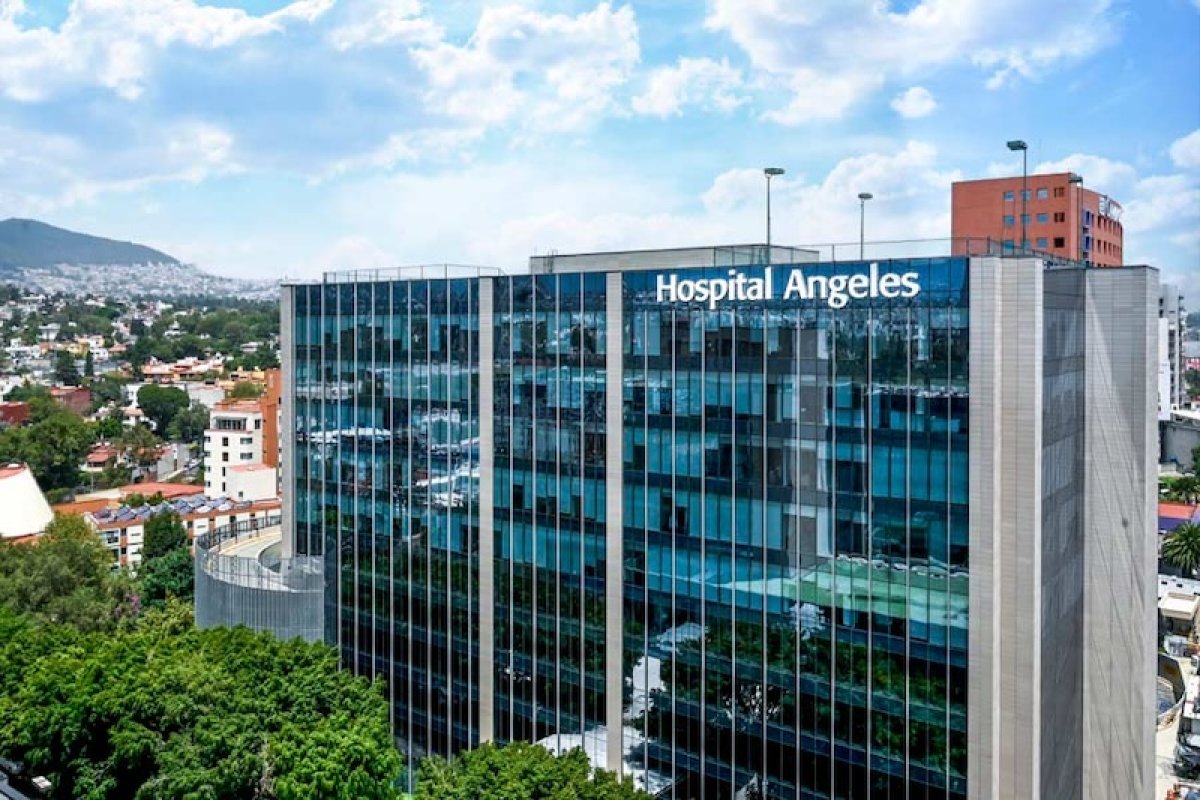
The best phalloplasty clinics in Mexico are accredited by the CMCPER, upholding high clinical standards in cities like Mexico City, Mexicali, and Cancun. According to Bookimed’s ranking, the top clinics are Hospital de la Familia, Advance Health Medical Center, and José Cortés Institute. They stand out for board-certified plastic surgeons, international accreditations from ISAPS and ASPS, and clinics serving thousands of patients yearly. When choosing a provider, look for CMCPER certification, international society memberships, and proven surgical outcomes, with cost-effective care. Always consult a qualified plastic surgeon before making a decision.



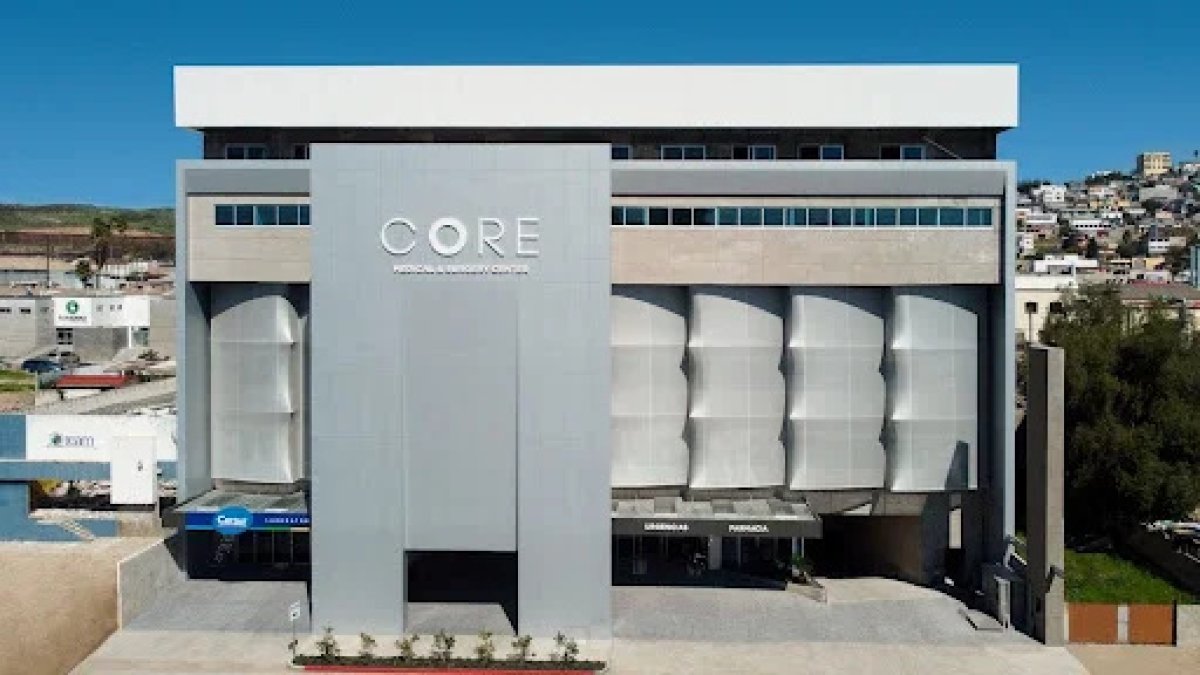
Advance Health Medical Center

José Cortés Institute
Jose Cortes







PLASTIKS Plastic Surgery Center
Phalloplasty in Mexico: Your Travel Plan
Day 1: Arrival in Mexico
- You should arrive in Mexico, preferably in Tijuana BC or Mexicali, as these are common locations for phalloplasty procedures.
- Check into your pre-booked accommodation. Ensure it's close to the clinic where your procedure is scheduled.
- Rest and acclimate to the local environment. This is crucial for your body to be in optimal condition for the upcoming surgery.
- Keep communication lines open with the clinic. Confirm your appointment and any pre-surgery instructions you received.
Day 2: Pre-Surgery Consultation
- Attend a pre-surgery consultation at the clinic. Discuss any last-minute questions or concerns with your surgeon.
- Undergo necessary pre-operative diagnostics, such as blood tests or imaging, to ensure you are fit for surgery.
- Discuss the two available methods for phalloplasty: implant placement or fat injection. Understand the specifics of each, including expected results and recovery times.
- Confirm the type of anesthesia that will be used and any associated risks.
- Follow any pre-surgery instructions provided, such as fasting or medication adjustments.
Day 3: Surgery Day
- Arrive at the clinic at the scheduled time. Ensure you have all necessary documents and identification with you.
- Undergo the phalloplasty procedure as planned. The surgery may involve either the placement of an implant for increased length and girth or fat injections for girth enhancement.
- Post-surgery, you will be taken to a recovery area where medical staff will monitor your initial recovery from anesthesia.
- Once stable, you may be transferred back to your accommodation or advised to stay in a nearby facility for further observation.
Day 4: Immediate Post-Operative Care
- Follow all post-operative care instructions provided by your surgeon. This may include wound care, medication for pain management, and activity restrictions.
- Avoid strenuous activities and follow any specific guidelines regarding movement and positioning to aid recovery.
- Stay in contact with the clinic for any immediate concerns or complications. They should provide a contact number for emergencies.
- Begin documenting your recovery process. Note any unusual symptoms or concerns to discuss in follow-up appointments.
Days 5-7: Early Recovery Phase
- Continue following post-operative care instructions. Focus on managing swelling and discomfort.
- Attend any scheduled follow-up appointments at the clinic to assess your healing progress.
- Maintain open communication with the clinic staff for any questions or concerns about your recovery.
- Ensure you are consuming a healthy diet and staying hydrated to support your body's healing process.
Days 8-14: Transition to Normal Activities
- Gradually resume normal daily activities as advised by your surgeon. Avoid any activities that may strain the surgical area.
- Continue attending follow-up appointments to monitor your recovery and discuss any concerns with your surgeon.
- Be vigilant for signs of infection or complications, such as excessive swelling, redness, or unusual discharge. Report these immediately to the clinic.
- Focus on maintaining a positive mindset and patience, as full recovery and final results may take several weeks to months.
Day 15: Departure and Follow-Up Plan
- Prepare for your journey back home. Ensure you have all necessary post-operative care instructions and contact information for your surgeon in case of questions once you return home.
- Discuss a long-term follow-up plan with your surgeon, including any future appointments or additional procedures that may be necessary.
- Ensure you have a support system in place at home to assist with any continued recovery needs.
- Reflect on your experience and prepare to integrate the changes into your daily life. Understand that full results will continue to develop over time.
Our Doctors
View all DoctorsJose Cortes
Dr. Jose Cortes is a plastic surgeon and pioneer of ultrasonic rhinoplasty in Mexico. He founded the José Cortés Institute in Mexico City. Dr. Cortes focuses on mommy makeovers, body contouring, and facial rejuvenation. He is a member of the American Society of Plastic Surgeons.
- Voted Mexico’s most valued plastic surgeon via the Doctoralia Awards.
- Published over 10 scientific articles in journals across Mexico and Japan.
- Completed high specialty training in facial, body, and craniofacial surgery.
- Holds certifications from AMCPER, the American Cleft Palate-Craniofacial Association, and IFATS.
Video Stories from Bookimed Patients
Reviews about Bookimed: Discover Patients' Insights
All reviews


Share this content
 Anna Leonova

FAQ about Phalloplasty in Mexico
How do I verify the credentials of a phalloplasty surgeon in Mexico?
To verify a phalloplasty surgeon in Mexico, you must confirm they hold a Cédula Profesional for general medicine and a specialized Cédula de Especialidad for plastic surgery. Valid surgeons must have active certification from the Mexican Council of Plastic, Aesthetic and Reconstructive Surgery (CMCPER).
- License verification: Search the National Registry of Professionals (Registro Nacional de Profesionistas) for dual federal licenses.
- Board status: Confirm active certification through the CMCPER directory, which surgeons must renew every 5 years.
- Hospital accreditation: Ensure the facility holds a COFEPRIS sanitary license and CSG accreditation for safety.
- Specialized memberships: Look for membership in the American Society of Plastic Surgeons (ASPS) or ISAPS.
Bookimed Expert Insight: While many Mexican clinics hold general CSG accreditation, phalloplasty requires advanced microsurgery support. Clinics like José Cortés Institute maintain high success rates by focusing strictly on plastic surgery specialties rather than general medicine. When browsing, prioritize surgeons who have performed at least 100+ phalloplasty procedures to ensure they can manage complex urethral or flap complications effectively.
Patient Consensus: Experienced patients recommend asking specifically about flap loss rates and urethral strictures rather than accepting general success claims. Trust surgeons who provide a detailed surgical plan and openly discuss the high reality of potential revisions.
Are mental health or referral letters required to get surgery in Mexico?
Mexican law does not strictly mandate mental health or referral letters for surgery. However, clinics performing gender-affirming procedures like phalloplasty frequently require them to ensure patient safety. Many Mexican surgeons follow International Society of Aesthetic Plastic Surgery (ISAPS) or WPATH guidelines, necessitating a formal psychological evaluation before proceeding.
- Clinic policy: Surgeons often require one or two mental health letters for gender-affirming surgeries.
- Insurance requirements: International insurance providers typically demand formal referral letters for claim approval.
- In-house screening: Some facilities bundle psychological assessments directly into the pre-operative package.
- Alternative records: Hormone therapy history or prior medical notes may substitute for referral letters.
- Border travel: An official medical appointment confirmation helps facilitate smooth immigration at the border.
Bookimed Expert Insight: While some clinics appear flexible, those with high success rates, such as José Cortés Institute, maintain rigorous screening. Our data suggests top-tier surgeons use these letters to tailor post-operative recovery plans rather than just for gatekeeping. Having your mental health letter prepared in advance frequently accelerates the surgical approval process by several weeks.
Patient Consensus: Patients find that Mexican clinics often treat these letters as a formality for informed consent. The process feels more accessible and less restrictive than navigating the insurance-heavy medical systems in the United States.
Will I be able to urinate standing up after the procedure?
Standing urination after phalloplasty in Mexico depends entirely on performing urethral lengthening during your surgery. Patients who include this step can eventually urinate from the tip of the new phallus. This transition usually occurs several months post-op after the surgical team confirms the internal connection has fully healed.
- Urethral lengthening: This specific surgical step is required to enable standing urination after recovery.
- Urinary catheter: You will use a temporary catheter for weeks to manage urine flow.
- Healing timeline: Clearances for standing urination typically happen months after the initial procedure.
- Functional priorities: Many patients prioritize sensation or aesthetics over standing urination to lower risks.
Bookimed Expert Insight: Phalloplasty costs in Mexico range from $5,400 to $24,000, which is roughly 73% lower than US averages. While the savings are significant, verify if your chosen surgeon at centers like José Cortés Institute holds Mexican Council of Plastic Surgery (CMCPER) certification. Specialized reconstructive experience is the strongest predictor of long-term urinary success.
Patient Consensus: Standing urination is often a best-case goal rather than a guarantee, as some find the stream messy or weak initially. Many patients emphasize that stabilization requires patience, multiple follow-ups, and potentially minor revisions to achieve a consistent flow.
Are sexual sensation and penetration possible after phalloplasty?
Sexual sensation and penetration are possible after phalloplasty. Most patients achieve erogenous sensation through nerve hookups and clitoral burial. Penetrative intercourse typically requires a secondary surgery for a penile implant to provide the necessary rigidity for successful penetration.
- Erogenous sensation: Surgeons preserve clitoral tissue and connect nerves to the new phallus.
- Penetrative capability: Most patients need an erectile prosthetic device to achieve sufficient rigidity.
- Nerve regrowth: Tactile and erotic feelings develop gradually over months or even years.
- Orgasm potential: Many patients report the ability to reach orgasm through various stimulation methods.
Bookimed Expert Insight: Mexico is a global hub for reconstructive surgery, ranking 2nd in our market data. Top clinics like José Cortés Institute maintain high standards with Mexican Council of Plastic Surgery (CMCPER) certifications. When planning, remember that implants are rarely done in the first stage. Patients should budget for a two-stage process to reach full penetrative function.
Patient Consensus: Many feel that erotic sensation improves significantly over time, though it feels different than before. Successful penetration relies heavily on the erectile implant rather than the phallus tissue alone.
Which donor sites and surgical techniques are available in Mexico?
Mexico offers several phalloplasty donor sites and techniques including the radial forearm free flap RFFF and anterolateral thigh ALT flap. Surgeons in hubs like Mexico City and Tijuana also perform abdominal pedicled options and multi-stage procedures involving urethral lengthening, scrotoplasty, and glans sculpting.
- Forearm donor site: The radial forearm free flap RFFF is the gold standard for sensation.
- Thigh donor site: Anterolateral thigh ALT flaps provide better scar concealment but may require debulking.
- Abdominal techniques: Suprapubic pedicled flaps are available as alternatives for specific aesthetic or medical needs.
- Surgical staging: Phalloplasty is typically completed in multiple stages rather than a single operation.
- Functional additions: Techniques include urethral lengthening, testicular implants, and placement of erectile devices.
Bookimed Expert Insight: While many clinics like José Cortés Institute show high success rates in plastic surgery, phalloplasty is specialized. Data shows Mexico is a top global destination with 22,200 requests served. Patients should choose surgeons who perform both the initial flap creation and the complex urethral reconstruction stages.
Patient Consensus: Patients emphasize that while the forearm site offers the best results, the visible scar is a major consideration. Many recommend discussing the specific number of stages and revision care access with your surgeon before traveling.
How long does it take to complete all surgical stages?
Phalloplasty in Mexico typically requires 18 to 30 months to complete all surgical stages. This complex reconstructive process involves multiple distinct operations separated by several months of healing. The timeline ensures adequate blood supply and tissue integration before proceeding to subsequent urethral, scrotoplasty, or implant stages.
- Surgical duration: Individual operations usually take 5 to 8 hours for microsurgical tissue transfer.
- Healing intervals: Patients wait 3 to 6 months between stages to allow tissue maturation.
- Total events: Most reconstructions require 3 to 4 planned stages for full functionality.
- Hospital stay: Each major stage involves 5 to 7 days of clinical monitoring.
Bookimed Expert Insight: Timeline completion often depends on the wait for urethral healing. While clinics in Mexico City or Tijuana may quote a three-stage plan, data shows that unplanned revisions for fistulas can extend the total schedule by 6 to 12 months. Choosing a surgeon at a facility like Hospital de la Familia with specialized post-operative care can help minimize these delays.
Patient Consensus: Many patients find the recovery gaps more demanding than the surgeries themselves. They often recommend booking extra time in Mexico, as unexpected minor adjustments are common before achieving the final goal of standing to pee.