Tooth Whitening in Poland — get 3 top clinic matches with costs
Tooth whitening in Poland costs $240 to $390, about 51% less than the US average of $650 (Bookimed data, November 2026). Bookimed lists 6 tooth whitening clinics in Poland, in Warsaw, Krakow, and Jelenia Góra, including ISO-certified clinics. These clinics are rated 4.3/5 in 113 verified patient reviews on Bookimed.


Medically reviewed by
Fahad Mawlood
How it works
How Much Does Tooth Whitening Cost in Poland?
Tooth whitening in Poland typically costs between $240 and $390. Prices depend on the chosen method, clinic location, and session length. In the US, similar procedures cost around $650 on average. This represents savings of approximately 51%. Most Polish clinics bundle the initial dental examination, consultation, and gum protection into this price.
- Beyond Whitening: $380 to $600 for light-accelerated professional bleaching.
- Laser teeth whitening: $300 to $380 using advanced medical lasers.
- Take-home kits: Professional tray-based systems usually cost 15-20% less than office sessions.
- Location premium: Clinics in Warsaw may charge 10-15% more than Jelenia Góra hubs.
Bookimed Expert Insight: Choosing specialized dental hubs like Albusdent Dentistry Centre in Krakow offers exceptional value. This clinic reports a 99.9% success rate for whitening using the Beyond laser system. For the best efficiency, look for specialists like Anita Walczak. She has performed over 12,000 procedures and authored books on dental prophylaxis. High-volume clinics in Poland often include professional sandblasting and scaling within their base whitening price.
| Poland | Turkey | The USA | |
|---|---|---|---|
| Tooth Whitening | from $240 | from $80 | from $400 |
| Laser teeth whitening | from $300 | from $100 | ≈ $450 |
| Beyond Whitening | ≈ $380 | from $150 | ≈ $650 |
Discover the Best Tooth Whitening Clinics in Poland: 18 Verified Options and Prices
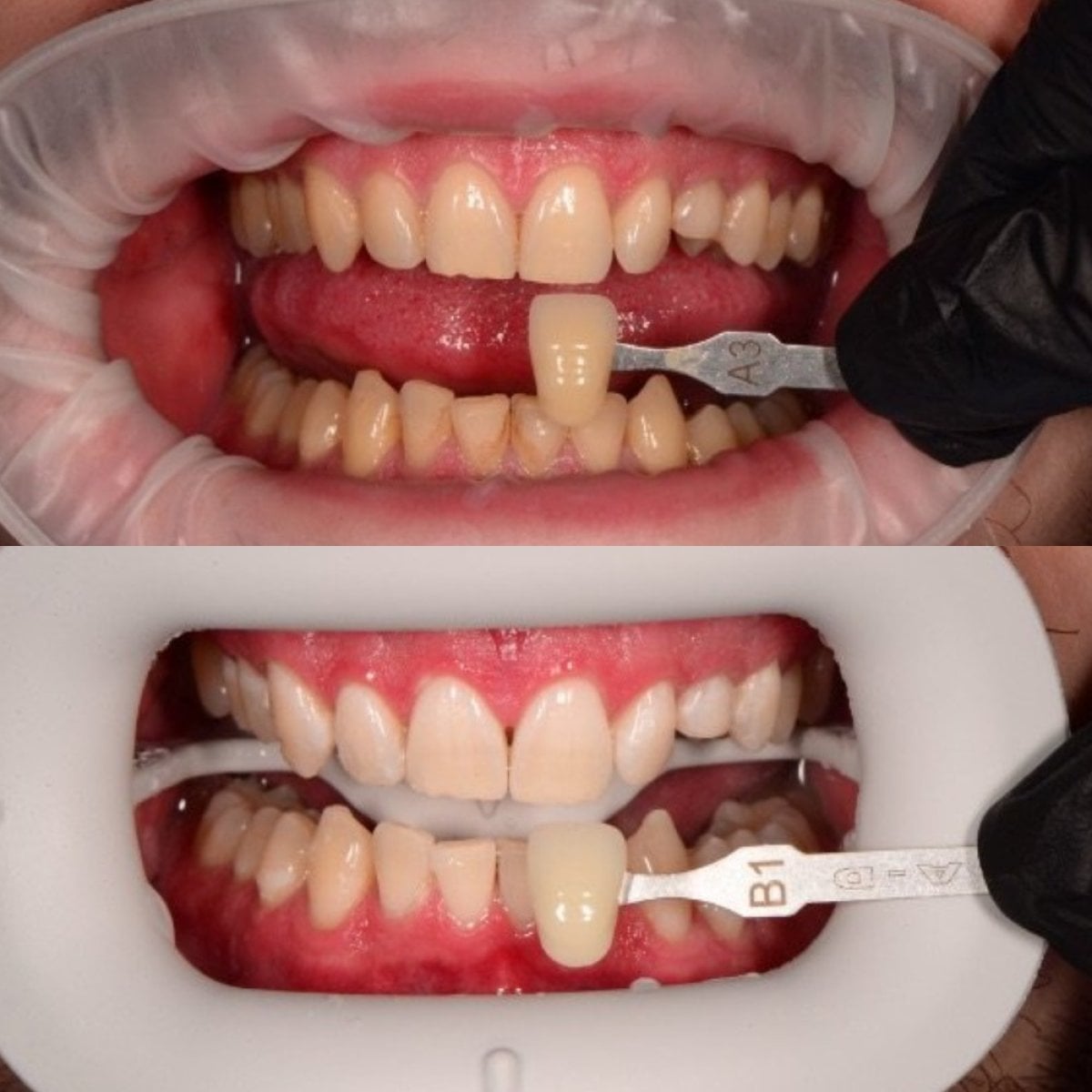




HALDENT Dental Clinic
Agnieszka Trzepatowski





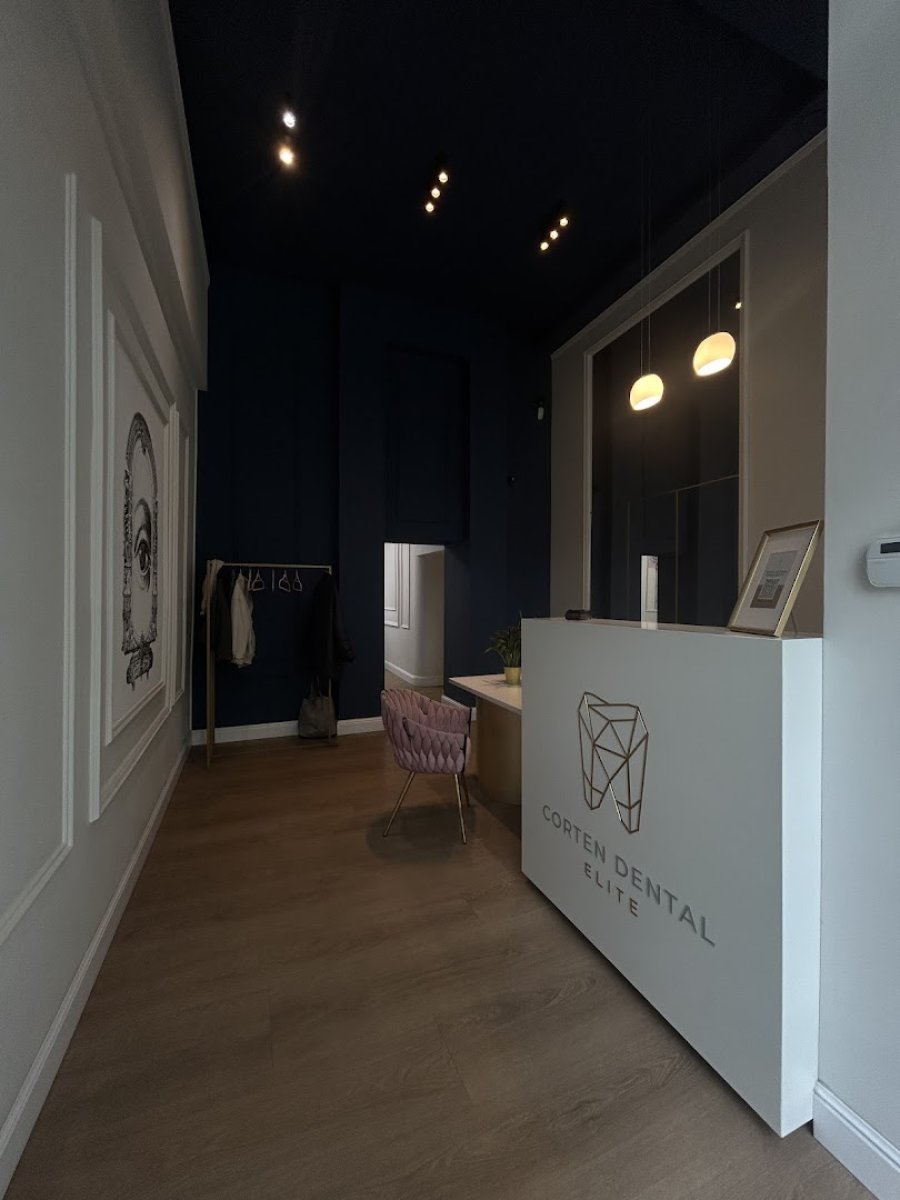
Corten Dental Elite

Villa Nova Dental Clinic
Tooth Whitening in Poland: Your Travel Plan
Day 1: Arrival in Poland
- Arrive at the airport and proceed to your pre-arranged accommodation. You should rest and acclimate to the local time zone.
- Review your appointment schedule and any instructions from the clinic. Ensure you have all necessary documents, such as identification and medical records.
- If you have immediate questions or concerns, contact the clinic through their provided communication channels.
Day 2: Initial Consultation
- Attend your scheduled initial consultation at the clinic.
- A dental professional will review your medical and dental history during the consultation.
- They will conduct a visual examination of your teeth and gums to assess your dental health.
- Discuss your expectations and desired outcomes for the tooth whitening procedure.
- If necessary, diagnostic imaging like a panoramic X-ray or CBCT scan may be performed to evaluate overall dental health.
Day 3: Professional Teeth Whitening Treatment
- Return to the clinic for your scheduled in-office teeth whitening session.
- A dental professional will apply a high-concentration whitening gel.
- A light or laser may be used to enhance the whitening effect, resulting in an immediate improvement in tooth color.
- Follow any post-treatment instructions provided by the clinic to ensure optimal results.
Day 4: Optional At-Home Whitening Kit
- If recommended, receive a custom-fitted whitening tray and a lower concentration gel for at-home use.
- You will receive instructions on how to use the kit, typically for a few hours daily or overnight for a specified duration.
- Ensure you understand the usage instructions and contact the clinic if you have any questions.
Day 5: Rest and Explore
- Take a day to rest and explore the local area. Avoid consuming staining foods and drinks such as coffee, tea, and red wine to maintain whitening results.
- Continue to follow any care instructions provided by the clinic.
- Use this day to relax and enjoy your time in Poland.
Day 6: Follow-Up Care
- Attend a follow-up appointment at the clinic, typically scheduled 1-2 weeks post-treatment.
- The dental professional will evaluate the results of the whitening treatment and discuss any necessary adjustments.
- Receive tips for maintaining your whitening results and oral hygiene.
Day 7: Departure from Poland
- Prepare for your journey home, ensuring you have all personal belongings and any products provided by the clinic.
- You should maintain regular dental check-ups every 6 months to ensure long-term oral health and whitening results.
- Keep in touch with the clinic for any future questions or additional treatments.
As the leading global medical tourism platform, Bookimed.com has a huge responsibility to provide accurate and reliable information to its clients, including patients and medical centers, regarding Tooth Whitening in Poland. All the information provided on the platform is grounded in research, foresight, and expertise and meets high interest related to the product.
Smart automatic ranking system for Tooth Whitening clinics in Poland
Bookimed.com forms listings of clinics and doctors that provide Tooth Whitening in Poland with strict regulations of its smart automatic ranking system. The system is based on real Bookimed patient rates to provide the most objective and transparent information about clinics and medical services there. Experienced data scientists collect data daily, monitor, and optimize the ranking system using machine learning and artificial intelligence to ensure that the ranking system is up-to-date and provides accurate results.
Real people"s experience only for Tooth Whitening in Poland
Bookimed.com collects the opinions of patients who have had Tooth Whitening experience with the clinic in Poland. This ensures that everyone on the platform can trust the facility they choose. The platform strives to make the content as useful as possible and ensure the freedom to express critical opinions. Thus, positive and negative reviews are published, aiming at being a source for informed decision-making for future clients.
Topics with high levels of expertise, authority, and trustworthiness for Tooth Whitening in Poland
On Bookimed.com, patients can find the best medical solutions for Tooth Whitening in Poland from top medical service providers just in one place, and often at competitive prices. The clinic"s representatives update doctors" CVs, clinics" capacities, before-after pictures, prices, packages, and specials by themselves shortly. Patients can meet the clinic"s representative and check the date of updated content at every clinic"s page to make sure of its trustworthiness.
The blog and supportive pieces are created by professional authors with at least 3-year experience in medical writing and edited by medical specialists with relevant clinical and research expertise. All pieces follow the Bookimed"s Editorial Guidelines. The platform strives to enhance patient access to health information, making it expert but easy to understand.
Bookimed values for Tooth Whitening in Poland
Bookimed.com is made of people and for people, and that"s its core value. That"s why all the data presented on the platform is collected, edited, reviewed, and updated regularly by its patients, partner clinics, and team, including the Bookimed Medical Advisory Board. The Board consists of world-renowned doctors with value expertise over 20 years of practice and a positive reputation. Learn more about us and our mission.
In case you find any mistake or have any questions on the information presented on Bookimed.com regarding Tooth Whitening in Poland, please feel free to contact us at marketing@bookimed.com.
Our Trusted Doctors
View all Doctors
Vladyslav Karkachov
Dr. Vladyslav Karkachov is a dentist at Dynasty Stomatology in Krakow. He specializes in microscopic endodontics and complex tooth restoration. Dr. Karkachov focuses on saving teeth that other clinics often consider unsalvageable. He performs all root canal treatments using high-precision dental microscopes.
- Provides orthopedic solutions including custom crowns, dentures, and porcelain veneers.
- Performs aesthetic bonding and composite fillings with natural-looking materials.
- Uses on-site CT scans and digital x-rays for precise treatment planning.
- Treats patients at a clinic offering up to 50% savings over UK prices.
Anastasiia Storozhenko

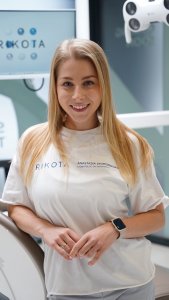
Anastasiia Shemiakova
Dr. Shemiakova specializes in aesthetic dentistry, with a focus on achieving natural-looking, bright smiles at RIKOTA Dental Clinic.
- Expert in advanced tooth whitening techniques
- Customizes treatments for each patient's needs
- Focuses on safe and effective results

Marcin Sobotka
Dr. Marcin Sobotka is a dental surgeon at Atelier Uśmiechu in Warsaw. He holds over 15 years of experience in dental implantology. He specializes in imaging-guided care using CBCT and CT diagnostic scans. Dr. Sobotka serves as a specialist at the Military Institute of Aviation Medicine.
- Expertise covers sinus lifts, bone augmentations, and aesthetic periodontal microsurgery.
- Performs complex All-on-X full-arch rehabilitations for patients with advanced bone loss.
- Trained in sinus surgery and periodontology under Professor Simunk and Professor Hurzeler.
- Uses Digital Smile Design for precise planning of prosthetic treatments.
Video Stories from Bookimed Patients
Reviews about Bookimed: Discover Patients' Insights
All reviews


Tooth Whitening: Before & after photos
View all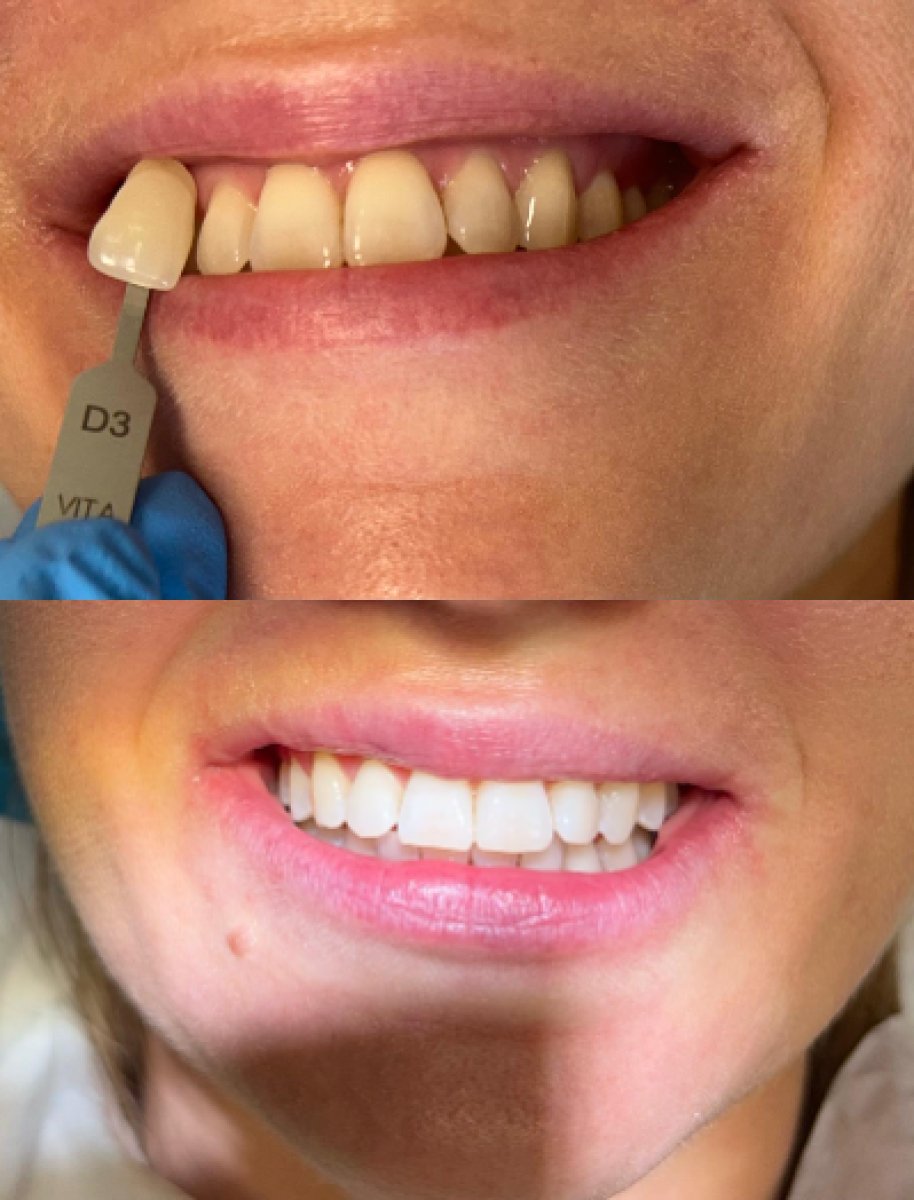
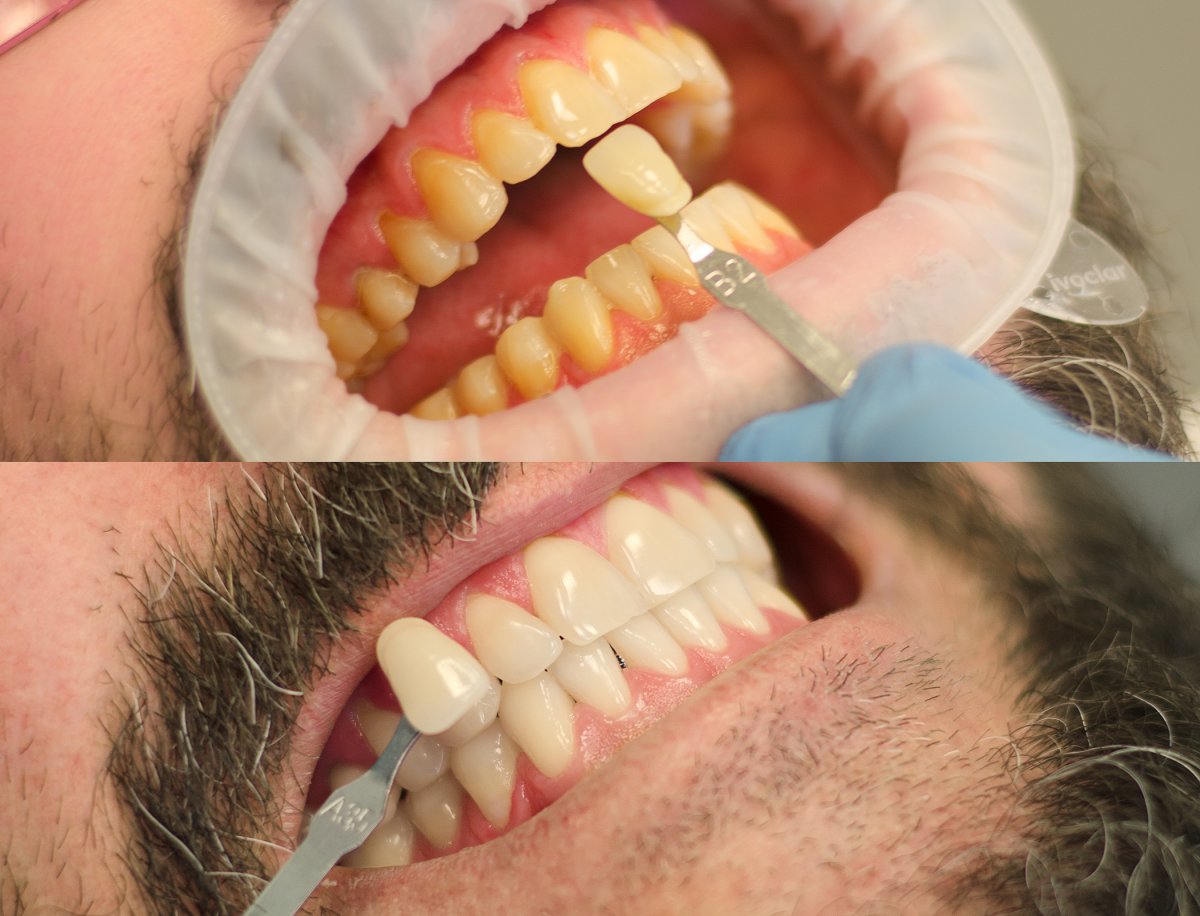
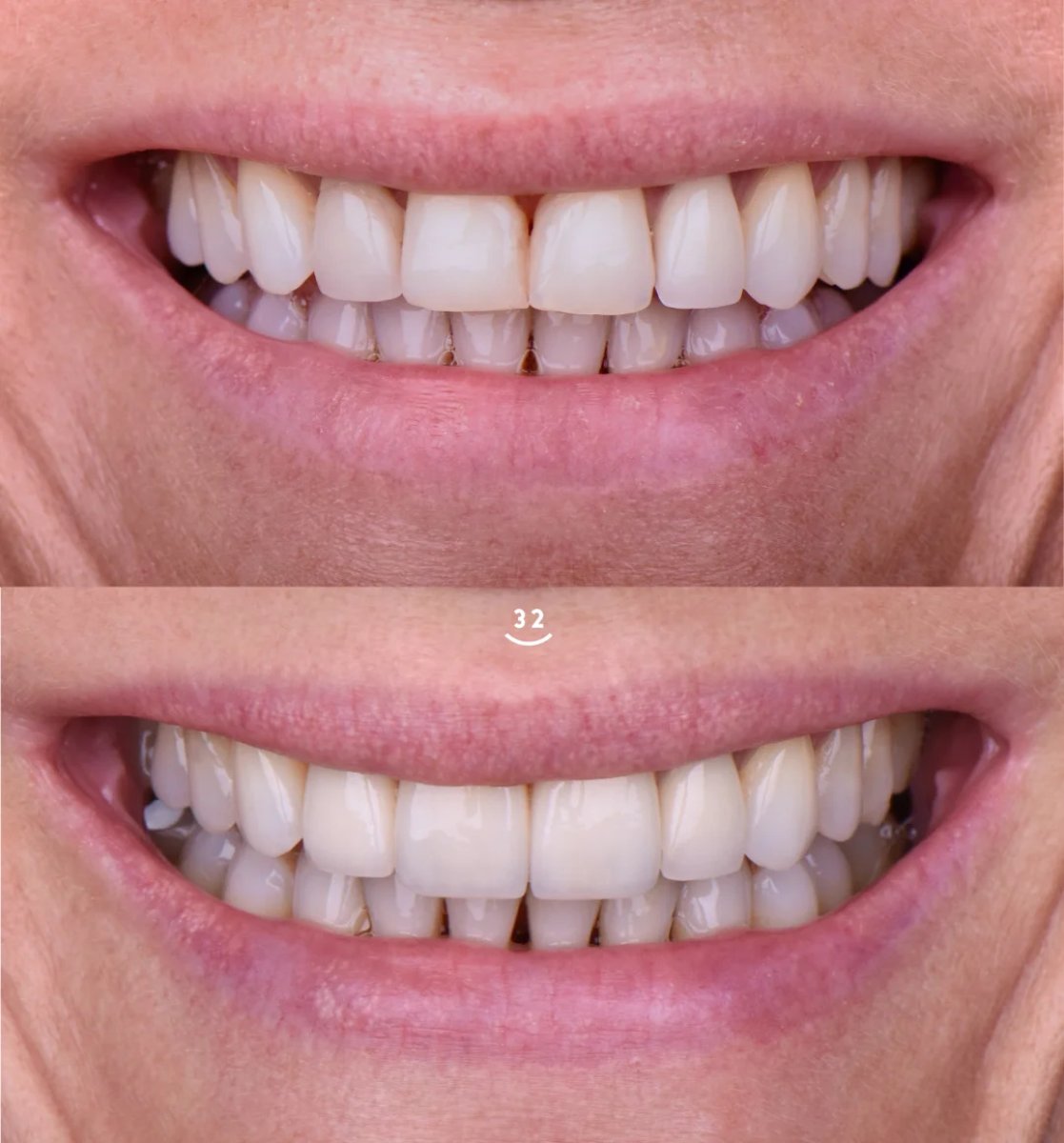
Related Articles

Korean Teeth Whitening: Cost, Best Clinics, and Treatment Options Explained
Written by Mariia Mytrofankina
Share this content
 Anna Leonova

FAQ about Tooth Whitening in Poland
Is professional teeth whitening in Poland safe?
Professional teeth whitening in Poland is safe and follows strict European Union medical standards. Registered Polish clinics use advanced technology like the BEYOND laser system or diode lasers to protect enamel. Specialized dentists or hygienists perform procedures after a mandatory dental health screening to prevent complications.
- EU standards: Clinics follow Directive 2011/84/EU regulating safe hydrogen peroxide concentrations for patients.
- Advanced technology: High-end facilities utilize the BEYOND laser system for fast, enamel-safe results.
- Expert supervision: University-trained dentists at clinics like Albusdent maintain a 99.9% procedure success rate.
- Protective measures: Specialists use liquid resin barriers (cofferdams) to eliminate risk of gum irritation.
Bookimed Expert Insight: Data reveals that top-tier Warsaw clinics like RIKOTA Dental Clinic serve up to 60,000 patients annually. This high volume often allows these centers to invest in the latest digital dentistry tools. You get premium safety technology at prices averaging 51% lower than US or UK rates.
Patient Consensus: Patients report that EU-certified clinics in Krakow and Warsaw provide painless results with minimal sensitivity. Most recommend requesting custom trays for maintenance and ensuring the clinic has English-speaking staff for clear safety instructions.
Who is NOT a suitable candidate for tooth whitening?
Tooth whitening is not suitable for individuals with untreated cavities, gum disease, or exposed roots, as bleaching agents can cause severe pain. It is also ineffective for those with porcelain crowns, veneers, or deep intrinsic stains caused by trauma or medication like tetracycline.
- Dental health: Active decay or gum inflammation requires treatment before bleaching.
- Restoration limits: Whitening does not lighten inorganic materials like crowns or bonding.
- Age restrictions: Children under 16 have sensitive pulp chambers prone to irritation.
- Chemical allergies: Hypersensitivity to hydrogen or carbamide peroxide disqualifies patients immediately.
Bookimed Expert Insight: While basic whitening is popular, Polish centers like Albusdent Dentistry Centre use the BEYOND laser system to achieve high success rates. If you have deep stains or old restorations, clinics like HALDENT often recommend combining whitening with veneers to ensure a uniform, bright result across all teeth.
Patient Consensus: Patients emphasize completing all dental cleanings like scaling and sandblasting first to ensure the whitening gel applies evenly. Many recommend a consultation to avoid the disappointment of mismatched colors between natural teeth and existing porcelain crowns.
What whitening methods are offered in Polish clinics?
Polish dental clinics provide advanced teeth whitening through in-office laser treatments, professional LED systems like Beyond and Philips Zoom!, and custom-fitted home tray kits. Procedures typically utilize high-concentration hydrogen peroxide gels for immediate results or carbamide peroxide for gradual, long-lasting brightness in specialized centers.
- In-office systems: Beyond and laser methods achieve 5–8 shades of brightening within 60 minutes.
- At-home trays: Custom-fitted overlays with Opalescence gels provide optimal results over 2 weeks.
- Internal whitening: Specialized intracoronal bleaching targets discoloration in non-vital, root-treated teeth.
- Combination packages: Many clinics bundle laser sessions with home trays for extended whiteness.
Bookimed Expert Insight: While many search for the lowest price, the real value in Poland is found in clinical volume. RIKOTA Dental Clinic serves 60,000 patients annually, suggesting high procedural expertise. Clinics like Albusdent specifically report a 99.9% success rate for whitening by utilizing dedicated Beyond laser technology.
Patient Consensus: Most patients recommend booking a professional cleaning before whitening to ensure even results. While laser sessions offer instant change, be prepared for a 24-hour window of tooth sensitivity afterward.
How long do whitening results usually last?
Professional whitening results in Poland typically last from 6 months to 3 years. Longevity depends on the method used and lifestyle habits. In-office laser treatments provide the longest results, while professional at-home trays require more frequent maintenance to combat daily staining.
- Professional laser whitening: Results generally maintain brightness for 1 to 3 years.
- At-home tray systems: Custom dentist-prescribed kits usually last 6 to 12 months.
- Results maintenance: Avoid coffee, tea, and red wine to prevent early discoloration.
- Maintenance protocols: Use whitening toothpaste or periodic touch-ups every 6 months.
Bookimed Expert Insight: Clinics like Albusdent Dentistry Centre in Krakow report a 99.9% success rate using advanced BEYOND laser systems. We see that patients choosing high-end laser systems often maintain shades longer than those using standard chemical bleaching. For maximum longevity, consider clinics in major hubs like Warsaw or Krakow that utilize these specialized lights.
Patient Consensus: Many patients notice a slight yellow tint returning within 4 to 6 months. Heavy coffee and tea drinkers should expect faster fading without consistent touch-up sessions.
What after-care diet is recommended following whitening?
After tooth whitening, dentists recommend a strict white diet for 48 hours to protect porous enamel. This transition period requires consuming only non-pigmented foods and clear liquids to prevent new stains from setting. Avoiding acidic items and dark beverages is essential for maintaining results and managing temporary sensitivity.
- Approved proteins: Consume skinless chicken, turkey, white fish, egg whites, and tofu.
- Safe starches: Stick to white rice, pasta with light sauce, peeled potatoes, and white bread.
- Dairy options: Opt for milk, plain yogurt, mozzarella, cottage cheese, and cream cheese.
- Beverage rules: Drink still water, coconut water, or milk; use a straw for non-clear liquids.
Bookimed Expert Insight: Clinics in Poland often utilize the Beyond laser system, which delivers high-intensity results but increases temporary enamel porosity. Data shows clinics like Albusdent maintain a 99.9% success rate by emphasizing a 48-hour dietary lockdown. To maximize your investment, extend the white diet to 7 days, as enamel remains receptive to staining beyond the initial 48-hour window.
Patient Consensus: Patients warn that even a single espresso or small portion of beets can cause visible gray or yellow spots on day 1. Most recommend using sensitive toothpaste and taking daily progress photos to stay motivated during the restrictive diet phase.
Is neurosurgery in Poland of high quality?
Neurosurgery in Poland offers high-quality care through JCI and ISO-certified facilities. Polish neurosurgeons follow rigorous European Union training standards. Many hold fellowships from the US or Germany. Advanced technologies like CyberKnife, Gamma Knife, and robotic systems are widely available in private centers.
- Specialized credentials: Doctors often hold memberships in the European Association of Neurosurgical Societies.
- Advanced technology: Clinics utilize CyberKnife and MR-guided focused ultrasound for non-invasive brain treatments.
- Clinical volume: Top centers like University Hospital in Krakow treat 455,000+ patients annually.
- Expert surgeons: Dr. Maciej Bujko at Carolina Hospital has performed 2,500+ surgeries independently.
Bookimed Expert Insight: Data shows a strong correlation between clinic specializations and patient origins. KCM Clinic serves 700+ international patients yearly. It focuses heavily on minimally invasive spine surgery. This volume allows them to offer specialized packages. These often include diagnostic blocks and specific implants like the Medtronic DIAM.
Patient Consensus: Patients note that Polish surgeons are highly attentive and detailed during consultations. Some mention that while the surgery itself is world-class, it is helpful to use a translation app for smoother communication with all hospital staff.
What are the qualifications of Polish neurosurgeons?
Polish neurosurgeons are highly qualified specialists who complete at least 13 years of rigorous medical training. This includes a 6-year medical degree, a 13-month internship, and a 6-year residency. They must pass the State Specialization Examination (PES) and often hold European Association of Neurosurgical Societies (EANS) certification.
- Education: Doctors earn a medical degree (Lekarz) after 6 years of university study.
- Specialization: Residency involves 6 years of modular training in clinical neurosurgery and neuroradiology.
- Surgical volume: Residents often complete 1,000+ cases, exceeding average training volumes in other regions.
- Certifications: Many specialists maintain memberships in AO Spine or the Polish Society of Spine Surgery.
Bookimed Expert Insight: Data shows Polish neurosurgeons often specialize in niche technologies like the ApiFix system or SED-YESS lumbar endoscopy. Specialists like Dr. Stanislaw Kwiek at KCM Clinic combine postdoctoral research with active surgical practice. This blend of academic depth and high procedure volumes makes them particularly effective for complex, minimally invasive spine revisions.
Patient Consensus: Patients value doctors who provide detailed explanations and answer all questions during consultations. While medical expertise is high, patients recommend confirming all payment terms and package inclusions in writing before traveling.
Which are the best hospitals for neurosurgery in Poland?
The best hospitals for neurosurgery in Poland include Carolina Hospital, KCM Clinic, and top academic centers like the University Hospital in Krakow. These facilities offer advanced spinal and brain treatments, featuring ISO-certified quality standards and specialists with international memberships in organizations like AO Spine.
- Carolina Hospital: A FIFA Medical Centre of Excellence specializing in complex minimally invasive spinal surgery.
- KCM Clinic: Internationally recognized for endoscopic spine procedures, serving over 700 foreign patients annually.
- University Hospital Krakow: A major multidisciplinary hub performing 800+ neurosurgical treatments yearly since 1788.
- Luxmed: A prominent private Warsaw facility focused on modern spinal surgery for international patients.
Bookimed Expert Insight: While many search for the largest hospitals, data shows that clinics like Carolina Hospital offer superior efficiency for elective cases. Having 40+ specialized doctors in a 30-bed facility ensures a much higher doctor-to-patient ratio than public university centers. This translates to more attentive postoperative care and significantly faster scheduling for procedures like herniated disc repairs.
Patient Consensus: Patients note that while public university hospitals excel at complex brain tumors, private clinics are preferred for spine work due to shorter wait times and better English-speaking support. Many advise confirming the surgeon's specific case volume through professional society listings before booking.
What are the most common neurosurgical procedures performed in Poland?
Neurosurgery in Poland is dominated by spinal procedures and brain tumor removals. Hospitals frequently perform microdiscectomies, spinal fusions, and deep brain stimulation. Centers like Carolina Hospital and KCM Clinic utilize minimally invasive techniques to treat herniated discs, spinal injuries, and complex neurological disorders.
- Spinal surgery: Discectomies and laminectomies are common for treating herniated discs.
- Neuro-oncology: Specialists perform brain tumor surgeries using advanced equipment like CyberKnife technology.
- Functional neurosurgery: Deep brain stimulation (DBS) is widely used for movement disorders.
- Minimally invasive: Surgeons use endoscopic methods for spinal decompression and pituitary tumors.
Bookimed Expert Insight: Poland has become a hub for specialized spinal stabilization. Clinics like Carolina Hospital partner with national sports teams, reflecting high expertise in complex spinal trauma. Our data shows these facilities often integrate rehabilitation directly into the surgical package. This combination reduces the risk of post-operative issues and speeds up patient recovery.
Patient Consensus: Patients note that private clinics offer much faster access for elective spine surgery compared to public options. Many recommend confirming the availability of English-speaking staff and planning for a short hospital stay followed by intensive physical therapy.
Is neurological rehabilitation available?
Neurological rehabilitation is widely available in Poland through specialized centers and multidisciplinary hospitals. Programs cover recovery for stroke, spinal cord injuries, and degenerative diseases. Facilities like Carolina Hospital in Warsaw and KCM Clinic provide physician-supervised therapy. Most neurosurgical packages include initial post-operative rehabilitation assessments.
- Available therapies: Programs include neuro-physiotherapy, occupational therapy, and speech-language pathology.
- Leading facilities: Carolina Hospital and Medical Centre ENEL-MED in Warsaw offer rehabilitation.
- Expert staff: Specialized neuro-physiotherapists work alongside neurosurgeons to create personalized plans.
- Treatment scope: Rehabilitation addresses mobility, balance, and cognitive functions after complex surgeries.
Bookimed Expert Insight: Data shows that clinics with high international patient volumes, like KCM Clinic, often bundle basic rehabilitation into their surgical packages. This is a significant advantage because separate neuro-rehabilitation in Poland can be difficult to coordinate independently. Choosing a clinic that provides an on-site rehabilitator ensures your recovery starts within 24 hours of surgery, which is vital for nerve regeneration.
Patient Consensus: Patients note that while major hospitals provide initial mobility checks, finding specialized speech or cognitive therapy often requires moving to a private center. Many recommend confirming a specific rehab plan with the neurosurgeon before traveling to ensure seamless care.
Who are the top neurosurgeons in Poland?
Top neurosurgeons in Poland include Dr. Jurij Kseniuk and Dr. Maciej Bujko at Carolina Hospital in Warsaw. These specialists focus on minimally invasive spine surgery and endoscopic techniques. They hold international certifications and memberships in the Polish Society of Spine Surgery and EUROSPINE.
- Dr. Jurij Kseniuk: Expert in endoscopic spine surgery at Carolina Hospital. Two-time international Vexim competition winner.
- Dr. Maciej Bujko: International endoscopic instructor at Carolina Hospital. Performed 2,500+ procedures including brain tumors.
- Prof. Stanislaw Kwiek: Specialist at KCM Clinic. Over 30 years experience in advanced laser decompression.
- Dr. Radoslaw Michalik: Specialist in artificial disc implantation and spinal oncology at Carolina Hospital.
Bookimed Expert Insight: Data shows a high concentration of elite expertise in Warsaw. Carolina Hospital alone houses 40+ specialists with dual certifications in neurosurgery and orthopedics. This multidisciplinary approach is rare. It allows for more precise treatment of complex cases involving both nerve and bone issues.
Patient Consensus: Patients value the detailed diagnostic process, noting that MRIs often take longer but provide superior clarity. While medical care is highly rated, some mention that administrative communication at private clinics can be slow during the payment phase.
Can international patients easily access care?
International patients comfortably access neurosurgery in Poland through specialized private centers in Warsaw and Jelenia Gora. These facilities provide direct access to advanced procedures like CyberKnife and endoscopic spine surgery. JCI and ISO-accredited hospitals streamline the process for foreign patients with dedicated coordination and language support.
- Specialized care: Clinics like Carolina Hospital serve international patients from Europe and North America.
- Advanced technology: Facilities offer CyberKnife, Gamma Knife, and robotic-assisted spine surgery for complex cases.
- Dedicated coordination: Packages often include airport transfers and local apartments to simplify medical travel.
- Expert surgeons: Doctors like Dr. Jurij Kseniuk perform high-precision minimally invasive spine procedures.
Bookimed Expert Insight: Poland's private neurosurgery centers offer a dual advantage of high patient volume and specialized expertise. For example, the University Hospital in Krakow serves 450,000+ patients annually. This massive clinical experience allows private centers to maintain surgical success rates that attract over 700 international patients yearly to clinics like KCM.
Patient Consensus: Patients note that private clinics provide very friendly staff and attentive surgeons who answer every question in detail. While language barriers can occur at reception, centers quickly provide translation support to meet the needs of international visitors.
What are the best neurosurgery hospitals in Poland?
Poland offers top neurosurgery at JCI-standard facilities like Carolina Hospital and KCM Clinic. These centers specialize in minimally invasive spine surgery and complex brain tumor resections. Patients benefit from advanced technologies like CyberKnife and Gamma Knife. High success rates and shorter waiting times define the private sector.
- Carolina Hospital: A FIFA Medical Centre of Excellence specializing in complex spinal neurotrauma.
- KCM Clinic: Leading center for endoscopic spine surgery performing over 3,000 successful interventions.
- University Hospital Krakow: Academic powerhouse known for high-volume tumor resections and awake craniotomy.
- Cyberknife Institute: Specialized facility in Wieliszew focusing on robotic radiosurgery for tumors.
Bookimed Expert Insight: Data shows a clear quality signal in diagnostic depth at top Warsaw clinics. Facilities like Carolina Hospital perform MRI scans that take 3 times longer than standard protocols. This focus on high-resolution imaging directly supports the precision of minimally invasive procedures. It is a key differentiator for complex neurological cases.
Patient Consensus: Patients value the detailed imaging and note that surgeons often have extensive international training. Many highlight that while English is common in private clinics, confirming interpreter services early helps avoid communication gaps during recovery.
Do clinics provide support for international travelers?
Polish neurosurgery clinics provide comprehensive support for international travelers, ranging from visa assistance to dedicated logistical coordination. Facilities specialized in spinal and brain surgery often include airport transfers and accommodation arrangements. Many centers employ multilingual staff to bridge language barriers for patients from Europe, North America, and beyond.
- Travel logistics: Clinics like Carolina Hospital organize airport transfers and local lodging.
- Language assistance: Dedicated teams provide translation to ensure clear communication with neurosurgeons.
- Patient coordination: KCM Clinic offers specialized package programs specifically designed for international patients.
- Remote consultations: Many facilities provide online consultations to review MRI scans before travel.
Bookimed Expert Insight: Data shows that clinics with high international volumes, like KCM Clinic which serves 700+ foreigners annually, often bundle services to simplify the journey. These centers frequently provide all-inclusive packages for procedures like laminectomy or disc surgery. Choosing these bundled options helps patients avoid the complexity of booking local transport or finding recovery-appropriate housing separately.
Patient Consensus: Patients note it is helpful when clinics arrange everything by email before arrival. They emphasize that having a dedicated coordinator who speaks their language makes the surgical process much less stressful.
Why is neurosurgery more affordable in Poland compared to the US or UK?
Neurosurgery in Poland is more affordable due to lower labor costs and medical staff salaries compared to the US or UK. Facilities use identical Western technology and implants like Medtronic or Stryker. Favorable exchange rates and reduced malpractice insurance premiums significantly lower surgical fees for international patients.
- Cost efficiency: Prices for neurosurgical procedures generally range from $240 to $390.
- Surgical expertise: Specialists like Dr. Maciej Bujko have performed 2,500+ independent surgeries.
- Included services: Packages often bundle diagnostic tests, surgical fees, and 24/7 medical care.
- Standardized quality: Clinics like Carolina Hospital hold ISO 9001:2015 and TÜV NORD certifications.
Bookimed Expert Insight: Data shows that Poland specializes in high-volume endoscopic spine surgery. Specialists like Dr. Radoslaw Michalik have performed over 1,000 advanced spinal procedures. This volume allows clinics to negotiate lower prices for implants. It also ensures surgeons maintain a high level of technical skill in minimally invasive methods.
Patient Consensus: Patients note that treatments like spinal fusion are significantly cheaper than in the US. They recommend confirming English-speaking staff availability before booking to avoid potential language barriers during recovery.
What cities are the main medical hubs?
Warsaw, Krakow, and Jelenia Gora are the primary neurosurgery hubs in Poland. These cities host high-volume centers like Carolina Hospital and KCM Clinic. They offer advanced care including CyberKnife, robotic spine surgery, and Deep brain stimulation (DBS). Most facilities hold ISO certifications for quality and safety.
- Warsaw: The capital houses Carolina Hospital, a FIFA Medical Centre of Excellence for complex cases.
- Krakow: Home to University Hospital, treating over 455,000 patients annually with 103 specialized departments.
- Jelenia Gora: KCM Clinic specializes in minimally invasive spine surgery, attracting 700+ international patients yearly.
- Specialized experts: Hubs feature renowned surgeons like Dr. Maciej Bujko, who has performed 2,500+ procedures.
Bookimed Expert Insight: While Warsaw is the primary destination for brain tumors, Jelenia Gora has carved out a niche for minimally invasive spine procedures. KCM Clinic in Jelenia Gora coordinates specialized packages for international patients that often include nearby Wroclaw airport transfers. This makes it a more streamlined choice for discopathy than the larger, more crowded multi-disciplinary hospitals in Krakow.
Patient Consensus: Patients note that Warsaw is the top choice for scheduling advanced surgeries quickly. In Krakow, travelers suggest avoiding peak tourist seasons to ensure easier local logistics and hospital access.
Are online consultations available for international patients?
Online consultations with neurosurgeons in Poland are widely available for international patients. Specialists at private centers perform these virtual meetings to review MRI or CT scans and discuss treatment plans. These sessions typically cost Price on request to Price on request and help determine surgical candidacy before traveling.
- Available services: Video calls for second opinions and diagnostic imaging reviews are standard.
- Leading clinics: Private facilities like Carolina Hospital and KCM Clinic offer these digital services.
- Expert credentials: Surgeons like Dr. Jurij Kseniuk and Dr. Maciej Bujko provide expert plan creation.
- Record requirements: Patients must provide high-quality digital copies of spinal or brain scans beforehand.
Bookimed Expert Insight: Data shows that clinics with high international volumes, like KCM Clinic which serves 700+ foreigners annually, often use online consultations to verify if minimally invasive techniques are possible. This is vital for spine cases. It prevents patients from traveling for procedures that may require more invasive traditional surgery once they arrive.
Patient Consensus: Patients note that while video calls are excellent for reviewing scans, the final surgical approval usually happens after an in-person physical exam. They suggest confirming that the specialist speaks your preferred language before the call to ensure clarity.