Vaginal tightening in Poland — get 3 top clinic matches with costs
Bookimed lists 5 vaginal tightening clinics in Poland, mostly in Jelenia Gora, Warsaw, and Szczecin. These clinics are rated 4.2/5 in 92 verified patient reviews on Bookimed.

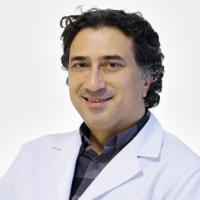
Medically reviewed by
Ergin Er
How it works
How Much Does Vaginal tightening Cost in Poland?
Vaginal tightening in Poland typically costs from $2,000 to $3,700. The final price depends on the chosen method, clinic location, and anesthesia type. Patients save around 64% compared to the US, where the average price is $8,000. Local costs usually include the medical consultation, procedure, and follow-up care in cities like Jelenia Góra or Lodz.
- Vaginal laser tightening: $350 to $750 for non-surgical rejuvenation treatments.
- Surgical vaginoplasty: Often costs 150-200% more than laser options due to operating room requirements.
- Major medical hubs: Packages in Warsaw often run 20% higher than in regional centers.
- HIFU technology: Ultrasound-based tightening typically carries a premium over standard radiofrequency or laser sessions.
Bookimed Expert Insight: Choosing a multi-specialty center like KCM Clinic offers significant value for international patients. This facility serves over 700 foreign patients annually and holds ISO international standards. While Lodz offers competitive pricing, Jelenia Góra provides specialized packages for UK and German travelers. Opting for clinics with high patient volumes ensures access to experienced doctors and modern technologies. These centers often bundle pre-operative tests into a single, transparent price for convenience.
| Poland | Turkey | The USA | |
|---|---|---|---|
| Vaginal tightening | ≈ $2,000 | from $1,000 | ≈ $5,500 |
| Vaginal laser tightening | ≈ $350 | from $600 | from $1,200 |
Discover the Best Vaginal tightening Clinics in Poland: 5 Verified Options and Prices



Elite Clinic Aesthetic and Plastic Surgery
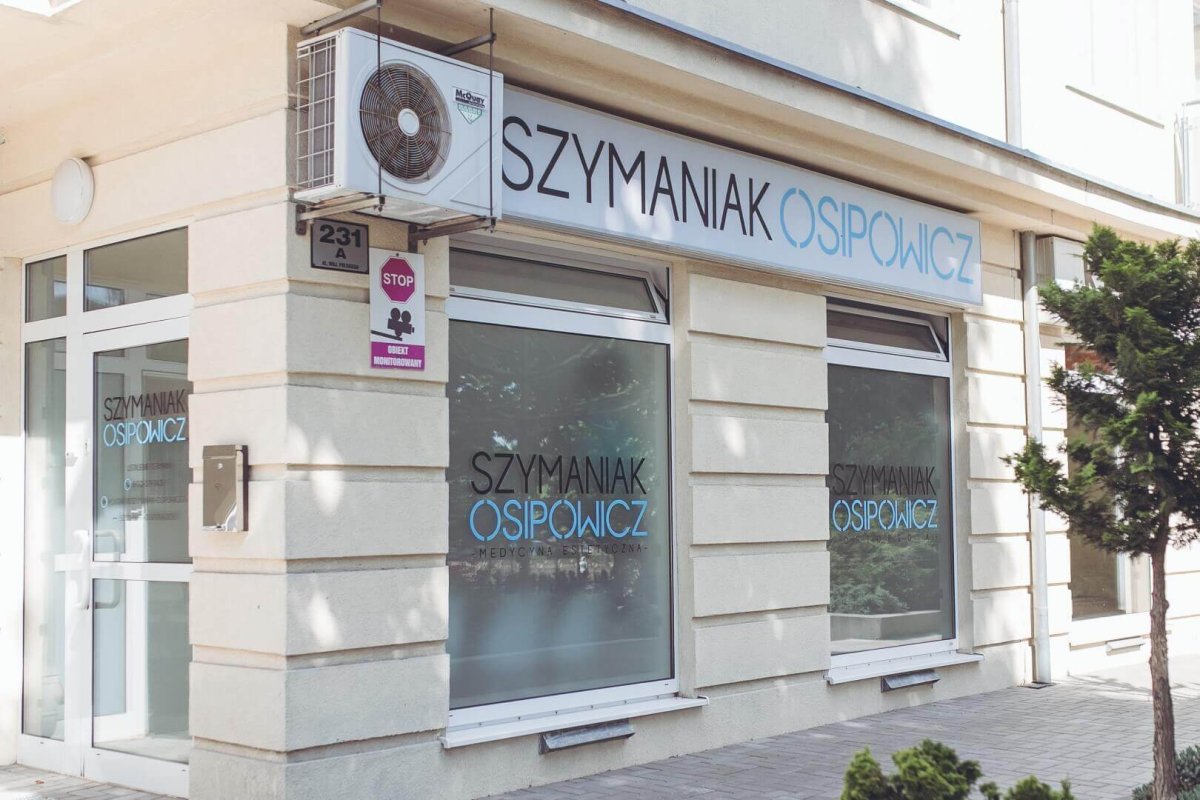
Klinika Szymaniak‑Osipowicz
RMED Kopernika

PROESTETICA Klinika dr Prager
Vaginal tightening Overview in Poland
Day 1 - Arrival
- Arrive in the country.
- Transfer from the airport to the hotel.
Day 2 - Pre-Operation
- Consultation with the surgeon.
- Undergo necessary medical tests.
- Discuss the surgical procedure, risks, and expectations.
Day 3 - Vaginal Tightening Procedure
- Transfer to the clinic.
- Undergo the Vaginal Tightening procedure.
- Procedure lasts between 1-2 hours under general anesthesia.
- Stay in the recovery room under observation.
Day 4 - Post-Operation
- Stay in the clinic for post-surgery monitoring.
- Receive post-operative care instructions.
Day 5 - Discharge
- Discharge from the clinic.
- Transfer back to the hotel.
Week 1-2 - Rehabilitation
- Rest and recover at the hotel.
- Follow the post-operative care instructions.
Week 3
- Return to light activities.
Week 4
- Gradual return to work and regular activities.
Week 6
- Resume all activities, including sports.
Week 8
- Final results of the Vaginal Tightening procedure visible.
Please note that each patient’s case is individual and the timelines provided above are estimates based on general cases.
- Bookimed deposit: $200 or €200.
- Clinic deposit: Pay a set percentage in advance.
Our Doctors
View all Doctors
Rafal Kuzlik
Dr. Rafal Kuzlik is a gynecologist and reconstructive surgeon at SaskaMed in Warsaw. He authored the internationally recognized One Cut, Linear Z, and Double O surgical techniques. These methods focus on aesthetic and functional gynecology. Dr. Kuzlik has performed approximately 10,000 operations. He practices in both Poland and Dubai.
- Developed original techniques for labiaplasty and clitoral repositioning.
- Served as former Head of Gynecology at EMC St. Anne’s Hospital.
- General Secretary of the World Academy of Regenerative and Aesthetic Gynecology.
- Trains physicians globally on surgical techniques in functional gynecology.
Video Stories from Bookimed Patients
Reviews about Bookimed: Discover Patients' Insights
All reviews
Share this content
 Anna Leonova

FAQ about Vaginal tightening in Poland
What are the main types of vaginal tightening procedures available in Poland?
Vaginal tightening in Poland includes surgical vaginoplasty for permanent muscle reconstruction and non-surgical options like MonaLisa Touch laser therapy or radiofrequency. These procedures are performed in ISO-certified facilities in cities like Jelenia Gora, Lodz, and Warsaw to address laxity and improve intimate health.
- Surgical vaginoplasty: Reconstructs vaginal muscles and removes excess tissue for permanent structural results.
- Laser tightening: Uses CO2 fractional lasers to stimulate collagen and increase vaginal wall elasticity.
- Radiofrequency therapy: Applies thermal energy to tighten tissues, often used for mild laxity cases.
- Surgical recovery: Requires up to 6 weeks of sexual abstinence for proper internal healing.
Bookimed Expert Insight: Poland is a top-five global destination for these procedures because of the clinical volume. Large centers like RMED Kopernika serve 6,000 patients annually. This high patient flow means surgeons often have more hands-on experience with complex reconstructive cases than those in lower-volume regions.
Patient Consensus: Success depends on realistic expectations. Laser treatments offer fast 3-day recovery but often require multiple sessions. Surgery provides significant change but requires a commitment to a 2-month recovery period.
Who is an ideal candidate for vaginal tightening?
An ideal candidate for vaginal tightening is a healthy woman experiencing vaginal laxity, reduced sexual sensation, or mild stress urinary incontinence. Generally, candidates are mothers post-childbirth or those facing age-related changes. Most specialists recommend having completed family planning before undergoing the procedure.
- Laxity symptoms: Women experiencing a sensation of looseness or difficulty keeping tampons in place.
- Sexual wellness: Individuals noticing decreased friction or sensitivity impacting intimacy and personal confidence.
- Medical status: Candidates must be in good health without active pelvic infections or disorders.
- Postpartum timing: Best results occur 6 to 18 months after the last vaginal birth.
Bookimed Expert Insight: Data from Polish clinics like KCM Clinic shows a high volume of international patients. Surgeons here often suggest waiting at least 12 months post-birth. This allows tissues to firm naturally. This patience often leads to more predictable surgical outcomes and higher satisfaction.
Patient Consensus: Many women prioritize functional improvements in sexual health and comfort over aesthetic changes. Patients advise getting multiple consultations to ensure the surgeon checks for underlying pelvic prolapse issues.
What is the expected recovery time?
Recovery for vaginal tightening in Poland involves distinct timelines based on the chosen technology. Laser procedures typically allow patients to return to daily activities within 24 hours. Surgical narrowing requires more intensive downtime with work resumes usually occurring after 7 to 14 days of rest.
- Sexual activity pause: Patients wait 7 days for laser or 6 weeks after surgical procedures.
- Physical activity limits: Avoid heavy lifting and strenuous exercise for 4 to 6 weeks post-surgery.
- Wound management: Maintain clean incision areas and use prescribed antibiotic ointments to prevent infections.
- Product restrictions: Do not use tampons for at least 6 weeks following surgical tightening.
Bookimed Expert Insight: While laser treatments like those at RMED Kopernika offer faster recovery, surgical methods provide more permanent results. Data shows specialized centers like KCM Clinic focus on minimally invasive techniques to reduce hospital stays. Patients often choose surgical options for lasting changes despite the 2-week recovery gap.
Patient Consensus: Many found that laser treatments let them head back to work the next day. Those undergoing surgery emphasized using ice packs and wearing loose cotton clothing to manage initial swelling.
Which clinics in Poland are most reputable for vaginal tightening?
Reputable clinics for vaginal tightening in Poland include KCM Clinic and Intima Clinic Group. These facilities are recognized for ISO-standard quality and specialized expertise in aesthetic gynecology. They offer both surgical vaginoplasty and non-invasive laser tightening using advanced technology like the FOTONA laser system.
- KCM Clinic: Award-winning center in Jelenia Gora specializing in minimally invasive surgical procedures.
- Intima Clinic: Top-rated Krakow facility focused on holistic intimate health and non-surgical solutions.
- Medicover Hospital: Large Warsaw medical institution utilizing painless FOTONA laser technology for rejuvenation.
- Medistica Medical: Highly rated Krakow group known for excellent patient satisfaction in gynecology.
Bookimed Expert Insight: Poland serves over 600 international requests annually for these procedures. KCM Clinic stands out by treating 700 international patients every year. Their high volume suggests a refined protocol for traveling patients. This creates a smoother experience compared to smaller local practices.
Patient Consensus: Patients emphasize the importance of verifying surgeon credentials in gynecology. They recommend requesting unfiltered patient references before committing to any surgical plan.
Is neurosurgery in Poland of high quality?
Neurosurgery in Poland offers high-quality care through JCI and ISO-certified facilities. Polish neurosurgeons follow rigorous European Union training standards. Many hold fellowships from the US or Germany. Advanced technologies like CyberKnife, Gamma Knife, and robotic systems are widely available in private centers.
- Specialized credentials: Doctors often hold memberships in the European Association of Neurosurgical Societies.
- Advanced technology: Clinics utilize CyberKnife and MR-guided focused ultrasound for non-invasive brain treatments.
- Clinical volume: Top centers like University Hospital in Krakow treat 455,000+ patients annually.
- Expert surgeons: Dr. Maciej Bujko at Carolina Hospital has performed 2,500+ surgeries independently.
Bookimed Expert Insight: Data shows a strong correlation between clinic specializations and patient origins. KCM Clinic serves 700+ international patients yearly. It focuses heavily on minimally invasive spine surgery. This volume allows them to offer specialized packages. These often include diagnostic blocks and specific implants like the Medtronic DIAM.
Patient Consensus: Patients note that Polish surgeons are highly attentive and detailed during consultations. Some mention that while the surgery itself is world-class, it is helpful to use a translation app for smoother communication with all hospital staff.
What are the qualifications of Polish neurosurgeons?
Polish neurosurgeons are highly qualified specialists who complete at least 13 years of rigorous medical training. This includes a 6-year medical degree, a 13-month internship, and a 6-year residency. They must pass the State Specialization Examination (PES) and often hold European Association of Neurosurgical Societies (EANS) certification.
- Education: Doctors earn a medical degree (Lekarz) after 6 years of university study.
- Specialization: Residency involves 6 years of modular training in clinical neurosurgery and neuroradiology.
- Surgical volume: Residents often complete 1,000+ cases, exceeding average training volumes in other regions.
- Certifications: Many specialists maintain memberships in AO Spine or the Polish Society of Spine Surgery.
Bookimed Expert Insight: Data shows Polish neurosurgeons often specialize in niche technologies like the ApiFix system or SED-YESS lumbar endoscopy. Specialists like Dr. Stanislaw Kwiek at KCM Clinic combine postdoctoral research with active surgical practice. This blend of academic depth and high procedure volumes makes them particularly effective for complex, minimally invasive spine revisions.
Patient Consensus: Patients value doctors who provide detailed explanations and answer all questions during consultations. While medical expertise is high, patients recommend confirming all payment terms and package inclusions in writing before traveling.
Which are the best hospitals for neurosurgery in Poland?
The best hospitals for neurosurgery in Poland include Carolina Hospital, KCM Clinic, and top academic centers like the University Hospital in Krakow. These facilities offer advanced spinal and brain treatments, featuring ISO-certified quality standards and specialists with international memberships in organizations like AO Spine.
- Carolina Hospital: A FIFA Medical Centre of Excellence specializing in complex minimally invasive spinal surgery.
- KCM Clinic: Internationally recognized for endoscopic spine procedures, serving over 700 foreign patients annually.
- University Hospital Krakow: A major multidisciplinary hub performing 800+ neurosurgical treatments yearly since 1788.
- Luxmed: A prominent private Warsaw facility focused on modern spinal surgery for international patients.
Bookimed Expert Insight: While many search for the largest hospitals, data shows that clinics like Carolina Hospital offer superior efficiency for elective cases. Having 40+ specialized doctors in a 30-bed facility ensures a much higher doctor-to-patient ratio than public university centers. This translates to more attentive postoperative care and significantly faster scheduling for procedures like herniated disc repairs.
Patient Consensus: Patients note that while public university hospitals excel at complex brain tumors, private clinics are preferred for spine work due to shorter wait times and better English-speaking support. Many advise confirming the surgeon's specific case volume through professional society listings before booking.
What are the most common neurosurgical procedures performed in Poland?
Neurosurgery in Poland is dominated by spinal procedures and brain tumor removals. Hospitals frequently perform microdiscectomies, spinal fusions, and deep brain stimulation. Centers like Carolina Hospital and KCM Clinic utilize minimally invasive techniques to treat herniated discs, spinal injuries, and complex neurological disorders.
- Spinal surgery: Discectomies and laminectomies are common for treating herniated discs.
- Neuro-oncology: Specialists perform brain tumor surgeries using advanced equipment like CyberKnife technology.
- Functional neurosurgery: Deep brain stimulation (DBS) is widely used for movement disorders.
- Minimally invasive: Surgeons use endoscopic methods for spinal decompression and pituitary tumors.
Bookimed Expert Insight: Poland has become a hub for specialized spinal stabilization. Clinics like Carolina Hospital partner with national sports teams, reflecting high expertise in complex spinal trauma. Our data shows these facilities often integrate rehabilitation directly into the surgical package. This combination reduces the risk of post-operative issues and speeds up patient recovery.
Patient Consensus: Patients note that private clinics offer much faster access for elective spine surgery compared to public options. Many recommend confirming the availability of English-speaking staff and planning for a short hospital stay followed by intensive physical therapy.
Is neurological rehabilitation available?
Neurological rehabilitation is widely available in Poland through specialized centers and multidisciplinary hospitals. Programs cover recovery for stroke, spinal cord injuries, and degenerative diseases. Facilities like Carolina Hospital in Warsaw and KCM Clinic provide physician-supervised therapy. Most neurosurgical packages include initial post-operative rehabilitation assessments.
- Available therapies: Programs include neuro-physiotherapy, occupational therapy, and speech-language pathology.
- Leading facilities: Carolina Hospital and Medical Centre ENEL-MED in Warsaw offer rehabilitation.
- Expert staff: Specialized neuro-physiotherapists work alongside neurosurgeons to create personalized plans.
- Treatment scope: Rehabilitation addresses mobility, balance, and cognitive functions after complex surgeries.
Bookimed Expert Insight: Data shows that clinics with high international patient volumes, like KCM Clinic, often bundle basic rehabilitation into their surgical packages. This is a significant advantage because separate neuro-rehabilitation in Poland can be difficult to coordinate independently. Choosing a clinic that provides an on-site rehabilitator ensures your recovery starts within 24 hours of surgery, which is vital for nerve regeneration.
Patient Consensus: Patients note that while major hospitals provide initial mobility checks, finding specialized speech or cognitive therapy often requires moving to a private center. Many recommend confirming a specific rehab plan with the neurosurgeon before traveling to ensure seamless care.
Who are the top neurosurgeons in Poland?
Top neurosurgeons in Poland include Dr. Jurij Kseniuk and Dr. Maciej Bujko at Carolina Hospital in Warsaw. These specialists focus on minimally invasive spine surgery and endoscopic techniques. They hold international certifications and memberships in the Polish Society of Spine Surgery and EUROSPINE.
- Dr. Jurij Kseniuk: Expert in endoscopic spine surgery at Carolina Hospital. Two-time international Vexim competition winner.
- Dr. Maciej Bujko: International endoscopic instructor at Carolina Hospital. Performed 2,500+ procedures including brain tumors.
- Prof. Stanislaw Kwiek: Specialist at KCM Clinic. Over 30 years experience in advanced laser decompression.
- Dr. Radoslaw Michalik: Specialist in artificial disc implantation and spinal oncology at Carolina Hospital.
Bookimed Expert Insight: Data shows a high concentration of elite expertise in Warsaw. Carolina Hospital alone houses 40+ specialists with dual certifications in neurosurgery and orthopedics. This multidisciplinary approach is rare. It allows for more precise treatment of complex cases involving both nerve and bone issues.
Patient Consensus: Patients value the detailed diagnostic process, noting that MRIs often take longer but provide superior clarity. While medical care is highly rated, some mention that administrative communication at private clinics can be slow during the payment phase.
Can international patients easily access care?
International patients comfortably access neurosurgery in Poland through specialized private centers in Warsaw and Jelenia Gora. These facilities provide direct access to advanced procedures like CyberKnife and endoscopic spine surgery. JCI and ISO-accredited hospitals streamline the process for foreign patients with dedicated coordination and language support.
- Specialized care: Clinics like Carolina Hospital serve international patients from Europe and North America.
- Advanced technology: Facilities offer CyberKnife, Gamma Knife, and robotic-assisted spine surgery for complex cases.
- Dedicated coordination: Packages often include airport transfers and local apartments to simplify medical travel.
- Expert surgeons: Doctors like Dr. Jurij Kseniuk perform high-precision minimally invasive spine procedures.
Bookimed Expert Insight: Poland's private neurosurgery centers offer a dual advantage of high patient volume and specialized expertise. For example, the University Hospital in Krakow serves 450,000+ patients annually. This massive clinical experience allows private centers to maintain surgical success rates that attract over 700 international patients yearly to clinics like KCM.
Patient Consensus: Patients note that private clinics provide very friendly staff and attentive surgeons who answer every question in detail. While language barriers can occur at reception, centers quickly provide translation support to meet the needs of international visitors.
What are the best neurosurgery hospitals in Poland?
Poland offers top neurosurgery at JCI-standard facilities like Carolina Hospital and KCM Clinic. These centers specialize in minimally invasive spine surgery and complex brain tumor resections. Patients benefit from advanced technologies like CyberKnife and Gamma Knife. High success rates and shorter waiting times define the private sector.
- Carolina Hospital: A FIFA Medical Centre of Excellence specializing in complex spinal neurotrauma.
- KCM Clinic: Leading center for endoscopic spine surgery performing over 3,000 successful interventions.
- University Hospital Krakow: Academic powerhouse known for high-volume tumor resections and awake craniotomy.
- Cyberknife Institute: Specialized facility in Wieliszew focusing on robotic radiosurgery for tumors.
Bookimed Expert Insight: Data shows a clear quality signal in diagnostic depth at top Warsaw clinics. Facilities like Carolina Hospital perform MRI scans that take 3 times longer than standard protocols. This focus on high-resolution imaging directly supports the precision of minimally invasive procedures. It is a key differentiator for complex neurological cases.
Patient Consensus: Patients value the detailed imaging and note that surgeons often have extensive international training. Many highlight that while English is common in private clinics, confirming interpreter services early helps avoid communication gaps during recovery.
Do clinics provide support for international travelers?
Polish neurosurgery clinics provide comprehensive support for international travelers, ranging from visa assistance to dedicated logistical coordination. Facilities specialized in spinal and brain surgery often include airport transfers and accommodation arrangements. Many centers employ multilingual staff to bridge language barriers for patients from Europe, North America, and beyond.
- Travel logistics: Clinics like Carolina Hospital organize airport transfers and local lodging.
- Language assistance: Dedicated teams provide translation to ensure clear communication with neurosurgeons.
- Patient coordination: KCM Clinic offers specialized package programs specifically designed for international patients.
- Remote consultations: Many facilities provide online consultations to review MRI scans before travel.
Bookimed Expert Insight: Data shows that clinics with high international volumes, like KCM Clinic which serves 700+ foreigners annually, often bundle services to simplify the journey. These centers frequently provide all-inclusive packages for procedures like laminectomy or disc surgery. Choosing these bundled options helps patients avoid the complexity of booking local transport or finding recovery-appropriate housing separately.
Patient Consensus: Patients note it is helpful when clinics arrange everything by email before arrival. They emphasize that having a dedicated coordinator who speaks their language makes the surgical process much less stressful.
Why is neurosurgery more affordable in Poland compared to the US or UK?
Neurosurgery in Poland is more affordable due to lower labor costs and medical staff salaries compared to the US or UK. Facilities use identical Western technology and implants like Medtronic or Stryker. Favorable exchange rates and reduced malpractice insurance premiums significantly lower surgical fees for international patients.
- Cost efficiency: Prices for neurosurgical procedures generally range from $2,000 to $3,700.
- Surgical expertise: Specialists like Dr. Maciej Bujko have performed 2,500+ independent surgeries.
- Included services: Packages often bundle diagnostic tests, surgical fees, and 24/7 medical care.
- Standardized quality: Clinics like Carolina Hospital hold ISO 9001:2015 and TÜV NORD certifications.
Bookimed Expert Insight: Data shows that Poland specializes in high-volume endoscopic spine surgery. Specialists like Dr. Radoslaw Michalik have performed over 1,000 advanced spinal procedures. This volume allows clinics to negotiate lower prices for implants. It also ensures surgeons maintain a high level of technical skill in minimally invasive methods.
Patient Consensus: Patients note that treatments like spinal fusion are significantly cheaper than in the US. They recommend confirming English-speaking staff availability before booking to avoid potential language barriers during recovery.
What cities are the main medical hubs?
Warsaw, Krakow, and Jelenia Gora are the primary neurosurgery hubs in Poland. These cities host high-volume centers like Carolina Hospital and KCM Clinic. They offer advanced care including CyberKnife, robotic spine surgery, and Deep brain stimulation (DBS). Most facilities hold ISO certifications for quality and safety.
- Warsaw: The capital houses Carolina Hospital, a FIFA Medical Centre of Excellence for complex cases.
- Krakow: Home to University Hospital, treating over 455,000 patients annually with 103 specialized departments.
- Jelenia Gora: KCM Clinic specializes in minimally invasive spine surgery, attracting 700+ international patients yearly.
- Specialized experts: Hubs feature renowned surgeons like Dr. Maciej Bujko, who has performed 2,500+ procedures.
Bookimed Expert Insight: While Warsaw is the primary destination for brain tumors, Jelenia Gora has carved out a niche for minimally invasive spine procedures. KCM Clinic in Jelenia Gora coordinates specialized packages for international patients that often include nearby Wroclaw airport transfers. This makes it a more streamlined choice for discopathy than the larger, more crowded multi-disciplinary hospitals in Krakow.
Patient Consensus: Patients note that Warsaw is the top choice for scheduling advanced surgeries quickly. In Krakow, travelers suggest avoiding peak tourist seasons to ensure easier local logistics and hospital access.
Are online consultations available for international patients?
Online consultations with neurosurgeons in Poland are widely available for international patients. Specialists at private centers perform these virtual meetings to review MRI or CT scans and discuss treatment plans. These sessions typically cost Price on request to Price on request and help determine surgical candidacy before traveling.
- Available services: Video calls for second opinions and diagnostic imaging reviews are standard.
- Leading clinics: Private facilities like Carolina Hospital and KCM Clinic offer these digital services.
- Expert credentials: Surgeons like Dr. Jurij Kseniuk and Dr. Maciej Bujko provide expert plan creation.
- Record requirements: Patients must provide high-quality digital copies of spinal or brain scans beforehand.
Bookimed Expert Insight: Data shows that clinics with high international volumes, like KCM Clinic which serves 700+ foreigners annually, often use online consultations to verify if minimally invasive techniques are possible. This is vital for spine cases. It prevents patients from traveling for procedures that may require more invasive traditional surgery once they arrive.
Patient Consensus: Patients note that while video calls are excellent for reviewing scans, the final surgical approval usually happens after an in-person physical exam. They suggest confirming that the specialist speaks your preferred language before the call to ensure clarity.