Adrenal Tumor Treatment in Republic of Korea — Get 3 Personalized Clinic Matches


Medically reviewed by
Yesim Yildirim
What's the Cost of Adrenal tumor Diagnosis and Treatment in Republic of Korea?
| Republic of Korea | Turkey | Austria | |
|---|---|---|---|
| Nephrectomy with Da Vinci Robot | from $17,000 | from $18,500 | ≈ $17,500 |
Your Benefits and Guarantees with Bookimed
Transparent Prices & Flexible Installments
No hidden fees – just official clinic prices. Pay at the clinic for Adrenal tumor treatment and use a flexible installment plan if needed.
Verified Clinics & Doctors Only
Bookimed is committed to your safety. We only work with medical institutions that maintain high international standards in Adrenal tumor treatment and have the necessary licenses to serve international patients worldwide.
Free 24/7 Assistance
Bookimed offers free expert assistance. A personal medical coordinator supports you before, during, and after your treatment, solving any issues. You're never alone on your Adrenal tumor treatment journey.

Your personal Bookimed medical coordinator
- Supports you at every stage
- Helps choose the right clinic and doctor
- Ensures quick and convenient access to information
Best Adrenal tumor Treatment Centers in Republic of Korea: 2 Verified Options and Prices


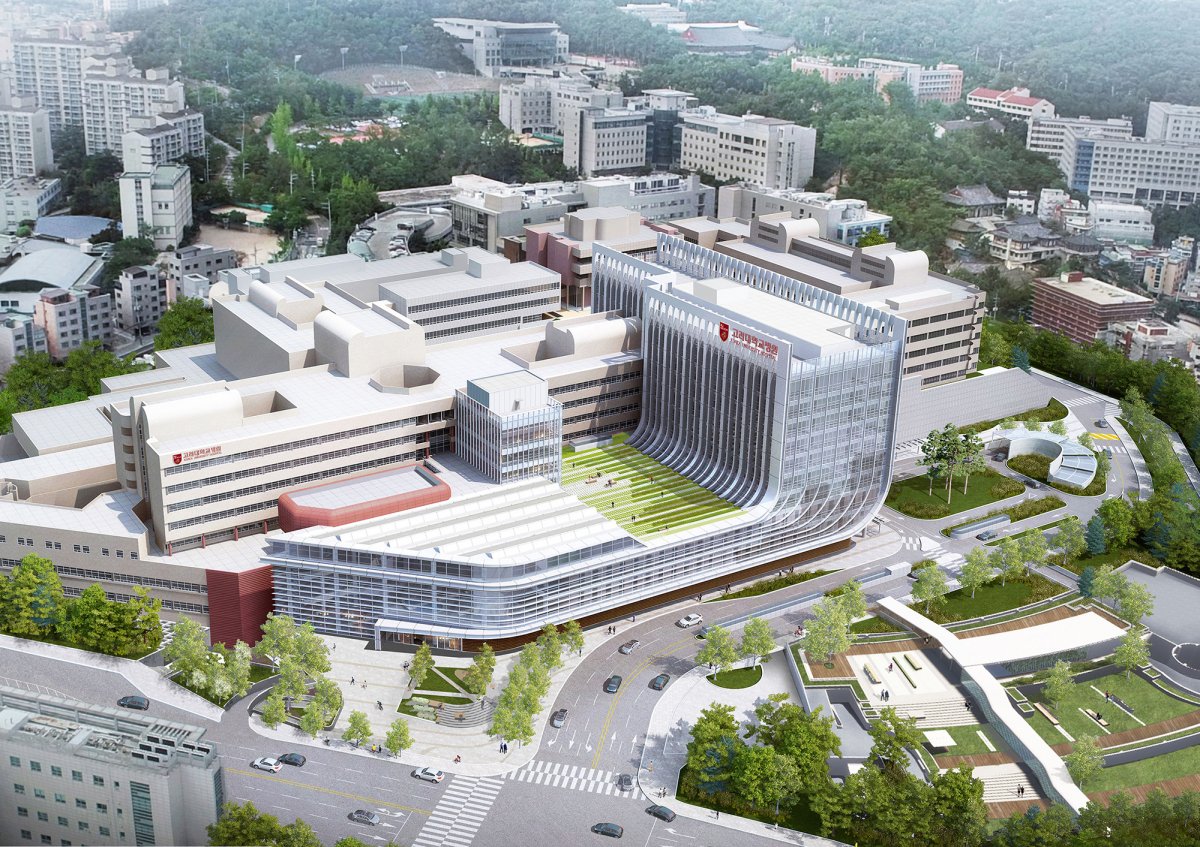
Korea University Anam Hospital
Kim Jin






Get a Medical Assessment for Adrenal tumor in Republic of Korea: Consult with Experienced Doctors Now
View all Doctors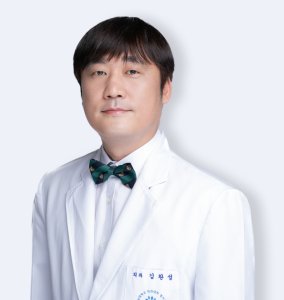
Kim Wan Song
Dr. Wan‑Sung Kim, MD, PhD, is Director of the Thyroid Center and an Associate Professor of Surgery at Myongji Hospital, an educational partner of Hanyang University. He is a breast and thyroid surgeon. He treats cancer and benign disease and focuses on minimally invasive thyroid and adrenal surgery.
Expertise: endoscopic and robotic thyroidectomy (transoral, axillary-areolar), thyroid radiofrequency ablation, ethanol ablation for thyroid lesions, and endoscopic or robotic adrenal tumor surgery.
He previously served as Head of Surgery at Myongji Hospital and Chuncheon Gangnam Hospital. He completed his residency and a breast and thyroid fellowship at Myongji. He holds an MD and MS from Catholic Kwandong University and a PhD from Kangwon National University. He is a member of the Korean Association of Thyroid and Endocrine Surgeons, the Korean Breast Cancer Society, the Korean Surgical Society, and the Korean Surgical Ultrasound Society.

Choi Han Yong
The doctor is an accomplished oncosurgeon with extensive experience in urology. As the Head of the Samsung Department of Urology, the doctor has led numerous innovative surgical procedures and contributed to significant advancements in the field. The doctor is recognized for expertise in minimally invasive techniques and has been instrumental in developing new protocols for cancer treatment. The doctor is highly regarded for a commitment to patient care and has received multiple accolades for contributions to medical research and education.
Kim Jin
Dr. Kim Jin is a colorectal surgeon at Korea University Anam Hospital in Seoul. He is the Vice President of the Korean Association of Robotic Surgeons. Dr. Kim represents South Korea on the board of the Asia Pacific Endo-Lap Surgery Group. He performs surgical demonstrations for medical faculties in Hong Kong and Singapore.
- Directs the Training and Education Committee at the Korean Surgical Society.
- Sits on the Surgical Affairs Board of the Korean Society of Gastroenterology.
- Serves as Director of IT for the Korean Society of Coloproctology.
- Practices at a JCI-accredited hospital ranked among the world’s best by Newsweek.
Share this content
Video Stories from Bookimed Patients
 Anna Leonova

Expert Overview about Adrenal tumor Treatment in Republic of Korea
Why should I choose South Korea for adrenal tumor treatment?
South Korea offers high-volume endocrine surgical centers with advanced robotic technologies like the Da Vinci system. Patients benefit from specialized multidisciplinary care at JCI-accredited facilities. Specialized oncology units in Seoul report high survival rates for complex adrenal cases using minimally invasive techniques.
- Robotic expertise: Surgeons at Anam Hospital specialize in complex robotic endocrine procedures.
- Clinical volume: Samsung Medical Center serves over 2,000,000 patients annually with 45,000+ operations.
- Quality standards: Leading facilities maintain KOIHA and ISO certifications for international safety.
- Integrated diagnostics: Centers combine endocrinology, radiology, and oncology for precise hormonal tumor staging.
Bookimed Expert Insight: While overall hospital reputation matters, South Korea's specific strength lies in its tertiary centers' integrated endocrine boards. Clinics like Samsung Medical Center utilize advanced Novalis and IGRT systems alongside Da Vinci robotics. This high density of technical equipment in one facility allows for rapid, same-week transitions from diagnosis to surgical intervention.
Patient Consensus: Patients value how quickly hospitals coordinate scans, bloodwork, and surgical consults into a compact timeframe. They often highlight that choosing a team specifically focused on adrenal hormone testing is as important as the surgery itself.
What surgical techniques are used for adrenal tumors in Korea?
South Korean hospitals utilize minimally invasive laparoscopic and robotic-assisted techniques as the standard for adrenal tumors. Surgeons prioritize transperitoneal or retroperitoneoscopic access to ensure precise removal. High-volume centers like Samsung Medical Center and Korea University Anam Hospital employ the Da Vinci surgical system for complex cases.
- Laparoscopic surgery: Standard approach for benign tumors using small abdominal or back incisions.
- Robotic-assisted adrenalectomy: Premium option for precise dissection near major vessels using Da Vinci systems.
- Retroperitoneoscopic access: Preferred for tumors under 6 cm or patients with previous abdominal surgeries.
- Open adrenalectomy: Reserved for large, malignant, or invasive tumors requiring broader surgical exposure.
Bookimed Expert Insight: While many countries focus on volume alone, Korean hospitals like Korea University Anam Hospital lead in robotic innovation. They pioneered specific robotic endocrine procedures now used globally. Robotic adrenal surgery in Korea may cost approximately $16,000 to $25,250. This price often reflects the extreme precision of surgeons at centers performing over 45,000 operations annually.
Patient Consensus: Patients note that surgeons emphasize hormone testing before surgery to determine if the tumor is functional. Many appreciate the focus on minimally invasive methods which result in much shorter hospital stays.
How do Korean doctors decide if a tumor needs to be removed?
Korean doctors determine tumor removal using multidisciplinary boards to evaluate biological behavior and physical impact. Decision criteria include hormonal activity, size thresholds, and imaging patterns. Specialists often prioritize surgical intervention for adrenal masses displaying irregular features or excessive hormone production to ensure optimal safety.
- Hormonal activity: Doctors prioritize removal if blood work shows cortisol or aldosterone excess.
- Imaging characteristics: Surgeons evaluate irregular or heterogeneous mass appearance on CT scans.
- Size monitoring: Specialists track changes over time and 4 centimeter size thresholds.
- Surgical approach: JCI-accredited centers often utilize Da Vinci robotic systems for minimally invasive removal.
Bookimed Expert Insight: Clinics like Samsung Medical Center manage over 2,000,000 patients annually using smart internal systems. This high volume allows Korean multidisciplinary boards to see rare adrenal variations daily. They often favor early removal of ambiguous lesions because their robotic capacity reduces recovery time. This proactive stance distinguishes Korean oncology from regions that monitor small tumors longer.
Patient Consensus: Patients note that doctors frequently order extensive urine and blood hormone testing before suggesting surgery. Many found that a second opinion on the same scan often changed the recommended surgical approach.
Will I be treated by a specialist with experience in adrenal cases?
Patients in South Korea receive treatment from highly experienced specialists in JCI-accredited tertiary hospitals. These centers employ multidisciplinary teams of endocrinologists and oncologic surgeons. Many specialists utilize advanced technologies like the Da Vinci robotic system for precise adrenal tumor removal.
- Specialized teams: Care involves board-certified endocrinologists and surgeons specializing in endocrine disorders.
- Robotic expertise: Clinics like Korea University Anam Hospital feature world-class robotic surgery skills.
- Accrediation standards: Facilities often hold KOIHA and JCI certifications for safety and quality.
- High volume: Samsung Medical Center serves over 2,000,000 patients annually in advanced facilities.
Bookimed Expert Insight: South Korea's top-tier hospitals demonstrate a distinct pattern of integrating robotic technology into complex endocrine cases. While many international centers use standard laparoscopy, clinics like Korea University Anam Hospital specialize in robotic-assisted adrenalectomy. This focus on precision is crucial for adrenal tumors, as they sit near major blood vessels and the kidneys.
Patient Consensus: Patients often emphasize that a specialist title alone is not enough and suggest confirming the surgeon's specific adrenal case volume. They recommend large academic hospitals to ensure access to a full team that understands hormone-active tumor risks.
What diagnostic tests can I expect in Korea?
Patients in South Korea undergo rapid diagnostic testing for adrenal tumors within JCI-accredited smart hospitals. The process includes endocrine hormone panels and high-resolution abdominal CT or MRI scans. Specialist teams in Seoul coordinate complex imaging and lab work within a single hospital visit to determine tumor activity.
- Hormone screening: Blood and urine tests check cortisol, catecholamines, and metanephrines levels.
- Advanced imaging: High-resolution CT or MRI scans characterize tumor size and malignancy markers.
- Medical clearance: Surgical candidates receive cardiology and anesthesia reviews before robotic procedures.
- Diagnostic efficiency: Major centers like Samsung Medical Center utilize AI and digital imaging.
Bookimed Expert Insight: Samsung Medical Center serves over 2,000,000 patients annually using a presidential-standard protocol. This high volume allows their 1,400 doctors to categorize tumors as active or passive within 48 hours. Patients should prepare for a broad lab panel before any surgical consultation. This sequence ensures robotic systems like Da Vinci are used only when necessary.
Patient Consensus: Many patients find the diagnostic phase more extensive than they initially expected. They note that imaging and hormone labs happen quickly once the hospital system accepts a case.
What if my tumor is metastatic or cancerous?
Metastatic or cancerous adrenal tumors in Republic of Korea require urgent multidisciplinary evaluation. Korean tertiary centers utilize robotic nephrectomy and advanced imaging like IGRT to manage malignancy. Specialists distinguish between primary adrenal cancer and metastases from lungs or kidneys to guide targeted therapy or surgery.
- Robotic surgery: Clinics like Korea University Anam Hospital use Da Vinci systems for precision.
- Integrated diagnostics: Centers like Samsung Medical Center employ IGRT for accurate tumor staging.
- Multidisciplinary care: Large hospitals coordinate oncology, radiology, and pathology for complex cancer cases.
- High volume: Samsung Medical Center serves over 2,000,000 patients annually with specialized cancer centers.
Bookimed Expert Insight: Korea University Anam Hospital and Samsung Medical Center both hold KOIHA accreditation. This national standard ensures specialized protocols for complex oncological cases. Patients benefit from extremely high surgical volumes, such as the 45,000+ operations performed at Samsung annually. This suggests a deeper level of institutional experience in managing rare metastatic complications.
Patient Consensus: Patients note that pathology results are the decisive factor in treatment choice. Many emphasize the need to confirm if a tumor is primary or metastatic before surgery.