Hearing Loss Treatment in Republic of Korea — Get 3 Personalized Clinic Matches


Medically reviewed by
Fahad Mawlood
What's the Cost of Hearing loss Diagnosis and Treatment in Republic of Korea?
| Republic of Korea | Turkey | Austria | |
|---|---|---|---|
| Stapedectomy | ≈ $5,200 | ≈ $3,000 | ≈ $5,800 |
| Cochlear implant placement | ≈ $28,000 | from $14,000 | ≈ $30,000 |
Your Benefits and Guarantees with Bookimed
Transparent Prices & Flexible Installments
No hidden fees – just official clinic prices. Pay at the clinic for Hearing loss treatment and use a flexible installment plan if needed.
Verified Clinics & Doctors Only
Bookimed is committed to your safety. We only work with medical institutions that maintain high international standards in Hearing loss treatment and have the necessary licenses to serve international patients worldwide.
Free 24/7 Assistance
Bookimed offers free expert assistance. A personal medical coordinator supports you before, during, and after your treatment, solving any issues. You're never alone on your Hearing loss treatment journey.

Your personal Bookimed medical coordinator
- Supports you at every stage
- Helps choose the right clinic and doctor
- Ensures quick and convenient access to information
Best Hearing loss Treatment Centers in Republic of Korea: 8 Verified Options and Prices
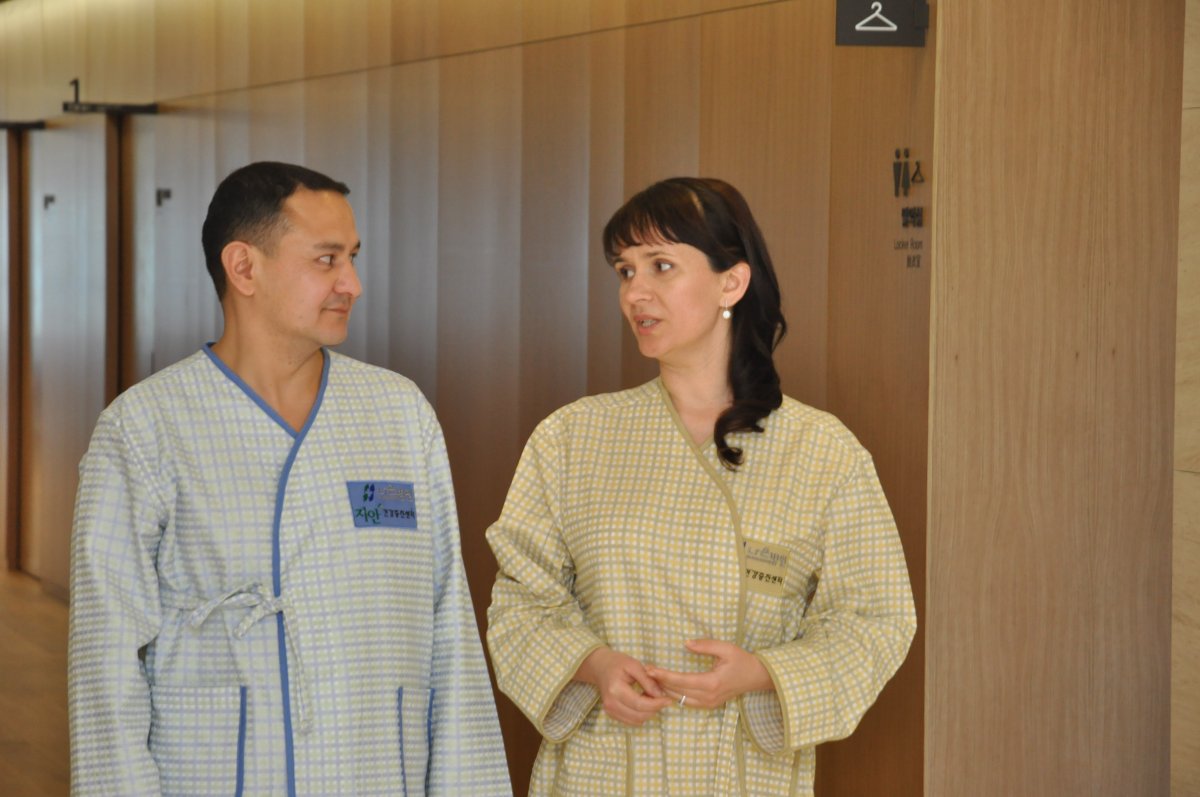

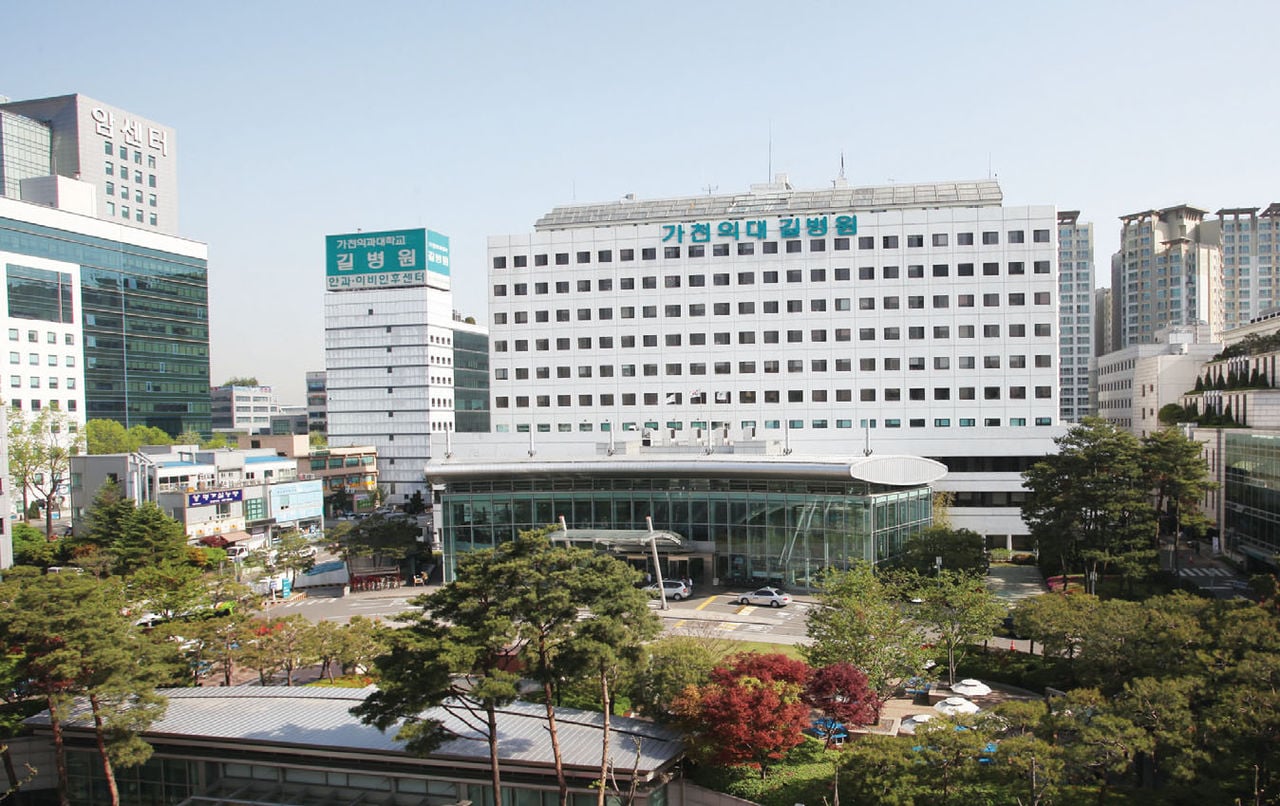












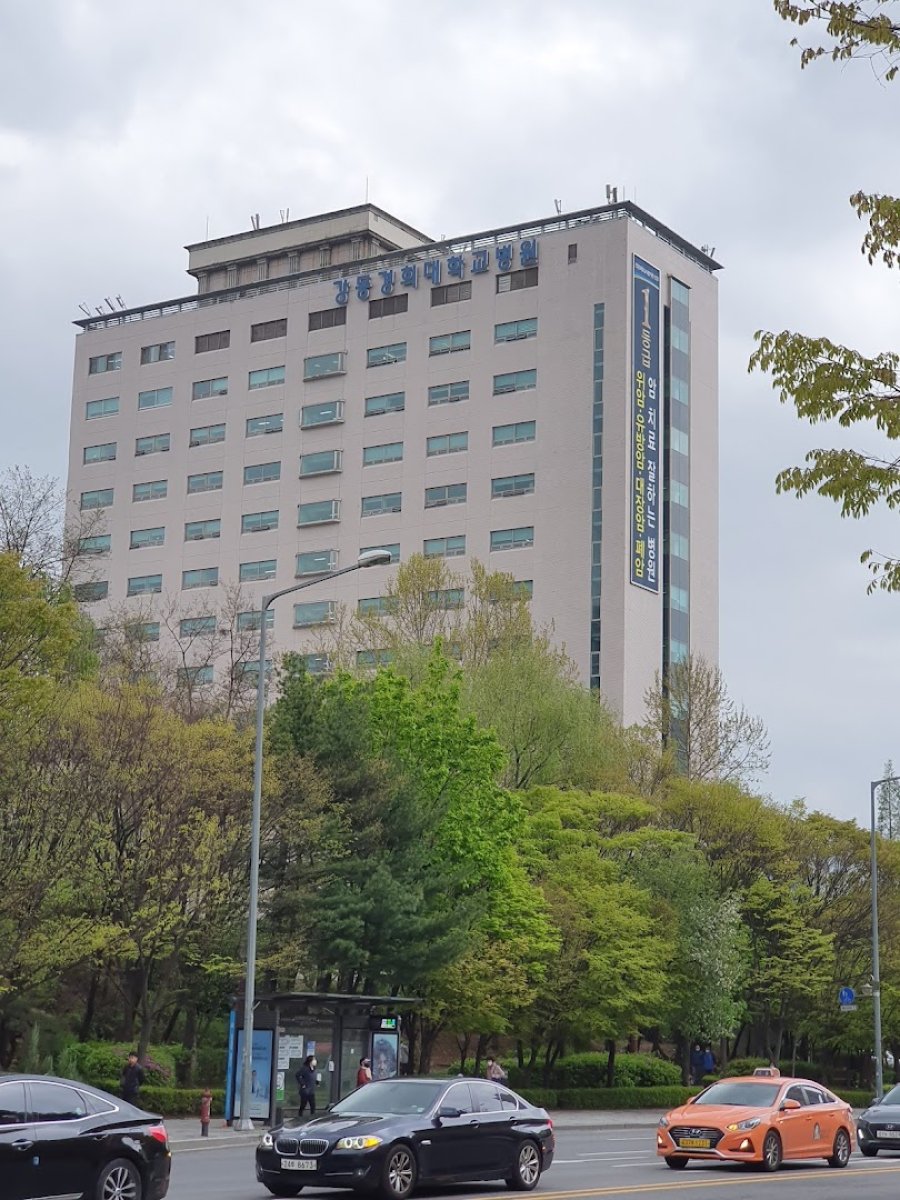
Kyung Hee University Hospital at Gangdong (KUIMS)
Get a Medical Assessment for Hearing loss in Republic of Korea: Consult with Experienced Doctors Now
View all Doctors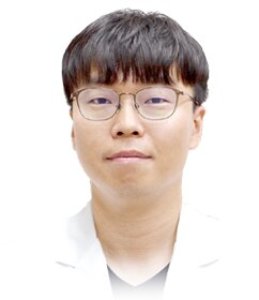
Kim Geonho
Dr. Kim Geonho is an ENT specialist and Head of Otolaryngology at Naeun Hospital. He treats tonsil and adenoid disease, sinusitis, and rhinitis. He also manages snoring and sleep apnea, voice changes from vocal cord disorders, salivary gland disease, and thyroid disorders.
He graduated from Hanyang University College of Medicine. He completed his internship, residency, and clinical fellowship in Otolaryngology at Hanyang University Hospital. He is the former Vice Director of Baro Clinic (ENT). He completed training through the Sleep Polysomnography Quality Control Committee. He is a regular member of the Korean Society of Otorhinolaryngology, the Korean Rhinologic Society, the Korean Otological Society, the Korean Society of Head and Neck Surgery, the Korean Society of Pediatric Otorhinolaryngology, and the Korean Society of Sleep and Breathing.
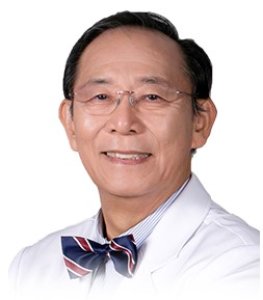
Jwong Myeonghyeon
Dr. Jwong Myeonghyeon is an otolaryngologist (ENT specialist). He holds an MD and PhD and serves as Honorary Medical Director. His clinical focus includes otitis media, tinnitus, dizziness and vertigo, cochlear implants, hearing loss, hearing aids, and pediatric otolaryngology.
He earned his MD and PhD in medicine from Yonsei University. He completed fellowship training at the Otology Research Laboratory at The Ohio State University in the United States.
His leadership roles include Director of the Yonsei University Eye and ENT Hospital. He is Professor Emeritus at Yonsei University College of Medicine. He also served as President of the Korean Otological Society, the Korean Society of Pediatric Otorhinolaryngology, and the Korean Society of Otorhinolaryngology–Head and Neck Surgery. He served as President of the Korea Health Personnel Licensing Examination Institute (REHPEI).
Share this content
Video Stories from Bookimed Patients
 Anna Leonova

Expert Overview about Hearing loss Treatment in Republic of Korea
What are the primary treatment options for hearing loss in South Korea?
Hearing loss treatment in South Korea centers on advanced surgical interventions. Tertiary hospitals specialize in cochlear implants and stapedectomy for profound loss. Leading clinics use digital diagnostic systems to ensure precision. Patients access a tiered medical system from specialized clinics to large university centers.
- Surgical implants: Asan Medical Center has performed over 2,000 cochlear implant procedures.
- Expert volume: Severance Hospital has recorded over 3,000 successful hearing-related surgeries.
- Rapid diagnostics: Seoul National University Bundang Hospital offers 48-hour diagnostic preparation.
- Advanced procedures: Specialists perform stapedectomy for conductive loss in JCI-accredited facilities.
Bookimed Expert Insight: Korea's tiered medical system offers a distinct speed advantage for international patients. While university hospitals like Severance manage massive volumes of 1.6 million outpatients, specialized private clinics like Soree Ear Clinic focus exclusively on ear health. Choosing a specialized clinic may provide faster access to hybrid cochlear implants than the larger 3,700-bed general hospitals.
Which hospitals in South Korea are best known for hearing-loss treatment?
Leading South Korean hospitals for hearing-loss treatment include Asan Medical Center, Seoul National University Hospital (SNUH), and Severance Hospital. These centers specialize in cochlear implants and endoscopic otologic surgery. Most facilities hold JCI or KOIHA accreditations and are recognized by Newsweek as global leaders.
- Asan Medical Center: Performed over 2,000 cochlear implant surgeries with a focus on complex cases.
- Severance Hospital: JCI-accredited facility featuring a dedicated Clinic of Ophthalmology and Otolaryngology.
- SNU Hospital: Manages 3,000 annual surgeries through its specialized Hearing Loss and Dizziness Clinic.
- SNU Bundang Hospital: Utilizes the digital BESTcare system to maximize safety during auditory procedures.
Bookimed Expert Insight: While Asan and SNUH are the highest-volume centers in Seoul, patients seeking faster access should consider Gachon University Gil Medical Center in Incheon. This multidisciplinary hospital serves around 38,000 patients annually and is only a 1-hour drive from Incheon International Airport. It offers a practical alternative for international patients who want to avoid the wait times often associated with the largest tertiary centers in the capital.
Is treatment accessible for non-Korean-speaking patients?
Treatment for hearing loss is highly accessible for non-Korean-speaking patients. Major hospitals in Seoul and Incheon feature dedicated International Healthcare Centers. These facilities provide English-speaking doctors and coordinators to manage cochlear implant placements. Many coordinators assist with logistics, billing, and translation.
- International centers: Major hospitals like Severance Hospital provide multilingual support staff.
- Accredited facilities: Clinics like Asan Medical Center hold JCI and ISO certifications.
- Digital integration: Seoul National University Hospital uses fully digital systems for patient data.
- Emergency support: The 119 service connects foreign callers to professional language interpreters.
Bookimed Expert Insight: While major centers like Severance Hospital serve over 1.6 million outpatients annually, small clinics often lack administrative English support. Patients should prioritize JCI-accredited university hospitals in Seoul to ensure seamless communication during complex cochlear implant procedures. These large institutions often have the administrative infrastructure to handle international insurance and follow-up care without language barriers.
Patient Consensus: Patients note it is important to choose hospitals with dedicated international desks to avoid communication gaps. Using translation apps is helpful for basic needs, but specialized medical terms require professional coordinators.