Arthroscopic Meniscus Repair in Republic of Korea — Get 3 Top Clinic Matches with Costs
An arthroscopic meniscus repair in the Republic of Korea costs $10,000 to $15,000 (Bookimed data, November 2026). It is offered by Leadheal Hospital in Seoul.

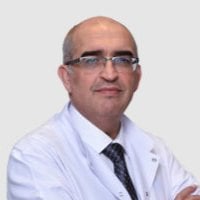
Medically reviewed by
Kayhan Turan
How Much Does Arthroscopic meniscus repair Cost in Republic of Korea?
Arthroscopic meniscus repair in the Republic of Korea typically costs from $10,000 to $15,000. Total expenses depend on the hospital tier, tear complexity, and surgical technique. In the US, this procedure costs $11,800 on average. Standard pricing usually covers the surgical fee, anesthesia, diagnostic MRI, and a short hospital stay of two to four days.
- Hospital tier. Specialized orthopedic clinics in Seoul offer lower facility fees than major university centers.
- Surgical complexity. Trimming damaged tissue is generally faster and less expensive than a complex multi-anchor repair.
- Diagnostic imaging. Pre-operative MRI scans are essential and typically add to the initial consultation costs.
- Post-operative care. Initial physiotherapy sessions and specialized regenerative injections are often billed separately from the surgery.
Bookimed Expert Insight. South Korea is a hub for high-volume knee surgery. Dr. Kim Jin Gu at Myongji Hospital has performed over 3,000 ACL reconstructions. This level of expertise often leads to better long-term joint preservation. Clinics like Leadheal Hospital treat over 44,000 patients annually. Choosing a specialized joint center in Seoul or Incheon ensures access to advanced arthroscopic technology. International patients can often request pre-treatment online consultations to finalize budgets before traveling.
| Republic of Korea | Turkey | Austria | |
|---|---|---|---|
| Arthroscopic meniscus repair | from $10,000 | from $3,300 | ≈ $4,800 |
Your Benefits and Guarantees with Bookimed
Transparent Prices & Flexible Installments
No hidden fees – just official clinic prices. Pay at the clinic for Arthroscopic meniscus repair upon arrival and use a flexible installment plan if needed.
Verified Clinics & Doctors Only
Bookimed is committed to your safety. We only work with medical institutions that maintain high international standards in Arthroscopic meniscus repair and have the necessary licenses to serve international patients worldwide.
Free 24/7 Assistance
Bookimed offers free expert assistance. A personal medical coordinator supports you before, during, and after your treatment, solving any issues. You're never alone on your Arthroscopic meniscus repair journey.

Your personal Bookimed medical coordinator
- Supports you at every stage
- Helps choose the right clinic and doctor
- Ensures quick and convenient access to information
Discover the Best Arthroscopic meniscus repair Clinics in Republic of Korea: 2 Verified Options and Prices
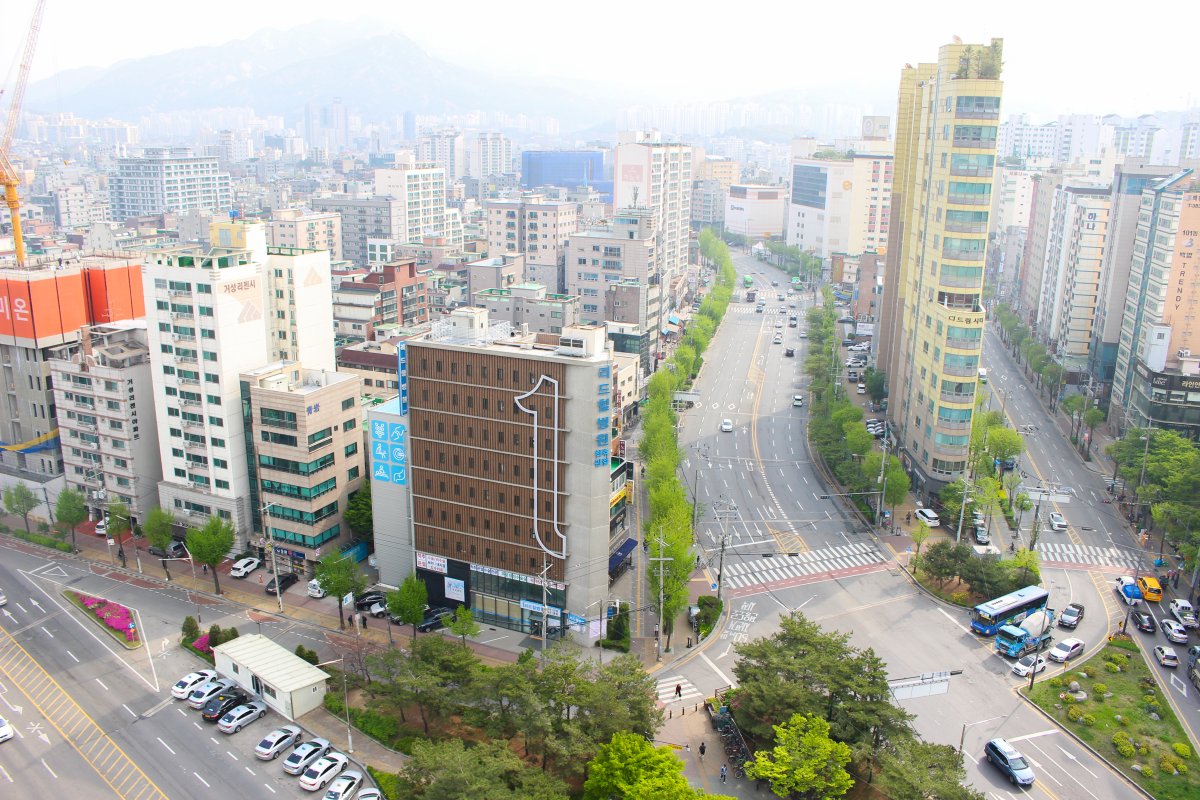
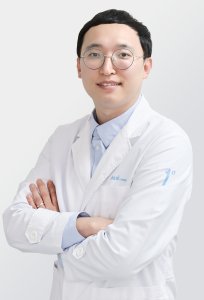
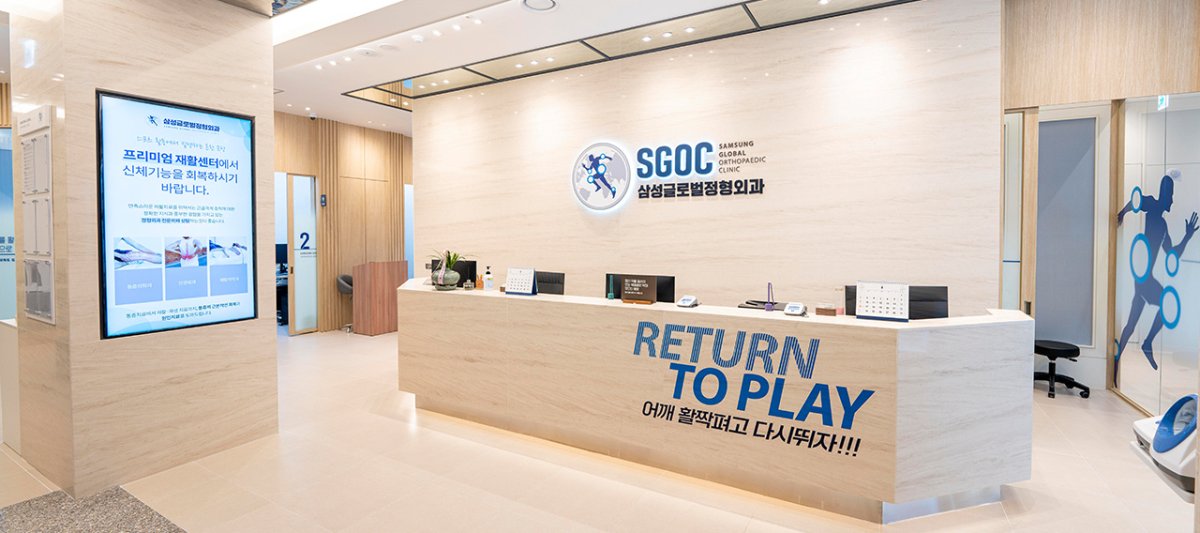
Samsung Global Orthopedic Clinic (SGOC)
Arthroscopic meniscus repair Overview in Republic of Korea
- Bookimed deposit: $200 or €200.
- Clinic deposit: Pay a set percentage in advance.
Our Trusted Doctors
View all Doctors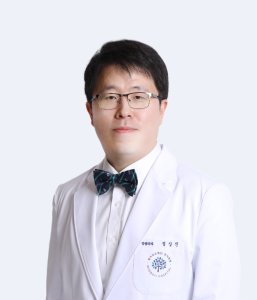
Jung Sang Jin
Dr. Jung Sang Jin is a Clinical Professor of Orthopedic Surgery at Myongji Hospital, an educational partner of Hanyang University. He specializes in joint replacement, knee conditions, lower-extremity trauma, diabetic foot, arthritis, and osteoporosis.
He earned his MD and MSc from Konyang University. He completed his internship and orthopedic residency at Konyang University Hospital. He then finished a hip and knee arthroplasty clinical fellowship at Samsung Medical Center. He also completed AO Recon advanced arthroplasty training in Davos. In addition, he finished the AO Trauma Masters and AO Recon Hip and Knee courses. He is a member of the Korean Orthopaedic Association, Korean Knee Society, Korean Fracture Society, Korean Society of Sports Medicine, Korean Hip Society, and AO Trauma and AO Recon. He has published on hip replacement outcomes. He received a KOA poster award in 2023.
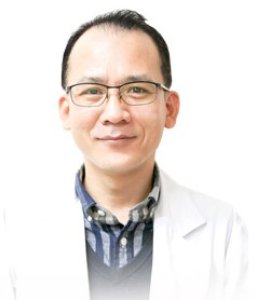
Lee Dongyeop
Dr. Lee Dongyeop is an orthopedic surgeon specializing in arthroscopy and joint replacement. He performs arthroscopic surgery (joint endoscopy) and total knee replacement. He treats shoulder disorders, sports injuries, and chronic knee conditions.
Credentials: M.D.-Ph.D. combined program, The Catholic University of Korea Graduate School of Medicine. Internship and orthopedic surgery residency, The Catholic University of Korea Catholic Medical Center. Clinical Instructor (fellow), Seoul St. Mary's Hospital, The Catholic University of Korea.
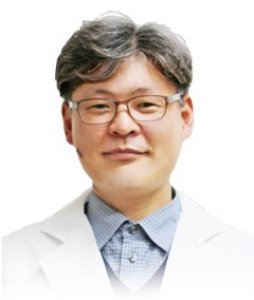
Yang Yeongjun
Dr. Yang Yeongjun is an orthopedic surgeon focused on joint care and arthroscopy. He treats knee and shoulder disorders and performs arthroscopic surgery and joint replacement (arthroplasty). He also manages trauma and sports conditions, including sports injuries, foot and ankle problems, carpal tunnel syndrome, and fractures.
He completed his orthopedic surgery residency at Catholic Medical Center. He then completed a fellowship at Catholic Medical Center St. Paul’s Hospital. He is a full member of the Korean Arthroscopy Society, the Korean Knee Society, and the Korean Shoulder and Elbow Society.
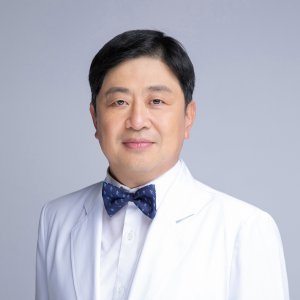
Kim Jin Gu
Dr. Kim Jin Gu is a Korean orthopedic surgeon who specializes in knee surgery and sports medicine. He is the Medical Director and the Sports Medicine Center Director at Myongji Hospital. His main areas are ACL reconstruction, meniscus surgery and transplantation, knee arthroscopy, and knee replacement. He offers pre‑treatment online consultations for international patients.
In 2022 he surpassed 3,000 ACL reconstructions over more than 25 years of practice. He trained at the University of Pittsburgh. He introduced advanced ACL techniques. His team uses the CUVIS Joint robot for precise knee replacement. He serves as Vice President of the Korean Society of Sports Medicine. He is a council member of the Korean Knee Society and the Korean Arthroscopy Society. He serves on the editorial boards of the American Journal of Sports Medicine and Arthroscopy and Orthopedic Sports Medicine. His awards include Best Paper and Most Cited (Korean Knee Society), Best Paper (Korean Arthroscopy Society), and Best Doctor (Korean Athletic Trainers Association). He earned his MD from Seoul National University. He completed his MS and PhD at Inje University. He is the lead author of Knee Arthroscopy—Up‑to‑Date Guide (Springer).
Reviews about Bookimed: Discover Patients' Insights
All reviewsShare this content
Video Stories from Bookimed Patients
 Anna Leonova
FAQ about Arthroscopic meniscus repair in Republic of Korea
Do I need a visa to South Korea?
Today, South Korea has visa-free agreements with 112 states. None visa is required for stays under 90 days or less. To stay longer in this country, you need a visa. What states need a visa for treatment in South Korea and what countries can cross the border free and easy read here.
What is the level of medicine in South Korea?
Healthcare is the key development sector of the Korean government. The Korean authorities are convinced that care for the citizens' health should be an absolute priority of state policy and spend about 1 billion a year for medical tourists attraction.
According to Mark Britnell, hospitals dominate the health system. 94% of hospitals are privately owned.
What are the most popular plastic surgery procedures?
According to ASPS statistics, 17.7 mln cosmetic surgeries and 5.8 mln reconstructive procedures have been performed in 2018. Among cosmetic procedures the most popular are:
- breast augmentation
- liposuction
- rhinoplasty (nose job)
- eyelid surgery
- tummy tuck.
Tumor removal, laceration repair, maxillofacial surgery, scar revision, hand surgery are the most common operations in the context of reconstructive surgery.
What documents are required to apply for a visa to South Korea for treatment?
Visas for travel to South Korea require a number of documents. The necessary papers can be submitted 90 days before the planned departure. Lists of documents includes:
- ID card
- confirmation of online registration and filling out the questionnaire
- certificate of income and availability of funds
- insurance policy for a stay in South Korea (original and copy)
- 2 photos (5x6)
- visa receipt
- booking of flight and hotel
- medical opinion about the need for treatment.
What should you know about South Korea before the trip?
Currency | South Korean Won (you also can pay for services in dollars) |
Best period for the trip | April, May & June or September, October & November. |
Language | Korean (most of medical staff speaks English fluently) |
Visa | none required for stays under 90 days or less |
Time difference with Europe | 9 hours |
Time difference with the USA | 9 hours |
Capital | Seoul |
Medical tourism center | Seoul |
Popular resorts | Gangwon-do, Gyeongju, Boseong, Jeju |
What hotel services are provided here?
In South Korea, hotels of different price ranges and service levels are presented. Most tourists choose 4 and 5 star hotels with all-inclusive meals. Such hotels have everything for a comfortable stay: varied food, a large well-groomed territory, animation for children and adults. Some hotels have their own water park, which guests can use for free. Budget travelers can afford to book an economical 3-star hotel with half board or no meals at all.