CT of Thoracic, Abdominal and Pelvic Organs in Republic of Korea — Get 3 Top Clinic Matches with Costs


Medically reviewed by
Fahad Mawlood
How Much Does CT of thoracic, abdominal and pelvic organs Cost in Republic of Korea?
In the Republic of Korea, this combined CT costs from $1,500 to $2,500. Cost depends on bundling, contrast use, and imaging protocol. Facility and city also affect the quote. The US average is $1,900; Korea offers savings of 21% versus the US. A combined scan covers the chest, abdomen, and pelvis within one diagnostic plan.
- Contrast use: Contrast-enhanced imaging can add charges because it requires contrast material and protocol planning.
- Bundled imaging: A combined protocol may reduce separate-session charges when all three regions are scanned together.
- Facility type: Private centers and university hospitals may quote differently because they offer different service settings.
- International services: Coordination or interpretation can add services to the bill. Hospital arrangements may also include reporting or an initial consultation.
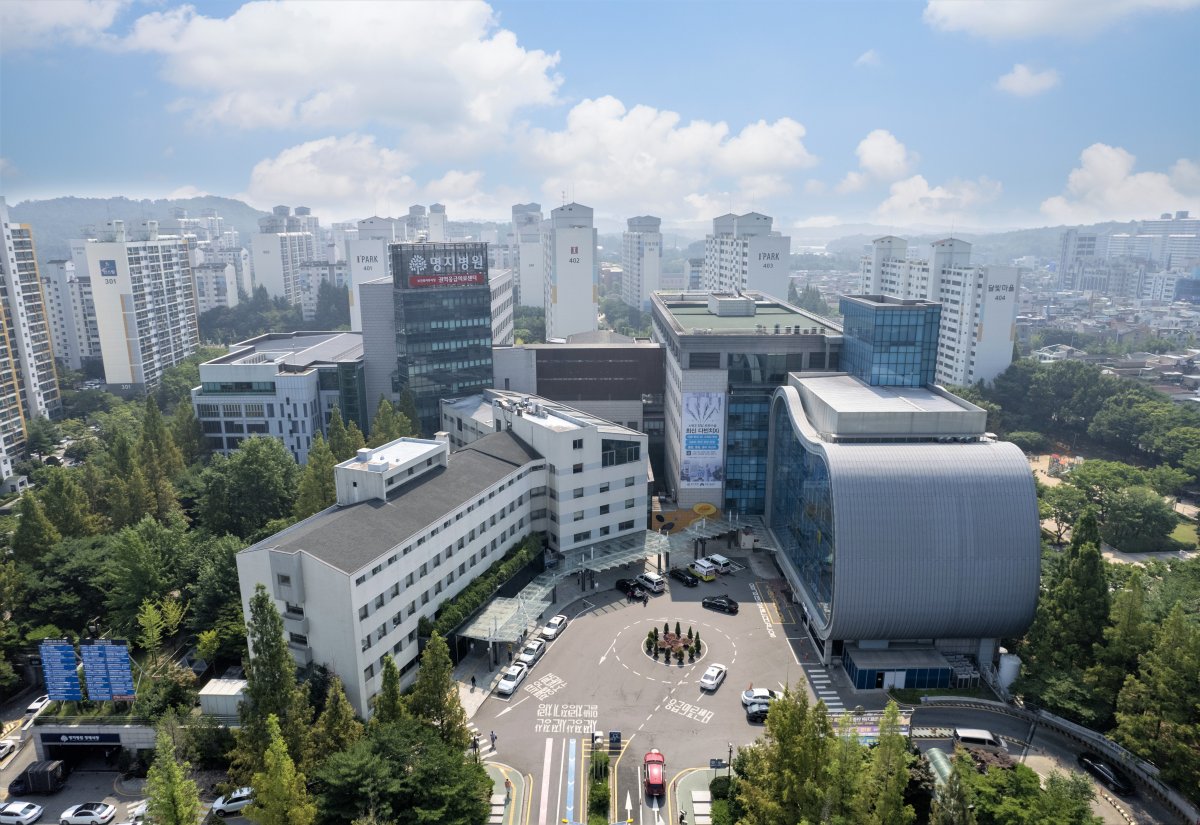
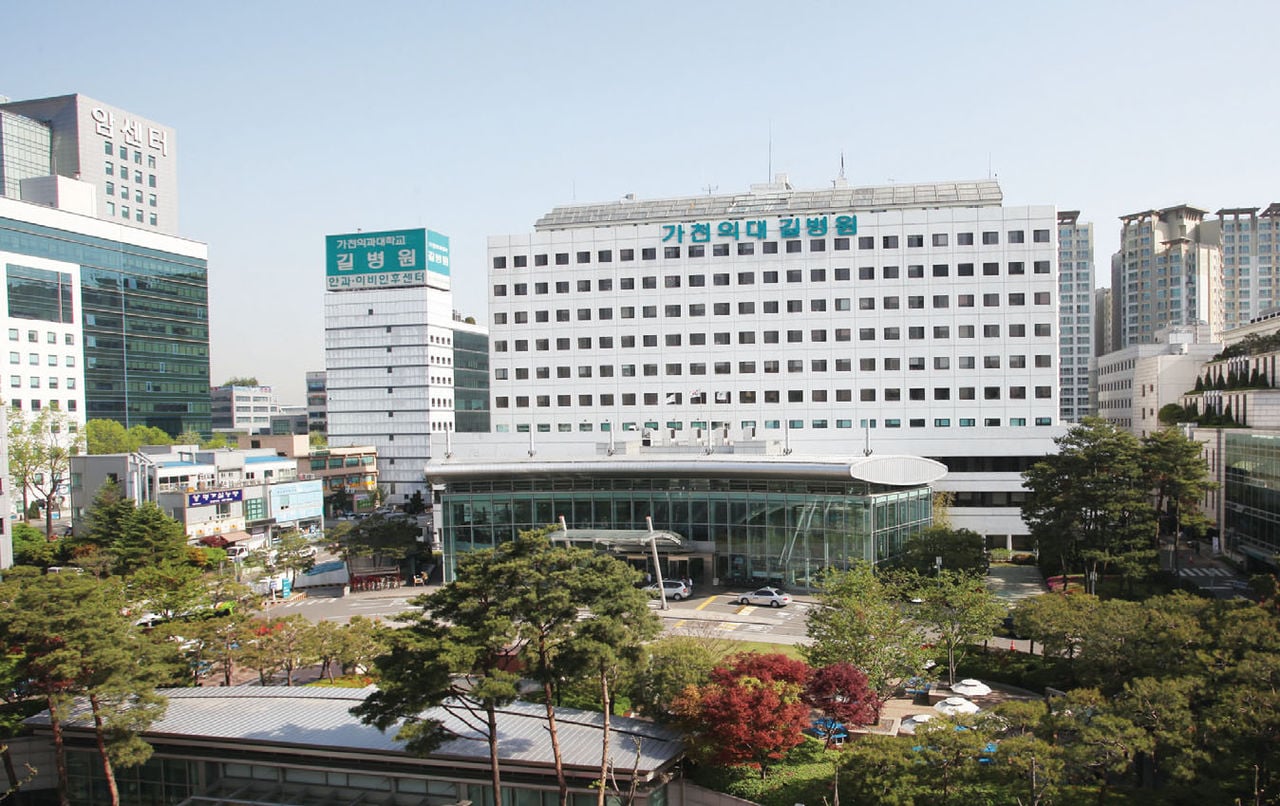
Bookimed Expert Insight: The smartest comparison is the full imaging plan, not just the scan label. Patients can ask whether contrast, reporting, interpretation, and an initial consultation are included. In Seoul, Samsung Medical Center shares CT and MRI images through an integrated digital system. Myongji Hospital in Goyang offers appointment coordination and interpretation through its International Healthcare Center. Options listed also include Incheon, giving patients several cities to consider.
| Republic of Korea | Turkey | Austria | |
|---|---|---|---|
| CT of thoracic, abdominal and pelvic organs | from $1,500 | from $270 | ≈ $450 |
Your Benefits and Guarantees with Bookimed
Transparent Prices & Flexible Installments
No hidden fees – just official clinic prices. Pay at the clinic for CT of thoracic, abdominal and pelvic organs upon arrival and use a flexible installment plan if needed.
Verified Clinics & Doctors Only
Bookimed is committed to your safety. We only work with medical institutions that maintain high international standards in CT of thoracic, abdominal and pelvic organs and have the necessary licenses to serve international patients worldwide.
Free 24/7 Assistance
Bookimed offers free expert assistance. A personal medical coordinator supports you before, during, and after your treatment, solving any issues. You're never alone on your CT of thoracic, abdominal and pelvic organs journey.

Your personal Bookimed medical coordinator
- Supports you at every stage
- Helps choose the right clinic and doctor
- Ensures quick and convenient access to information
Discover the Best CT of thoracic, abdominal and pelvic organs Clinics in Republic of Korea: 12 Verified Options and Prices
















Our Doctors
View all Doctors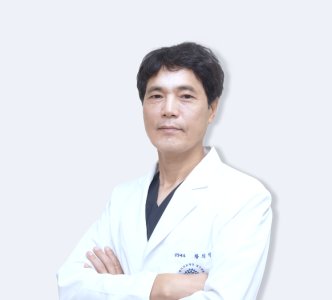
Hwang Ui Seok
Dr. Hwang Ui Seok, MD, PhD, is a cardiologist. He is Director of the Arrhythmia Center at Myongji Hospital and a Clinical Professor of Cardiology. His expertise includes arrhythmias and syncope, radiofrequency catheter ablation, pacemakers and ICDs, and cardiac and vascular interventions. He also treats angina, heart failure, hypertension, and hyperlipidemia.
He earned his MD from Seoul National University. He completed his MS and PhD at the University of Ulsan. He finished his residency at Seoul National University Hospital. He trained as a fellow at Asan Medical Center. He also completed a research fellowship at the Cleveland Clinic in the United States. He previously served as a Clinical Assistant Professor at Severance Hospital, Yonsei University.
He is a member of the Korean Association of Internal Medicine and the Korean Society of Cardiology. His publications include a 2010 Circulation Journal paper on irrigated catheters for AF ablation and a 2007 Atherosclerosis paper on serial IVUS of ruptured plaques.

Choi Han Yong
Dr. Choi Han Yong leads the Urology Department at Samsung Medical Center. He specializes in oncologic surgery for complex cases.
- Heads the Urology Department at one of South Korea's top-tier medical centers
- Specializes in oncosurgery for cancers of the pelvic and abdominal organs
- Expert in interpreting diagnostic scans to plan precise surgical interventions
- Overseas clinical protocols for urological cancer treatment at Samsung Medical Center
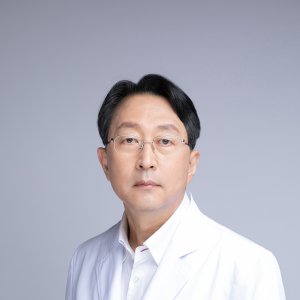
Kim Ki Bong
Professor Kim Ki-bong specializes in CABG, valve surgery, atrial fibrillation, and heart transplantation. He is Director of the Cardiac Surgery and Cardiovascular Centers at Myongji Hospital. He pioneered advanced coronary bypass in Korea. He has extensive OPCAB experience and works on the TECAB team using the da Vinci Xi.
In 2025, his team performed Korea’s first totally endoscopic CABG without cardiopulmonary bypass. In August 2026, they achieved the nation’s first multivessel TECAB.
He is former Chair of Thoracic and Cardiovascular Surgery at Seoul National University College of Medicine. He is also former Chief of the same department at Seoul National University Hospital. He serves on the Editorial Board of The Annals of Thoracic Surgery. He is a member of AATS, STS, and EACTS. He is a past President of the Korean Societies of Coronary Artery Surgery, Surgical Treatment of Arrhythmias, and Thoracic and Cardiovascular Surgery. His research includes 130+ international and 140+ Korean papers. He has given 80+ international and 80+ Korean lectures. He earned his MD, Master’s, and PhD at Seoul National University.
Video Stories from Bookimed Patients
Share this content
 Anna Leonova

FAQ about CT of thoracic, abdominal and pelvic organs in Republic of Korea
Do I need a visa to South Korea?
Today, South Korea has visa-free agreements with 112 states. None visa is required for stays under 90 days or less. To stay longer in this country, you need a visa. What states need a visa for treatment in South Korea and what countries can cross the border free and easy read here.
What is the level of medicine in South Korea?
Healthcare is the key development sector of the Korean government. The Korean authorities are convinced that care for the citizens' health should be an absolute priority of state policy and spend about 1 billion a year for medical tourists attraction.
According to Mark Britnell, hospitals dominate the health system. 94% of hospitals are privately owned.
What are the most popular plastic surgery procedures?
According to ASPS statistics, 17.7 mln cosmetic surgeries and 5.8 mln reconstructive procedures have been performed in 2018. Among cosmetic procedures the most popular are:
- breast augmentation
- liposuction
- rhinoplasty (nose job)
- eyelid surgery
- tummy tuck.
Tumor removal, laceration repair, maxillofacial surgery, scar revision, hand surgery are the most common operations in the context of reconstructive surgery.
What documents are required to apply for a visa to South Korea for treatment?
Visas for travel to South Korea require a number of documents. The necessary papers can be submitted 90 days before the planned departure. Lists of documents includes:
- ID card
- confirmation of online registration and filling out the questionnaire
- certificate of income and availability of funds
- insurance policy for a stay in South Korea (original and copy)
- 2 photos (5x6)
- visa receipt
- booking of flight and hotel
- medical opinion about the need for treatment.
What should you know about South Korea before the trip?
Currency | South Korean Won (you also can pay for services in dollars) |
Best period for the trip | April, May & June or September, October & November. |
Language | Korean (most of medical staff speaks English fluently) |
Visa | none required for stays under 90 days or less |
Time difference with Europe | 9 hours |
Time difference with the USA | 9 hours |
Capital | Seoul |
Medical tourism center | Seoul |
Popular resorts | Gangwon-do, Gyeongju, Boseong, Jeju |
What hotel services are provided here?
In South Korea, hotels of different price ranges and service levels are presented. Most tourists choose 4 and 5 star hotels with all-inclusive meals. Such hotels have everything for a comfortable stay: varied food, a large well-groomed territory, animation for children and adults. Some hotels have their own water park, which guests can use for free. Budget travelers can afford to book an economical 3-star hotel with half board or no meals at all.