Heart cryoablation in Republic of Korea — get 3 personalized clinic matches
Bookimed lists 4 heart cryoablation clinics in the Republic of Korea, in Seoul and Goyang, including KOIHA-accredited clinics. These clinics are rated 4.5/5 in 68 verified patient reviews on Bookimed.


Medically reviewed by
Fahad Mawlood
How it works
How Much Does Heart cryoablation Cost in Republic of Korea?
Heart cryoablation in the Republic of Korea typically costs from $9,500 to $15,500. The final price depends on the hospital tier, the complexity of the arrhythmia, and the specific city. In the United States, patients pay around $62,500 on average. The Republic of Korea offers savings of approximately 80%. Costs generally include the procedure, anesthesia, diagnostic mapping, and a short hospital stay.
- Hospital location: Prices in Seoul may run 15-20% higher than in regional medical centers.
- Advanced cardiac mapping: Using 3D heart mapping technology typically adds 20-30% to the base cost.
- Medical hub selection: Primary treatment centers are located in major hubs like Seoul, Incheon, and Gyeonggi-do.
- Alternative techniques: Radiofrequency ablation is generally more affordable than cryoablation, though the latter is often preferred.
Bookimed Expert Insight: Choosing a high-volume center like Sejong Hospital in Incheon offers exceptional value. This facility specializes in cardiac interventions and features experts like Dr. Sungho Kim, who has performed over 1,200 procedures. For patients seeking the highest international standards, Samsung Medical Center and Severance Hospital are top-tier choices. These hospitals are recognized by Newsweek and accredited by JCI or KOIHA.
| Republic of Korea | Turkey | Austria | |
|---|---|---|---|
| Heart cryoablation | ≈ $9,500 | from $5,900 | ≈ $14,500 |
| Bundles destruction with catheter (electrophysiology) | ≈ $9,500 | ≈ $4,300 | ≈ $11,500 |
Discover the Best Heart cryoablation Clinics in Republic of Korea: 4 Verified Options and Prices







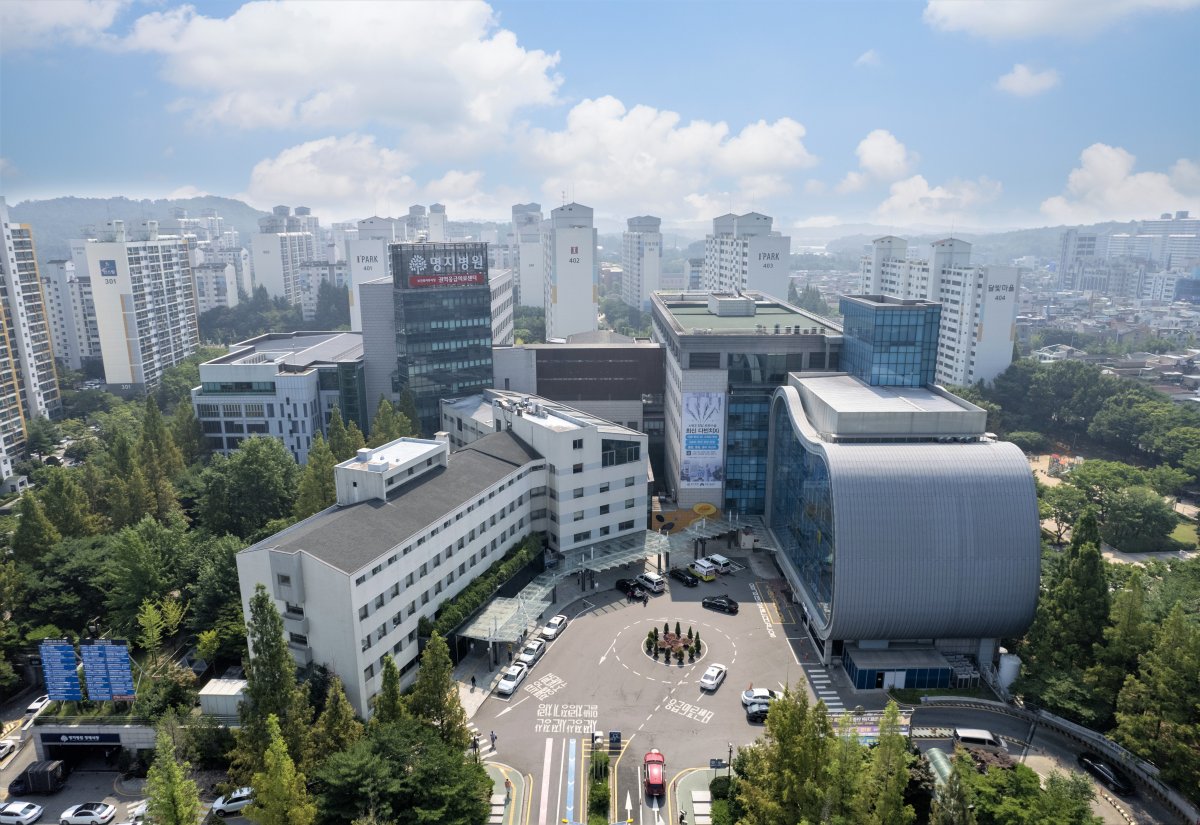


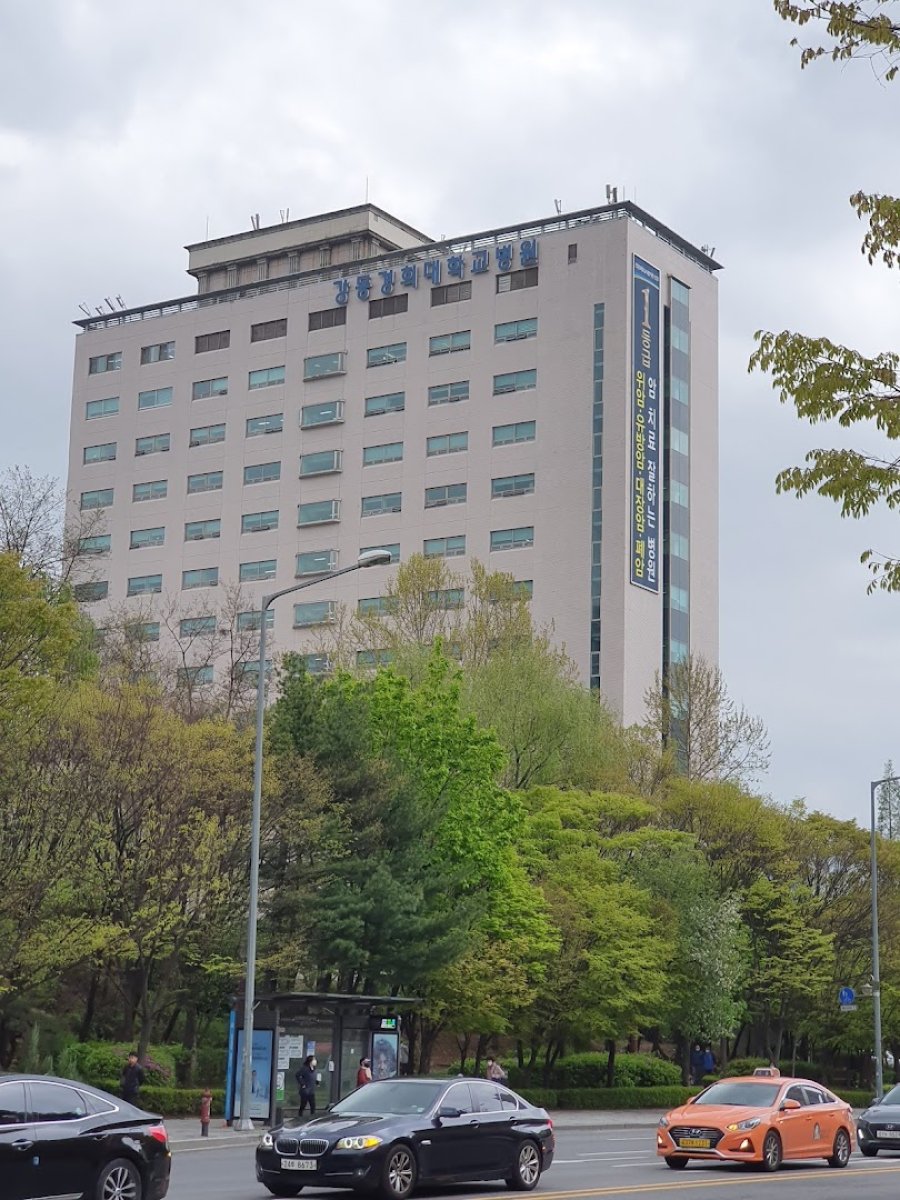
Kyung Hee University Hospital at Gangdong (KUIMS)
Heart cryoablation Overview in Republic of Korea
Day 1 - Arrival
- Transfer from airport to 4* hotel.
- Rest and adjust to the new time zone.
Day 2 - Pre-Operation
- Transfer from hotel to the clinic.
- Consultation with a cardiologist specialist.
- Undergo necessary medical tests like an ECG and blood tests.
- Receive instructions about the upcoming procedure.
Day 3 - Heart Cryoablation
- Admission to the clinic early in the morning.
- Undergo heart cryoablation under general anesthesia.
- The procedure lasts for about 2-4 hours.
- Post-operation monitoring in the recovery room.
Day 4 - Post-Operation
- Stay in the clinic for observation and recovery.
- Receive necessary post-operation care and medication.
Day 5 - Discharge
- Consultation with the cardiologist for post-operation assessment.
- Discharge from the clinic and transfer back to the hotel.
Week 1 - Rehabilitation
- Rest and recovery at the hotel.
- Follow a light physical activity routine.
Week 2-4 - Rehabilitation
- Gradually resume daily activities.
- Return to work if it"s not physically demanding.
Week 5-8 - Rehabilitation
- Resume more strenuous activities and sports.
- Follow-up consultation with a local cardiologist.
Individual results may vary depending on the patient"s overall health and the complexity of the procedure.
- Bookimed deposit: $200 or €200.
- Clinic deposit: Pay a set percentage in advance.
Our Doctors
View all Doctors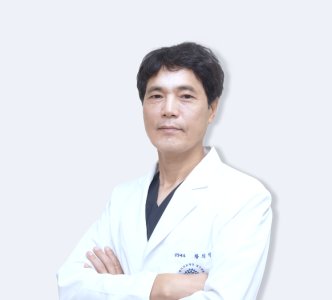
Hwang Ui Seok
Dr. Hwang Ui Seok, MD, PhD, is a cardiologist. He is Director of the Arrhythmia Center at Myongji Hospital and a Clinical Professor of Cardiology. His expertise includes arrhythmias and syncope, radiofrequency catheter ablation, pacemakers and ICDs, and cardiac and vascular interventions. He also treats angina, heart failure, hypertension, and hyperlipidemia.
He earned his MD from Seoul National University. He completed his MS and PhD at the University of Ulsan. He finished his residency at Seoul National University Hospital. He trained as a fellow at Asan Medical Center. He also completed a research fellowship at the Cleveland Clinic in the United States. He previously served as a Clinical Assistant Professor at Severance Hospital, Yonsei University.
He is a member of the Korean Association of Internal Medicine and the Korean Society of Cardiology. His publications include a 2010 Circulation Journal paper on irrigated catheters for AF ablation and a 2007 Atherosclerosis paper on serial IVUS of ruptured plaques.
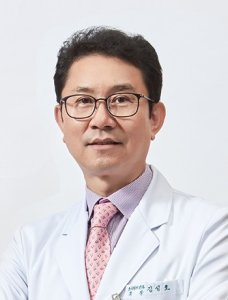
Sungho Kim
40+ years focusing on pediatric cardiology – Dr. Kim has performed 1,200+ cardiac interventions for congenital heart conditions.
- Expert in catheter-based procedures like ASD & VSD closures
- Specializes in minimizing open-heart surgery for children
- Member of multiple international cardiology societies
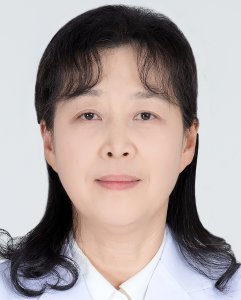
Jieun Ban
Dr. Jieun Ban specializes in pediatric arrhythmias, performing cryoablation procedures for young patients at Bucheon Sejong Hospital.
- Fellowship-trained in pediatric cardiology with electrophysiologic expertise
- Manages complex congenital heart conditions alongside catheter-based treatments
- Skilled in echocardiographic assessment for pre- and post-procedural care
- Collaborates with multidisciplinary teams including cardiac surgeons
- Known for clear communication with families about treatment plans
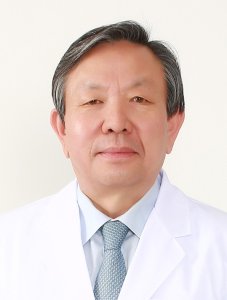
Byung Hee Oh
Professor Byung-Hee Oh is a distinguished cardiologist specializing in complex arrhythmias, including atrial fibrillation, at Incheon Sejong Hospital.
- Decades of clinical experience in cardiovascular medicine
- Former Professor of Cardiology at Seoul National University
- Published hundreds of peer-reviewed papers on cardiovascular conditions
- Held leadership roles in the Korean Society of Cardiology
Video Stories from Bookimed Patients
Share this content
 Anna Leonova

FAQ about Heart cryoablation in Republic of Korea
Do I need a visa to South Korea?
Today, South Korea has visa-free agreements with 112 states. None visa is required for stays under 90 days or less. To stay longer in this country, you need a visa. What states need a visa for treatment in South Korea and what countries can cross the border free and easy read here.
What is the level of medicine in South Korea?
Healthcare is the key development sector of the Korean government. The Korean authorities are convinced that care for the citizens' health should be an absolute priority of state policy and spend about 1 billion a year for medical tourists attraction.
According to Mark Britnell, hospitals dominate the health system. 94% of hospitals are privately owned.
What are the most popular plastic surgery procedures?
According to ASPS statistics, 17.7 mln cosmetic surgeries and 5.8 mln reconstructive procedures have been performed in 2018. Among cosmetic procedures the most popular are:
- breast augmentation
- liposuction
- rhinoplasty (nose job)
- eyelid surgery
- tummy tuck.
Tumor removal, laceration repair, maxillofacial surgery, scar revision, hand surgery are the most common operations in the context of reconstructive surgery.
What documents are required to apply for a visa to South Korea for treatment?
Visas for travel to South Korea require a number of documents. The necessary papers can be submitted 90 days before the planned departure. Lists of documents includes:
- ID card
- confirmation of online registration and filling out the questionnaire
- certificate of income and availability of funds
- insurance policy for a stay in South Korea (original and copy)
- 2 photos (5x6)
- visa receipt
- booking of flight and hotel
- medical opinion about the need for treatment.
What should you know about South Korea before the trip?
Currency | South Korean Won (you also can pay for services in dollars) |
Best period for the trip | April, May & June or September, October & November. |
Language | Korean (most of medical staff speaks English fluently) |
Visa | none required for stays under 90 days or less |
Time difference with Europe | 9 hours |
Time difference with the USA | 9 hours |
Capital | Seoul |
Medical tourism center | Seoul |
Popular resorts | Gangwon-do, Gyeongju, Boseong, Jeju |
What hotel services are provided here?
In South Korea, hotels of different price ranges and service levels are presented. Most tourists choose 4 and 5 star hotels with all-inclusive meals. Such hotels have everything for a comfortable stay: varied food, a large well-groomed territory, animation for children and adults. Some hotels have their own water park, which guests can use for free. Budget travelers can afford to book an economical 3-star hotel with half board or no meals at all.