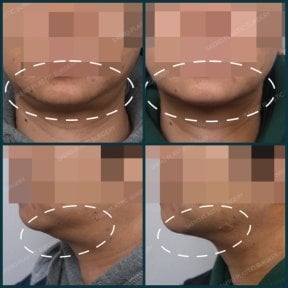
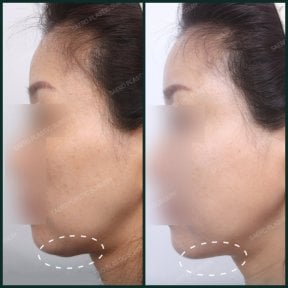
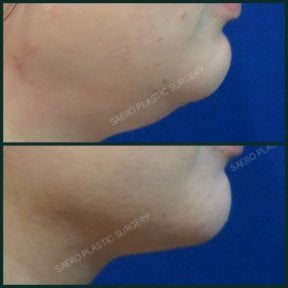
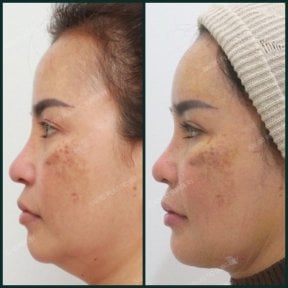
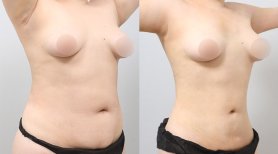
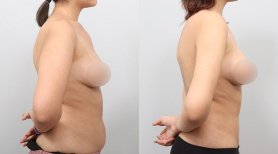
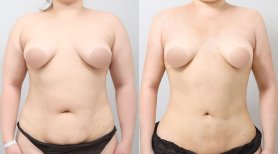
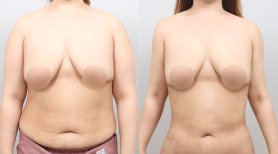
What is liposuction?
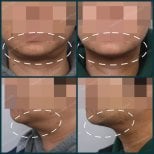
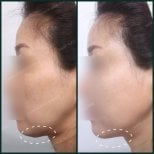
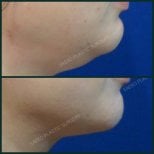
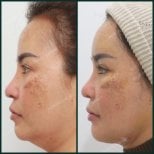
Liposuction is a plastic surgery procedure to remove excess fatty tissue through small punctures on the skin using specialized equipment. The procedure is divided into different types depending on the area to be treated (abdominal fat removal, buttock contouring, neck sculpting, knee reshaping, and other body areas).
|
BMI (body mass index)
|
under 30–35 kg/m²
|
|
Duration
|
1–5 hours
|
|
In-hospital stay
|
2 days
|
|
Recovery period
|
2–3 weeks
|
Who benefits from the procedure?
The main indication for the surgery is excess fat that deforms the body contours. Surgeons perform the procedure locally, targeting specific areas such as the abdomen, thighs, knees, neck, buttocks, and other problem zones.
Most plastic surgeons recommend a BMI under 30–35 for optimal safety and results. However, specialized high-BMI liposuction is available for patients with up to BMI 42 at accredited facilities with appropriate protocols. For individuals with localized fat deposits, this surgery is an excellent option to achieve improved body contours and regain their desired figure effectively.
The procedure works best for people with good skin tone and elasticity because it helps form new body contours without creating wrinkles or sagging.
A person must be over 18 years old and have good overall health status. Those with severe chronic illnesses cannot undergo this surgical intervention.
What is preoperative preparation for the surgery?
Before the fat removal procedure, a patient undergoes comprehensive lab tests. These include blood and urine analysis, as well as an ECG.
A plastic surgeon examines the patient and discusses the volume of intervention required. Then an anesthesiologist determines the appropriate type of anesthesia for the procedure.
If there are no contraindications, the surgery is scheduled for the following day.
What is the surgical process?
Doctors conduct the procedure under local or general anesthesia. The anesthetic type depends on the location of the problem area and its size.
The plastic surgeon begins the fat removal process using a thin tube-shaped instrument called a cannula. Through 3–6 mm incisions, excess fat is carefully extracted from the targeted areas using gentle suction.
Modern techniques utilize specialized cannulas ranging from 3–6 mm in diameter. The tumescent technique, considered the gold standard for safety, involves injecting a solution containing lidocaine and epinephrine to minimize bleeding and provide anesthesia. According to medical guidelines, no more than 5 liters of total aspirate should be removed in a single session to maintain patient safety.
The procedure is carried out slowly and meticulously to avoid nerve and vessel injuries, while ensuring symmetrical body contours.
Treatment of one area typically takes 1–1.5 hours. If a doctor operates on several areas, the duration may extend up to 5 hours depending on the complexity.
In some cases, specialists perform abdominoplasty after abdominal fat removal. This combination helps achieve better results and prevents asymmetry.
What rules should I follow during postoperative rehabilitation?
Immediately after the surgery, a doctor places a special compression garment on the operating area. This garment speeds up tissue recovery, reduces swelling, and improves skin retraction. Patients are prescribed to wear this garment for 4–10 weeks.
Hospitalization after the procedure typically lasts 2 days in most cases. If there are no complications and the treatment area is small, a patient may be discharged the same day. For more extensive procedures, hospital stay can extend up to 2 days.
Patients usually stay in the country for 10 days total. The sutures are removed after 7 days. Clinical studies show that 75% of patients return to normal activities within 2–3 weeks, with modern techniques like power-assisted liposuction allowing patients to resume activities 5–7 days sooner than traditional methods.
To maintain the new body shape, it is essential to follow a healthy diet and lead an active lifestyle. Without these lifestyle changes, weight gain may occur in other areas.
What results can I expect after the procedure?
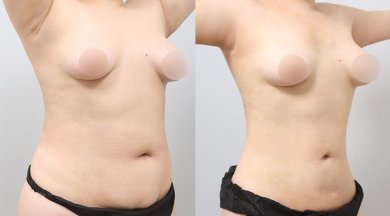
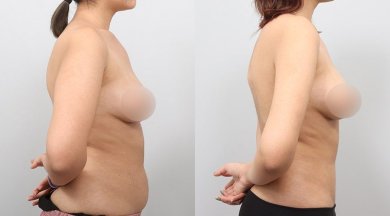
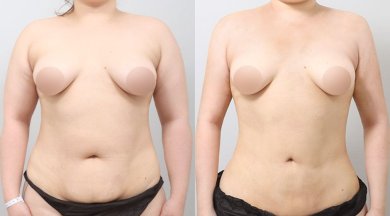
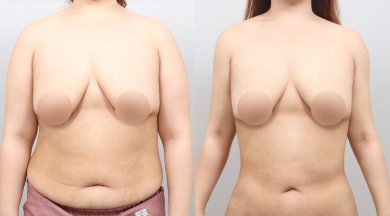
Fat removal results are not immediately visible until swelling decreases. Most edema (swelling caused by fluid retention) reduces within about 4 weeks, and the treated areas become noticeably smaller and more contoured.
Patient satisfaction rates are consistently high, with a national survey of 688 patients showing 91% were positive about their decision to have liposuction and 84% reported high satisfaction levels at 6-month follow-up. Final results become fully visible after 3–6 months as residual swelling completely resolves.
People who maintain their fitness usually achieve excellent and long-lasting results. Those who gain weight after the procedure may find that their fat distribution pattern changes. For example, individuals who previously had fat accumulation in their thighs may discover that their buttocks become a new problem area.
What are the risks of the surgery?
According to a comprehensive 2024 systematic review of 29,368 patients, liposuction proceeds without complications in over 97% of cases. A separate 2025 nationwide analysis of 69,424 patients confirmed an overall complication rate of 1.16% for liposuction performed alone, demonstrating the procedure's safety when performed by qualified surgeons.
The following risks and potential complications are possible:
- bruising — can last for several weeks;
- inflammation — may take up to 6 months to resolve;
- thrombophlebitis — blood clot formation in a vein;
- contour irregularities — if the skin has low elasticity, it may appear saggy and wavy (occurs in 2.35% of cases);
- numbness — the affected area may feel numb, but this is usually temporary;
- infections — rarely occur (0.020% of cases), sometimes requiring surgical treatment with risk of scarring;
- kidney or heart problems — as fluids are injected during the operation, changes in fluid levels can cause organ complications;
- pulmonary embolism — fat enters blood vessels and lungs, blocking circulation;
- allergic reaction — patients may be allergic to medications or materials used during surgery (0.16% of cases);
- skin burns — cannula movement can cause injuries, especially with ultrasonic and laser techniques.
Emergency symptoms requiring immediate medical attention:
- Severe shortness of breath
- Chest pain
- Uncontrolled bleeding
- High fever (over 101°F/38.3°C)
- Sudden swelling or pain in the legs
- Signs of infection (increasing redness, warmth, pus)
While complications can occur, procedures proceed without major issues when performed at accredited facilities by board-certified surgeons. Patients should discuss individual risk factors with their surgeon, as outcomes may vary based on health status, BMI, and chosen technique.
What areas are suitable for treatment?
The procedure is performed on the following body areas:
What should you know about South Korea before the trip?
|
Currency
|
South Korean Won (you also can pay for services in dollars)
|
|
Best period for the trip
|
April, May & June or September, October & November
|
|
Language
|
Korean (most medical staff speaks English fluently)
|
|
Visa
|
none required for stays under 90 days or less
|
|
Time difference with Europe
|
7–8 hours
|
|
Time difference with the USA
|
14–17 hours
|
|
Capital
|
Seoul
|
|
Medical tourism center
|
Seoul
|
|
Popular resorts
|
Gangwon-do, Gyeongju, Boseong, Jeju
|
What is the level of medicine in South Korea?
Healthcare is a key development sector for the Korean government. Korean authorities prioritize citizen health as an absolute priority of state policy and invest approximately 1 billion dollars annually to attract medical tourists.
Leading facilities such as SAERO Plastic Surgery (5.0/5 rating) and VG Plastic Surgery (4.8/5 rating) in Seoul demonstrate this commitment to medical excellence, verified through rigorous quality assessment.
Why is South Korea popular for medical tourism?
South Korea has gained global recognition due to its highly skilled doctors who undergo internships in American and European institutions. Leading specialists such as Dr. Tak Seung Wan (Dr. Tak Plastic Surgery) and Dr. Nam Jae Sung (VG Plastic Surgery) exemplify this expertise in liposuction procedures.
According to official Korean health statistics, 114,000 foreign patients visited South Korea for plastic and cosmetic surgery in 2023, representing a strong recovery from the COVID-19 pandemic. The country's cosmetic surgery market was valued at $2.47 billion in 2024.
According to Bookimed data, South Korea is a leading destination for medical tourists because of competitive costs. Liposuction procedures range from $1,000 to $6,400 in South Korea compared to $6,000–$12,000 in the United States, representing savings of 60–70% even including travel expenses.
What hotel services are provided?
In South Korea, hotels of different price ranges and service levels are available. Most tourists choose 4 and 5 star hotels with comprehensive meal plans. Such hotels offer everything for a comfortable stay: varied dining options, well-maintained facilities, and entertainment for children and adults. Some hotels feature their own water parks, which guests can use at no additional cost. Budget travelers can book economical 3-star hotels with half board or no meals included.
Do I need a visa to South Korea?
Currently South Korea has visa-free agreements with 112 countries. No visa is required for stays of 90 days or less. To stay longer in this country, you need to obtain a visa. Information about which countries need a visa for treatment in South Korea and which nations can cross the border freely can be found in official travel guidelines.
What documents are required to apply for a visa to South Korea for treatment?
Visas for travel to South Korea require several specific documents. The necessary papers can be submitted 90 days before the planned departure. The document list includes:
- valid passport or ID card;
- confirmation of online registration and completed questionnaire;
- certificate of income and proof of available funds;
- insurance policy for stay in South Korea (original and copy);
- 2 photos (5x6 cm);
- visa application receipt;
- flight and hotel booking confirmations;
- medical opinion documenting the need for treatment.