To homepage

How it works

We've transformed the clinic search process, making it simple, fast, and personal.
Answer a few questionsTake a short quiz to share your Nasal hump removal goals.
Get personalized offers3 clinics, handpicked based on your answers, provide tailored treatment plans and quotes.
Choose the best optionCompare offers and choose the clinic that suits you best.
You can also browse all 8 clinics below.
820К+ patients have got assistance since 2014
50 countries
1,500 clinics
6K+ reviews
3K+ qualified doctors

How Much Does Nasal hump removal Cost in Republic of Korea?

Nasal hump removal in the Republic of Korea typically costs from $3,800 to $6,800. Final pricing depends on surgical complexity, the need for osteotomy, and use of autologous cartilage. In the US, similar procedures cost around $16,300 on average. Patients save around 67% compared to US prices. Inclusions often feature airport transfers, multilingual coordination, and post-operative deswelling treatments.

  • Clinic location: Facilities in Seoul districts like Gangnam or Apgujeong often charge a 20% premium.
  • Surgical complexity: Using rib cartilage instead of septal cartilage can significantly increase the total cost.
  • Technique variation: Simple hump reduction is more affordable than procedures requiring narrowing of the nasal bone.
  • Non-surgical options: Liquid rhinoplasty using fillers offers a lower-cost alternative for masking minor dorsal humps.

Bookimed Expert Insight: High-volume clinics in Seoul provide exceptional value through specialized expertise and advanced safety systems. JK Plastic Surgery Center maintains a 20-year history with over 85,000 successful procedures. Meanwhile, VG Plastic Surgery is accredited by KOIHA and attracts patients from 47 different countries. Choosing these established centers ensures access to board-certified surgeons like Park Sangwook or Kang Moon Seok. Foreign tourists can also reclaim a 7% to 10% VAT refund at the airport.
Data verified by Bookimed as of August 2026, based on patient requests and official quotes from 80 clinics worldwide. Median costs are based on real invoices (2025–2026) and updated monthly. Actual prices may vary.

Nasal hump removal Packages in Republic of Korea — August 2026

Procedure type
  • Park Young Kyu received the Top Medical Resident award from the Korean Society of Plastic and Reconstructive Surgeons for his surgical excellence in rhinoplasty procedures.
  • SAERO Plastic Surgery treats approximately 700 adult patients annually from Europe, Asia, the USA, and Australia, all under one specialist’s care.
  • Included Services: Post-operative care, wound care, hyperbaric oxygen therapy, follow-up examination, blood tests, consultation with surgeon.
  • Stay Info: 7 days hotel stay recommended; accommodation is not included in the price.

Discover the Best Nasal hump removal Clinics in Republic of Korea: 8 Verified Options and Prices

The Bookimed clinic ranking is based on data science algorithms, providing a trusted, transparent, and objective comparison. It takes into account patient demand, review scores (both positive and negative), the frequency of updates to treatment options and prices, response speed, and clinic certifications.
VG Plastic Surgery
AB Plastic Surgery
JK Plastic Surgery Center
Seoul Miz Hospital (서울미즈병원)
Hyundai Aesthetic Surgery Clinic (Hyundai Mihak Plastic Surgery / 현대미학성형외과, 현대로미학성형외과)

Nasal hump removal Overview in Republic of Korea

Takeaways
Related procedures & Costs
How it works
What to expect
Benefits
Payment
patients recommend -
85%
Surgery Time - 1 hour
Stay in the country - 2 days
Rehabilitation - 1 day
Anesthesia - Local anesthesia
Requests processed - 110449
Verified patient reviews - 8
Bookimed fees - $0

Our Trusted Doctors

View all Doctors
verified

Park Sangwook

10 years of experience

Board-certified plastic surgeon and current director at VG Plastic Surgery, specializing in nasal procedures.

  • Trained in plastic and reconstructive surgery at Seoul St. Mary's Hospital
  • Member of multiple prestigious Korean plastic surgery societies
  • Specializes in minimal invasive techniques for facial procedures
verified

Seung-hyung Noh

26 years of experience

Dr. Seung-hyung Noh specializes in revision nasal surgeries, focusing on precision and natural-looking outcomes. He trained at Columbia University and excels in complex cases.

  • Board-certified plastic and reconstructive surgeon
  • Expert in minimal intervention techniques
  • Member of Korean Society of Plastic and Reconstructive Surgeons
  • Trained at Hanyang University and Columbia University
verified

Lee Hyuck Jae

19 years of experience

Board-certified plastic surgeon specializing in rhinoplasty, with membership in five prestigious Korean surgical societies.

  • Graduate of Chosun University College of Medicine
  • Trained at Bundang Jesaeng Hospital
  • Member of the Rhinoplasty Research Association
  • Former plastic surgeon at Yuno and Do Dream clinics
verified

Jooyoung Park

18 years of experience

Dr. Jooyoung Park combines expertise in precision aesthetics with research-backed nasal hump removal techniques at BIOFACE Clinic.

  • Board-certified dermatologist with 18 years of experience in cosmetic procedures
  • Trained at Seoul National University Hospital and Samsung Medical Center
  • Author of peer-reviewed publications on advanced cosmetic techniques
  • Recipient of Excellence in Education Award from Korean Society of Aesthetic Medicine

Video Stories from Bookimed Patients

Oksana
I have fulfilled my dream. Finally, I won't cry about my hair anymore.
Procedure: Hair transplant
Clinic: Dr. MED
Roman
Just 4 days in Turkey, and I'm already home with a new hair.
Procedure: Hair transplant
Clinic: Hair Clinic
Jamie
Bookimed made this medical trip a breeze.
Procedure: Sex reassignment surgery

Reviews about Bookimed: Discover Patients' Insights

All reviews
Anonymous • Rhinoplasty (nose job)
United States of America
Jul 1, 2026
Verified review.
Seeing the computer imaging of my expected result during the consultation was a key moment
Seeing the computer imaging of my expected result during the consultation was a key moment. The surgeon was direct and honest about what was realistic, and I appreciated that he personally handled both the consultation and the open rhinoplasty surgery for my full nose reshaping. The clinic staff has been easy to reach, and their aftercare guide is clear. I’m still healing. Be prepared for additional expenses like Ubers, hotel, recommended post-op meds, and lots of supplies like gauze, tape, and dry mouth spray. My advice for others is to bring a guardian; the first 3 days are very difficult and you will need help. Also, make sure to coordinate your arrival and departure dates so you don't leave before all your post-op care is finished.
The entire process was very organized, efficient and full of all necessary details. Communication responses are quick. Questions are answered with details and lots of backup information. The coordination between ALL the different departments is fantastic. The Clinic is immaculate. The Doctor is so professional and experienced and he has empathy and confidence. Top-notch all-around. And the Clinic is in a very good location. Everyone makes you feel like you matter and they want to make sure you feel happy and satisfied throughout the entire process.
The only thing is to just communicate more the post-op care during the initial phase. That it’s important to not book a flight home too soon after surgery. And that departure is coordinated based upon the surgery type. Also, a “care” bag that includes an emollient lip balm and dry mouth spray, as well as the gauze and tape needed for rhinoplasty. Having these things would help sooooo much with the recovery. My daughter had to go and buy these things separately and I suffered the first night until she was able to buy these items for me. Other than that —- everything else was just great
Anonymous • Rhinoplasty (nose job)
United States of America
Jan 8, 2026
Verified review.
I can't say enough good things
I can't say enough good things. From my initial consultation to where I am today, this has been a wonderful experience.
About Bookimed service
Bookimed gave me options and always (ALWAYS) followed up with answers to my questions. They didn't try to force me into a certain doctor or a certain procedure, but made me feel extremely comfortable in making my own choices.
Milana Zavolokina • Rhinoplasty (nose job)
Vietnam
May 17, 2024
Verified review.
All in all, everything went well!
I liked everything, now I am waiting for the swelling to go down after rhinoplasty. I hope I like the result. All in all, everything went well!
Anonymous • Rhinoplasty (nose job)
United States of America
Oct 7, 2024
Verified review.
It has been the best experience bar none in terms of getting best results for my medical needs
It has been the best experience bar none in terms of getting best results for my medical needs. Great clinic Great doctor Great staff !! I was well-cared for during my time there.
The entire clinic from procedural surgery, to medical care, and staff.
N/A
About Bookimed service
Prompt and returning my inquiries in a timely manner. I was able to contact Bookimed if I thought there might be issues. But there was none.
Anonymous • Rhinoplasty (nose job)
United States of America
Aug 14, 2019
Verified review.
The doctors were very honest and caring they really care about what isn’t the best for you!
Everything was very professional ! The doctors were very honest and caring they really care about what isn’t the best for you!

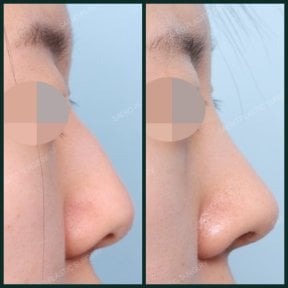
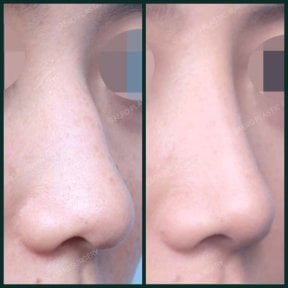
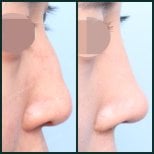
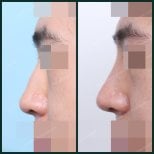
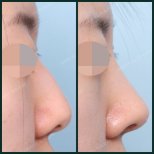
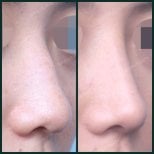
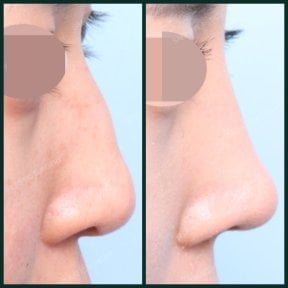
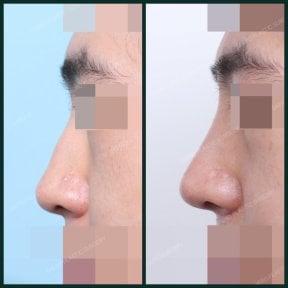
Nasal hump removal: Before & after photos

View all

Share this content

Updated: 07/01/2026
Authored by
Anna Leonova
Anna Leonova
Head of Content Marketing Team
A certified medical writer with 10+ years of experience, developed Bookimed’s trusted content, backed by a Master’s in Philology and medical expert interviews worldwide.
Fahad Mawlood
Medical Editor & Data Scientist
General practitioner. Winner of 4 scientific awards. Served in Western Asia. Former Team Leader of a medical team supporting Arabic-speaking patients. Now responsible for data processing and medical content accuracy.
Fahad Mawlood Linkedin
This page may feature information relating to various medical conditions, treatments, and healthcare services available in different countries. Please be advised that the content is provided for informational purposes only and should not be construed as medical advice or guidance. Please consult with your doctor or a qualified medical professional before starting or changing medical treatment.

FAQ about Nasal hump removal in Republic of Korea

These FAQs come from real patients seeking medical assistance through Bookimed. Answers are given by experienced medical coordinators and trusted clinic representatives.

What are the primary surgical methods used for nasal hump removal in Korea?

Surgeons in South Korea primarily use open rhinoplasty for moderate humps and closed rhinoplasty for minor refinements. Advanced techniques include piezoelectric ultrasonic bone contouring and traditional osteotomy. Surgeons often combine hump reduction with dorsal augmentation or tip-plasty to ensure facial harmony and structural stability.

  • Open rhinoplasty: Uses a columellar incision for maximum visibility during complex bone and cartilage excision.
  • Closed rhinoplasty: Performs endonasal incisions to rasp or file minor humps without external scarring.
  • Ultrasonic piezosurgery: Employs vibrations for precise bone reshaping, significantly reducing post-operative bruising and swelling.
  • Structural augmentation: Combines hump removal with silicone implants or autologous cartilage to define the bridge.

Bookimed Expert Insight: Data from top Seoul clinics like JK Plastic Surgery shows a high preference for hybrid approaches. Surgeons often pair hump reduction with tip refinement using septal or ear cartilage. This addresses the common hawk nose profile while maintaining a natural-looking bridge height instead of over-shaving.

Patient Consensus: Patients value 3D simulations during consultations to choose between open or closed techniques. Many emphasize that focusing on facial harmony prevents a collapsed look after aggressive bone removal.

How long is the recommended stay and recovery period for international patients?

International patients undergoing nasal hump removal in South Korea should plan for a 10 to 14-day stay. This timeframe allows for essential post-operative monitoring, including initial wound care and the mandatory stitch removal typically scheduled around day 7 to ensure travel safety.

  • Initial recovery: Clinics require 7–10 days post-op for monitoring and follow-up.
  • Stitch removal: Surgeons usually perform nasal suture removal on day 7.
  • Flight safety: Medical experts recommend waiting 10–14 days before long-haul travel.
  • Full healing: Visible bruising fades by day 8, but swelling lasts months.

Bookimed Expert Insight: Data from high-volume Seoul clinics shows a trend toward 10-day minimum stays to prevent mid-flight complications. While some patients attempt to leave by day 5, our records indicate increased risks of severe altitude-induced swelling and hematomas for those rushing their departure.

Patient Consensus: Patients emphasize staying at least 2 weeks to manage persistent stuffiness and ensure they are fit for the long flight home. Many suggest booking flexible tickets and staying in specialized recovery housing near Gangnam for easier access to follow-up care.

Are there non-surgical alternatives to nasal hump removal available in Korea?

South Korea offers high-quality non-surgical alternatives to nasal hump removal, primarily using liquid rhinoplasty and thread lifting to camouflage dorsal bumps. These procedures use hyaluronic acid fillers or PDO threads to create a straighter nasal profile without surgery, incisions, or extended downtime in Seoul-based clinics.

  • Liquid rhinoplasty: Dermal fillers like Restylane or Yvoire fill depressions around the nasal hump.
  • Thread lifting: PDO threads provide structural support to lift the tip and flatten the bridge.
  • Autologous techniques: Specialized methods like Jellyko use processed ear cartilage and plasma for internal refinement.
  • Botox injections: Botox relaxes specific muscles to reduce the visibility of dynamic nasal humps.

Bookimed Expert Insight: Many patients at high-volume centers like BIOFACE Clinic or SAERO Plastic Surgery choose `trial` fillers before surgery. Dr. Jooyoung Park has trained over 300 physicians in these techniques, proving that refined injector skill is more critical than the specific filler brand used.

Patient Consensus: Patients report that fillers in Gangnam effectively camouflage about 70% of a hump for up to 12 months. Most advise visiting experienced injectors rather than discount walk-in clinics to ensure natural-looking results and avoid migration.

What are the risks of nasal hump removal surgery in South Korea?

Nasal hump removal in South Korea carries risks. These include over-reduction leading to a scooped-out bridge and structural irregularities. Clinics like AB Plastic Surgery use 3-D CT diagnostics to map nasal anatomy. Still, patients may face breathing difficulties if internal cartilage support is compromised during reshaping.

  • Aesthetic over-reduction: Removing too much bone can cause a concave or unnatural profile.
  • Breathing impairment: Weakening internal structures may collapse airways, making it harder to breathe.
  • Bridge irregularities: Small humps or asymmetries can remain if the reduction is uneven.
  • Structural deformity: Inverted V deformity occurs if cartilage separates from the nasal bones.

Bookimed Expert Insight: While many clinics offer hyperbaric oxygen therapy for faster healing, volume matters most for safety. Leading Seoul clinics like AB Plastic Surgery handle 24,000+ patients annually. This high frequency allows surgeons to refine conservative techniques. These techniques preserve breathing function while smoothing the bridge.

Patient Consensus: South Korean patients report minimal pain. However, they note that swelling after bone work can last 6 months. Many suggest explicitly asking how much nostril tissue surgeons plan to cut. This helps avoid long-term breathing issues.

Is it safe to just lift the nose tip to match the hump instead of removing it in South Korea?

Lifting the nasal tip to hide a hump is safe but often not enough for lasting results in Korea. While tip plasty using autologous cartilage can disguise a mild dorsal hump, prominent humps usually need shaving bone and cartilage for a straight, natural profile.

  • Surgical precision: Specialists use 3D-CT scanning at clinics like VG Plastic Surgery to assess nasal structures.
  • Autologous techniques: Surgeons use ear or septal cartilage for tip refinement to avoid synthetic implants.
  • Bridge reconstruction: Shaving a hump often requires later smoothing the bridge with silicone or cartilage for balance.
  • Safety monitoring: Major Seoul clinics provide university-grade safety systems and CCTV monitoring during procedures.

Bookimed Expert Insight: While a tip lift alone costs around A$6,000–A$7,000, it rarely achieves the straight bridge most patients want. Bookimed data shows that 95% of successful hump corrections in Seoul involve both shaving the bone and bridge reconstruction. This combined approach ensures the hump does not look mismatched as the swelling subsides over several months.

Patient Consensus: Patients in Korea suggest choosing clinics that include hyperbaric oxygen therapy to manage bridge tightness and heavy congestion. Bringing a mini humidifier helps manage the mouth-breathing caused by post-operative swelling during the first few days.

How is a nasal hump removed, and is bone cutting involved in South Korea?

Nasal hump removal in South Korea involves shaving excess bone and cartilage to smooth the profile. Bone cutting, known as osteotomy, is frequently required for moderate to large humps. This technique repositions nasal bones to close the gap created during removal. It ensures a slim, natural-looking bridge.

  • Technique variety: Surgeons use dorsal hump reduction for shaving and osteotomy for structural bone reshaping.
  • The open roof: Removing large humps leaves a gap. Specialists close this gap via precise bone cutting.
  • Piezosurgery technology: Leading Seoul clinics use ultrasonic tools to cut bone. This causes minimal soft tissue trauma.
  • Surgical incisions: Closed approaches hide scars inside nostrils, while open surgery provides better specialist visibility.
  • Recovery support: Post-operative care often includes hyperbaric oxygen therapy to reduce swelling and hasten healing.

Bookimed Expert Insight: South Korean specialists often use 3D-CT scanning before surgery. This helps map the exact ratio of bone to cartilage in the hump. This data-driven approach lets surgeons like Dr Park Sangwook at VG Plastic Surgery decide if a simple shave is enough. An osteotomy might be vital for structural stability otherwise.

Patient Consensus: Patients in South Korea found that stitches come out in 7 days. However, the bridge feels heavy for months. Many recommend explicitly asking for an osteotomy. This prevents a widened bridge appearance after hump removal.

What is the difference between open and closed rhinoplasty for hump removal in South Korea?

Open rhinoplasty in South Korea uses a small columellar incision. This gives full visibility during complex hump reductions. Closed rhinoplasty involves internal incisions only, suitable for minor adjustments. Leading Seoul surgeons at clinics like VG Plastic Surgery and Wonjin use 3D-CT scanning. This determines the most precise approach.

  • Incision site: Open rhinoplasty requires a tiny columellar cut. Closed techniques use strictly internal nostril incisions.
  • Structural visibility: Open approach provides full framework exposure. It allows surgeons to shave bone and cartilage with high precision.
  • Recovery speed: Closed rhinoplasty typically involves less bruising. Patients generally enjoy a faster return to daily activities.
  • Tip refinement: Surgeons prefer the open technique for complex tip reshaping. This gives more stable and symmetrical long-term results.

Bookimed Expert Insight: Many patients request closed rhinoplasty for faster healing. However, South Korea’s top-rated surgeons often recommend the open approach for humps. Data from Wonjin Plastic Surgery shows that specialists like Dr Kang Moon Seok, an ASPS member, use open techniques. This approach provides structural stability in 5,000+ international cases annually.

Patient Consensus: Patients in South Korea found closed techniques adequate for simple bone humps. These cases did not involve tip work. Many noted that columella scars from open surgery faded. They blended into natural creases within months.

Do I need a silicone implant after removing the nasal hump in South Korea?

Silicone implants are not strictly required after hump removal in South Korea. However, surgeons frequently recommend them to prevent a flat profile. High-volume Seoul clinics specialise in both silicone augmentation and non-implant techniques. They use 3D-CT scanning to decide if bridge height needs restoring after bone shaving.

  • Hump height: Small bumps often require only filing without any prosthetic augmentation or bridge filling.
  • Open roof: Extensive removal may leave a wide gap requiring an implant or osteotomy.
  • Structural support: Surgeons like Dr Park Sangwook use 3D-CT scans to assess remaining cartilage strength.
  • Natural alternatives: Autologous options using ear, septal, or rib cartilage provide a non-synthetic profile.

Bookimed Expert Insight: Silicone is the standard for a sharp bridge. Still, Seoul specialists increasingly offer donor rib cartilage for patients wanting height without synthetic risks. Clinics like AB Plastic Surgery maintain a high specialist-to-patient ratio so that surgeons experienced in handling natural graft resorption perform these complex, non-implant reconstructions.

Patient Consensus: Patients in South Korea appreciate that 3D simulations show their potential profile with and without implants. Many choose silicone for its cost-effectiveness and stability. Others prefer the natural feel of donor rib despite the higher intensity of the procedure.

How long is the recovery time after nasal hump removal in South Korea?

Initial recovery after nasal hump removal in South Korea takes 7 to 10 days. Patients typically have their nasal cast and external stitches removed on day 7. Most people return to social activities within 2 weeks. However, final refinement of the bridge takes 6 to 12 months.

  • Hospital stay: Most procedures are outpatient, though some clinics suggest 1 night for monitoring.
  • Initial downtime: Nasal packing is removed by day 3 to restore easier breathing.
  • Travel window: Patients can fly back to Australia on day 7 after cast removal.
  • Swelling timeline: Noticeable swelling around the eyes peaks at day 2 and clears by week 2.
  • Activity limits: High-intensity exercise and saunas must be avoided for at least 4 to 6 weeks.

Bookimed Expert Insight: Leading Seoul clinics like VG Plastic Surgery and AB Plastic Surgery use 3D-CT scanning before surgery. This allows surgeons to precisely measure bone and cartilage thickness. Such accuracy helps avoid over-shaving. This prevents the hump from appearing to return once scar tissue settles.

Patient Consensus: Patients should stock up on ice packs and easy-to-eat food in Seoul before the procedure. First-week congestion is common. However, walking helps reduce swelling, and the bridge looks significantly slimmer by the 4-month mark.

Where are the best clinics for nasal hump removal in South Korea?

The best clinics for nasal hump removal in South Korea are in Seoul. They include specialist centres like SAERO Plastic Surgery, VG Plastic Surgery, and AB Plastic Surgery. These facilities specialise in osteotomy and cartilage grafting. They provide tailored results that balance the nasal bridge with facial features, while maintaining functional integrity.

  • SAERO Plastic Surgery: Features a single specialist with 24+ years experience focusing on individualised care.
  • VG Plastic Surgery: KOIHA-accredited facility using 3D-CT scanning for precise bone and cartilage mapping.
  • AB Plastic Surgery: High-volume centre serving 24,000+ patients annually with specialised international patient infrastructure.
  • JK Plastic Surgery: Long-standing clinic with 85,000+ procedures performed and government-approved safety standards.
  • Wonjin Plastic Surgery: Employs specialists like Dr Lee Jong Seok who trained at UChicago Medicine.

Bookimed Expert Insight: While many clinics offer an A$1,200 starting price, these often cover only minor shaving. For a significant dorsal hump, look for packages with hyperbaric oxygen therapy, like those at SAERO. This treatment speeds up tissue healing. It also reduces the bruising commonly seen after osteotomy surgery.

Patient Consensus: Australians often choose Seoul clinics for the thorough consultations and natural results. Patients suggest bringing a humidifier for recovery. They also confirm that leading surgeons successfully adapt techniques for both Caucasian and Asian facial structures.

Get a free consultation

Select the best way to contact you