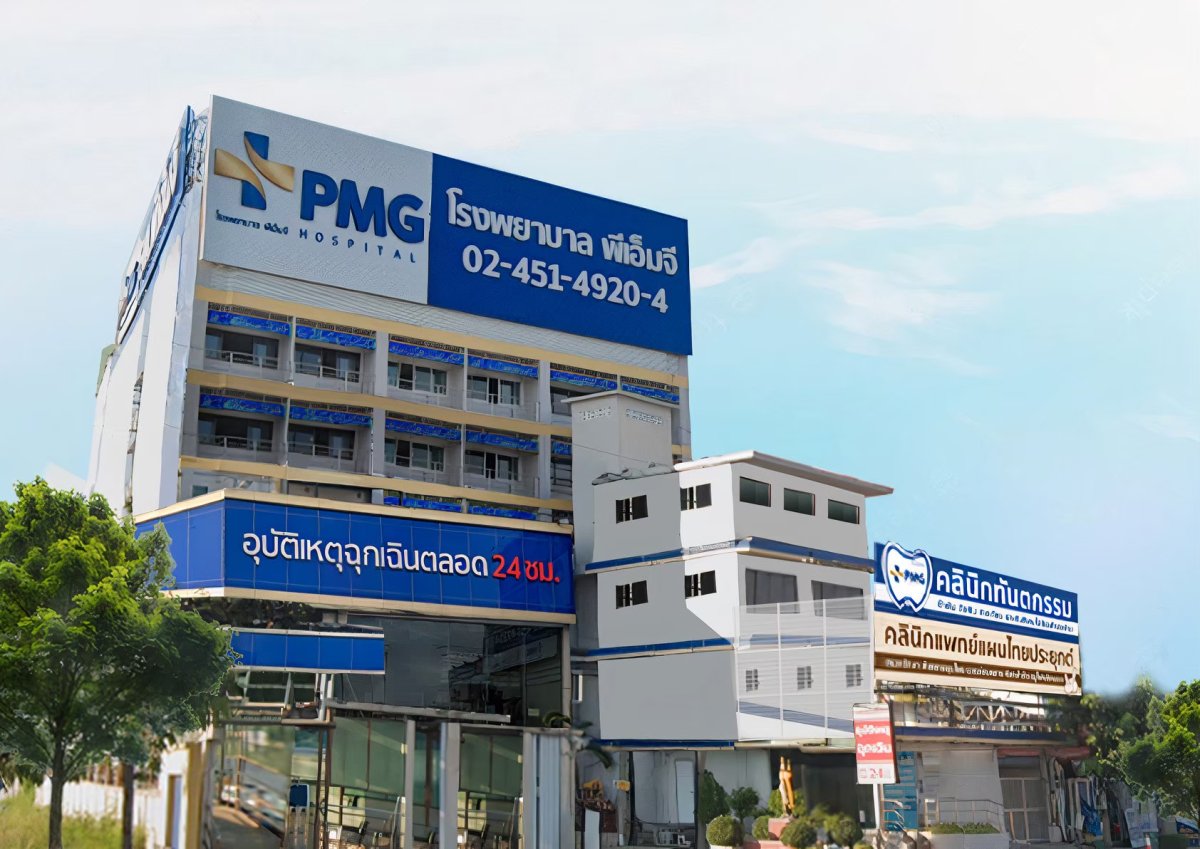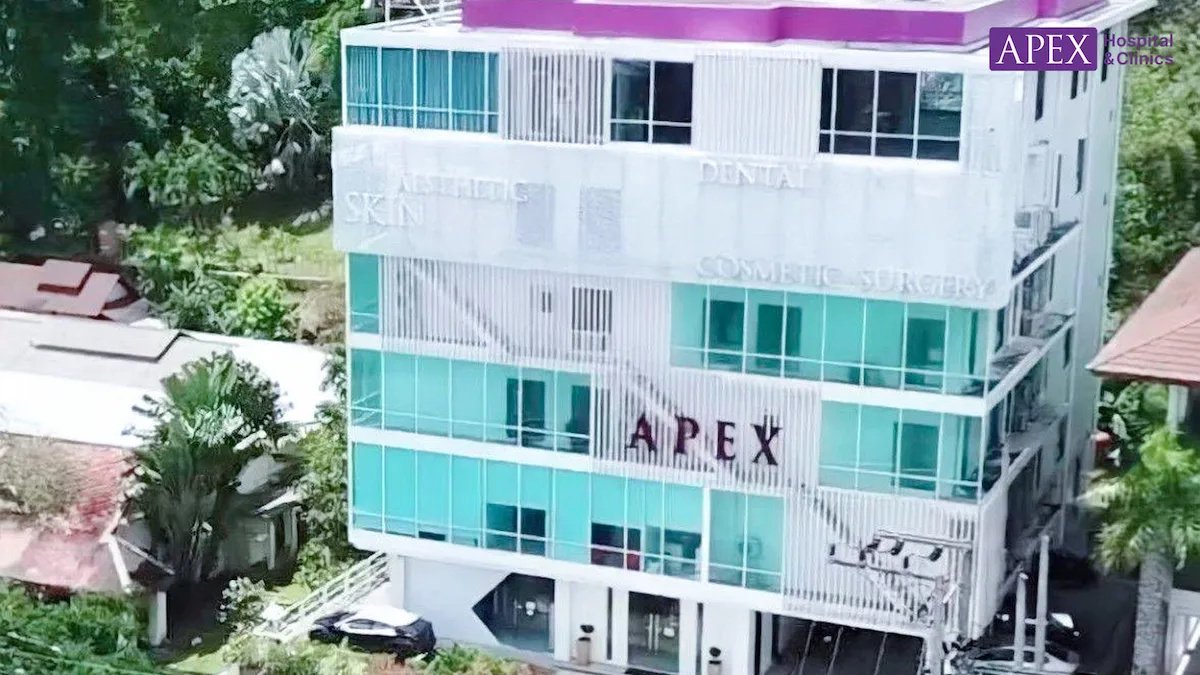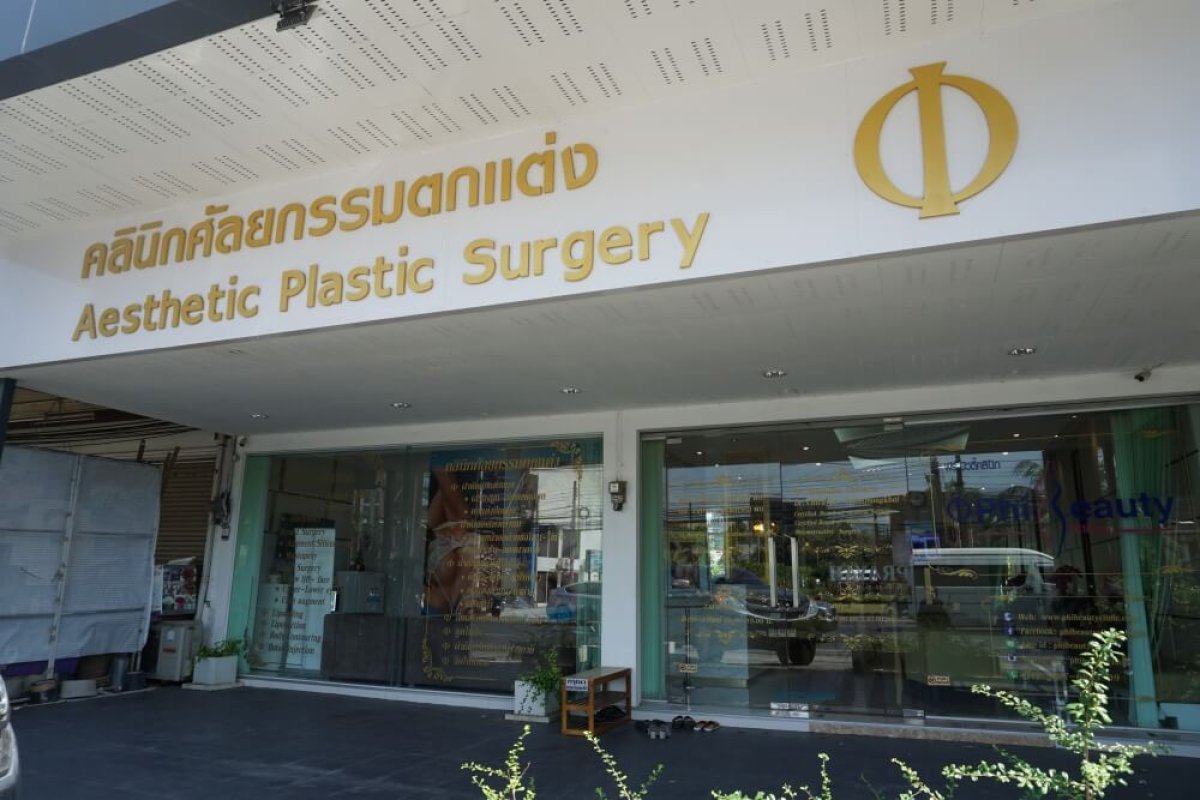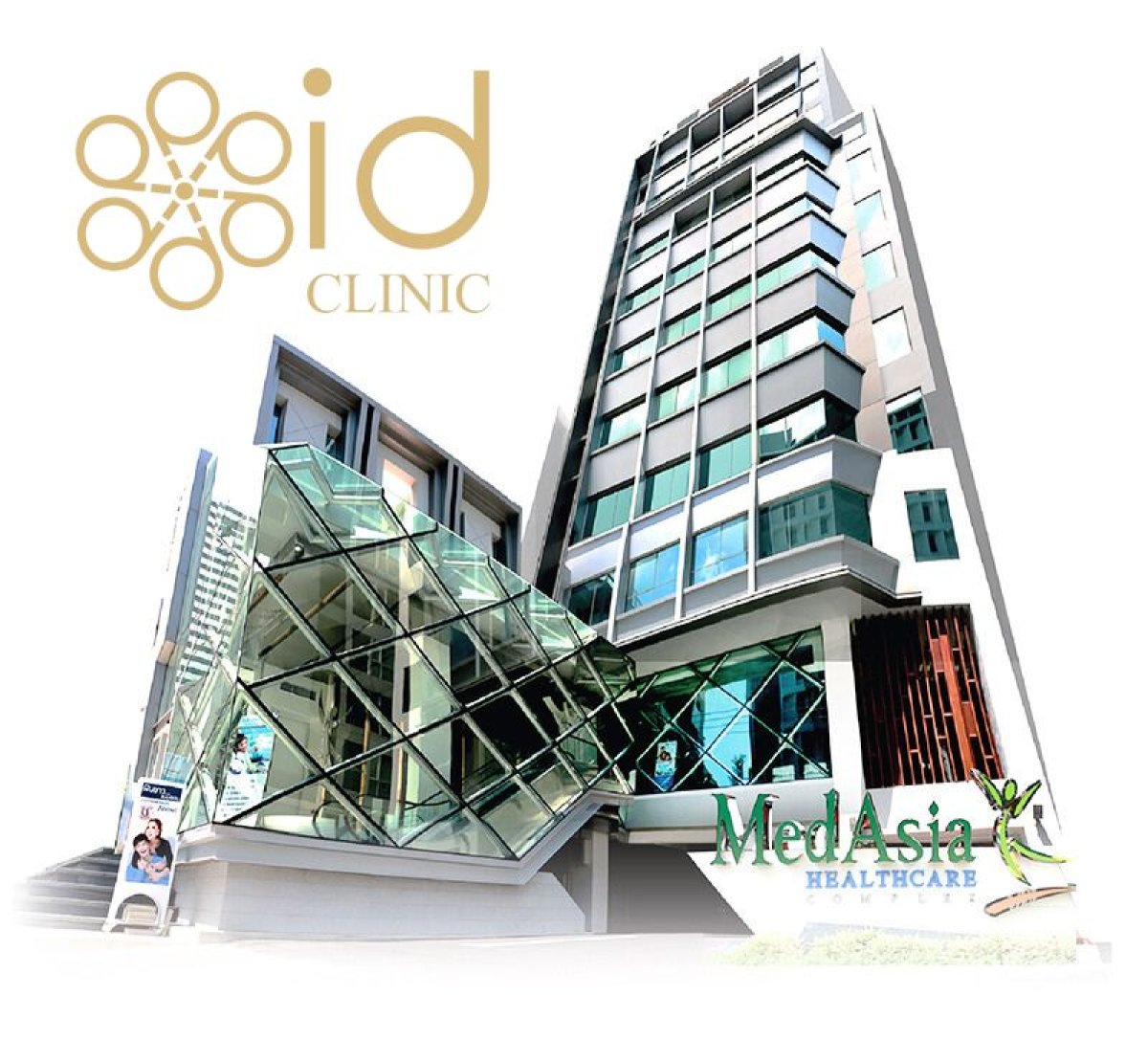
ID Clinic Bangkok
Thailand, Bangkok
Dr Siripong Luxanawong
29 years of experience

Clinic is certified : 
A nasal hump removal in Thailand costs $2,400 / ฿81,600 to $4,600 / ฿156,400, about 56% less than the US average of $8,000 / ฿272,000 (Bookimed data, November 2026). Bookimed lists 4 nasal hump removal clinics in Thailand, all in Bangkok. These clinics are rated 4.4/5 in 207 verified patient reviews on Bookimed.

Last updated: Nov 24, 2026
Medically reviewed by
Ergin Er
Bookimed is free for patients – clinics pay us a commission, and you pay the clinic its own price with no markup. Five steps to your nasal hump removal in Thailand:
Tell us about your goals and share photos of your nose from the front, side, at an angle, and below.
Your coordinator finds clinics that match your needs and helps you choose. Your preferred clinics then send personalized treatment plans and quotes for you to compare.
We set treatment dates that work for you and help arrange your flights and accommodation. If needed, we request a visa support letter from the clinic.
The clinic team performs your nasal hump removal on the agreed dates. We support you throughout your trip.
You can fly home 7–10 days after surgery, and your result settles over 6–12 months. Your coordinator stays in touch and helps arrange a follow-up if you need one.
Some clinics ask for a deposit. A $200 or €200 deposit paid through Bookimed comes off your clinic bill and is refundable up to 10 calendar days before your visit. A deposit paid to the clinic follows its own terms.


Tell us about your needs — and get 3 tailored offers from top doctors for you.
Have you already had plastic surgery?
Direct prices from clinics
Free evaluation of your medical case
Free personal assistance 24/7
Cost and clinics
| Typical nasal hump removal price in Thailand | Clinics | Accreditations | Cities | Nasal hump removal surgeons | Surgeon experience |
|---|---|---|---|---|---|
| $2,400 / ฿81,600–$4,600 / ฿156,400 | 9 clinics | ISAPS (2 clinics), JCI (2), ISO (1), GHA (1), ASPS (1) | Bangkok (8 clinics), Phuket (1) | 8 surgeons | ~86% of surgeons have 10+ years of practice (median 26 years) |
The procedure
| Before the trip | Time in Thailand | Operation time | Anesthesia | Back to desk work | Final result |
|---|---|---|---|---|---|
| Consultation, health assessment, stop smoking, review meds, fasting, arrange escort | 7–10 days, including up to 1 night in hospital | 1.5–3 hours | General | 7–14 days | 6–12 months |
Nasal hump removal in Thailand costs from $2,400 / ฿81,600 to $4,600 / ฿156,400. Final quotes depend on surgical approach, cartilage grafts, anesthesia, and facility tier.
Nasal hump removal in Thailand costs from $2,400 / ฿81,600 to $4,600 / ฿156,400. Final quotes depend on surgical approach, cartilage grafts, anesthesia, and facility tier. In the US, the average price is $8,000 / ฿272,000. Thailand patients may save around 56% compared with US care. Available listings do not specify standard inclusions. Bangkok and Phuket appear among destination cities.
Bookimed Expert Insight. Comparing the exact surgical scope can make clinic quotes easier to assess. B.Care Medical Center specifically lists dorsal hump smoothing within its rhinoplasty services, with prices around $2,400–$4,650. ID Clinic Bangkok lists prices around $3,300, while Wansiri Hospital lists around $5,750–$6,250. Patients can use B.Care’s explicit description as a useful benchmark, then confirm what each quote covers.
| Thailand | Turkey | The USA | |
|---|---|---|---|
| Nasal hump removal | from $2,400 / ฿81,600 | from $1,800 / ฿61,200 | from $5,000 / ฿170,000 |
For nasal hump removal in Thailand, compare clinic locations, compare starting quotes, select the surgeon who will perform the procedure, then discuss qualifications and facility standards.
Choose a city
Set a budget
Select the surgeon
Check credentials
| Clinic Name | Patient Rating | About | Accreditations | Lead Doctor | Techniques |
|---|---|---|---|---|---|
| ID Clinic Bangkok Bangkok | 4.4 (139 reviews) | ID Clinic Bangkok has a 95% success rate for rhinoplasty procedures, including nasal hump removal. Dr. Siripong Luxkanavong, ranked among Thailand's top 20 plastic surgeons, specializes in cosmetic rhinoplasty with training from Ramathibodi Hospital and experience at Yanhee Hospital. The procedure typically costs around $3,500. | — | Dr Siripong Luxanawong 29 years | Nasal hump removal, Complete blood count |
| Asia Cosmetic Hospital Bangkok | 4.0 (23 reviews) | Dr. Akkrasash Vongjirad, an ISAPS-certified plastic surgeon with of experience, has performed 1,100+ nasal procedures. The clinic's PROMO package may cost around 85,000 THB, typically covering comprehensive pre-op tests, surgery with anesthesia, a private hospital stay, transfers, medications, and 6 months of follow-up care. Asia Cosmetic Hospital holds JCI, ISO 13485, and ISO 9001/2008 accreditations with a 91% patient recommendation rate. | ISAPS, JCI, ISO | — | Nasal hump removal |
| Wansiri Hospital Bangkok | 4.5 (32 reviews) | Dr. Saran Wannachamras, trained in Plastic and Reconstructive Surgery at East Virginia School (EVIMS) USA, specializes in rhinoplasty with over 31 years of experience. Nasal hump removal typically costs around $5,800–$6,250. He serves as Head of Rhinoplasty at Wansiri Hospital, a JCI-accredited facility with 99% surgical success rates. | — | Saran Wannachamras 31 years | Hump reduction, open rhinoplasty, closed rhinoplasty, endoscopic-assisted nasal surgery, Morpheus 3D simulation |

Dr. Wannachamras brings over 31 years of expertise in plastic surgery, specializing in rhinoplasty at Wansiri Hospital.

Specializes in nasal hump removal at Intrarat Hospital with a focus on precision and natural-looking results.
Revision cases with multiple approach options
Thailand offers patients surgeon choice, accredited clinic options, and interpretation support for nasal hump removal. Surgeon choice.
| Typical price | vs Thailand | |
|---|---|---|
| Thailand (this page) | $2,400 – $4,600 | – |
| United States of America | from $5,000 | +108% |
| Turkey | from $1,800 | −25% |
Bangkok has 8 clinics, giving patients the widest choice, with open, closed, and endoscopic rhinoplasty and prices from $2,400 / ฿81,600. Suvarnabhumi Airport (BKK) is 30 km from the city center, while Don Mueang Airport (DMK) is 24 km from central Bangkok, offering two arrival options.
Closed rhinoplasty is usually chosen when you have a moderate hump and limited need for tip work, because incisions inside the nose separate skin from underlying bone and cartilage. Open rhinoplasty suits you if you have large humps or need precise dorsal reconstruction and valve support, because nasal skin is fully separated from bone and cartilage by incisions.
Patients can fly home 7–10 days after surgery. You need your surgeon’s or doctor’s approval before flying home. You can return to desk work in 7–14 days. Your result settles over 6–12 months.
Expect swelling, bruising around your eyes, and nasal congestion while your splint remains in place. Rest with your head elevated, and avoid nose blowing, bending, heavy lifting, strenuous activity, and pressure on your nose.
Bruising resolves, and you can return to your normal social and work routine as swelling gradually decreases. Avoid trauma to your nose and intense exercise, and protect your skin from the sun.
You can gradually return to sports as your surgeon clears you. Avoid contact sports until you receive clearance.
Residual swelling gradually resolves, and your nasal contour refines. Subtle tip swelling and the final contour can take up to 12 months or more.
When to contact your clinic: Seek emergency help for a heavy nosebleed that will not stop or shortness of breath. Contact your clinic if you develop a fever with increasing pain.


 Anna Leonova

Surgeons remove nasal humps by reducing excess bone and cartilage to smooth the bridge profile. Thailand clinics utilize closed rhinoplasty for internal nostril access or open rhinoplasty for complex cases. Precision tools like diamond rasps or power files ensure a balanced, natural contour without external scarring.
Bookimed Expert Insight: Thai specialists often favor a conservative 1-2mm incremental reduction technique. This deliberate approach prevents the over-resected ski-slope look sometimes seen in aggressive surgeries. Clinics like ID Clinic Bangkok maintain a 95% success rate by prioritizing these minor, precise adjustments.
Patient Consensus: Patients emphasize that 3D imaging is vital for setting realistic expectations before surgery. Many advise strictly following aftercare to manage swelling in Thailand's humid climate during the 14-day recovery.
Nasal hump removal recovery in Thailand typically allows patients to return to work within 7 to 10 days. While initial bruising and swelling peak by day 4, most visible signs resolve by the first week, with final nasal contouring and refinement maturing over 6 to 12 months.
Bookimed Expert Insight: Data from top Bangkok clinics like ID Clinic and Asia Cosmetic Hospital shows a trend toward rasping over traditional osteotomy. This conservative approach significantly reduces tissue trauma. Patients choosing rasping often report a faster social recovery, as black eyes and heavy facial bruising frequently resolve 2 days sooner than with invasive bone breaking.
Patient Consensus: Many patients recommend packing pineapple enzyme supplements to manage the intense humidity, which can sometimes prolong tip swelling. They emphasize sleeping propped up for the entire first month to ensure the nose retains its new shape during the delicate remodeling phase.
Top reviewed surgeons for nasal hump removal in Thailand include Dr. Saran Wannachamras at Wansiri Hospital and Dr. Phatcharasak Kraisornphongsakul at ID Clinic Bangkok. These specialists are recognized for performing thousands of successful rhinoplasties using open and closed techniques to achieve natural dorsal profiles.
Bookimed Expert Insight: While many seek low-cost options, the highest-rated surgeons often work at facilities like B.Care Medical Center or Asia Cosmetic Hospital. These centers serve up to 22,000 patients annually and maintain JCI accreditation. This high volume typically correlates with more refined results in challenging dorsal hump reductions.
Patient Consensus: Patients emphasize that dorsal hump removal often requires simultaneous tip work for harmony. Most recommend budgeting 2–3 weeks for initial recovery and 6 months for final refined results.
Patients can typically undergo nasal hump removal in Thailand once facial growth is complete, generally occurring at age 15 to 16 for girls and 16 to 17 for boys. While 18 is the standard age for independent consent, many Bangkok clinics require patients under 21 to provide parental authorization.
Bookimed Expert Insight: While many countries allow rhinoplasty at age 16, several high-volume Bangkok hospitals strictly enforce an 18+ policy for international patients. This approach reduces long-term revision risks, as bone structure continues to settle until early adulthood. Selecting a JCI-accredited facility like Asia Cosmetic Hospital ensures that anesthesiologists and cardiologists supervise every procedure, regardless of the patient's age tier.
Patient Consensus: Many younger patients report that Thai surgeons prioritize physical maturity over chronological age. It is common for clinics to request X-rays to prove growth has stopped before confirming a surgery date.
Plan a stay of 10 to 14 days in Thailand for nasal hump removal to ensure safe recovery and follow-up care. Most surgeons require you to remain in the country for at least 10 days post-operation before flying to manage swelling and potential air pressure risks.
Bookimed Expert Insight: While a 7-day stay is common for local patients, international travelers benefit from a 14-day window. Dr. Phatcharasak Kraisornphongsakul at ID Clinic Bangkok has performed 20,000 procedures, and high-volume experts emphasize that the extra 3 days are critical for monitoring initial healing. Clinics like Asia Cosmetic Hospital report 0% complication rates partly because they supervise patients through the entire first week of recovery.
Patient Consensus: Patients suggest budgeting 2 weeks to handle unexpected bruising and suture removal comfortably. Many recommend moving to a beach location like Phuket after the first week for a more relaxed recovery environment.
Patients can typically resume wearing glasses or sunglasses 4 to 8 weeks after a nasal hump removal. While you can wear frames over a rigid protective splint during the first week, resting them directly on the nasal bridge thereafter may shift healing bones.
Bookimed Expert Insight: Data from top Thai centers like ID Clinic Bangkok, which reports a 95% success rate for rhinoplasty, shows that surgeons often emphasize the 6-week rule. Because Thai surgeons frequently perform 20,000+ procedures, they prioritize bone stability to avoid preventable revisions from frame pressure. Consistent use of `nose guards` or cheek-supports during the first month is a common recommendation to protect your investment.
Patient Consensus: Many patients found that wearing light sunglasses on the forehead was manageable, but warned that ignoring the 4-week rule caused visible swelling flare-ups. Most recommend switching to daily contact lenses immediately to avoid risking permanent indentations on the new nasal bridge.
Last review: Nov 24, 2026
Ergin Er — Dr. Ergin Er is a plastic, reconstructive and aesthetic surgeon who has performed more than 10,000 aesthetic procedures. He is a multiple award winner at Turkish National Congresses of Plastic Surgery and completed advanced training at Baylor College of Medicine in Houston, Texas.
Ask a Bookimed medical coordinator about prices, clinics, techniques or your case. Write to us in the messenger you already use.
Tap a messenger to open a chat with a Bookimed medical coordinator.
Free and without obligation · Terms of use · Privacy policy