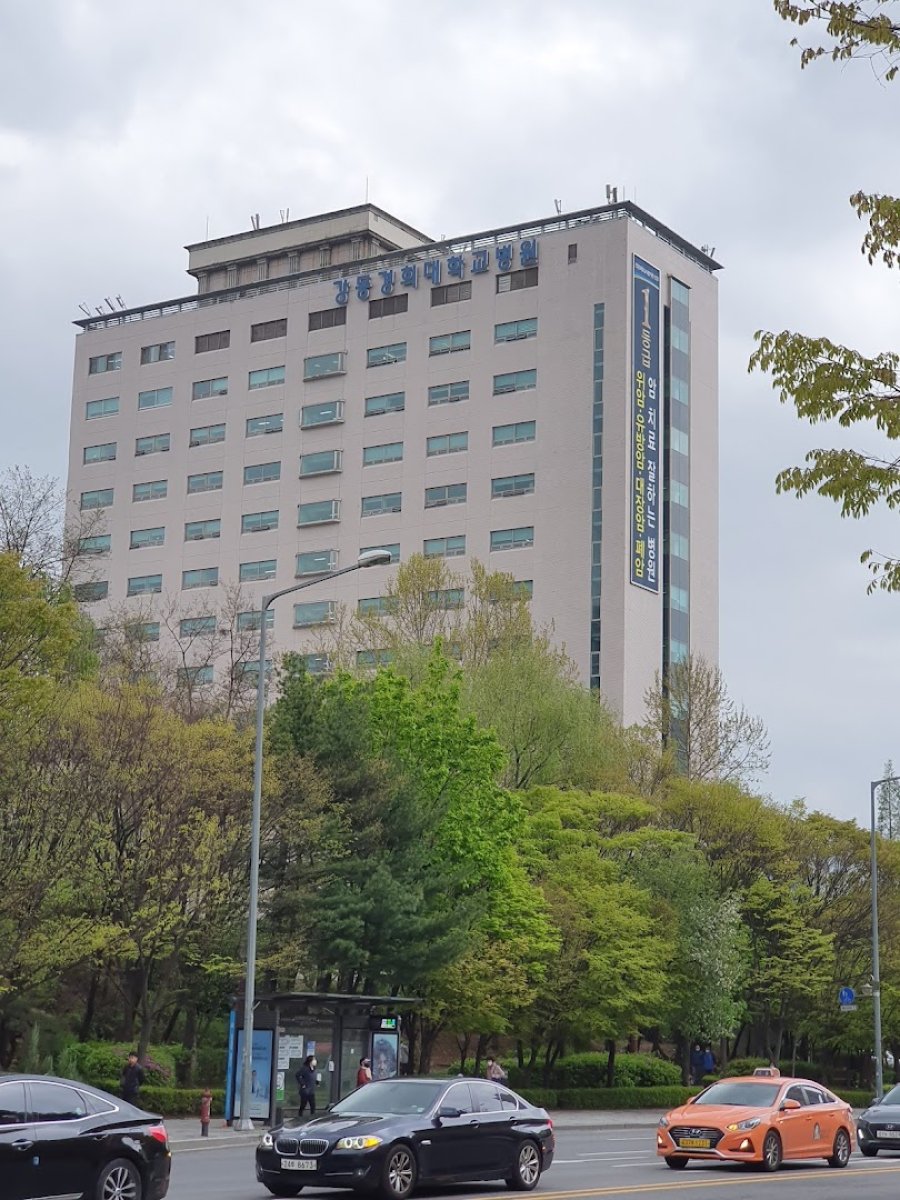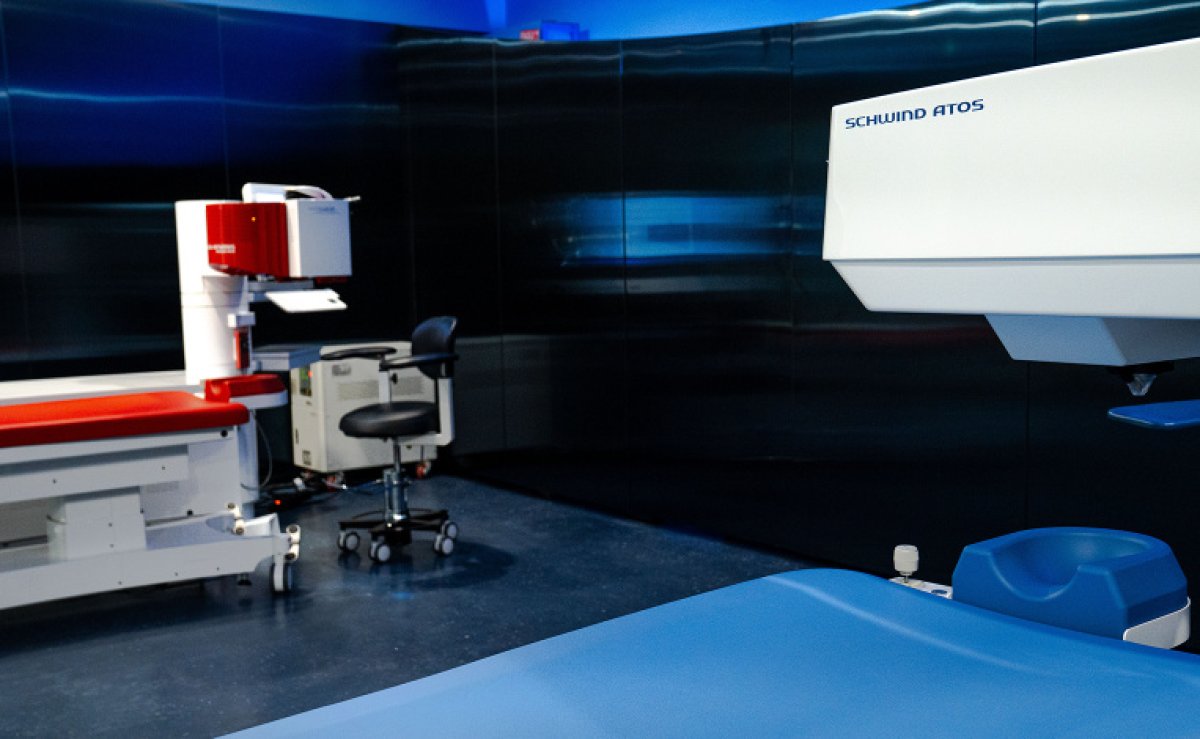
Smile Eye Clinic Korea
Republic of Korea, Seoul


Medically reviewed by
Fahad Mawlood
Neuro-ophthalmology examination in the Republic of Korea ranges from $250 to $500. Costs depend on the required diagnostic imaging and the specific clinic tier. In the US, similar diagnostics cost about $650 on average. Patients in Korea save approximately 42% compared to US rates. The assessment typically involves visual field testing and optic nerve imaging.
Bookimed Expert Insight: Choosing a facility with high-volume surgical experience often indicates superior diagnostic capabilities. Smile Eye Clinic Korea has performed over 70,000 vision-correction cases using ZEISS diagnostic systems. Experts like Dr. Nam Sanghyu at Naeun Hospital contribute to peer-reviewed research on ocular imaging. International patients can find value in clinics offering multilingual coordinators and airport pickup services. These benefits help manage travel logistics without increasing the medical procedure price.
| Republic of Korea | Turkey | Austria | |
|---|---|---|---|
| Neuro Ophthalmic Examination (Neuro-Ophthalmology) | ≈ $250 | from $77 | ≈ $230 |
No hidden fees – just official clinic prices. Pay at the clinic for Neuro Ophthalmic Examination (Neuro-Ophthalmology) upon arrival and use a flexible installment plan if needed.
Bookimed is committed to your safety. We only work with medical institutions that maintain high international standards in Neuro Ophthalmic Examination (Neuro-Ophthalmology) and have the necessary licenses to serve international patients worldwide.
Bookimed offers free expert assistance. A personal medical coordinator supports you before, during, and after your treatment, solving any issues. You're never alone on your Neuro Ophthalmic Examination (Neuro-Ophthalmology) journey.

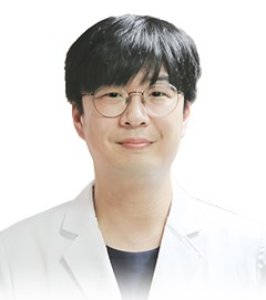
Dr. Pak Jongbeom is the Chief of Ophthalmology at Naeun Hospital. He focuses on retinal and vitreous diseases, such as uveitis and macular degeneration. He also treats general ophthalmology conditions, including cataract and glaucoma.
Education and training: M.D., Kyung Hee University Graduate School of Medicine. Internship, ophthalmology residency, and fellowship at Kyung Hee University Medical Center.
Accreditations: Full Member, Korean Ophthalmological Society. Regular member, American Society of Retina Specialists, EURETINA, Asia-Pacific Vitreo-Retina Society, and Asia-Pacific Retina Ophthalmic Imaging Society.
Publications: Park JB et al., J Korean Ophthalmol Soc. 2021;62(1):109-13. 2021;62(6):762-8. Park JB et al., Taiwan J Ophthalmol. 2022;12:394-408.
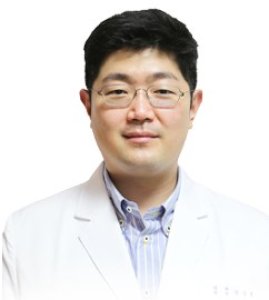
Dr. Nam Sanghyu is a board-certified ophthalmologist at Asan Medical Center. He is a Clinical Specialist and Clinical Professor. His practice focuses on cataract and presbyopia. He also treats cornea and ocular surface disease, including dry eye, external eye disease, and tear duct problems. He manages retina and glaucoma disorders, including diabetic retinopathy and macular degeneration.
Accreditations: Full Member of KOS, KDES, KCDS, KSCRS, and the Korean Contact Lens Study Society. Regular Member of ASCRS, ESCRS, and APACRS.
Publications: Scientific Reports (2022) on big data linking air pollution and conjunctivitis. Ophthalmologica (2021) on OCTA after repair of macula-off rhegmatogenous retinal detachment. Journal of the Korean Ophthalmological Society (2021) on blue light and polyphenolic protection.
 Anna Leonova

Today, South Korea has visa-free agreements with 112 states. None visa is required for stays under 90 days or less. To stay longer in this country, you need a visa. What states need a visa for treatment in South Korea and what countries can cross the border free and easy read here.
Healthcare is the key development sector of the Korean government. The Korean authorities are convinced that care for the citizens' health should be an absolute priority of state policy and spend about 1 billion a year for medical tourists attraction.
According to Mark Britnell, hospitals dominate the health system. 94% of hospitals are privately owned.
According to ASPS statistics, 17.7 mln cosmetic surgeries and 5.8 mln reconstructive procedures have been performed in 2018. Among cosmetic procedures the most popular are:
Tumor removal, laceration repair, maxillofacial surgery, scar revision, hand surgery are the most common operations in the context of reconstructive surgery.
Visas for travel to South Korea require a number of documents. The necessary papers can be submitted 90 days before the planned departure. Lists of documents includes:
Currency | South Korean Won (you also can pay for services in dollars) |
Best period for the trip | April, May & June or September, October & November. |
Language | Korean (most of medical staff speaks English fluently) |
Visa | none required for stays under 90 days or less |
Time difference with Europe | 9 hours |
Time difference with the USA | 9 hours |
Capital | Seoul |
Medical tourism center | Seoul |
Popular resorts | Gangwon-do, Gyeongju, Boseong, Jeju |
In South Korea, hotels of different price ranges and service levels are presented. Most tourists choose 4 and 5 star hotels with all-inclusive meals. Such hotels have everything for a comfortable stay: varied food, a large well-groomed territory, animation for children and adults. Some hotels have their own water park, which guests can use for free. Budget travelers can afford to book an economical 3-star hotel with half board or no meals at all.