Get Mammology Costs in Spain


Medically reviewed by
Fahad Mawlood
What's the cost for Mammology procedures in Spain?
Mammology services in Spain typically cost between $11,200 and $16,800. Final prices depend on the specific diagnostic imaging required, whether a specialist consultation is included, and the clinic's location. Patients from the United States can expect 40-60% savings compared to standard US private healthcare prices.
Typical Mammology Costs in Spain
- Mammography: $90 – $210
- Ultrasound: $220 – $300
- Female check-up: $800 – $2,800
- Consultation with creation of treatment plan: $230 – $350
- Revision of MRI results: $280 – $320
- MRI of the chest: $350 – $500
- Lumpectomy: $11,200 – $16,800
Major medical centers for breast health are primarily located in Madrid and Barcelona. While pricing is relatively consistent across the country, specialized diagnostic packages may vary slightly between these hubs. Consult with a specialist to get accurate pricing for your specific screening or treatment needs.
| Turkey | Austria | Spain | |
|---|---|---|---|
| Lumpectomy | from $2,500 | ≈ $5,800 | from $11,200 |
All Mammology conditions
Your Benefits and Guarantees with Bookimed
Transparent Prices & Flexible Installments
No hidden fees – just official clinic prices. Pay at the clinic for Mammology treatment upon arrival and use a flexible installment plan if needed.
Verified Clinics & Doctors Only
Bookimed is committed to your safety. We only work with medical institutions that maintain high international standards in Mammology treatment and have the necessary licenses to serve international patients worldwide.
Free 24/7 Assistance
Bookimed offers free expert assistance. A personal medical coordinator supports you before, during, and after your treatment, solving any issues. You're never alone on your Mammology treatment journey.

Your personal Bookimed medical coordinator
- Supports you at every stage
- Helps choose the right clinic and doctor
- Ensures quick and convenient access to information
Best Mammology Clinics in Spain: 10 Verified Options and Prices
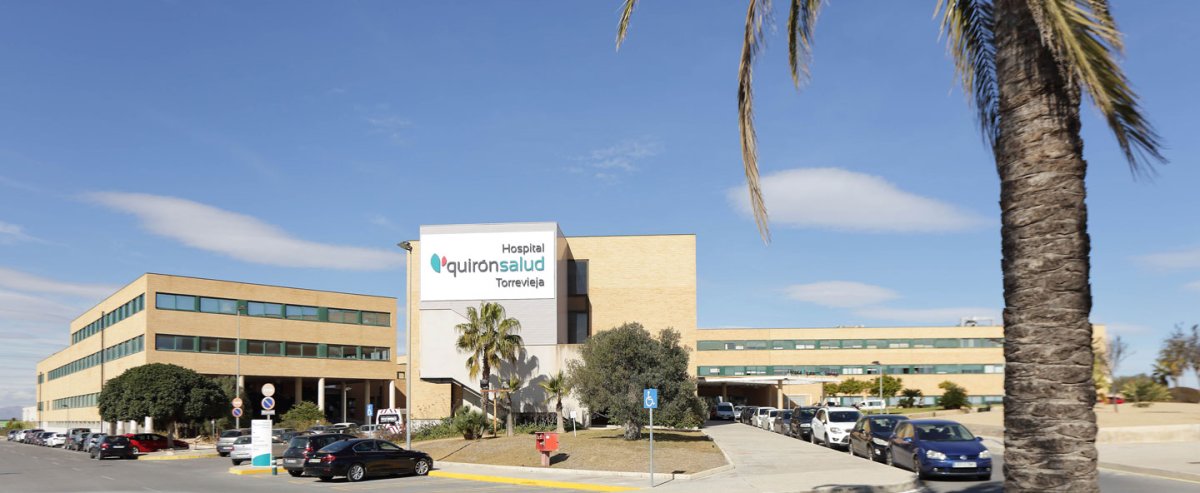








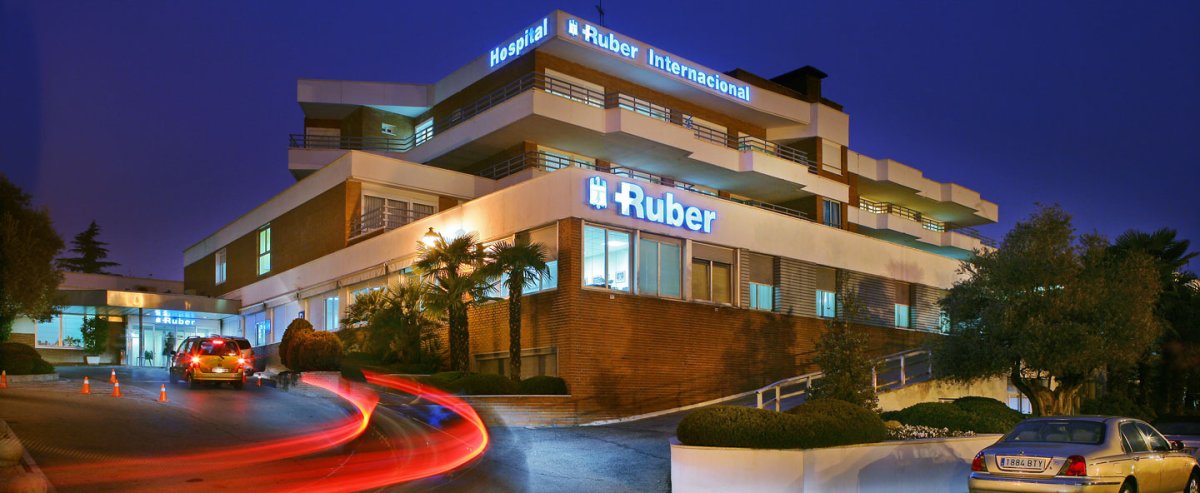










Top Mammology centers in Spain
- Quironsalud Torrevieja, Spain
- Centro Médico Teknon, Spain
- Hospital Ruber Internacional, Spain
- Clinica Universidad de Navarra (Navarra Hospital), Spain
- Hospital HM Nou Delfos, Spain
- IMED - Elche, Spain
- IMED - Levante, Spain
- Hospital Universitario HM Sanchinarro, Spain
- Hospital Universitario HM Puerta Del Sur, Spain
- Hospital Universitario HM Montepríncipe, Spain
Our Doctors
View all Doctors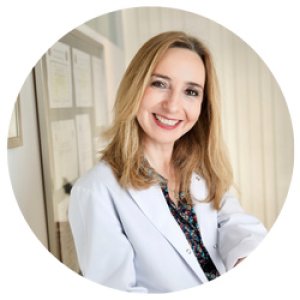
Sonia Peña

Carmen Pinilla
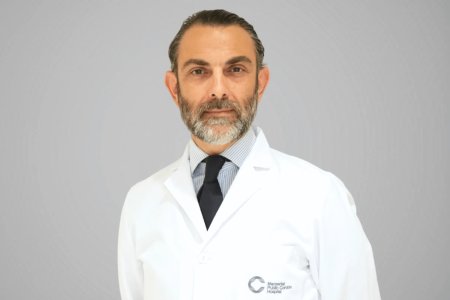
Jorge Ruiz Rodríguez
Dr. Jorge Ruiz Rodríguez is an obstetrician-gynecologist and breast surgeon at Publio Cordón Memorial Hospital in Madrid. He specializes in mammology and surgical oncology for breast cancer. Dr. Ruiz Rodríguez treats fibrocystic breast disease and performs tumor removals.
He works at a facility accredited by Joint Commission International. The hospital also holds credentials from the European Society of Human Reproduction and Embryology. The medical team includes Fellows of the American College of Surgeons.
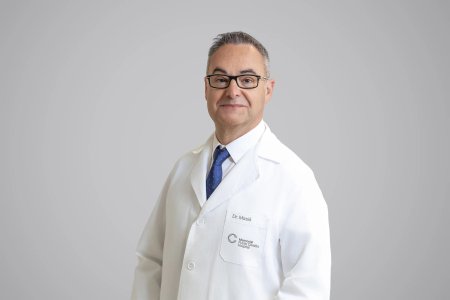
Jaume Masià Ayala
Dr. Jaume Masià Ayala is a plastic and reconstructive surgeon at Publio Cordón Memorial Hospital in Madrid. He reconstructs breasts and performs lymphatic surgery, including treatment for lipedema and lymphostasis. Dr. Masià Ayala works at a JCI-accredited facility.
- Member of the American Society of Plastic Surgeons.
- Fellow of the American College of Surgeons.
- Performs procedures such as gynecomastia correction and atypical mole removal.
- Treats vascular-related reconstructive cases, including phlebology and aortic aneurysm surgery.
Share this content
Video Stories from Bookimed Patients
 Anna Leonova

FAQ about Mammology in Spain
What is the survival rate for breast cancer in Spain?
Spain reports a 5-year breast cancer survival rate between 86% and 87.3%. This performance ranks among the highest in Europe. Early-stage localized cases show survival rates up to 98%. National mortality has decreased by 40% over the last 30 years.
- Stage I survival: Localized cancer presents a 97% to 98% 5-year survival rate.
- Diagnostic access: Screening programs in Spain catch 90% of cases in early stages.
- European ranking: Spanish outcomes exceed the broader European average of 81.8%.
- Long-term outlook: The 10-year survival rate remains strong at approximately 71% to 73.7%.
Bookimed Expert Insight: Spanish oncology centers like Clinica Universidad de Navarra and Centro Médico Teknon maintain high ratings by integrating JCI-accredited safety with massive patient volumes. Clinica Universidad de Navarra serves 140,000 patients annually and was the first in Spain with a JCI US certificate. This high-volume experience directly supports the country's 95% to 97% survival success in early-stage cases.
Patient Consensus: Patients note that Spain's medical outcomes rival Nordic countries, especially when utilizing annual mammograms. They emphasize that while the public system provides excellent cost-free care, seeking private consultations can significantly speed up the diagnostic process for urgent symptoms.
Are there specialized breast-cancer centers in Spain I can access as a medical tourist?
Spain offers specialized breast cancer care for medical tourists through JCI-accredited centers in Barcelona, Madrid, and Pamplona. These facilities provide advanced diagnostics like MRI of the chest and lumpectomy procedures. Most centers feature dedicated international departments to manage language support and treatment coordination.
- Clinica Universidad de Navarra: First Spanish hospital with a JCI US certificate. High oncology patient volume.
- Centro Médico Teknon: Accredited by JCI and Newsweek. Offers robotic surgery and digital imaging.
- Hospital HM Nou Delfos: Part of Spains largest network. Features two specialized units for radiotherapy.
- Quironsalud Torrevieja: Leading private facility in Alicante. Provides fast-track access for international medical tourists.
- Hospital Ruber Internacional: ISO and JCI accredited center. Serves 25,000 corporate and international patients annually.
Bookimed Expert Insight: Clinics with over 100,000 annual patients, like Clinica Universidad de Navarra, often provide faster diagnostic turnarounds. Our data shows these high-volume centers typically deliver full results and treatment plans within one week. This efficiency is vital for international patients managing limited travel windows.
Patient Consensus: Patients note that choosing JCI-accredited centers helps bridge language barriers with professional English-speaking staff. Many emphasize securing logistical coordination before arrival to handle the specific clinical documentation required for self-pay treatments.
After breast-cancer treatment, how often will I need follow-up check-ups in Spain?
Post-treatment follow-ups in Spain typically occur every 3 to 6 months during the first 3 years. Frequency decreases to every 6 to 12 months in years 4 and 5. Most patients transition to annual check-ups after 5 years of successful recovery.
- First 3 years: Intensive monitoring involves clinical exams every 3 to 6 months.
- Years 4 and 5: Appointments typically space out to once or twice per year.
- Post-5 years: Annual visits become standard for long-term monitoring and health maintenance.
- Imaging schedule: Bilateral mammograms are generally performed once per year for life.
- Specialized scans: Bone density scans are required for patients using aromatase inhibitors.
Bookimed Expert Insight: Data from top facilities like Centro Médico Teknon and Quironsalud Torrevieja shows a major advantage in private care. While public systems may have 3-month delays, these JCI-accredited centers offer faster diagnostic access. This is vital for the intensive exams required during the first 2 years.
Patient Consensus: Patients note the first 2 years feel intense due to frequent visits. Many emphasize not waiting for scheduled appointments if they notice any physical changes.
At what age does routine breast-screening begin, and can I still be examined if I am under 50?
Routine breast screening in Spain typically begins at age 50 via the national health system. You can definitely be examined under 50. Private clinics like Quironsalud Torrevieja and Centro Médico Teknon provide specialized check-ups for women over 40 using mammography and ultrasound.
- Routine screening: Public biennial mammograms usually start at age 50 until 69.
- Under 50 options: Diagnostic ultrasound or mammography remains available for symptomatic patients.
- High-risk criteria: Early screening starts at 25–30 for those with family history.
- Private access: Clinics offer preventative breast check-ups from age 40 regardless.
Bookimed Expert Insight: Spanish private centers like Clinica Universidad de Navarra utilize advanced digital imaging and AI for denser breast tissue. Data shows clinics with over 100,000 annual patients often provide faster access to specialized mammologists. This effectively bypasses the 2-year public waiting cycles common in many autonomous communities.
Patient Consensus: Patients note that ultrasound is often preferred over mammograms for those under 50 due to denser breast tissue. Many suggest using private insurance to start annual screenings at 40 if you have a family history.
What common Spanish medical terms should I know when discussing breast care?
Patients discussing breast care in Spain should use technical terms like la mama for breast and mamografía for a mammogram. Clinical exams often include an ecografía mamaria or breast ultrasound. Knowing the difference between a bulto or lump and a nódulo sólido or solid nodule is critical.
- Core anatomy: Use la mama for medical contexts or el pezón for the nipple area.
- Diagnostic tests: Request a mamografía de cribado for routine screening or a biopsia for sampling.
- Symptom description: Mention a bulto if you find a lump during an autoexamen or self-exam.
- Finding results: Ask if a growth is benigno or maligno after reviewing your diagnostic reports.
Bookimed Expert Insight: Spanish private hospital groups like Quironsalud and HM Hospitales often use the term check-up for women over 40. This specific screening package usually bundles a clinical exam with both a mammogram and ultrasound. Booking these as a single diagnostic unit is more efficient than scheduling them separately in Madrid or Barcelona.
Patient Consensus: Patients note that doctors in the Spanish health system use very formal vocabulary. It is helpful to ask the specialist to explain results in simple words if the technical terms become confusing.