Thrombocytopenia treatment in Spain — get 3 personalized clinic matches


Medically reviewed by
Fahad Mawlood
How it works
What's the Cost of Thrombocytopenia Diagnosis and Treatment in Spain?
Thrombocytopenia treatment cost in Spain typically starts with essential diagnostics like a consultation with a hematologist which runs $200 to $230. Primary medical interventions, such as symptomatic treatment, range from $900 to $2,000. Total expenses depend on the condition's chronicity, required medication cycles, and hospital stay duration. Patients can expect 30-50% savings compared to the US. Top cities for hematological care include Barcelona, Madrid, and Pamplona.
Typical Thrombocytopenia Treatment Costs in Spain
- Consultation with a hematologist: $200 – $230
- Immunogram: $60 – $120
- Symptomatic treatment: $900 – $2,000
Bookimed Expert Insight: Pediatric patients requiring specialized hematology benefit most from SJD Barcelona Children’s Hospital. It is a top 3 European pediatric center treating 4,000 children annually. For complex adult cases, Clinica Universidad de Navarra offers JCI-accredited care with high specialization in onco-hematology. Expert consultations are available with world-class specialists like Dr. Francesc Bosch, who leads international clinical trials. These centers provide high-value care for both chronic and acute conditions.
| Turkey | Austria | Spain | |
|---|---|---|---|
| Therapeutic Apheresis | from $4,500 | ≈ $1,800 | ≈ $1,400 |
| Symptomatic treatment | from $220 | ≈ $1,500 | ≈ $900 |
| Plasmapheresis | from $3,200 | ≈ $1,500 | from $12,100 |
| Plasma Exchange | ≈ $1,800 | ≈ $3,800 | ≈ $2,400 |
Best Thrombocytopenia Treatment Centers in Spain: 4 Verified Options and Prices



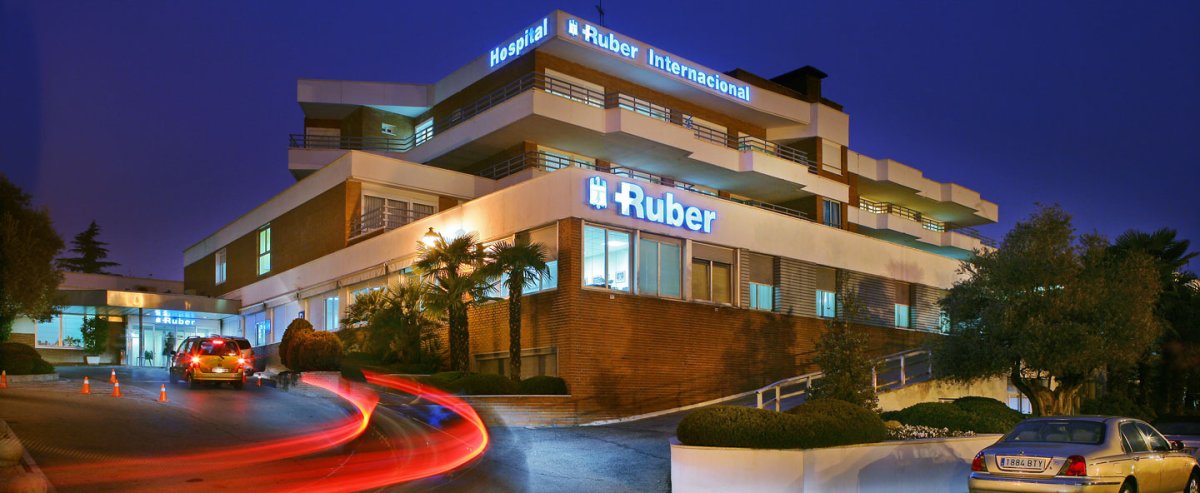











Hospital Universitario HM Sanchinarro
Niko Mihic


Get a Medical Assessment for Thrombocytopenia in Spain: Consult with Experienced Doctors Now
View all Doctors
Francesc Cobo Valien
Dr. Francesc Cobo Valien specializes in oncohematology with a focus on autoimmune pancytopenia, including thrombocytopenia, at Centro Médico Teknon.
- Graduated from the University of Barcelona in 1990
- Specialized in oncohematology at Hospital Clínic de Barcelona
- Received multiple research grants and awards in hematology
- Doctor of Medicine degree from the University of Barcelona
- Combines medical practice with ongoing research activities

Francesc Bosch
Leading expert in Chronic Lymphocytic Leukemia (CLL) – Professor Bosch has pioneered new treatments and technologies for hematological diseases.
- Over 126 years of experience in CLL research and treatment
- Conducts 80+ clinical trials from phase 1 to phase 3
- Published 100+ articles in top journals like The New England Journal of Medicine
- Head of Hematology at IOB Institute of Oncology

Blanca Lopez Ibor
Dr. Blanca Lopez Ibor specializes in pediatric hematology-oncology, with over 31 years of experience treating children and teens.
- Leads the Hematology & Pediatric Oncology Unit at HM Hospitales since 2006
- Trained at the University of Maryland as a pediatric oncologist and hematologist
- Consultant for WHO and UNESCO on pediatric medical issues
- Member of the American Society of Hematology and International Society of Pediatric Oncology

Lopez Ibor
Dr. López-Ibor leads the Pediatric Hematology and Oncology Unit at HM Montepríncipe Hospital, specializing in children's blood disorders with over 32 years of experience.
- Expert in leukemia and hematological diseases
- Trained in Pediatric Hematology and Oncology at University of Maryland
- Author of numerous national and international scientific publications
- Previously directed Pediatric Hematology and Oncology at Clínica San Rafael
Share this content
Video Stories from Bookimed Patients
 Anna Leonova

Expert Overview about Thrombocytopenia Treatment in Spain
What clinical guidelines do Spanish hematologists apply when treating thrombocytopenia?
Spanish hematologists follow clinical guidelines established by the Spanish ITP Working Group (GEPTI). Treatment decisions depend on platelet counts and bleeding risks. Clinical protocols prioritize diagnostic exclusion to rule out secondary causes. Active intervention typically begins when platelet counts drop below 20 × 10⁹/L.
- Diagnostic criteria: Specialists prioritize peripheral blood smears to rule out pseudothrombocytopenia.
- Treatment threshold: Doctors initiate therapy at platelet counts below 20 × 10⁹/L.
- Standard protocol: First-line treatment involves high-dose glucocorticoids like Prednisone or Dexamethasone.
- Secondary management: Experts favor thrombopoietin receptor agonists (TPO-RAs) over surgical splenectomy.
Bookimed Expert Insight: Spain’s hematological landscape is highly specialized, evidenced by Clinica Universidad de Navarra being the first to receive JCI accreditation in the country. Data shows that top centers like SJD Barcelona handle 450,000 patients annually. This high volume allows Spanish specialists to refine conservative `watchful waiting` protocols for counts above 20 × 10⁹/L, effectively reducing unnecessary steroid exposure for asymptomatic patients.
Patient Consensus: Patients note that doctors prioritize bleeding history over raw numbers and often request a series of past blood counts to identify trends. It is common to undergo observation without medication if symptoms are absent and counts remain stable.
At what platelet count is active treatment started in Spain?
Spanish hematologists typically start active treatment for primary immune thrombocytopenia (ITP) when platelet counts drop below 20,000/µL in asymptomatic adults. Patients over 65 years or those with high bleeding risks receive treatment at a threshold of 30,000/µL. Active bleeding triggers immediate intervention regardless of the count.
- Asymptomatic adults: Treatment begins at counts under 20 × 10⁹/L per local guidelines.
- High-risk patients: Threshold increases to 30,000/µL for elderly patients or comorbid cases.
- Clinical bleeding: Immediate therapy starts if active or critical hemorrhagic symptoms are present.
- Pediatric approach: Specialists at SJD Barcelona Children's Hospital emphasize symptom-based observation over counts.
Bookimed Expert Insight: Spanish hematology centers like Clinica Universidad de Navarra maintain a high degree of specialization, being the first in Spain with JCI accreditation. Data analysis shows that while guidelines set thresholds, top specialists like Dr. Francesc Bosch focus on molecular pathogenesis to individualize care. This explains why clinics with over 140,000 annual patients prioritize multidisciplinary consultations before prescribing restricted 4-week corticosteroid courses.
Patient Consensus: Patients note that doctors in Spain often prefer a watch-and-wait approach if no symptoms appear. They emphasize reporting new bruising or nosebleeds immediately, as these signs often trigger treatment faster than the blood test numbers alone.
What first-line medications are prescribed in Spanish hospitals?
Spanish hospitals utilize European Medicines Agency approved medications and Spanish National Health System protocols. First-line treatments for thrombocytopenia prioritize corticosteroids like prednisone or dexamethasone. Critical care cases often require intraveinous immunoglobulin (IVIG) for rapid platelet stabilization. These treatments are delivered within JCI-accredited facilities.
- Cortisteroid therapy: Oral prednisone remains the primary first-line intervention for immune-related platelet issues.
- Intravenous immunoglobulin: IVIG is used for critical bleeding or rapid preoperative platelet elevation.
- Gastrointestinal protection: Omeprazole or Pantoprazole prevents stress ulcers during intensive hospital-based regimens.
- Analgesic protocols: Paracetamol and Metamizole manage pain while avoiding NSAIDs that impact platelets.
Bookimed Expert Insight: Spanish hematology units like those at Clinica Universidad de Navarra maintain exceptional quality standards. Our data shows Spain ranks 6th globally for medical requests. This popularity stems from high-volume centers like SJD Barcelona Children's Hospital. That facility serves 450,000 patients yearly with 800 specialized doctors. Higher patient volumes typically correlate with more refined medication protocols and faster diagnostic accuracy.
Patient Consensus: Patients note that Spanish hematology teams take a careful, stepwise approach. They often prefer conservative observation or standard steroids before moving to more aggressive medication options.
How and where are advanced TPO-RAs accessed in Spain?
Advanced thrombopoietin receptor agonists in Spain are classified as Hospital Use medicines. Patients must access these therapies through a hospital hematologist rather than retail pharmacies. These treatments are strictly second-line options for patients showing insufficient response to corticosteroids or intravenous immunoglobulins.
- Provider requirements: Only a hospital hematologist can prescribe these advanced medications.
- Access points: Drugs are dispensed exclusively through public or private hospital pharmacies.
- Clinical criteria: Patients must meet specific Spanish ITP Working Group guidelines.
- Monitoring protocols: Frequent blood counts are required at the hospital during dosing.
Bookimed Expert Insight: Spain ranks sixth globally in patient requests served through our platform, reflecting a highly structured healthcare system. Data shows that while centers like Clinica Universidad de Navarra hold multiple JCI certifications, access to specific TPO-RAs often depends on regional hospital formularies. Patients should prepare detailed clinical records of prior treatment failures to streamline the internal hospital approval process.
Patient Consensus: Patients note that getting these drugs depends heavily on hospital committee approvals and specific regional rules. Many emphasize the need for regular hospital visits for bloodwork and suggest using private hematology for faster initial consultations.
Which cities and hospitals are considered top centers for thrombocytopenia care in Spain?
Barcelona and Madrid are the primary hubs for thrombocytopenia care in Spain. Leading facilities include Clinica Universidad de Navarra in Pamplona and SJD Barcelona Children’s Hospital. These centers offer advanced hematology units with Joint Commission International accreditation and specialized diagnostic labs for platelet disorders.
- Specialized pediatric care: SJD Barcelona Children’s Hospital treats 450,000 yearly patients with focusing on hematology.
- Advanced diagnostics: Spanish centers utilize molecular medicine and immunograms to identify rare platelet conditions.
- Expert hematologists: Dr. Blanca Lopez Ibor in Madrid provides over 30 years of hematology experience.
- Integrated research: Clinica Universidad de Navarra was Spain’s first Joint Commission International accredited hospital facility.
Bookimed Expert Insight: Choosing between Madrid and Barcelona often depends on patient age and case complexity. Clinica Universidad de Navarra serves over 700,000 international patients and leads in rare disorder research. Meanwhile, Dr. Francesc Cobo Valien at Centro Médico Teknon offers specific expertise in autoimmune pancytopenia cases.
Patient Consensus: Patients note that speed of hematology review is vital for platelet disorders. They recommend prioritizing large teaching hospitals in Madrid or Barcelona that provide 24/7 transfusion support.