Calf Reduction in Spain — get 3 top clinic matches with costs
A calf reduction in Spain costs $2,500 to $6,600, about 48% less than the US average of $8,800 (Bookimed data, November 2026). It is offered by Ocean Clinic, an ISO-certified clinic in Marbella.

Medically reviewed by
Ergin Er
How it works
How Much Does Calf Reduction Cost in Spain?
Calf reduction in Spain typically costs from $2,500 to $6,600. The final price depends on the chosen technique, such as liposuction or muscle resection, and the clinic location. Patients save around 48% compared to the US, where this procedure costs $8,800 on average. Most Spanish surgical packages include consultations, anesthesia, compression garments, and follow-up visits.
- Liposuction technique: Traditional methods start lower, while VASER or high-definition options typically add a 15-20% premium.
- Regional pricing: Medical hubs like Madrid and Barcelona often charge 15-20% more than Valencia or Malaga.
- Muscle reduction: Surgical resection of the gastrocnemius muscle generally costs more than fat-focused liposuction procedures.
- Clinic tier: Premium facilities in Marbella or Madrid may charge significantly more for luxury amenities and stays.
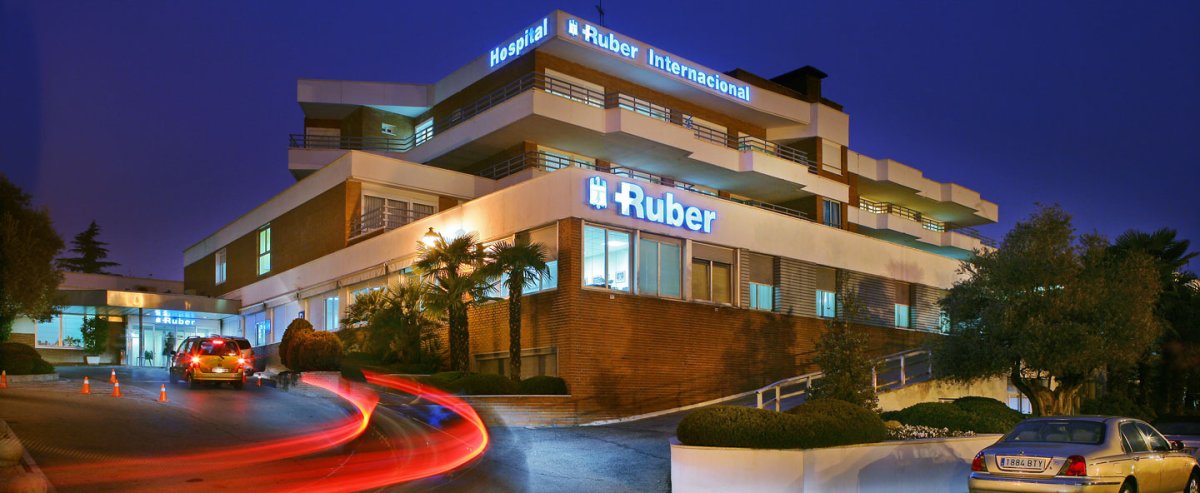
Bookimed Expert Insight: Spain offers a unique balance of JCI-accredited safety and specialized plastic surgery expertise. Choosing a center like Hospital Ruber Internacional in Madrid provides access to 42 specialized departments. For aesthetic focus, Ocean Clinic in Marbella holds IPRAS and ASPS credentials. While Madrid clinics typically charge more, they often lead in advanced technologies like VASER liposuction for high-definition contouring.
| Spain | Turkey | The USA | |
|---|---|---|---|
| Calf Reduction | from $2,500 | from $2,800 | ≈ $6,500 |
| Radiofrequency calf reduction | ≈ $3,300 | ≈ $1,800 | ≈ $4,500 |
Discover the Best Calf Reduction Clinics in Spain: 3 Verified Options and Prices











Calf Reduction Overview in Spain
- Calf Reduction - from $2,500The procedure improves calfs" shape to make them slender, involving muscle or fat removal .
Day 1 - Arrival
- Arrive at the airport.
- Get transferred to the 5* hotel.
Day 2 - Pre-operation
- Have a consultation with the plastic surgeon.
- Undergo necessary medical tests.
- Discuss the surgical plan.
- Obtain pre-operative instructions.
Day 3 - Operation
- Arrive at the clinic.
- Undergo calf reduction surgery, lasting 2-3 hours.
- General anesthesia is used.
- Return to hotel after operation.
Day 4 - Post-operation
- Rest in the hotel.
- Receive post-operative instructions.
- Have a post-operative check-up.
Week 1 - Rehabilitation
- Minimal activities only.
- Begin gentle walking exercises.
- Keep the surgical area clean.
Week 2 - Rehabilitation
- Gradually increase physical activities.
- Observe for any complications.
Week 3 to 6 - Rehabilitation
- Resume normal activities.
- Start moderate exercise.
- Check the progress of recovery.
Week 7 onwards - Final Result
- See the final result of calf reduction.
- Resume all regular activities including sports.
Please note that each patient"s recovery may vary based on individual circumstances.
- Bookimed deposit: $200 or €200.
- Clinic deposit: Pay a set percentage in advance.
Our Doctors
View all Doctors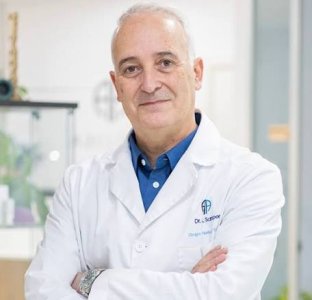
Albert Samper
Dr. Alberto Samper Sugrañes is a plastic, aesthetic and reconstructive surgeon at Centro Médico Teknon in Barcelona. He specialises in facial and body procedures. He offers personalised planning and seeks natural results.
He led the plastic surgery team at Hospital Universitari Quirón-Dexeus from 2003 to 2021. He now works at Centro Médico Teknon (since Nov 2025), Quirónsalud Ciudad Real (since May 2026) and Quirónsalud Clideba (since Feb 2026).
He trained in Plastic, Reconstructive and Aesthetic Surgery at Clínica Universidad de Navarra. He is a full member of SECPRE and a member of the AAAS. He has written many articles and books. He has given hundreds of lectures. His expertise includes facelift and neck lift, blepharoplasty, breast and body contouring, post-bariatric and reconstructive surgery, and lipofilling. He also uses 3D planning and simulation and ultrasound-assisted assessment.

Antonio Rivera Munoz
Dr. Rivera specializes in calf reduction with over 19 years of experience in plastic and cosmetic surgery at Quirónsalud Marbella.
- Co-director of Plastic Surgery Units at Quirónsalud Marbella and Campo de Gibraltar
- Trained in Tissue Engineering at the University of Granada
- Participates in national and international surgical forums
- Works within a hospital environment for maximum safety

José Luis Martín Del Yerro Coca
Specializes in calf reduction with extensive training in plastic and aesthetic surgery – Dr. José Luis Martín Del Yerro Coca has been a leader in the field for decades.
- Member of the Spanish Society of Reconstructive and Aesthetic Plastic Surgery (SECPRE)
- Trained in experimental microsurgery and liposuction techniques
- Former Secretary General of SECPRE and representative to European medical specialists
- Director of multiple international symposia on aesthetic procedures
Video Stories from Bookimed Patients
Reviews about Bookimed: Discover Patients' Insights
All reviewsShare this content
 Anna Leonova

FAQ about Calf Reduction in Spain
What are the common methods for calf reduction in Spain?
Common calf reduction methods in Spain utilize selective neurectomy and muscle remodeling for muscular hypertrophy, alongside tumescent liposuction for fat-related volume. Board-certified surgeons in Madrid and Marbella also utilize botulinum toxin injections for temporary muscle slimming and lipofilling to refine leg proportions without invasive surgical intervention.
- Muscle remodeling: Targeted reshaping provides immediate results for calf volume reduction and aesthetic contouring.
- Tumescent liposuction: Specialized fat removal technique often reserved for medical conditions like lipedema.
- Selective neurectomy: Surgical procedure that corrects calf size by inducing muscle fiber atrophy.
- Non-surgical options: Behavioral modifications and botox injections address mild muscle hypertrophy without anesthesia.
Bookimed Expert Insight: Spanish clinics like Hospital Ruber Internacional leverage JCI-accredited standards for complex body contouring. While many clinics offer liposuction, top-tier centers emphasize structural muscle remodeling. This approach is highly effective because most calf volume in active patients is muscular. Choosing surgeons with SECPRE membership ensures they specialize in advanced muscle-thinning techniques rather than just fat removal.
Patient Consensus: Patients emphasize that calf volume is often muscle-driven from sports or footwear choices. Many recommend prioritizing glute strengthening to balance leg proportions before considering surgical intervention.
Is non-surgical calf reduction available?
Non-surgical calf reduction is available in Spain using neurotoxin injections like Botox to slim the lower legs. This procedure targets overdeveloped gastrocnemius muscles, causing them to relax and gradually shrink. Results typically appear within 2 to 8 weeks and last up to 6 months.
- Procedure method: Specialists inject neurotoxins directly into calf muscles to induce temporary controlled atrophy.
- Treatment dosage: Calves require high doses, often 50 to 100 units per leg for results.
- Slimming effect: Patients commonly see a circumference reduction of 0.5 to 2.5 cm after treatment.
- Maintenance needs: Injections must be repeated every 3 to 6 months to sustain the contour.
Bookimed Expert Insight: Spain holds a unique advantage for aesthetic patients because top-tier facilities like Ocean Clinic and Hospital Ruber Internacional maintain high accreditation standards like JCI and ISO. While Botox handles muscle bulk, these clinics often suggest liposuction if your volume is actually subcutaneous fat. Combining expert diagnostic screening with surgical backup provides a safety net that smaller boutique clinics often lack.
Patient Consensus: Many patients emphasize that while injections are quick, the high volume of units makes this more expensive than facial treatments. They advise choosing specialists specifically experienced in leg contouring to ensure even muscle reduction and avoid walking difficulties.
Who is a good candidate for calf reduction surgery in Spain?
Ideal candidates for calf reduction in Spain are individuals with localized, stubborn fat deposits or muscle hypertrophy who desire a more slender leg contour. Successful patients typically have proportional weight, healthy skin elasticity, and specific aesthetic goals that diet or exercise cannot address.
- Genetic fat deposits: Suitable for patients with localized fat pockets resistant to weight loss efforts.
- Muscle hypertrophy: Ideal for individuals with overdeveloped calf muscles seeking surgical or non-surgical slimming.
- Lipoedema patients: Appropriate for those experiencing abnormal, painful fat accumulation in the lower limbs.
- Health status: Candidates must be free from neuromuscular pathologies like muscular atrophy or dystrophies.
Bookimed Expert Insight: While many seek liposuction for `cankles,` the highest satisfaction in Spain often comes from combining techniques. Surgeons like José Luis Martín Del Yerro Coca specialize in superficial liposuction, which is crucial for lower leg skin. For athletic patients, focusing on muscle reduction rather than fat removal yields a more natural, tapered result. Always verify if your calf volume is muscle or fluid before booking.
Patient Consensus: Patients emphasize the need for a 14-day stay in Spain to manage recovery and follow-ups. They recommend professional diagnosis to distinguish between muscle bulk and fluid-related swelling before choosing surgery.
How do I choose the best calf reduction surgeon in Spain?
To choose the best calf reduction surgeon in Spain, verify membership in the Spanish Society of Plastic, Reconstructive and Aesthetic Surgery (SECPRE). Prioritize surgeons with JCI-accredited facilities and expertise in advanced liposuction techniques like Vaser or Body Jet for precise lower-body contouring.
- Certification check: Verify surgeons hold credentials from the Spanish Society of Plastic, Reconstructive and Aesthetic Surgery (SECPRE).
- Clinical standards: Select clinics like Hospital Ruber Internacional that maintain Joint Commission International (JCI) accreditation.
- Expert experience: Seek surgeons like Dr. José Luis Martín Del Yerro Coca with EBOPRAS international certification.
- Language accessibility: Choose centers like Ocean Clinic where staff provide services in English and German.
Bookimed Expert Insight: Many patients search for calf reduction but find better results looking for lipedema specialists. Surgeons like Dr. José Luis Martín Del Yerro Coca use Body Jet and Vaser technologies. These tools allow for safer fat removal in the lower legs than traditional methods.
Patient Consensus: Patients emphasize the importance of discussing exact surgical techniques to avoid nerve damage. Secure a clear revision policy and confirm English-speaking support before booking your procedure.
How long do calf reduction results last?
Calf reduction results last between 4 months and a lifetime depending on the chosen method. Non-surgical Botox injections provide temporary muscle thinning for 4 to 6 months. In contrast, surgical muscle resection or nerve ablation offers permanent contour changes by physically reducing muscle tissue.
- Surgical removal: Results are permanent because surgeons physically remove portions of the gastrocnemius muscle.
- Botox injections: Maintenance sessions are required every 4 to 6 months to keep effects.
- Liposuction results: Fat removal is permanent provided patients maintain a stable weight after recovery.
- Recovery timeline: Surgical patients require 12 to 18 months for the final contour to stabilize.
Bookimed Expert Insight: While surgical resection offers the only permanent solution, Spanish centers like Hospital Ruber Internacional utilize high-end diagnostics like 3-Tesla MRI to map muscle density first. This precision helps surgeons determine if the bulk is muscular or adipose. Knowing this ensures you don't pay for surgery when simpler liposuction could achieve the same goal.
Patient Consensus: Patients emphasize that Botox is a subtle fix for minor softening. Most agree that surgery is the only reliable path for dramatic, permanent changes to genetic calf shape.