Dr. Mesut Inan has performed 1,000+ plastic surgery procedures over 15 years of experience. A calf reduction package typically costs around $8,500. This includes the surgery, anesthesia, 5 nights at the Land Park Hotel, and VIP transfers. The clinic uses internal self-dissolving stitches to help with healing and minimize scarring. Patients follow a structured 7-day program with daily follow-ups to help with a safe recovery. Dr. Inan completed his specialized training at Sisli Hamidiye Etfal Hospital.
How it works
How Much Does Calf Reduction Cost in Turkey?
Calf reduction in Turkey typically costs from $2,800 to $4,800, depending on the chosen surgical technique and clinic location. Patients save around 57% compared to the US, where the average price is $8,800. Most Turkish clinics provide all-inclusive packages covering surgical fees, anesthesia, hospital stays, luxury hotel accommodation, and VIP airport-to-clinic transfers for international patients.
- Liposuction technique: Prices start around $1,500 and reach $3,750 for fat removal.
- Surgical reduction: This more intensive muscle-shaping approach generally starts near $2,400.
- Advanced technologies: VASER or laser-assisted methods typically add 20-30% to the base cost.
- Regional variations: Packages in Istanbul often cost 15-20% more than in Antalya or Izmir.
Bookimed Expert Insight: Choosing a VASER-certified specialist provides the best value for body contouring. Dr. Leyla Arvas at Quartz Hospital is a certified VASER trainer, ensuring high precision. While clinics like Istanbul Aesthetic Plastic Surgery Center handle over 4,000 patients annually, smaller boutique practices often include premium extras like PRP therapy. For the best balance of cost and safety, prioritize JCI-accredited facilities like Memorial Şişli Hospital.
| Turkey | The UK | The USA | |
|---|---|---|---|
| Calf Reduction | from $2,800 | ≈ $5,800 | ≈ $6,500 |
| Radiofrequency calf reduction | ≈ $1,800 | ≈ $4,800 | ≈ $4,500 |
Calf Reduction Packages in Turkey — November 2026
Discover the Best Calf Reduction Clinics in Turkey: 37 Verified Options and Prices
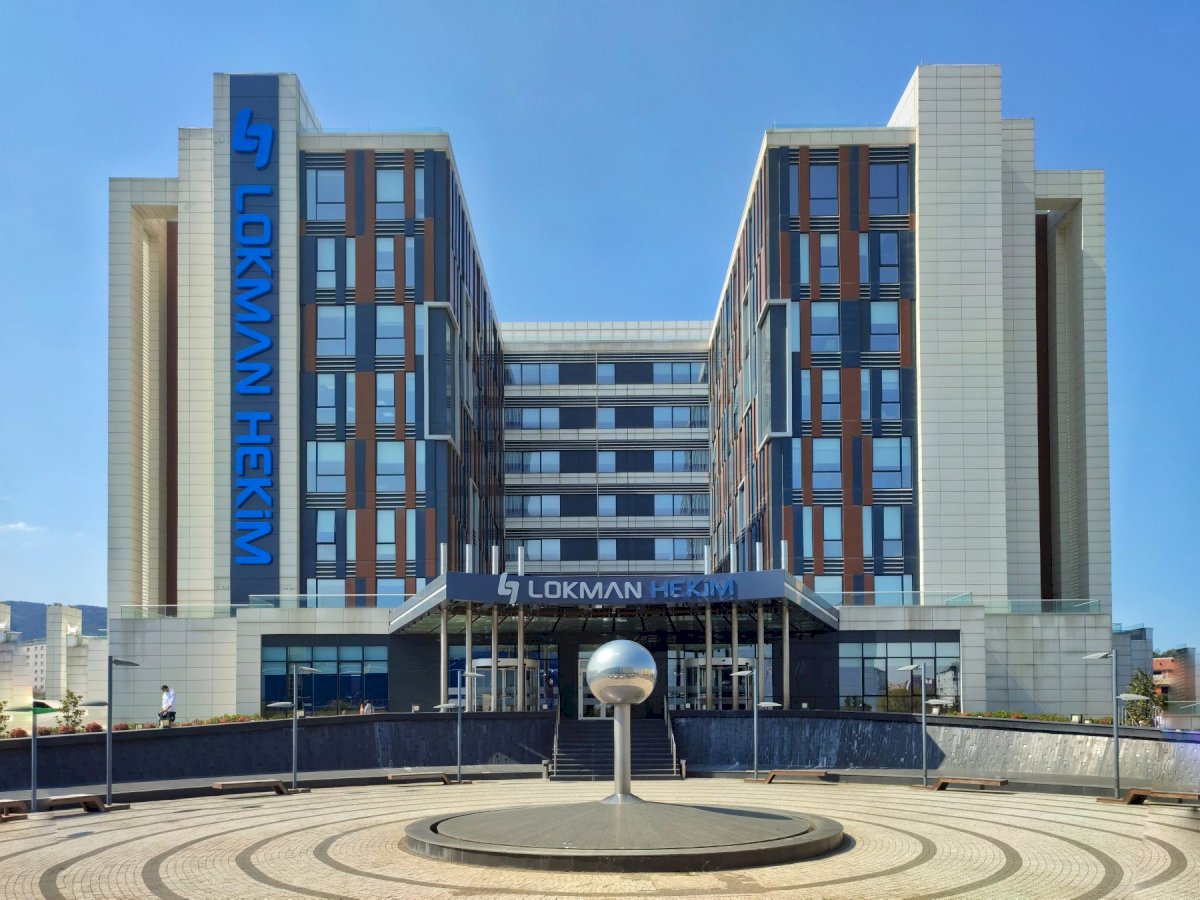
Lokman Hekim Istanbul Hospital
Murat Yaman


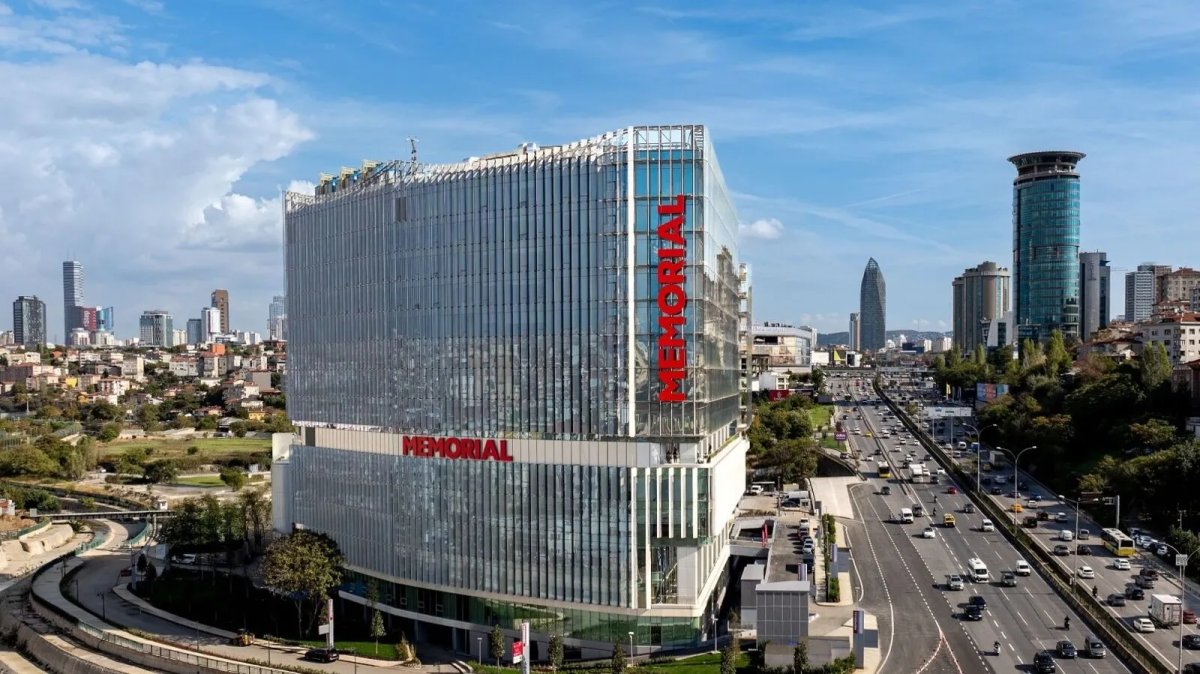
Memorial Göztepe Hospital
Medipol Mega University Hospital
Naci Karacaoglan


Calf Reduction Overview in Turkey
- Calf Reduction - from $2,800The procedure improves calfs" shape to make them slender, involving muscle or fat removal .
Day 1 - Arrival
- Arrive at the airport.
- Get transferred to the 5* hotel.

Day 2 - Pre-operation
- Have a consultation with the plastic surgeon.

- Undergo necessary medical tests.
- Discuss the surgical plan.
- Obtain pre-operative instructions.
Day 3 - Operation
- Arrive at the clinic.
- Undergo calf reduction surgery, lasting 2-3 hours.
- General anesthesia is used.
- Return to hotel after operation.
Day 4 - Post-operation
- Rest in the hotel.
- Receive post-operative instructions.
- Have a post-operative check-up.
Week 1 - Rehabilitation
- Minimal activities only.
- Begin gentle walking exercises.
- Keep the surgical area clean.
Week 2 - Rehabilitation
- Gradually increase physical activities.
- Observe for any complications.
Week 3 to 6 - Rehabilitation
- Resume normal activities.
- Start moderate exercise.
- Check the progress of recovery.
Week 7 onwards - Final Result
- See the final result of calf reduction.
- Resume all regular activities including sports.
Please note that each patient"s recovery may vary based on individual circumstances.
What patients like:
- Cost. The Calf Reduction cost in Turkey ranges from $2,800 to $4,800. It's cheaper than the U.S. where it can cost up to $10000.
- Doctor’s professionalism. Certified doctors with international memberships perform the procedures. They have extensive experience in numerous surgeries.
- Service level. Patients admire the high service level in Turkey. Clinics provide comprehensive care from consultation to post-operative follow-ups.
- Calf Reduction efficacy. Advanced techniques used in Turkey guarantee satisfying results with minimal scarring.
- Logistics. Clinics often offer packages including lodging and transportation, making the trip hassle-free.
What patients don’t like:
- Language barrier. Some patients struggle with communication due to the language barrier.
- Distance. Traveling to Turkey may be inconvenient for patients from distant countries.
- Post-operative care. Patients may need to seek local medical support for post-operative care after returning home.
- Bookimed deposit: $200 or €200.
- Clinic deposit: Pay a set percentage in advance.
Bookimed, a leading global medical tourism platform, is committed to helping clients looking for Calf Reduction in Turkey by offering expert assistance and trustworthy medical solutions for every situation. Smart automatic ranking system is used to compose transparent clinic listings, meticulously maintained by a data scientist using AI for accuracy. The platform guarantees authenticity by publishing reviews from real patients after their treatments. Bookimed offers comprehensive medical solutions, with updates from clinics to ensure trustworthiness. The content about Calf Reduction in Turkey, crafted by experienced medical authors and reviewed by specialists, adheres to Bookimed"s Editorial Guidelines, reflecting the platform"s commitment to delivering high-quality and clear health information. For more details or inquiries, feel free to contact us at marketing@bookimed.com or learn more about us and our mission About Bookimed .
Our Trusted Doctors
View all Doctors
Murat Yaman
Dr. Yaman treats 500-600 patients annually with a focus on natural-looking results and high patient satisfaction.
- Specializes in body contouring procedures, including calf reduction
- Trained in basic microsurgery at Hacettepe University
- Member of the Turkish Society of Reconstructive, Aesthetic, and Plastic Surgery
- Education from Eskisehir Osmangazi and Manisa Celal Bayar Universities

Melikgazi Ozturk
Specializing in calf reduction at Memorial Şişli Hospital, Dr. Ozturk brings precision and aesthetic expertise to every procedure.
- Trained in plastic and reconstructive surgery at Hacettepe University
- Former research assistant at Erciyes University Faculty of Medicine
- Experienced in both reconstructive and aesthetic plastic surgery techniques

Kadriye Ipek Uzunoglu
Dr. Kadriye Ipek Uzunoglu is a plastic surgeon at Memorial Şişli Hospital in Istanbul. She is a recognized expert in revision rhinoplasty and aesthetic face surgery. Dr. Uzunoglu completed an observership at the University of Alabama at Birmingham. She treats patients at a JCI-accredited medical center. This hospital is the first in Turkey to earn this US surgical safety quality standard.
- Specializes in complex nose jobs, breast reconstruction, and body contouring.
- Performs Vaser liposuction and 360 body sculpting techniques.
- Member of the Turkish Plastic and Aesthetic Surgery Association.
- Completed additional training in microsurgery and facial aesthetics.

Cemal Firat
Professor Firat specializes in aesthetic and reconstructive surgery at Medical Park Antalya Hospital Complex with a focus on precise surgical techniques.
- Specializes in microsurgery and nerve injury treatments
- Extensive research in burn wound healing and tissue necrosis
- Professor at İnönü University Faculty of Medicine since 2019
- Managed theses on advanced reconstruction methods in plastic surgery
Video Stories from Bookimed Patients
Reviews about Bookimed: Discover Patients' Insights
All reviews


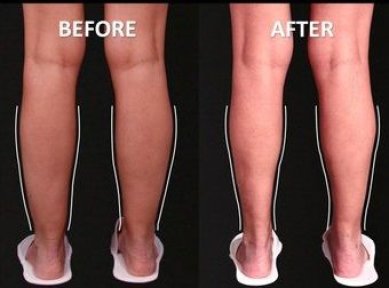
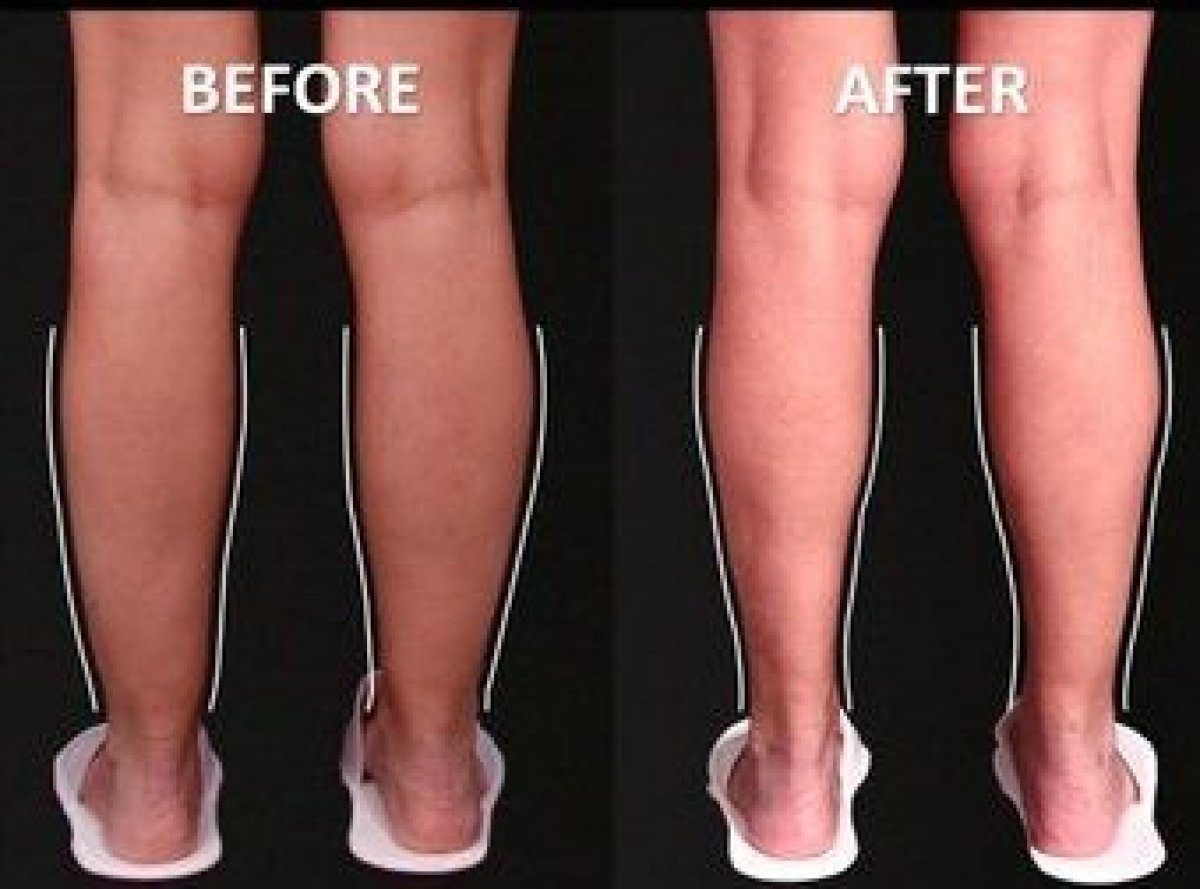
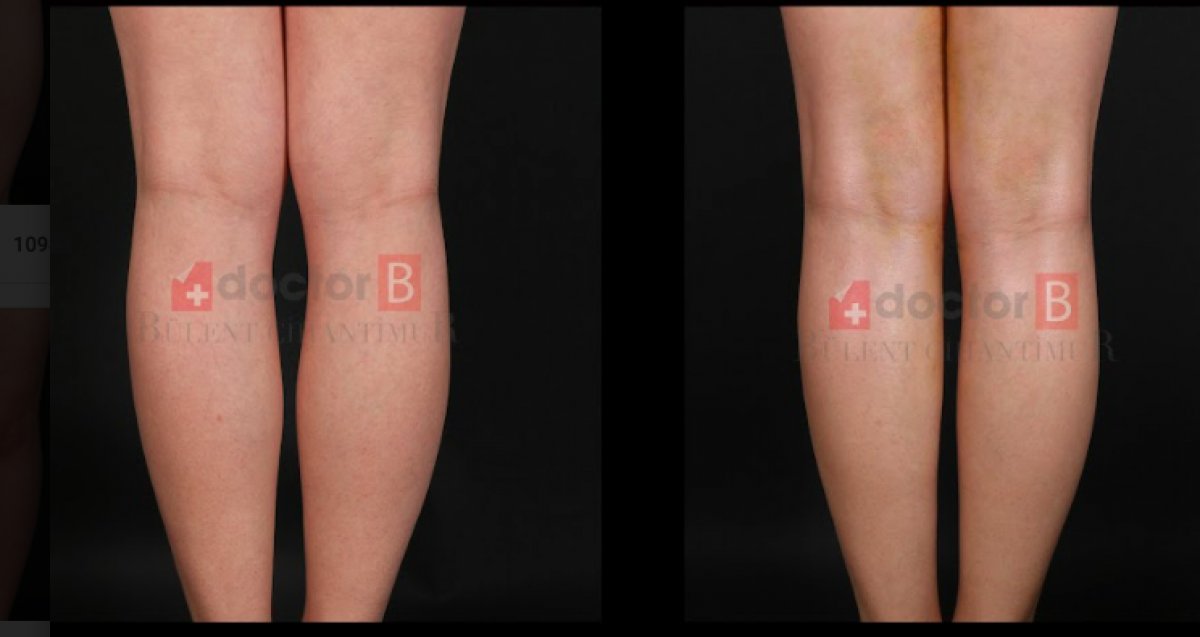
Calf Reduction: Before & after photos
View allShare this content
Anna Leonova
FAQ about Calf Reduction in Turkey
What are the potential risks or complications of calf reduction surgery in Turkey?
Calf reduction surgery in Turkey involves risks such as contour asymmetry, nerve injury, and muscle weakness. While Joint Commission International accredited facilities reduce clinical hazards, patients may face gait changes or deep vein thrombosis. Recovery requires wearing compression corsets to prevent fluid buildup or seroma.
- Functional impairments: Selective neurectomy or muscle resection can cause temporary walking difficulty or chronic fatigue.
- Sensation changes: Nerve damage during surgery leads to localized numbness or tingling around the ankle.
- Contour issues: Liposuction in the lower leg often results in uneven skin surfaces or dimpling.
- Vascular risks: Immobility during travel or recovery increases the chance of deep vein thrombosis.
Bookimed Expert Insight: Turkish clinics like Grand Clinic often use `no implant` techniques to minimize foreign body rejection. Data shows that while surgical neurectomy offers permanent results, non-surgical radiofrequency options at other centers provide a safer profile for those prioritizing athletic function over maximum volume reduction.
Patient Consensus: Patients often worry about results returning to original size after a year or needing revisions within six months. They suggest securing an independent doctor at home for follow-up before traveling abroad for surgery.
Are the results of surgical calf reduction in Turkey permanent?
Surgical calf reduction in Turkey provides permanent results when performing muscle resection or liposuction. While techniques like selective neurectomy or radiofrequency ablation target nerves to shrink muscle, these may lead to regression. Physical removal of muscle tissue or fat cells offers the most lasting change.
- Muscle resection: Surgeons physically remove gastrocnemius tissue for permanent, irreversible calf slimming.
- Liposuction technique: Fat cell extraction provides permanent contouring as these cells do not regenerate.
- Hospital stay: Typical surgical protocols in Istanbul clinics include a 2 day hospital stay.
- Recovery support: Patients wear a compression corset post-surgery to maintain new calf shapes.
Bookimed Expert Insight: While muscle resection offers the highest permanence, our data shows patients often choose radiofrequency ablation starting at $1,800 for a less invasive approach. However, for a truly one-time fix, the premium surgical packages at clinics like Grand Clinic include 5 days of hotel recovery to ensure stable early healing, which is vital for long-term symmetry.
Patient Consensus: Results vary by technique, and some patients find that nerve-based methods lead to size regression within a year. Most recommend seeing long-term photos rather than early post-op shots to gauge true permanence.
What methods are used for calf reduction in Turkey?
Calf reduction in Turkey utilizes surgical and non-surgical methods to slim the lower leg. Key techniques include selective neurectomy, gastrocnemius muscle resection, and muscle ablation for muscular bulk. Clinics also offer VASER liposuction for fat-based issues and Botox for temporary muscle thinning.
- Selective neurectomy: Targets nerve branches to selectively shrink the gastrocnemius muscle over time.
- Muscle resection: Involves partial surgical removal of muscle tissue for significant volume reduction.
- VASER liposuction: Uses ultrasound to break down localized fat while helping skin retraction.
- Botox injections: Provides a non-surgical alternative by temporarily weakening muscle mass for 6-12 months.
- Radiofrequency ablation: Employs heat energy to reduce muscle volume through a minimally invasive approach.
Bookimed Expert Insight: Bookimed data shows a clear distinction between aesthetic reduction and medical recession. While many seek cosmetic changes, surgeons like Dr. Ramazan Kilic at Grand Clinic often focus on `no implant` techniques. This approach prioritizes natural contouring over synthetic fillers for safer long-term results.
Patient Consensus: Patients emphasize the importance of identifying if bulk is muscle or fat before booking. Many travelers advise planning for longer recovery times, often involving crutches or compression garments for several weeks.
What is the recovery time after a surgical calf reduction in Turkey?
Recovery after surgical calf reduction in Turkey typically allows patients to be mobile within days, though comfortable walking usually takes 1 to 2 weeks. Most individuals resume normal exercise after 4 to 6 weeks, while final swelling reduction and contours settle between 3 to 8 months.
- Hospital stay: Patients usually spend 2 days in the clinic for monitoring and pain management.
- Walking pattern: Expect stiff or tight movement during the first 3 days after surgery.
- Compression therapy: Wearing specialized compression garments for at least 2 weeks helps control surgical swelling.
- Work return: Most patients return to desk-based jobs about 2 weeks after the procedure.
Bookimed Expert Insight: While many clinics suggest a short trip, data shows premium packages like those at Grand Clinic include 5 hotel nights. Staying at least 7 days in Istanbul helps surgeons like Dr. Ramazan Kilic perform essential follow-up checks before you fly home.
Patient Consensus: Initial swelling can be deceptive and make legs look larger at first. Patients suggest planning for a 14-day stay to ensure comfort during the most intense bruising phase.
What is calf reduction surgery and why do people get it in Turkey?
Calf reduction is a cosmetic procedure used to slim the lower legs by targeting muscle bulk or localized fat. Patients choose Turkey for access to specialized techniques like radiofrequency reduction and nerve blocking at costs starting from $2,800, saving about 57% compared to US prices.
- Available techniques: Clinics offer liposuction, radiofrequency reduction, nerve blocking, or Botox to contour lower legs.
- Typical stay: Surgical packages usually include 2 days in the hospital and 5 hotel days.
- Accredited facilities: Top hospitals like Lokman Hekim Istanbul Hospital hold Joint Commission International (JCI) accreditation.
- Package inclusions: Premium options cover 5-star hotels, VIP transfers, compression garments, and follow-up examinations.
Bookimed Expert Insight: While many seek muscle reduction, our data shows a shift toward radiofrequency techniques starting at $1,800. This method offers a middle ground between temporary Botox and invasive surgery. Dr. Ramazan Kilic at Grand Clinic, for example, uses no-implant techniques that prioritize natural contouring with shorter recovery times.
Patient Consensus: Patients emphasize the need to distinguish between muscle bulk and fat deposits before booking. They advise checking if swelling requires extra recovery time beyond the standard 7-day trip.