Cat Eye Surgery (Canthoplasty) in Spain — Get 3 Top Clinic Matches with Costs
Cat eye surgery in Spain costs $2,800 to $4,800, about 40% less than the US average of $6,300 (Bookimed data, November 2026). Bookimed lists 2 cat eye surgery clinics in Spain, in Barcelona and Madrid, including JCI-accredited clinics. These clinics are rated 4.7/5 in 501 verified patient reviews on Bookimed.

Medically reviewed by
Ergin Er
How Much Does Cat Eye Surgery (Canthoplasty) Cost in Spain?
The cost of Cat Eye Surgery (Canthoplasty) in Spain typically ranges from $2,800 to $4,800. Pricing varies depending on the clinic, the surgeon’s experience, whether the procedure is lateral canthoplasty or canthopexy, and if it’s combined with blepharoplasty. In the United States, the average price is $6,300 (per ASPS). This means patients often save about 40% by choosing Spain for this procedure.
Spanish clinics usually include pre-op evaluation, the surgical procedure under local or general anesthesia, all medical materials, post-op medications, and one or two follow-up visits. In the U.S., quoted prices often cover only the surgeon’s fee, with anesthesia, facility, and aftercare billed separately. Always confirm what’s included in your package before booking.
| Spain | Turkey | The USA | |
|---|---|---|---|
| Cat Eye Surgery (Canthoplasty) | from $2,800 | from $1,100 | ≈ $4,500 |
Your Benefits and Guarantees with Bookimed
Transparent Prices & Flexible Installments
No hidden fees – just official clinic prices. Pay at the clinic for Cat Eye Surgery (Canthoplasty) upon arrival and use a flexible installment plan if needed.
Verified Clinics & Doctors Only
Bookimed is committed to your safety. We only work with medical institutions that maintain high international standards in Cat Eye Surgery (Canthoplasty) and have the necessary licenses to serve international patients worldwide.
Free 24/7 Assistance
Bookimed offers free expert assistance. A personal medical coordinator supports you before, during, and after your treatment, solving any issues. You're never alone on your Cat Eye Surgery (Canthoplasty) journey.

Your personal Bookimed medical coordinator
- Supports you at every stage
- Helps choose the right clinic and doctor
- Ensures quick and convenient access to information
Discover the Best Cat Eye Surgery (Canthoplasty) Clinics in Spain: 2 Verified Options and Prices









Cat Eye Surgery (Canthoplasty) Overview in Spain
- Blepharoplasty (Eyelid correction) - from $2,000During an operation, eye excess skin or fat is removed to make a younger, more alert appearance.
- Upper Eyelid Surgery - from $3,600The procedure lifts droopy lids, enhancing vision and aesthetics. It involves removing excess skin, fat tissue, and muscle.
- Lower Eyelid Blepharoplasty - from $1,800This operation corrects bagginess or excess skin under the eye by removing or repositioning fat, enhancing appearance.
- Upper and Lower Eyelid Surgery - from $5,400This therapy repairs sagging skin around eyes, refreshes appearance, and can improve vision by removing excess tissue.
- Fox Eye Lift - from $9,900A Fox Eye Lift is a cosmetic surgery that subtly elevates the outer corners of the eyes, creating an almond-shaped appearance, with minimal recovery time required.
- Cat Eye Surgery (Canthoplasty) - from $2,800Reshaping of the outer corners of the eyes to achieve an almond-like appearance, enhancing eye symmetry and aesthetic appeal, with minimal recovery time.
- Bookimed deposit: $200 or €200.
- Clinic deposit: Pay a set percentage in advance.
Our Doctors
View all Doctors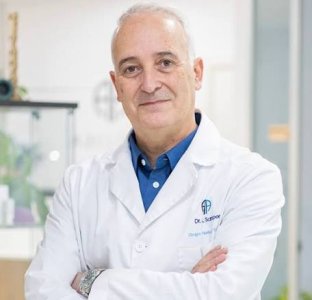
Albert Samper
Dr. Alberto Samper Sugrañes is a plastic, aesthetic and reconstructive surgeon at Centro Médico Teknon in Barcelona. He specialises in facial and body procedures. He offers personalised planning and seeks natural results.
He led the plastic surgery team at Hospital Universitari Quirón-Dexeus from 2003 to 2021. He now works at Centro Médico Teknon (since Nov 2025), Quirónsalud Ciudad Real (since May 2026) and Quirónsalud Clideba (since Feb 2026).
He trained in Plastic, Reconstructive and Aesthetic Surgery at Clínica Universidad de Navarra. He is a full member of SECPRE and a member of the AAAS. He has written many articles and books. He has given hundreds of lectures. His expertise includes facelift and neck lift, blepharoplasty, breast and body contouring, post-bariatric and reconstructive surgery, and lipofilling. He also uses 3D planning and simulation and ultrasound-assisted assessment.
Cherin Nehme
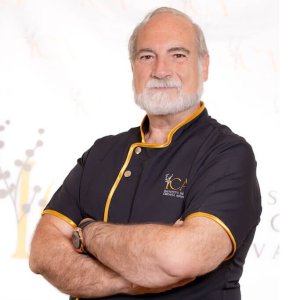
Joaquín García Aparicio
Video Stories from Bookimed Patients
Reviews about Bookimed: Discover Patients' Insights
All reviewsShare this content
 Anna Leonova

FAQ about Cat Eye Surgery (Canthoplasty) in Spain
What are the primary risks or complications of Canthoplasty?
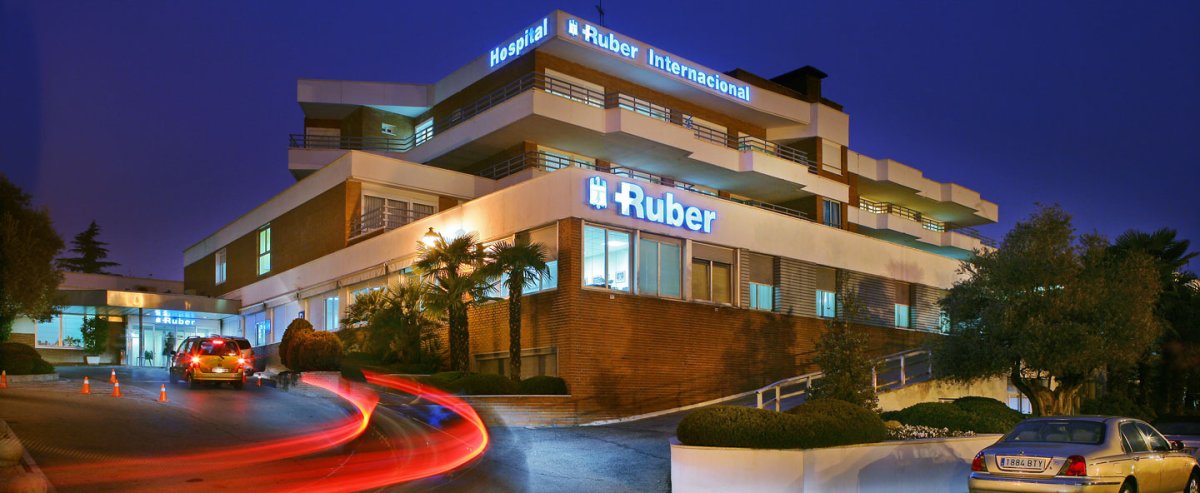
Canthoplasty risks include eyelid malposition, dry eyes, and potential asymmetry. While generally safe at JCI-accredited facilities like Hospital Ruber Internacional, this invasive procedure involves repositioning tendons. Patients may experience temporary swelling, chemosis, or difficulty fully closing eyes during the initial recovery phase.
- Eyelid malposition: Incorrect tension may cause the lower lid to pull away.
- Vision disturbances: Patients often report temporary blurred vision due to swelling.
- Persistent scarring: Visible redness at the outer corner may last 6-12 months.
- Shape regression: The dramatic cat-eye lift can soften or partially regress over time.
Bookimed Expert Insight: Spain’s top specialists like Dr. Joaquín García Aparicio use the Katzenblau technique to align the lift with natural facial contours. Data shows that choosing a surgeon experienced in this specific method reduces the need for revision surgery. Patients should note that canthoplasty carries a higher risk profile than the less invasive canthopexy.
Patient Consensus: Most patients report that visible scarring and skin tightness are the most common concerns during the first year. They advise preparing for a long recovery as the final eye shape takes several months to stabilize.
Are the results of Cat Eye Surgery permanent?
Surgical cat eye surgery results are considered permanent because the procedure physically alters the lateral canthal tendon and structural support of the outer eye. Unlike temporary thread lifts, this anatomical repositioning provides a lasting change to the eye shape and upward slant.
- Procedure longevity: Canthoplasty results endure for years due to permanent internal tendon anchoring.
- Natural aging: Skin laxity and gravity gradually soften sharp contours over a decade.
- Settling phase: Initial extreme lifts typically refine and settle after 3 to 6 months.
- Technique variations: Options like the Katzenblau technique or canthopexy offer different levels of durability.
Bookimed Expert Insight: Bookimed data shows that leading Spanish specialists, such as those at Hospital Ruber Internacional, emphasize structural durability over temporary fixes. While canthoplasty is permanent, the initial post-op look often appears over-lifted. Most patients see the true, stable result only after 6 months once the tissue tension fully relaxes into its new position.
Patient Consensus: Patients report that while the structural shift remains, the look naturally softens over time. Many suggest viewing long-term before-and-after photos to understand how the lift settles after the first year.
What is the difference between Canthoplasty and Canthopexy?
Canthopexy reinforces the outer eye corner using internal sutures without detaching tendons, while canthoplasty structurally rebuilds the eye by cutting and re-anchoring the lateral canthal tendon. Canthopexy offers subtle support, whereas canthoplasty dramatically reshapes the eye into an almond or cat-eye contour.
- Canthopexy technique: Tucks and stitches existing tendons to the orbital bone rim without incisions.
- Canthoplasty technique: Shortens and physically repositions the tendon to a new bone anchor point.
- Invasiveness level: Canthopexy is minimally invasive; canthoplasty requires reconstructive surgery and physical tissue alteration.
- Surgical outcomes: Canthopexy prevents lid sagging; canthoplasty corrects severe laxity or changes eye tilt.
Bookimed Expert Insight: Spanish surgeons like Dr. Joaquín García Aparicio at Clinic ICA now utilize specialized variations like the Katzenblau technique. This approach bridges the gap between traditional methods. It achieves the dramatic cat-eye lift patients want while maintaining the structural integrity typical of high-end European aesthetic centers.
Patient Consensus: Many patients find the first two weeks post-surgery challenging due to a tight, exaggerated appearance. Results typically soften into a natural look after one month, making healed photos essential for realistic expectations.
How long is the recovery period after Canthoplasty?
Canthoplasty recovery typically requires 2 to 4 weeks for initial healing, with final tissue settling occurring over 3 to 6 months. Most patients return to work within 7 to 14 days once peak bruising and swelling around the eyelid corners subside.
- Initial healing: Swelling and bruising peak during the first 3 days after surgery.
- Suture removal: Surgeons typically remove non-dissolvable stitches around 7 days post-procedure.
- Activity limits: Patients must avoid strenuous exercise and heavy lifting for 3 weeks.
- Final results: Eyelid contours fully soften and reach their permanent shape within 6 months.
Bookimed Expert Insight: While initial recovery is quick, Spanish surgeons like Dr. Joaquín García Aparicio often utilize the Katzenblau technique. This specialized approach can cause temporary tightness or an over-corrected appearance. Our data shows this settles naturally as tissues soften over the first 90 days.
Patient Consensus: Many patients find the first few months psychologically challenging due to temporary eyelid tightness. Experts recommend patience as the initial overdone look transition into a natural, lifted result by the fourth month.
Can Canthoplasty be combined with other cosmetic surgeries?
Canthoplasty is frequently combined with facial surgeries like blepharoplasty, brow lifts, and fat grafting to enhance periocular aesthetics. Surgeons in Spain, such as those at JCI-accredited Hospital Ruber Internacional, often pair these procedures to achieve a balanced look while consolidating recovery and anesthesia sessions.
- Eyelid correction: Blepharoplasty is the primary pairing to address sagging skin and eye shape.
- Brow lifting: Combining with a brow lift often achieves a more impactful cat-eye effect.
- Structural sequencing: Experts recommend completing jaw or cheek modifications months before refining eye corners.
- Outcome management: Combining procedures helps prevent lower lid drooping during intensive skin removal surgeries.
Bookimed Expert Insight: Data shows that for a true cat-eye transformation, surgeons like Dr. Joaquín García Aparicio often utilize the Katzenblau technique. While patients frequently request multiple simultaneous changes, leading Spanish specialists prioritize staging rhinoplasty separately. This logic ensures the final facial balance is assessed accurately once major central features have fully healed.
Patient Consensus: Patients emphasize that early results look extremely dramatic due to swelling. Most advise waiting for full recovery before judging the final symmetry of combined procedures.