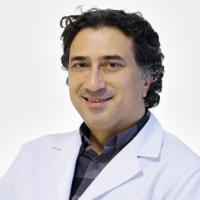
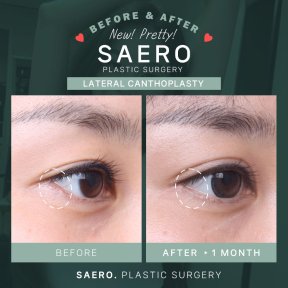
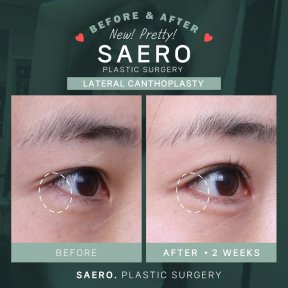
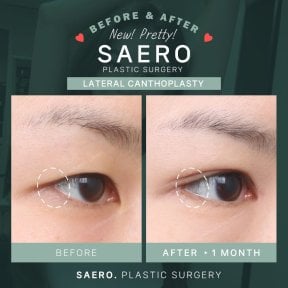
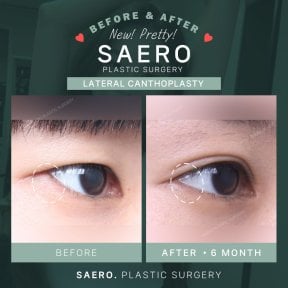
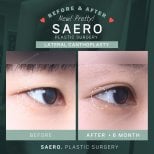
SAERO Plastic Surgery in Gangnam uses a real-name surgeon system to ensure no shadow doctors perform procedures. Prof. Dr. Young-gyu Park has dedicated over 20 years exclusively to plastic surgery. The clinic offers four distinct canthoplasty types to customize eye shaping, including techniques that enlarge the eyes without narrowing the inter-brow distance. This adult-only facility treats over 700 international patients annually. Their approach focuses on minimizing scarring and providing fast recovery through CT imaging and a structured aftercare program.
How it works
How Much Does Cat Eye Surgery (Canthoplasty) Cost in Republic of Korea?
Cat Eye Surgery (Canthoplasty) in Republic of Korea typically costs from $1,300 to $4,200. The final price depends on the chosen surgical technique, clinic location, and surgeon experience. In the US, similar procedures cost around $6,300 on average. Patients save around 56% compared to US prices. Standard inclusions often cover the surgery, local or sedation anesthesia, and post-operative deswelling treatments.
- Lateral canthoplasty: $1,300 to $4,200 to elongate the outer eye corners.
- Combined procedures: Typically more cost-effective than separate surgeries when adding ptosis correction.
- Revision cases: Usually cost 40-60% more than primary surgery due to increased complexity.
- Regional hubs: Most advanced clinics are located in Seoul and Daegu.
Bookimed Expert Insight: Choosing a specialized clinic in Seoul offers 5-star rated expertise and high patient volumes. For instance, Seoul Miz Hospital serves 200,000 patients annually. Meanwhile, Returning Plastic Surgery features a head surgeon with elite credentials from Hanyang University. It's smart to pick clinics with KOIHA or ISO certifications. These facilities often offer multilingual support teams for a seamless experience. Avoiding overtreatment while utilizing the latest techniques ensures natural, personalized results.
| Republic of Korea | Turkey | The USA | |
|---|---|---|---|
| Cat Eye Surgery (Canthoplasty) | from $1,300 | from $1,100 | ≈ $4,500 |
Cat Eye Surgery (Canthoplasty) Packages in Republic of Korea — November 2026
SAERO Plastic Surgery in Gangnam uses a real-name surgeon system to ensure no shadow doctors perform procedures. Prof. Dr. Young-gyu Park has dedicated over 20 years exclusively to plastic surgery. The clinic offers four distinct canthoplasty types to customize eye shaping, including techniques that enlarge the eyes without narrowing the inter-brow distance. This adult-only facility treats over 700 international patients annually. Their approach focuses on minimizing scarring and providing fast recovery through CT imaging and a structured aftercare program.
Discover the Best Cat Eye Surgery (Canthoplasty) Clinics in Republic of Korea: 10 Verified Options and Prices
VG Plastic Surgery
Yang Jong Phil


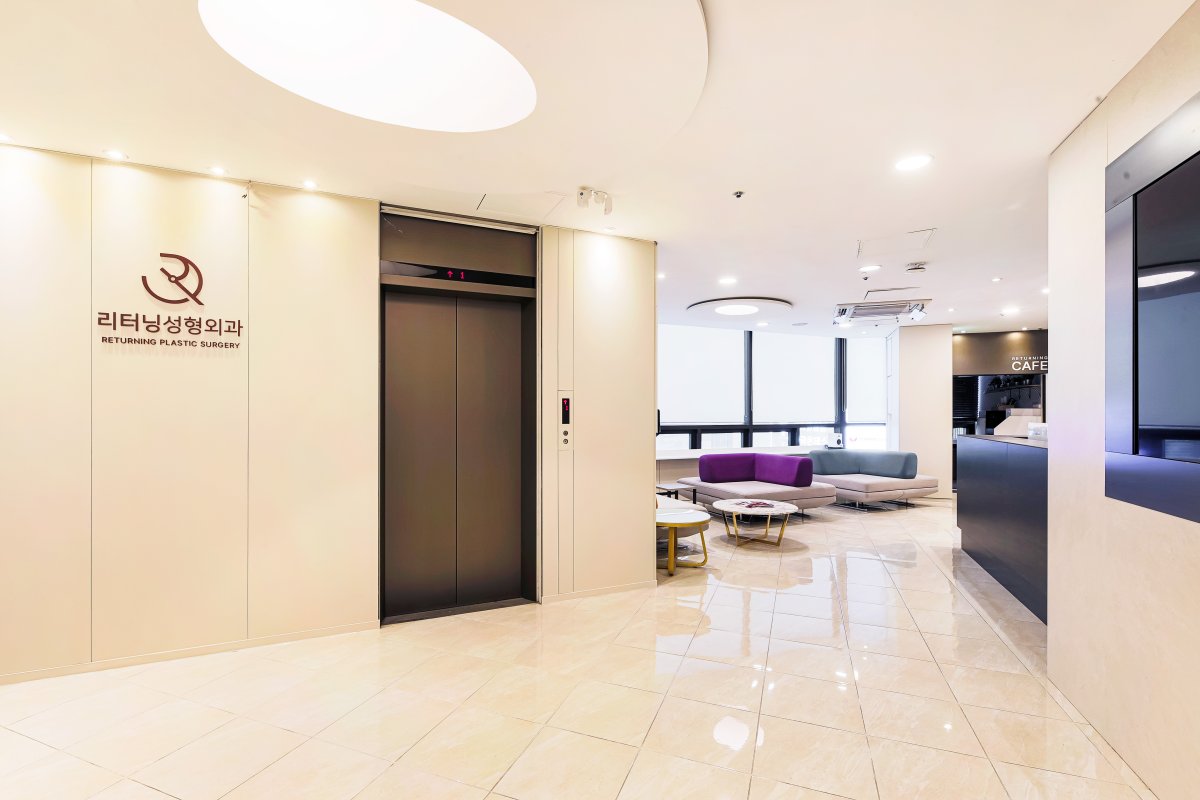
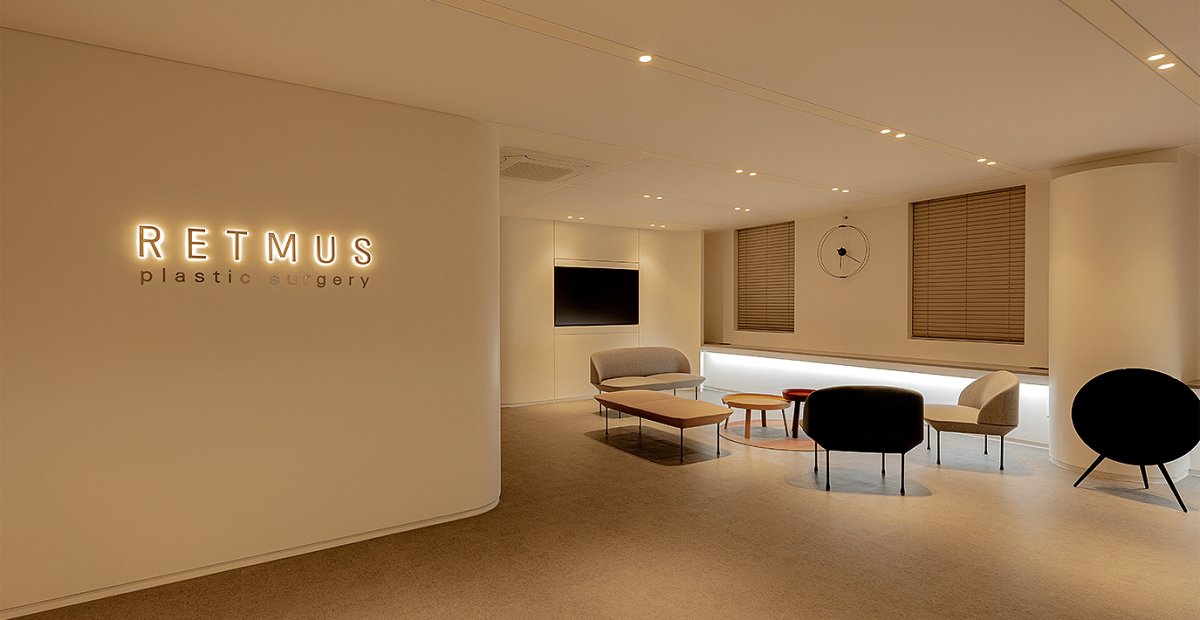
Returning Plastic Surgery
Yong Woo Kim


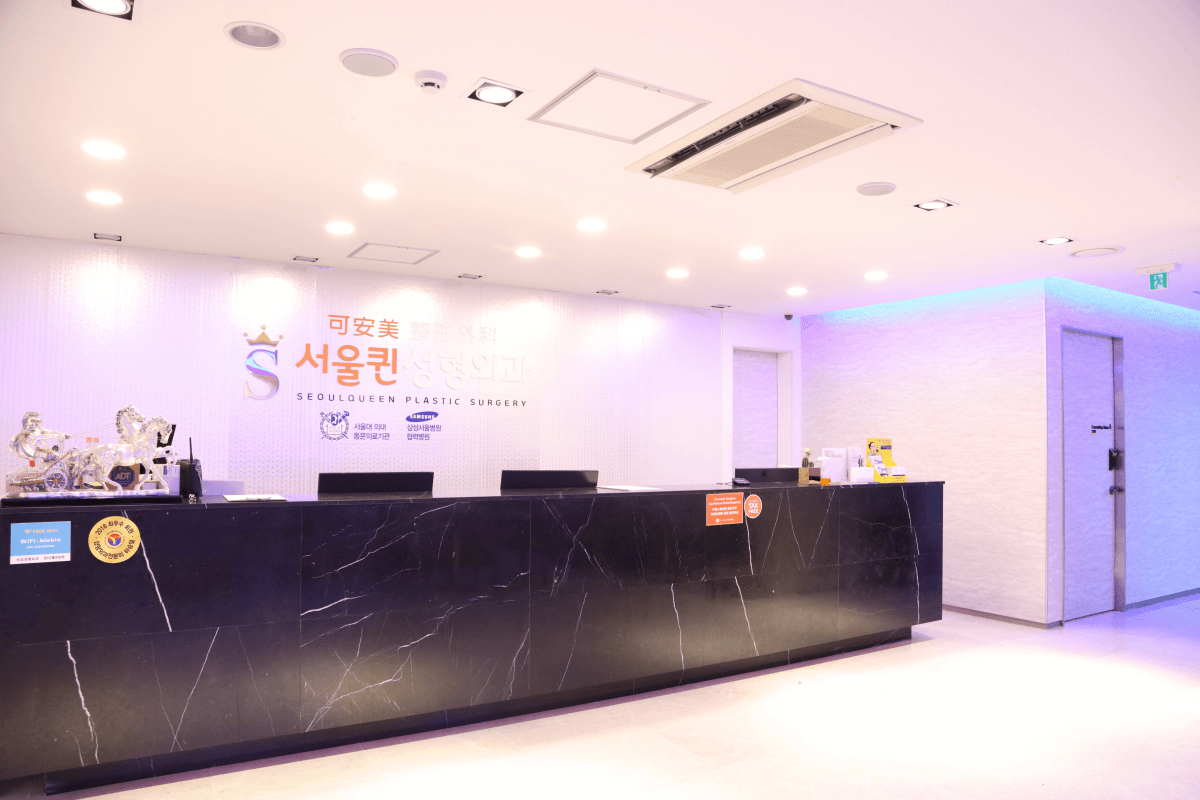
Seoul Queen Plastic Surgery
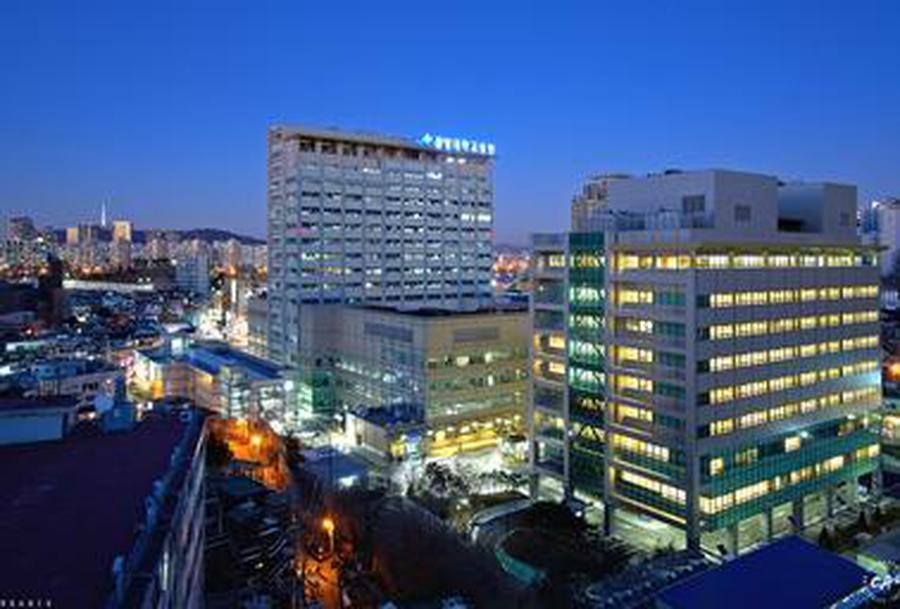
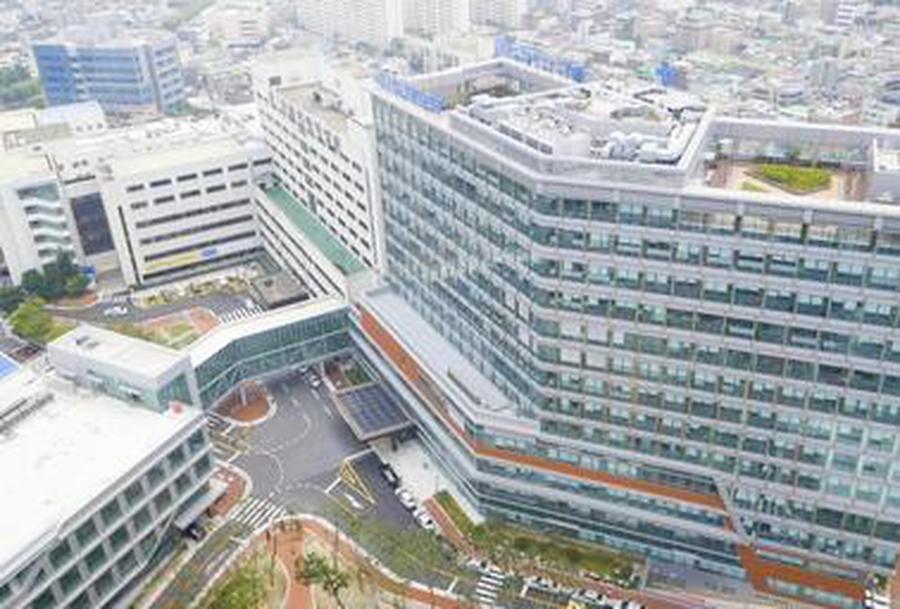
Daegu Catholic University Medical Center
Cat Eye Surgery (Canthoplasty) Overview in Republic of Korea
- Blepharoplasty (Eyelid correction) - from $1,100During an operation, eye excess skin or fat is removed to make a younger, more alert appearance.
- Upper Eyelid Surgery - from $1,300The procedure lifts droopy lids, enhancing vision and aesthetics. It involves removing excess skin, fat tissue, and muscle.
- Lower Eyelid Blepharoplasty - from $1,400This operation corrects bagginess or excess skin under the eye by removing or repositioning fat, enhancing appearance.
- Upper and Lower Eyelid Surgery - from $2,800This therapy repairs sagging skin around eyes, refreshes appearance, and can improve vision by removing excess tissue.
- Double Eyelid Operation - from $1,000This surgery enhances eye appearance by forming a crease, invigorating the look and improving vision.
- Droopy eyelid surgery - from $1,100This procedure corrects sagging eyelids, enhancing appearance and vision, by removing excess skin and fat.
- Hooded eyelid surgery - from $2,200This procedure corrects drooping eyelids to improve appearance, involving a skilled surgeon removing excess skin.
- Lazy eyelid surgery - from $2,000The procedure corrects droopy eyelids, resulting in improved vision and appearance with a safe and quick surgical method.
- Fox Eye Lift - from $1,600A Fox Eye Lift is a cosmetic surgery that subtly elevates the outer corners of the eyes, creating an almond-shaped appearance, with minimal recovery time required.
- Cat Eye Surgery (Canthoplasty) - from $1,300Reshaping of the outer corners of the eyes to achieve an almond-like appearance, enhancing eye symmetry and aesthetic appeal, with minimal recovery time.
- Male Almond Eye Surgery - from $1,500This cosmetic procedure reshapes the eyes to achieve a more elongated, almond-like appearance by adjusting eyelid positioning, enhancing facial harmony and symmetry.
- Bookimed deposit: $200 or €200.
- Clinic deposit: Pay a set percentage in advance.
Our Trusted Doctors
View all Doctors
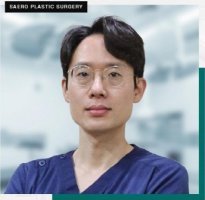
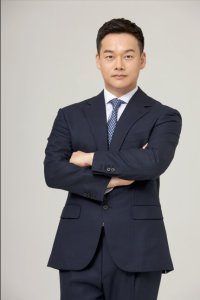
Park Young Kyu
Dr. Park Young Kyu is a plastic surgeon at SAERO Plastic Surgery in Seoul. He graduated summa cum laude from Hallym University. Dr. Park earned the Top Medical Resident award from the Korean Society of Plastic Surgeons. He currently serves as an adjunct professor at Gangnam Sacred Heart Hospital.
- Specializes in complex facial contouring, deep plane facelifts, and revision rhinoplasty.
- Member of the International Society of Aesthetic Plastic Surgery (ISAPS).
- Active member of the American Society of Plastic Surgeons (ASPS).
- Sits on the KSPRS steering committees for anti-aging and filler research.

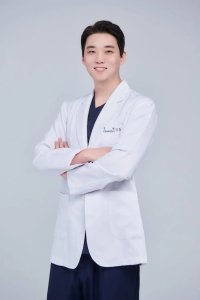
Yong Woo Kim
Board-certified plastic surgeon with specialized training in reconstructive microsurgery – Dr. Kim is dedicated to achieving natural-looking results for cat eye surgery.
- Graduated from Hanyang University College of Medicine
- Awarded 'Best Resident' by the Korean Society of Plastic and Reconstructive Surgeons
- Trained at the American Society for Reconstructive Microsurgery (ASRM)
- Member of multiple prestigious Korean plastic surgery societies
- Consulting Physician for HiDoc-Naver Medical Consultations

Yang Jong Phil
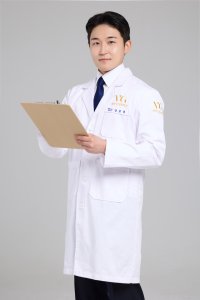
Dr. Yang Jong Phil is a board-certified plastic surgeon at VG Plastic Surgery in Seoul. He specializes in facial bone contouring, rhinoplasty, and blepharoplasty. He completed a clinical fellowship at the University of Chicago Medical Center. Dr. Yang is an active member of the American Society for Aesthetic Plastic Surgery (ASAPS).
- Holds membership in the International Confederation for Plastic, Reconstructive and Aesthetic Surgery.
- Maintains active status within the AO Foundation and the American Society of Plastic Surgeons.
- Specializes in regenerative techniques using adipose-derived stem cells and lipoplastic surgery.
- Works at KOIHA-accredited VG Plastic Surgery, which serves patients from 47 countries.

Seungsoo Kim
Video Stories from Bookimed Patients
Reviews about Bookimed: Discover Patients' Insights
All reviews


Cat Eye Surgery (Canthoplasty): Before & after photos
View allShare this content
Anna Leonova
FAQ about Cat Eye Surgery (Canthoplasty) in Republic of Korea
What safety risks and potential complications are associated with lower-eyelid cat-eye (canthoplasty) surgery?
Cat-eye surgery or canthoplasty carries risks like eyelid malposition, including ectropion or entropion, and lagophthalmos, which prevents full eye closure. Potential complications include chronic dry eye, corneal damage, visible scarring, and asymmetry. Korean techniques sometimes prioritize aggressive aesthetic tilts, increasing the need for precision.
- Eyelid malposition: Ectropion or entropion may occur, often requiring surgical revision.
- Ocular exposure: Inability to close eyes fully can cause permanent corneal damage.
- Vision issues: Patients may experience temporary blurred vision or rare orbital hemorrhage.
- Aesthetic asymmetry: Uneven healing or overcorrection can result in an unnatural appearance.
Bookimed Expert Insight: Data from top Seoul clinics shows a high demand for revision specialists like Dr. Seung-hyung Noh at Seoul Miz Hospital. This suggests that while primary procedures are common, choosing a surgeon who publishes research on lower eyelid techniques, such as Dr. Seung-il Chung at Retmus Plastic Surgery, is vital for avoiding the 30-50% revision rate seen with over-aggressive styles.
Patient Consensus: Many patients report that initial swelling can hide asymmetry for over 3 months. Expect a 6–12 month total recovery and plan for lifelong use of preservative-free eye drops to manage post-operative dryness.
What qualifications and credentials should I look for when choosing a Korean surgeon for canthoplasty?
Prioritize surgeons board-certified by the Korean Society of Plastic and Reconstructive Surgeons (KSPRS). For canthoplasty, seek specialists with oculoplastic focus and registration with the Korea Health Industry Development Institute (KHIDI). Ensure the facility uses in-house anesthesiologists and carries KOIHA or ISO certifications for safety.
- Board certification: Verify membership in the Korean Society of Plastic and Reconstructive Surgeons (KSPRS).
- Clinical accreditation: Look for KOIHA or ISO standards to ensure international safety protocols.
- Specialized experience: Choose surgeons like Dr. Yong Woo Kim who have performed 1,000+ procedures.
- Facility registration: Confirm the clinic centers are KHIDI-registered specifically for international medical tourism.
Bookimed Expert Insight: High-volume clinics in Seoul often differentiate through specialized safety technology. For example, clinics like Seoul Queen Plastic Surgery use 3D CT screenings to map facial structures before surgery. This data-driven approach reduces the risk of asymmetry in delicate eyelid procedures compared to traditional visual assessments.
Patient Consensus: Many patients emphasize verifying a surgeon’s volume specifically for canthoplasty to avoid post-operative dry-eye or ptosis. They recommend cross-checking independent reviews on local platforms like Naver to avoid overly polished social media marketing.
What is the step-by-step surgical technique for Korean lateral canthoplasty and how long is the typical recovery?
Korean lateral canthoplasty involves a precise 5–10 mm incision at the outer eye corner to release and reposition the lateral canthal tendon. Surgeons fix the tendon 2–4 mm laterally and 2 mm upward to the orbital bone periosteum, achieving an elongated, open appearance. Major recovery typically spans 1 to 2 weeks.
- Surgical technique: Designers map incisions that often extend the horizontal eye length by 3–5 mm.
- Tendon fixation: The lateral canthus is securely anchored to preventing the corner from shifting back.
- Suture removal: Medical teams typically remove stitches 5–7 days post-op for immediate return to work.
- Final results: Tissues fully soften and internal scars mature between 3 and 6 months post-surgery.
Bookimed Expert Insight: While many clinics perform standard incisions, specialized centers in Seoul like Returning Plastic Surgery prioritize techniques like Yoon’s method. This approach avoids full tendon detachment, which significantly reduces the risk of long-term eye dryness. Choosing surgeons with 1,000+ documented cases is vital, as this experience level helps keep the 5–10% revision rate within manageable limits.
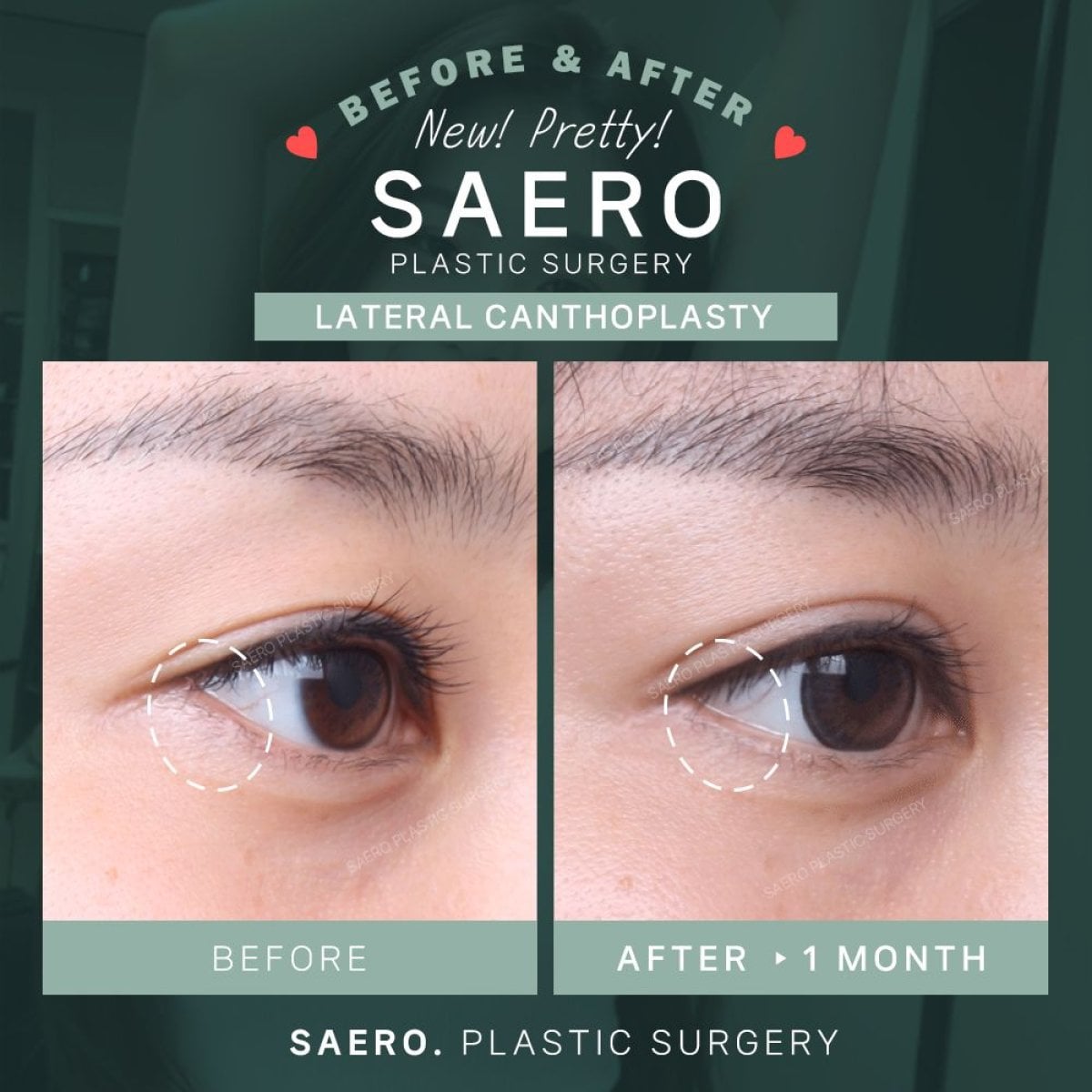
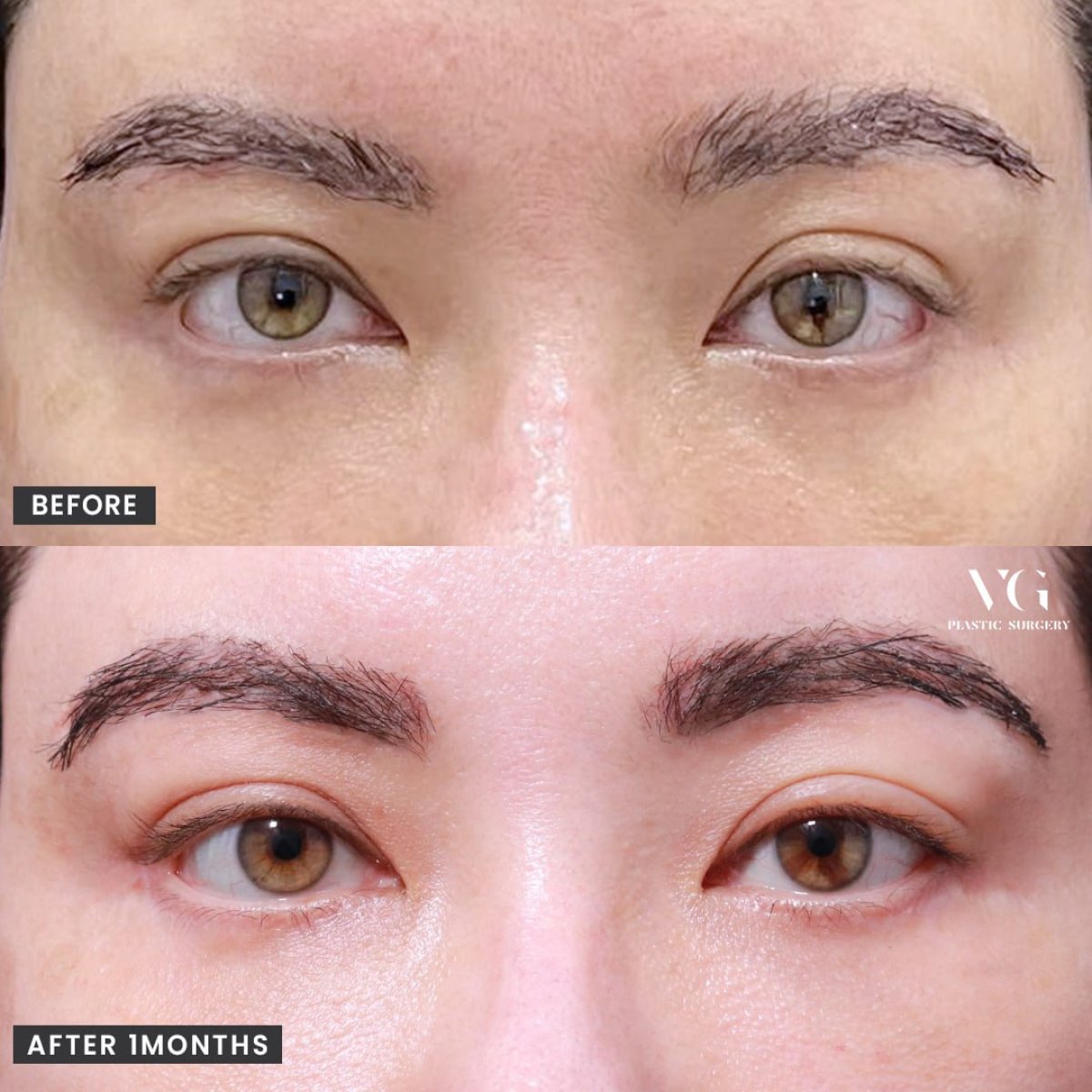
Patient Consensus: Patients emphasize the importance of the pre-op tape test for visualizing results. Most report that while swelling peaks early, sleeping with an elevated head is the most critical factor for avoiding 2-week hooding.
Who is a good candidate for cat-eye surgery and who should avoid it?
Ideal candidates for cat-eye surgery (canthoplasty) include individuals with downturned or flat outer corners seeking an almond-shaped, fox-like appearance. Best results often occur in patients under 30 with stable eye shapes, high skin elasticity, and realistic expectations regarding subtle 1–2 mm lifts.
- Anatomical fit: Best for naturally negative canthal tilts or round, hooded eye shapes.
- Health status: Requires good general health, no active infections, and controlled blood pressure.
- Visual goals: Suited for those seeking refinement rather than extreme, trend-based facial transformations.
- Surgical history: Most successful for patients without prior major eyelid surgeries or scarring.
Bookimed Expert Insight: While many seek this for aesthetics, South Korean specialists like Dr. Yong Woo Kim at Returning Plastic Surgery emphasize that candidates with monolids or mild ptosis often see the most dramatic, natural-looking functional improvements. Data across 77 Korean clinics shows that combining canthoplasty with blepharoplasty is a common strategy to ensure the lift doesn't cause lower eyelid hollowing in patients with thinner skin.
Patient Consensus: Patients suggest testing the look with makeup first to ensure it suits your face. They often warn that those over 40 should be cautious due to higher risks of dry eyes or an over-pulled appearance.
What is included in canthoplasty packages offered by Korean clinics and how long should I plan to stay?
Patients should plan a stay of 7 to 10 days for canthoplasty in South Korea. While the procedure is outpatient, clinics require this period for monitoring and mandatory suture removal. Most surgeons advise against flying until stitches are removed to avoid complications from cabin pressure.
- Core inclusions: Packages cover surgeon fees, twilight sedation, and use of advanced surgical facilities.
- Medical screenings: Pre-operative consultations often include 3D CT screenings to assess facial bone structure and symmetry.
- Post-operative care: Standard aftercare bundles deswelling injections, red light therapy, and specialized ointments for healing.
- Logstical support: Most centers provide multilingual coordinators, airport transfers, and assistance with nearby hotel bookings.
Bookimed Expert Insight: While many Seoul clinics like URBAN Plastic Surgery serve thousands of international patients annually, the best results often come from specialists who focus on minimal intervention. Dr. Seung-hyung Noh at Seoul Miz Hospital is noted for avoiding overtreatment, which can significantly reduce the heavy swelling typically seen during the first 3 days post-op.
Patient Consensus: Patients report that the first 3 days involve heavy bruising, making it essential to stay indoors. By day 5, most feel comfortable enough for light sightseeing before their scheduled suture removal.
How visible are the scars after canthoplasty and what scar-prevention steps are recommended?
Canthoplasty scars in the Republic of Korea are typically discreet, becoming virtually invisible within 6 to 12 months. Surgeons at centers like Returning Plastic Surgery strategically place incisions within the natural eyelid creases or lash line. Proper aftercare ensures these marks fade into fine, pale lines that blend seamlessly.
- Healing timeline: Scars transition from pink lines to soft, faded hues between 3 and 6 months.
- Sun protection: Wearing UV-protective sunglasses and SPF 30+ prevents permanent hyperpigmentation and dark scarring.
- Silicone therapy: Applying medical-grade gels starting 10–14 days post-op helps regulate collagen and flattens tissue.
- Lifestyle habits: Avoiding nicotine and maintaining high protein intake accelerates tissue regeneration and prevents thickening.
Bookimed Expert Insight: Leading Seoul clinics like URBAN Plastic Surgery often include specialized post-op kits featuring stem cell creams and LED light therapy. Data indicates these advanced recovery protocols can improve scar fading by up to 80% compared to standard care. This meticulous approach is why Korea remains a top destination for oculoplastic procedures despite a competitive global market.
Patient Consensus: Patients report that while initial tightness and redness last a few months, the final result looks like a natural skin crease. Many emphasize that following the clinic's specific aftercare kit exactly is the secret to achieving nearly invisible scars by the one-year mark.
Are there long-term side-effects like ectropion or altered blinking after canthoplasty?
Long-term side effects like ectropion or altered blinking are possible after canthoplasty but remain rare when performed by board-certified specialists. Most functional issues, including incomplete eye closure or sensation changes, typically resolve within 3 to 6 months as the canthal tendon heals and swelling subsides.
- Ectropion causes: Occurs if the canthal tendon is anchored too far toward the orbital rim.
- Blinking changes: Damage to the orbicularis oculi muscle can lead to incomplete or unnatural blinking.
- Tissue deficiency: Excessive skin removal or scar contracture may pull the lower eyelid downward.
- Dry eye: Compromised eyelid position often leads to poor tear distribution and persistent irritation.
Bookimed Expert Insight: While US prices average $6,300, South Korean clinics offer canthoplasty from $1,300 with higher surgeon specialization. Specialists like Dr. Yong Woo Kim at Returning Plastic Surgery have performed over 1,000 procedures, drastically reducing the risk of permanent muscle damage through precise, high-volume experience.
Patient Consensus: Many patients report temporary lower lid sagging or a clicking sensation when blinking during the first 4 weeks. Chronic mild dryness is the most common long-term reality, making the consistent use of artificial tears essential for months post-surgery.