Computer-guided All-on-6 Dental Implants in Spain — Get 3 Top Clinic Matches with Costs


Medically reviewed by
Fahad Mawlood
How Much Does Computer-guided All-on-6 dental implants Cost in Spain?
The cost of computer-guided All-on-6 dental implants in Spain typically ranges from $8,200 to $11,500. Pricing depends on the clinic, the surgeon’s expertise, the implant brand (such as Nobel Biocare, Straumann, or Zimmer Biomet), and whether a temporary or immediate-load prosthesis is used. In the United States, the average cost is $24,000 (per AAID). As a result, All-on-6 dental implants in Spain are about 59% less than in the U.S.
Spanish clinics usually include digital diagnostics (CBCT scans), extractions, computer-guided surgery, six implants per jaw, abutments, a fixed temporary prosthesis, and follow-up visits. In the U.S., prices often only cover the implants and surgery, with extra fees for scans, sedation, and final prosthesis. Always confirm what’s included with your clinic before booking.
| Spain | Turkey | The USA | |
|---|---|---|---|
| Computer-guided All-on-6 dental implants | ≈ $8,200 | from $2,600 | ≈ $18,500 |
Your Benefits and Guarantees with Bookimed
Transparent Prices & Flexible Installments
No hidden fees – just official clinic prices. Pay at the clinic for Computer-guided All-on-6 dental implants upon arrival and use a flexible installment plan if needed.
Verified Clinics & Doctors Only
Bookimed is committed to your safety. We only work with medical institutions that maintain high international standards in Computer-guided All-on-6 dental implants and have the necessary licenses to serve international patients worldwide.
Free 24/7 Assistance
Bookimed offers free expert assistance. A personal medical coordinator supports you before, during, and after your treatment, solving any issues. You're never alone on your Computer-guided All-on-6 dental implants journey.

Your personal Bookimed medical coordinator
- Supports you at every stage
- Helps choose the right clinic and doctor
- Ensures quick and convenient access to information
Discover the Best Computer-guided All-on-6 dental implants Clinics in Spain: 3 Verified Options and Prices



Computer-guided All-on-6 dental implants Overview in Spain
Day 1
- Arrive and transfer to your 4* hotel accommodation.
- Rest after the long journey.
Day 2
- Meet with dental specialists for consultation.
- Perform necessary medical tests.
- Get a CT scan for precise implant placement.
Day 3
- Undergo Computer-guided All-on-6 dental implants surgery.
- The procedure lasts up to 2-3 hours per arch.
- Local anesthesia is used during the procedure.
Day 4
- Post-operation check up at the clinic.
- Learn about oral hygiene post-surgery.
Day 5 to Week 2
- Stay in the country for post-operative care.
- Regular check-ups at the clinic.
Week 3 to Week 6
- Gradual return to normal diet.
- Gradual return to light physical activities.
Week 7
- Return to work and other regular activities.
- Continue with follow-up check-ups in your home country.
Week 12
- See the final result of your All-on-6 dental implants.
Please note that the timeline may vary depending on individual cases and healing process.
- Bookimed deposit: $200 or €200.
- Clinic deposit: Pay a set percentage in advance.
Our Doctors
View all Doctors
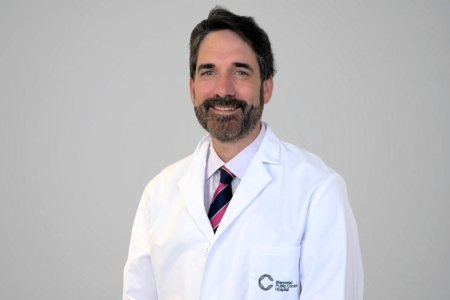
Pablo Garrido Martínez
Dr. Pablo Garrido Martínez is a dentist and periodontist at Publio Cordón Memorial Hospital in Madrid. He performs dental implants and complex smile reconstructions. Dr. Garrido Martínez uses computer-guided All-on-4 and All-on-6 implant methods. He also installs monolithic zirconia dentures and composite veneers.
The doctor works at a JCI-accredited facility, a certification for surgical safety and care quality. Dr. Garrido Martínez treats periodontitis and performs full-arch dental reconstructions. He also provides preventive services such as professional teeth cleaning.
Maurizio Sanchez
Video Stories from Bookimed Patients
Reviews about Bookimed: Discover Patients' Insights
All reviewsShare this content
 Anna Leonova

FAQ about Computer-guided All-on-6 dental implants in Spain
What are Computer-Guided All-on-6 Implants?
Computer-guided All-on-6 implants use 3D digital technology to place six titanium posts in the jaw. This system ensures extreme precision by using CBCT scans and customized surgical templates. It offers a minimally invasive alternative to traditional methods specifically designed for patients requiring superior dental stability.
- Digital planning: CBCT scans create a detailed 3D model of bone and nerves.
- Surgical guides: Custom templates manage drill depth and angles to eliminate human error.
- Safety margin: Technology maintains a 2 mm buffer from critical nerves and sinus paths.
- Enhanced stability: Six implants distribute pressure more evenly than the standard All-on-4 approach.
Bookimed Expert Insight: Software-guided surgery in Spain costs $8,200 to $11,500, which is roughly 59% less than US averages. While the technology is advanced, its primary advantage is enabling flapless surgery. This reduces recovery time significantly as gums often require no large incisions or traditional stitches.
Patient Consensus: Patients value how 3D guides prevent surgeon guessing. High-quality materials from brands like Nobel Biocare are frequently recommended to ensure long-term durability and bone health.
Are There Any Risks?
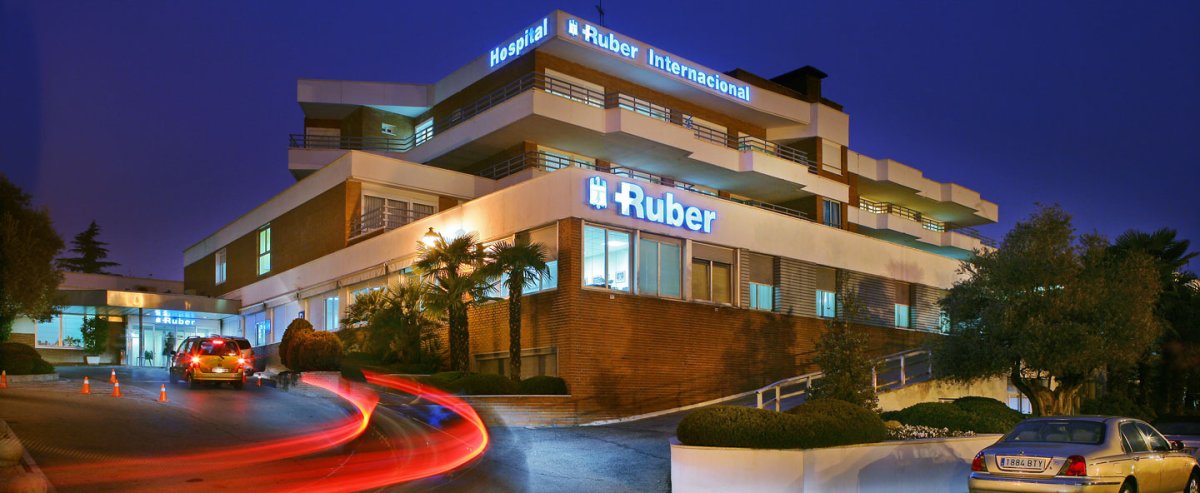
Computer-guided All-on-6 dental implants in Spain carry minimal risks including infection, nerve proximity issues, and implant failure. Modern digital planning in facilities like Hospital Ruber Internacional significantly reduces these complications by mapping precise insertion angles. Success rates for computer-assisted oral rehabilitation remain exceptionally high across Spanish clinics.
- Digital accuracy: Computer mapping helps avoid nerve damage and sinus cavity punctures during surgery.
- Clinical safety: Top Madrid clinics maintain JCI and ISO certifications for rigorous sterilization protocols.
- Surgical risks: Standard risks include post-operative swelling, minor bruising, or temporary local numbness.
- Long-term stability: Proper bite alignment prevents excessive mechanical wear on the new prosthetic bridge.
Bookimed Expert Insight: While safety is high, the real risk often lies in post-operative continuity. Spanish dental specialists like Pedro Mahiques provide elite care, but patients should confirm a local dentist at home can handle adjustments. Clinics ranked in Spain's top 6 by Forbes often utilize 3-Tesla MRI for planning, which significantly lowers the chance of unforeseen anatomical complications.
Patient Consensus: Many emphasize the importance of verifying if six implants are medically necessary. They strongly advise securing a local backup dentist for emergencies before traveling abroad.
Who is a Candidate for All-on-6?
Ideal candidates for All-on-6 dental implants are adults missing most or all teeth in a single jaw. You must have adequate bone density to support six titanium posts. This procedure suits patients seeking a permanent, non-removable alternative to traditional dentures for improved stability.
- Dental condition: Suitable for patients with severe decay, periodontal disease, or total tooth loss.
- Bone volume: Requires sufficient jawbone density, though computer-guided tech optimizes placement in moderate loss.
- Surgical readiness: Candidates must be healthy enough for oral surgery and exhibit no active infections.
- Preliminary needs: Patients with significant bone atrophy may require grafting or specialized zygomatic implant alternatives.
Bookimed Expert Insight: Spain’s top-tier facilities like Hospital Ruber Internacional utilize 3-Tesla MRI and computer-guided surgery to identify viable bone. This precision often allows patients previously rejected for traditional implants to qualify for the All-on-6 protocol without extensive bone grafting.
Patient Consensus: Success depends on entering the process with healthy gums and a mandatory CT scan to safeguard against nerve damage. Many patients found that consulting a specialized oral surgeon provided more reliable results than a general dental practitioner.
What is the Recovery Time?
Recovery after computer-guided All-on-6 dental implants in Spain involves an initial soft tissue healing phase of 1 to 2 weeks. While daily function returns quickly, full bone-to-implant fusion, known as osseointegration, typically requires 3 to 6 months before attaching permanent porcelain crowns.
- Travel duration: Plan for 5 to 7 days in Spain for surgery and safety checks.
- Initial healing: Swelling and discomfort subside, and normal energy returns within 10 to 14 days.
- Dietary restrictions: A strict soft-food diet is mandatory for several weeks after the primary surgery.
- Final restoration: A second trip is required 3 to 4 months later for permanent crown placement.
Bookimed Expert Insight: While computer-guided surgery at facilities like Hospital Ruber Internacional in Madrid reduces surgical inflammation, bone biology cannot be rushed. High-tech placement makes the recovery more comfortable, but the standard 3 to 6-month osseointegration window remains essential for long-term implant stability.
Patient Consensus: Patients often feel low energy during the first week following surgery. Most report returning to full daily work routines by day 10, though avoiding hard foods remains the biggest practical challenge during recovery.
Why Choose Spain for All-on-6 Dental Implants?
Spain offers high-quality All-on-6 dental implants at prices ranging from $8,200 to $11,500. Patients choose Spanish clinics for advanced computer-guided surgery and JCI-accredited facilities. This destination provides approximately 59% savings compared to the $24,000 average cost in the United States.
- Cost efficiency: Save up to 59% compared to standard US dental fees.
- Advanced technology: Clinics use 3D CT scans and computer-guided placement for precise rehabilitation.
- Clinical credentials: Facilities like Hospital Ruber Internacional hold JCI and ISO international certifications.
- Specialized expertise: Expert implantologists like Dr. Pedro Mahiques focus on complex oral rehabilitation.
Bookimed Expert Insight: While many countries offer dental work, Spain stands out because top hospitals like Hospital Ruber Internacional integrate dental care within multidisciplinary medical centers. These facilities serve 25,000 patients annually and possess advanced imaging tech like 3-Tesla MRI. This setup ensures higher safety for patients with underlying health conditions compared to standalone clinics.
Patient Consensus: Patients emphasize that Spanish dental care matches North American quality levels. They recommend requesting itemized quotes for bone grafts and zirconia materials to ensure long-term results.