CyberKnife for lung cancer in Spain — get 3 personalized clinic matches
Cyberknife for lung cancer in Spain costs $9,000 to $9,800, compared with about $43,500 in the US (Bookimed data, November 2026). It is offered by GenesisCare Clinics in Madrid.


Medically reviewed by
Yesim Yildirim
How it works
How Much Does CyberKnife for lung cancer Cost in Spain?
CyberKnife for lung cancer in Spain typically costs from $9,000 to $9,800. The total price depends on the number of treatment sessions, the specific hospital tier, and the city location. In the US, this procedure costs $43,500 on average. Most Spanish medical centers bundle the robotic radiation sessions with initial planning and diagnostic mapping.
- Session volume. Final fees vary based on whether the patient requires one or five fractions.
- Technology tier. Specialized clinics using the CyberKnife M6 system may apply a technology premium.
- Metropolitan hub. Facilities in Madrid and Barcelona often cost 15–20% more than regional centers.
- Diagnostic screening. Biopsies and molecular testing prior to treatment planning are usually billed as separate costs.
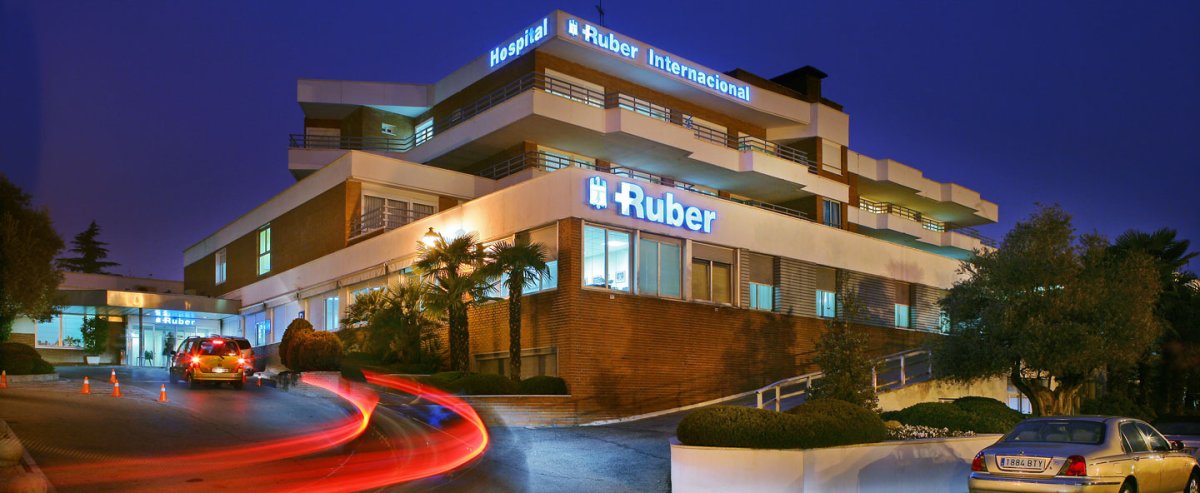
Bookimed Expert Insight. Madrid serves as a primary hub for high-tech radiotherapy with facilities like GenesisCare and Hospital Ruber Internacional. GenesisCare treats 15,000 patients annually across a global network, offering packages starting around $9,000. For complex cases, choosing JCI-accredited centers like Hospital Ruber Internacional provides access to multidisciplinary teams that performed over 6,000 surgeries in 2022.
| Turkey | Austria | Spain | |
|---|---|---|---|
| CyberKnife for lung cancer | from $6,000 | ≈ $6,500 | from $9,000 |
Discover the Best CyberKnife for lung cancer Clinics in Spain: 3 Verified Options and Prices





CyberKnife for lung cancer Overview in Spain
- CyberKnife - from $9,000This therapy is a non-invasive option using precise radiation for treating cancerous and non-cancerous tumors.
- CyberKnife for brain tumor - from $8,000This therapy targets brain tumors with high-dose radiation, sparing healthy tissue, offering less pain and recovery time.
- CyberKnife for prostate cancer - from $19,700The procedure uses precise radiation to destroy prostate cancer, improving survival rates with minimal side effects.
- CyberKnife for lung cancer - from $9,000This therapy uses targeted radiation to destroy lung cancer cells without surgery with minimal side-effects.
Day 1 - Arrival
- Arrive at the hospital and complete registration.
- Meet with your lung cancer specialist for consultation.
- Undergo medical tests including blood tests and imaging.
Day 2 - Pre-Operation
- Attend a pre-operation meeting with your radiation oncologist.
- Meet with a medical physicist for treatment planning.
- Have a custom-body mold made for treatment positioning.
Day 3 - CyberKnife Treatment
- Arrive for your scheduled CyberKnife treatment.
- No anesthesia is required for this procedure.
- The treatment duration varies, but is typically 1-2 hours.
Day 4 - Post-Operation
- There is no hospital stay required post-treatment.
- Expect mild fatigue and slight skin irritation in the treatment area.
- Follow-up appointment with your oncologist is scheduled.
Week 1 - Rehabilitation
- Rest and recover at home, resuming normal activities as tolerated.
- Begin a course of prescribed medications if necessary.
Week 2 - Rehabilitation
- Continue recovering at home, gradually increasing activity.
- Attend a follow-up appointment with your oncologist.
Week 3 - Rehabilitation
- Most patients can return to work and other activities.
- Follow-up imaging is scheduled to assess treatment success.
Note that each patient"s journey is unique, and the timeline may vary based on individual needs and response to treatment.
- Bookimed deposit: $200 or €200.
- Clinic deposit: Pay a set percentage in advance.
Our Doctors
View all Doctors
Carlos Vergés Roger
Dr. Carlos Vergés is a distinguished ophthalmologist with over 76 years of experience, recognized for his pioneering research and leadership in eye care.
- Graduated from the University of Barcelona and earned a PhD from Harvard University
- Director of the Ophthalmology Service at Dexéus University Hospital
- Specializes in cataract surgery and neurophysiological vision mechanisms
- Recipient of multiple prestigious awards for medical research and innovation
- Active member of international ophthalmology societies, including ISRS and AAO

Elisabeth Arrojo Álvarez
Dr. Elisabeth Arrojo Alvarez is a radiation oncologist at Publio Cordon Memorial Hospital in Madrid. She specializes in targeted radiation therapy for lung, breast, and pancreatic cancers. Dr. Arrojo Alvarez treats patients at a JCI-accredited facility that meets international standards for surgical safety.
She uses radiotherapy and radiosurgery to treat tumors, including cases of esophageal and colon cancer. Dr. Arrojo Alvarez also performs CyberKnife procedures for lung cancer to deliver radiation while sparing healthy tissue. She works within a network of 100 doctors in Spain.

Luis Madero
Dr. Luis Madero is the Head of Pediatric Hemato-Oncology at Quironsalud Madrid University Hospital. He specializes in treating complex blood disorders and performing bone marrow transplants. Dr. Madero serves as a Professor of Pediatrics at the Autonomous University of Madrid. He works at Quironsalud Madrid, which Newsweek ranked among the World's Best Hospitals.
- Edited 14 books and contributed to 75 book chapters on pediatric oncology.
- Treats leukemia, lymphoma, multiple myeloma, and sickle cell disease.
- Member of the Spanish Association of Pediatric Hematology and Oncology.
- Former Head of Oncology at the Sanitas Group and Nino Jesus Hospital.
Video Stories from Bookimed Patients
Reviews about Bookimed: Discover Patients' Insights
All reviews


Share this content
 Anna Leonova

Fast Facts about CyberKnife for lung cancer

CyberKnife for lung cancer
CyberKnife for lung cancer is a non-invasive treatment using precision radiation therapy to target tumors.
FAQ about CyberKnife for lung cancer in Spain
Why choose CyberKnife over traditional surgery for lung cancer?
CyberKnife offers a non-invasive alternative to traditional lung cancer surgery by using robotic radiosurgery to deliver high-dose radiation. It requires no incisions or anesthesia, making it ideal for patients in Spain with inoperable tumors or those seeking to avoid surgical risks.
- Non-invasive approach: Treatment involves no cutting, blood loss, or hospital stays during 1–5 sessions.
- Superior precision: Real-time motion tracking targets tumors during breathing, protecting healthy lung tissue.
- Preserved lung function: Clinical data shows pulmonary function remains stable unlike surgical tissue removal.
- Rapid recovery: Most patients return to normal activities within 2 to 7 days.
Bookimed Expert Insight: Spanish oncology centers like Hospital Ruber Internacional integrate CyberKnife into multidisciplinary boards alongside 3-Tesla MRI diagnostics. For patients with complex tumor locations, these JCI-accredited facilities often provide clinical trial access. This combination of advanced imaging and robotic precision ensures safety for cases previously deemed untreatable.
Patient Consensus: Patients prioritize consulting directly with Spanish centers to compare surgical outcomes against radiation. Recent insights suggest focusing on evidence-based guidelines from local health authorities to determine eligibility for Medically inoperable status.
Is the procedure painful, and how long does a session take?
CyberKnife for lung cancer is a non-invasive, painless procedure that typically requires no anesthesia. A single radiation delivery session lasts 10 to 15 minutes. High-precision beams target tumors without incisions, allowing patients in Spanish centers like Hospital Ruber Internacional to remain fully conscious and comfortable.
- Pain level: Delivery is painless because radiation has no physical sensation during treatment.
- Session duration: Radiation takes 10–15 minutes plus time for precise patient alignment.
- Total sessions: Most treatment plans require 1 to 5 sessions total.
- Anesthesia usage: Typically none is needed unless a sedative helps the patient relax.
Bookimed Expert Insight: While session delivery is fast, the total time spent at clinics like GenesisCare or Quironsalud Madrid averages 1 to 2 hours. This difference reflects the mandatory, rigorous alignment process. Spanish oncology centers prioritize this setup to ensure sub-millimeter accuracy for lung tumors that move with breathing.
Patient Consensus: Patients report that the treatment itself feels like having an X-ray taken. Many find that while the procedure is painless, post-treatment fatigue is the most noticeable physical effect.
What are the potential side effects?
CyberKnife for lung cancer in Spain typically causes fatigue and mild skin irritation. This non-surgical radiation therapy uses precise image-guided technology at facilities like Hospital Ruber Internacional to target tumors, significantly reducing damage to healthy lung tissue compared to traditional radiation or invasive surgery.
- Common symptoms: Fatigue is frequently reported by patients during the treatment course.
- Delayed reactions: Some patients experience headaches weeks or months after completing the procedure.
- Cognitive safety: Precisely targeted radiation helps reduce risks of cognitive decline or memory issues.
- Treatment experience: The application is painless and often performed on an outpatient basis.
- Localized impact: Specific symptoms like cough or chest discomfort depend on the tumor location.
Bookimed Expert Insight: Spain’s oncology centers like GenesisCare and Quironsalud Madrid focus on high-volume robotic radiotherapy. Data shows clinics treating 15,000 to 25,000 patients annually maintain lower complication rates. Choosing JCI-accredited facilities in Madrid ensures access to CyberKnife technology that minimizes IQ loss risks compared to whole-organ radiation.
Patient Consensus: Patients emphasize that fatigue is the primary physical challenge during sessions. Most report the procedure itself is comfortable, but warn that individual responses vary and require close monitoring by the care team.
Where can I receive CyberKnife treatment in Spain?
Spain offers CyberKnife treatment at premier oncology centers in Madrid and Barcelona. Top-tier hospitals like Hospital Ruber Internacional and GenesisCare utilize this non-surgical radiotherapy for lung cancer. These facilities hold JCI accreditation and ISO certifications, ensuring precision stereotactic radiosurgery for both domestic and international patients.
- Hospital Ruber Internacional: Features JCI accreditation and Forbes rankings for top-tier Madrid healthcare.
- GenesisCare Madrid: Specialized radiotherapy network treating 15,000 oncology patients per year.
- Treatment costs: Prices range from $9,000 to $9,500 for specialized sessions.
- Quironsalud Madrid: Recognized by Newsweek as a leading global hospital for oncology.
Bookimed Expert Insight: Madrid has become Spain's primary hub for advanced robotic radiosurgery. Hospital Ruber Internacional maintains 800 doctors and high-tech tools like Gamma Knife ICON alongside CyberKnife. This concentration of technology allows surgeons to select the exact robotic platform best suited for specific lung tumor locations.
Patient Consensus: Patients recommend verifying CyberKnife suitability for your specific lung cancer diagnosis directly with specialists. It is essential to check official hospital registries to confirm current equipment availability before traveling.