CyberKnife in Spain — get 3 personalized clinic matches


Medically reviewed by
Fahad Mawlood
How it works
How Much Does CyberKnife Cost in Spain?
CyberKnife in Spain typically costs from $6,500 to $6,500. The final price depends on the tumor type, the number of sessions, and the specific technology version like the M6 system. In the US, similar procedures cost around $33,000 on average. Spain offers savings of around 76%. Most packages include pre-treatment imaging, radiation planning, and follow-up consultations.
- CyberKnife for prostate cancer: $9,000 to $13,000 for non-invasive treatment.
- CyberKnife for brain tumor: $11,000 to $11,500.
- CyberKnife for lung cancer: $9,000 to $9,800.
- NanoKnife: Price on request to Price on request for focal ablation of soft tissue.
- Technology premium: Newer M6 models typically add 10-15% to the standard treatment cost.
- Regional variation: Costs in Madrid and Barcelona are often 15-20% higher than smaller hubs.
Bookimed Expert Insight: Spain balances world-class expertise with competitive pricing. Expert neurosurgeons like Dr. Roberto Martínez Álvarez at Hospital Ruber Internacional offer decades of radiosurgery experience. For those seeking top-tier credentials, Centro Médico Teknon is accredited by Joint Commission International (JCI). It even serves as the official medical provider for the America's Cup. Most Spanish centers provide high-precision care for roughly half the US price.
| Turkey | Austria | Spain | |
|---|---|---|---|
| CyberKnife | from $4,900 | ≈ $7,500 | ≈ $6,500 |
| CyberKnife for prostate cancer | from $6,000 | ≈ $8,500 | ≈ $9,000 |
| CyberKnife for lung cancer | from $6,300 | ≈ $6,500 | from $9,000 |
| CyberKnife for brain tumor | from $5,000 | ≈ $9,500 | from $11,000 |
Discover the Best CyberKnife Clinics in Spain: 5 Verified Options and Prices






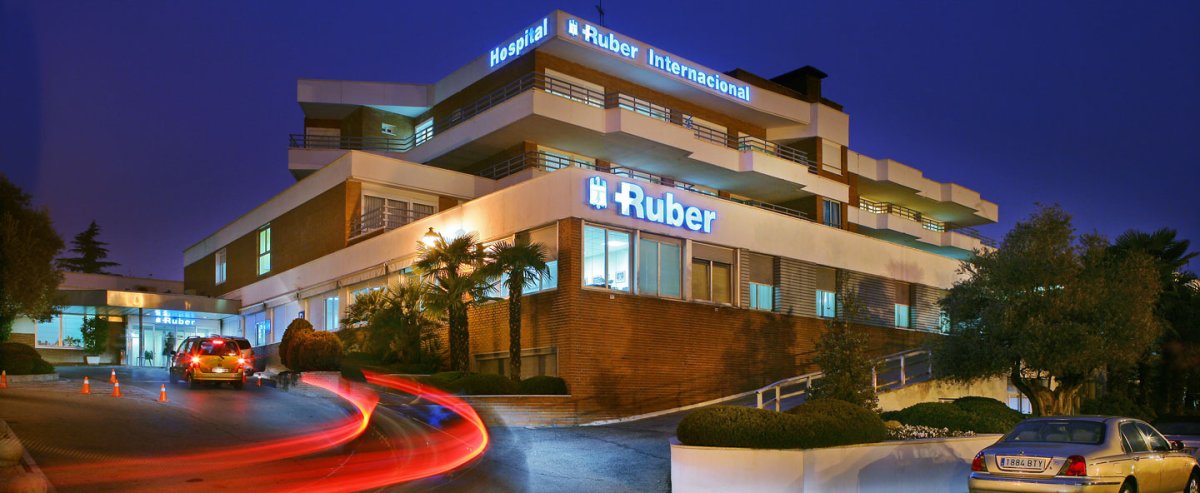
Hospital Ruber Internacional
Roberto Martínez Álvarez




HOSPITAL UNIVERSITARIO HM MADRID
Jorge Diamantopoulos Fernández





GenesisCare Clinics
CyberKnife in Spain: Your Travel Plan
Day 1: Arrival in Spain
- Upon arrival in Spain, you should have all necessary documents, including your international passport, medical records (such as PET-CT, MRI), and any correspondence with the clinic.
- Contact the clinic to confirm your arrival and schedule your initial consultation. You can often do this via email or phone through the clinic's international department.
- Rest and acclimate to the local time zone to ensure you are well-rested for your upcoming appointments.
- Familiarize yourself with local transportation options to reach the clinic for your appointments.
- Maintain a list of any questions or concerns you may have regarding your treatment to discuss during your consultation.
Day 2: Initial Consultation and Diagnostics
- Attend your scheduled consultation with an oncologist specializing in radiotherapy. This session is crucial for understanding your treatment plan and discussing any concerns.
- Undergo necessary diagnostic tests, such as a review of PET-CT and MRI scans, to assess the dynamics of your condition.
- Discuss the sensitivity of your tumor to radiosurgery and explore possible treatment alternatives.
- Ensure you understand the personalized treatment plan tailored to your diagnosis, which may include CyberKnife radiosurgery.
- Clarify any doubts about the procedure, recovery, and follow-up care during this session.
Day 3-4: Preparation for CyberKnife Treatment
- Participate in the preparatory phase, which may include creating an individual mask and CT planning to ensure precise targeting during treatment.
- Discuss the logistics of your treatment sessions, including the number of sessions required and the expected duration.
- Ensure you have a clear understanding of the benefits of CyberKnife, such as targeted radiation delivery and minimal damage to healthy tissues.
- Prepare for an outpatient treatment process, as CyberKnife is a non-surgical method that typically does not require hospitalization.
- Confirm the schedule for your treatment sessions, which generally occur over 1-2 weeks with 5-7 sessions.
Day 5-11: CyberKnife Treatment Sessions
- Attend your scheduled CyberKnife treatment sessions at the clinic. Each session delivers high doses of radiation precisely to the tumor.
- Follow any specific instructions provided by the medical team regarding pre- and post-treatment care.
- Monitor your body's response to the treatment and report any discomfort or side effects to your healthcare provider immediately.
- Maintain a healthy diet and stay hydrated to support your body's recovery process.
- Rest adequately between sessions to allow your body to heal and respond to the treatment effectively.
Day 12: Post-Treatment Evaluation and Departure
- Undergo a post-treatment evaluation to assess the immediate effects of the CyberKnife treatment and discuss the next steps.
- Receive guidance on rehabilitation, which may include physiotherapy and pain management to alleviate any treatment side effects.
- Schedule follow-up appointments for control examinations (MRI, PET-CT) every 3-6 months to monitor the progress of your condition.
- Discuss any necessary lifestyle adjustments or precautions to take post-treatment.
- Prepare for your return home, ensuring you have all necessary documentation and instructions for continued care.
Post-Return Home: Ongoing Care and Communication
- Continue with recommended rehabilitation exercises and therapies as advised by your healthcare provider.
- Stay in contact with the clinic for any follow-up questions or concerns and report on your progress during scheduled check-ins.
- Maintain a healthy lifestyle to support your recovery, including a balanced diet, regular exercise, and stress management techniques.
- Keep a record of any new symptoms or changes in your health to discuss during follow-up appointments.
- Ensure you have a support system in place, including family, friends, or a local healthcare provider, to assist you as needed.
Our Doctors
View all DoctorsRoberto Martínez Álvarez
Head of Functional Neurosurgery and Radiosurgery at Ruber International Hospital since 2005 – specializing in CyberKnife treatments.
- 42 years of experience in neurosurgery and radiosurgery
- Published 180 articles and 3 books on neurosurgical topics
- Member of the Executive Council of the International Society of Stereotactic Radiosurgery
- Trained at prestigious hospitals in France, Sweden, and the UK
- Honorary Professor at the Autonomous University of Madrid

Microscopic Spine Surgery
Dr. Covaro is a spine surgery specialist with active roles in international medical communities, practicing at Institut Universitari Dexeus and Hospital Universitari de Bellvitge in Barcelona.
- Member of Spanish Society of Orthopedics and AOspine
- Participates in international spine surgery meetings
- Author of articles in scientific magazines
- Affiliated with GEER and Eurospine organizations
Jorge Diamantopoulos Fernández
Head of the Department of Neurosurgery at HM Hospitales Clinic – a leader in precision treatments.
- Specializes in advanced neurosurgical techniques
- Works at a top-tier medical facility in Madrid
- Focuses on innovative and precise treatment approaches
Video Stories from Bookimed Patients
Reviews about Bookimed: Discover Patients' Insights
All reviews


Share this content
 Anna Leonova

Our CyberKnife Techniques: What Suits You Best?
When considering CyberKnife, it’s important to understand the different techniques and which is best suited for you. Here’s a concise comparison of popular options:
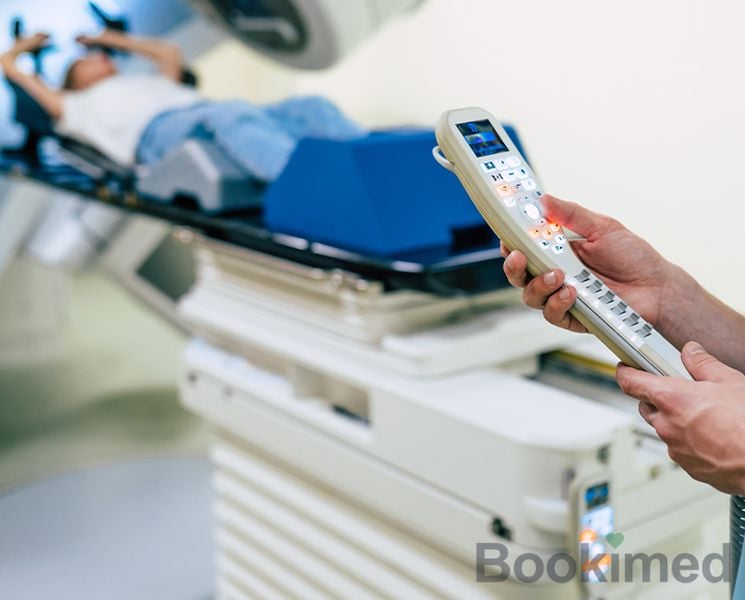
CyberKnife for brain tumor
This non-invasive treatment uses precision radiation therapy to target brain tumors with high accuracy.

CyberKnife for prostate cancer
CyberKnife for prostate cancer is a non-invasive treatment utilizing precision radiation therapy to target and treat prostate tumors.

CyberKnife for lung cancer
CyberKnife for lung cancer is a non-invasive treatment using precision radiation therapy to target tumors.
FAQ about CyberKnife in Spain
Is CyberKnife treatment in Spain safe and effective?
CyberKnife treatment in Spain is exceptionally safe and effective, featuring Joint Commission International accredited facilities and advanced M6 series technology. Spanish centers maintain high success rates for brain and spinal tumors, performing procedures with real-time tumor tracking to protect surrounding healthy tissue during non-invasive radiosurgery.
- Expert credentials: Specialists like Dr. Roberto Martínez Álvarez have managed over 2,000 radiosurgery procedures.
- Advanced precision: Robotic arm delivery enables sub-millimeter accuracy for complex cancerous and non-cancerous tumors.
- Recovery timeline: Non-invasive protocols require no anesthesia, allowing patients immediate return to normal daily activities.
- Rigorous safety: Accredited centers like Centro Médico Teknon utilize adaptive radiation and precise rectal shielding.
Bookimed Expert Insight: While major hospitals like Hospital Ruber Internacional handle high surgical volumes, Spain also offers specialized radiotherapy networks like GenesisCare with 300 global locations. This massive data pool across their Spanish clinics ensures doctors use highly refined, standardized protocols for rare tumor locations that smaller centers might see less frequently.
Patient Consensus: Patients value how this modern adaptive radiation therapy allows them to maintain their normal routines. While some mention temporary fatigue or mild irritation, they frequently highlight that accessing this level of precision in Spain is significantly easier than in the US.
What cancers or conditions can be treated with CyberKnife in Spain?
CyberKnife in Spain treats malignant and benign tumors including prostate, lung, brain, liver, and spine cancers. This non-invasive robotic radiosurgery system also manages functional disorders like trigeminal neuralgia and arteriovenous malformations at JCI-accredited centers such as Centro Médico Teknon and Hospital Ruber Internacional.
- Prostate cancer: Primarily targets intermediate-risk cases using 5 sessions over 2 weeks.
- Brain lesions: Treats metastatic tumors and arteriovenous malformations in 45-minute outpatient sessions.
- Lung and liver: Real-time tracking synchronizes with breathing to protect healthy surrounding tissues.
- Neurological conditions: Effectively manages trigeminal neuralgia and specific vascular malformations like cavernomas.
Bookimed Expert Insight: While many centers offer robotic radiosurgery, the expertise varies by clinical focus. Hospital Ruber Internacional maintains a specialized department for functional neurosurgery and radiosurgery, making it a stronger choice for complex brain conditions like trigeminal neuralgia compared to general oncology hubs.
Patient Consensus: Patients emphasize that intermediate-risk prostate cancer responds exceptionally well with nearly 100% return to normal function. Those receiving brain treatment value the outpatient nature, often being discharged just 45 minutes after the procedure.
What are the main clinical benefits of choosing CyberKnife over traditional surgery?
CyberKnife offers a non-invasive alternative to traditional surgery by using robotic technology to deliver high-dose radiation with sub-millimeter precision. This approach eliminates surgical risks like infection or bleeding while allowing patients to complete treatment in just 1 to 5 sessions without anesthesia or hospitalization.
- Robotic precision: Real-time tracking adjusts for tumor movement during breathing for pinpoint accuracy.
- Non-invasive nature: No incisions or anesthesia required reduces physical trauma compared to surgery.
- Outpatient convenience: Treatment involves 0 days of hospital stay with immediate return to normal activities.
- Tissue preservation: Highly targeted beams spare surrounding healthy tissue and minimize long-term side effects.
Bookimed Expert Insight: While traditional surgery involves significant downtime, Spanish centers like Hospital Ruber Internacional utilize CyberKnife to maintain high patient functionality. Data shows specialized clinics in Madrid often serve as research hubs. This allows patients to potentially access advanced clinical trials alongside standard robotic radiosurgery protocols.
Patient Consensus: Patients value the ability to maintain their daily lifestyle and work schedules during the brief 1-to-2-week treatment course. Many report only mild fatigue and appreciate avoiding the complications of invasive procedures like prostatectomies.
What criteria should I use to select the best CyberKnife clinic in Spain?
Selecting the best CyberKnife clinic in Spain requires prioritizing centers with Joint Commission International accreditation and specialized multidisciplinary tumor boards. Focus on facilities like Hospital Ruber Internacional or Centro Médico Teknon that integrate real-time image guidance with the latest CyberKnife M6 technology for high-precision treatment.
- Specialized expertise: Seek surgeons like Dr. Roberto Martínez Álvarez who lead dedicated functional radiosurgery departments.
- Hospital accreditation: Prioritize JCI-certified or Newsweek-ranked facilities to ensure rigorous international safety standards.
- Technology access: Verify the availability of 3-Tesla MRI and real-time imaging for accurate tumor tracking.
- Clinical volume: Choose centers managing high patient volumes, such as those performing over 23,000 yearly operations.
Bookimed Expert Insight: While many clinics offer robotic radiosurgery, the best outcomes in Spain are found at hospitals like Hospital Ruber Internacional that maintain specialized departments for functional neurosurgery. Data shows these top-tier centers often pair CyberKnife with Gamma Knife ICON technology. This dual-tool approach allows surgeons to select the most precise instrument based on your specific tumor shape and location rather than using a one-size-fits-all method.
Patient Consensus: Patients emphasize the importance of seeking multiple opinions and ensuring the clinic provides a full diagnostic workup, including genomic tests. Success often depends on having an in-person consultation where a multidisciplinary team reviews all imaging together.
Which cities in Spain have reputable CyberKnife centers?
Reputable CyberKnife centers in Spain are primarily concentrated in Madrid and Barcelona. These cities host high-volume facilities like Hospital Ruber Internacional and Centro Medico Teknon. These centers utilize advanced radiation technology for non-surgical treatment of tumors with specialized multidisciplinary oncology teams.
- Madrid centers: Hospital Ruber Internacional and Hospital Universitario HM Madrid lead in radiosurgery volume.
- Barcelona centers: Centro Medico Teknon was Spain's first to install both major radiosurgery systems.
- Specialized expertise: Dr. Roberto Martinez Alvarez at Ruber Internacional holds international honors for stereotactic radiosurgery.
- Center credentials: Top facilities hold Joint Commission International (JCI) accreditation and Newsweek World's Best rankings.
Bookimed Expert Insight: While many clinics offer CyberKnife, Madrid centers like Hospital Ruber Internacional show higher specialization in complex neurosurgery. They perform over 6,000 surgeries annually. Centers in Barcelona often bundle radiosurgery with world-class hospitality. This makes them popular for international patients seeking a balance of care and comfort.
Patient Consensus: Patients prioritize clinics that treat their specific diagnosis frequently. Many choose CyberKnife for prostate or brain cases because it requires fewer sessions and provides a faster return to daily life.