CyberKnife for prostate cancer in Spain — get 3 personalized clinic matches


Medically reviewed by
Fahad Mawlood
How it works
How Much Does CyberKnife for prostate cancer Cost in Spain?
CyberKnife for prostate cancer in Spain typically costs from $9,000 to $13,000. The total price depends on the city, clinic tier, and number of treatment fractions. In the US, similar procedures cost around $55,000 on average. Spain offers savings of around 80%. Typical packages include consultations, mapping, and all radiation sessions.
- Madrid facilities: Prices in the capital may range from 15% to 20% lower than Barcelona.
- Barcelona clinics: High-end private centers in this hub often command a premium for specialized care.
- Coastal regions: Centers in Marbella or Torrevieja offer competitive rates for international patient protocols.
- Treatment complexity: Standard protocols usually involve 1 to 5 fractions of high-precision robotic radiotherapy.
Bookimed Expert Insight: Choosing a high-volume center in Spain can offer significant value. Centro Médico Teknon in Barcelona serves 10,000 patients yearly and holds JCI accreditation. Quironsalud Madrid is the largest center in its network and offers clinical trials. Many Spanish clinics, like GenesisCare, provide 5-star rated service with the latest-generation machines. Their packages typically start around $8,250, offering a balanced price-to-quality ratio.
| Turkey | Austria | Spain | |
|---|---|---|---|
| CyberKnife for prostate cancer | from $6,000 | ≈ $8,500 | ≈ $9,000 |
Discover the Best CyberKnife for prostate cancer Clinics in Spain: 3 Verified Options and Prices


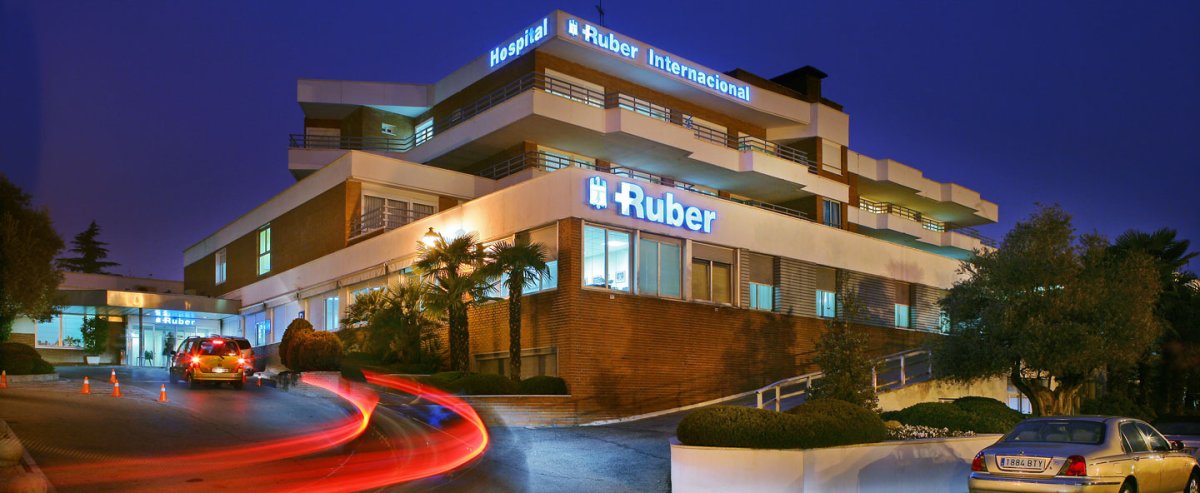



CyberKnife for prostate cancer Overview in Spain
- CyberKnife - from $9,000This therapy is a non-invasive option using precise radiation for treating cancerous and non-cancerous tumors.
- CyberKnife for brain tumor - from $11,000This therapy targets brain tumors with high-dose radiation, sparing healthy tissue, offering less pain and recovery time.
- CyberKnife for prostate cancer - from $9,000The procedure uses precise radiation to destroy prostate cancer, improving survival rates with minimal side effects.
- CyberKnife for lung cancer - from $9,000This therapy uses targeted radiation to destroy lung cancer cells without surgery with minimal side-effects.
Day 1: Arrival
- Arrive and check-in at the clinic.
- Meet with your urologist and oncologist.
- Undergo initial physical and diagnostic assessments.
Day 2: Pre-Operation
- Have a personalized treatment plan created.
- Undergo a fiducial markers placement procedure.
- Get a CT scan and MRI for treatment planning.
Day 3: Rest Day
- Rest and allow fiducial markers to settle.
- Stay in the clinic for observation.
Day 4: CyberKnife Treatment
- Arrive at the CyberKnife center.
- Undergo treatment, usually lasting 1-2 hours.
- Experience no anesthesia, no pain during treatment.
Day 5: Post-Treatment
- Stay in the clinic for observation.
- Meet with your doctor for post-treatment consultation.
Day 6: Discharge
- Have a final consultation with your doctor.
- Receive discharge instructions.
- Leave the clinic and return home or to your accommodation.
Week 1-2: Rehabilitation
- Resume normal activities gradually.
- Follow recommended nutritional and exercise plans.
Week 3-4: Return to Work
- Return to work and daily activities as tolerated.
Please note that the above timeline is a general guideline and individual experiences might vary based on specific clinical situations. Always consult with your healthcare professional for personalized advice.
What patients like:
- Cost. The CyberKnife for prostate cancer cost in Spain ranges from $9,000 to $13,000. Compared to the USA, where costs can exceed $100,000, Spain offers affordable treatment.
- Doctor’s professionalism. Spanish doctors have top-notch professionalism. Many have international certifications and memberships in prestigious organizations, and perform numerous procedures annually.
- Service level. Patients praise the high level of service. Hospitals provide modern facilities, comprehensive care, and efficient administration.
- CyberKnife for prostate cancer efficacy. Patients report high satisfaction rates with the treatment outcome. CyberKnife uses advanced techniques to target tumors accurately.
- Logistics. Travel and accommodation logistics are straightforward. Spain's developed infrastructure makes it easy for international patients.
What patients don’t like:
- Waiting time. Some patients experience delays getting treatment appointments due to high demand.
- Language barrier. Though most medical staff speak English, communication can sometimes be challenging.
- Limited insurance coverage. Not all international insurance policies cover the CyberKnife procedure in Spain.
- Bookimed deposit: $200 or €200.
- Clinic deposit: Pay a set percentage in advance.
Our Doctors
View all Doctors
Luis Madero
Dr. Luis Madero is the Head of Pediatric Hemato-Oncology at Quironsalud Madrid University Hospital. He specializes in treating complex blood disorders and performing bone marrow transplants. Dr. Madero serves as a Professor of Pediatrics at the Autonomous University of Madrid. He works at Quironsalud Madrid, which Newsweek ranked among the World's Best Hospitals.
- Edited 14 books and contributed to 75 book chapters on pediatric oncology.
- Treats leukemia, lymphoma, multiple myeloma, and sickle cell disease.
- Member of the Spanish Association of Pediatric Hematology and Oncology.
- Former Head of Oncology at the Sanitas Group and Nino Jesus Hospital.
Video Stories from Bookimed Patients
Reviews about Bookimed: Discover Patients' Insights
All reviews


Share this content
 Anna Leonova

Fast Facts about CyberKnife for prostate cancer

CyberKnife for prostate cancer
CyberKnife for prostate cancer is a non-invasive treatment utilizing precision radiation therapy to target and treat prostate tumors.
FAQ about CyberKnife for prostate cancer in Spain
What is CyberKnife and how does it work for prostate cancer?
CyberKnife is a robotic, non-invasive radiation system treating prostate cancer without incisions or anesthesia. It uses Stereotactic Body Radiation Therapy (SBRT) to deliver high-dose beams with sub-millimeter precision. Specialized robotic arms track prostate movement in real time to spare the bladder and rectum.
- Robotic tracking: The system corrects for prostate motion during breathing or digestion.
- Treatment duration: Patients typically complete therapy in 5 sessions over 2 weeks.
- Precise targeting: It concentrates radiation on tumors, protecting surrounding healthy tissues.
- Non-surgical approach: The procedure requires no hospital stay and avoids urinary catheters.
Bookimed Expert Insight: Spain ranks among the top 4 global destinations for advanced oncology. While specialized centers like Hospital Ruber Internacional offer CyberKnife, GenesisCare treats 15,000 radiation patients annually. The country's infrastructure allows for sub-specialized care at significantly lower costs than in the US.
Patient Consensus: Many patients emphasize the importance of having a PSMA PET scan first. This ensures the cancer is localized before starting the short, 2-week treatment course.
How do I prepare for CyberKnife treatment?
Preparation for CyberKnife treatment requires medical imaging, tumor marking, and strict physiological protocols. Patients undergo gold fiducial marker placement and CT or MRI scans for precision mapping. In Spain, centers like Hospital Ruber Internacional use these steps to treat prostate tumors in 5 outpatient sessions.
- Fiducial markers: Tiny gold pellets implanted 14 days prior to guide robotic tracking.
- Bladder and bowel: Treatment requires a full bladder and empty bowel for precise targeting.
- Dietary prep: Use clinic-specific enemas and light meals to prevent rectal gas interference.
- Anxiety management: Sedation like Valium is available if you experience clinical or procedural anxiety.
Bookimed Expert Insight: While sessions at clinics like GenesisCare last only 10 to 12 minutes, the logistical prep is the real challenge. Successful patients coordinate hormone therapy (ADT) with their home oncologist before traveling to Spain. This proactive timing ensures the tumor is optimally responsive by the time your first appointment in Madrid begins.
Patient Consensus: Expect temporary urinary or bowel discomfort for 3 to 4 weeks after finishing your 5 sessions. Patients also report that finding blood in urine or semen is common and usually resolves within a few days.
How many sessions are required for prostate cancer?
Prostate cancer treatment with CyberKnife typically requires 5 sessions delivered over 10 days. This ultra-hypofractionated approach delivers high radiation doses with sub-millimeter precision. Traditional radiotherapy often requires 28 to 45 sessions, making CyberKnife a significantly faster non-surgical alternative for patients.
- Treatment frequency: CyberKnife sessions usually occur every other day over 1.5 weeks.
- Session duration: Each outpatient treatment lasts approximately 15 to 45 minutes total.
- Alternative protocols: High Dose Rate brachytherapy requires only 2 overnight sessions in Spain.
- Standard radiotherapy: Conventional external beam radiation therapy involves 40 to 45 daily sessions.
Bookimed Expert Insight: Spain hosts elite facilities like Hospital Ruber Internacional, ranked top 6 by Forbes. This clinic uniquely offers both CyberKnife and Gamma Knife ICON technology. Having both options ensures doctors select the most precise radiation tool for your specific tumor. This level of specialized equipment is rare even in major European medical hubs.
Patient Consensus: Patients value how CyberKnife sessions fit into a 10-day travel schedule. Many report high cure rates comparable to surgery without the invasive recovery time.
Is CyberKnife treatment in Spain painful?
CyberKnife treatment in Spain is completely painless and non-invasive. Since it uses robotic stereotactic body radiation therapy (SBRT), there are no incisions or anesthesia needed. Patients remain awake and comfortable throughout the 35–40 minute sessions, typically returning to daily routines immediately after the outpatient procedure.
- Physical sensation: You will not feel the radiation beams during the treatment sessions.
- Treatment comfort: No painful body restraints or invasive head frames are used during sessions.
- Recovery experience: Most patients report zero downtime and no immediate post-procedural pain or discomfort.
- Post-treatment effects: Some may notice temporary burning during urination or fatigue after one week.
Bookimed Expert Insight: While the radiation itself is painless, our data shows the 40-minute stationary requirement is the real challenge. At centers like Hospital Ruber Internacional, which ranks among the top 6 in Spain, specialists provide ergonomic support. This is crucial for prostate patients with pre-existing back issues.
Patient Consensus: Many feel so relaxed they nearly nap during the procedure. The most common feedback involves managing mild urinary irritation or fatigue later in the month rather than pain during the actual sessions.
What are the advantages of choosing CyberKnife in Spain?
CyberKnife in Spain offers advanced robotic precision for prostate cancer treatment at JCI-accredited facilities. This non-invasive therapy provides pinpoint accuracy during 5 sessions over 2 weeks. Typical costs range from $9,000 to $13,000, saving patients approximately 80% compared to US averages.
- Robotic precision: Targets tumors with sub-millimeter accuracy while sparing surrounding healthy tissue.
- Real-time tracking: System adjusts radiation beams automatically to match patient breathing and movement.
- Rapid protocol: Treatment typically concludes in 5 sessions instead of 40 standard sessions.
- Outpatient recovery: Patients avoid hospitalization and immediately return to normal daily activities.
Bookimed Expert Insight: Spain ranks 4th globally for patient requests at Bookimed due to top-tier technology access. Clinics like Hospital Ruber Internacional integrate CyberKnife with 3-Tesla MRI for superior tumor localization. This combination is often available at a lower cost than in other Western European centers.
Patient Consensus: Patients value how this non-invasive option preserves urinary and sexual function compared to traditional surgery. Many report that short-term fatigue is manageable and appreciate completing treatment in just 2 weeks.
Where can I receive CyberKnife treatment in Spain?
CyberKnife treatment in Spain is available at premier oncology centers in Madrid and Barcelona, including Hospital Ruber Internacional, Hospital Quironsalud Madrid, and GenesisCare clinics. These facilities utilize robotic radiosurgery for high-precision treatment of prostate cancer, brain tumors, and lung lesions within JCI-accredited environments.
- Available technologies: Specialized centers offer CyberKnife M6, Gamma Knife ICON, and MRI-LINAC systems.
- Hospital credentials: Top facilities hold Joint Commission International (JCI) and ISO 9001 quality certifications.
- Patient capacity: Hospital Ruber Internacional performed over 6,000 surgeries and 93,000 consultations in 2022.
- Treatment volume: GenesisCare clinics serve 15,000 patients annually using advanced radiotherapy and tomotherapy.
Bookimed Expert Insight: While CyberKnife is highly effective, leading Spanish centers like Hospital Ruber Internacional offer both CyberKnife and Gamma Knife ICON. This allows doctors to choose the most precise robotic tool based on your specific tumor location. Always confirm if the center uses the latest M6 model for shorter sessions.
Patient Consensus: Patients recommend requesting a SpaceOAR hydrogel spacer before starting SBRT sessions. This simple step helps protect the rectum and significantly reduces common radiotherapy side effects during recovery.