Emax veneers in Spain — get 3 top clinic matches with costs
Emax veneers in Spain cost $490 to $800, about 66% less than the US average of $1,900 (Bookimed data, November 2026). It is offered by Clinica Dental Raices in Tenerife.


Medically reviewed by
Fahad Mawlood
How it works
How Much Does Emax veneers Cost in Spain?
The cost of Emax veneers in Spain typically ranges from $490 to $800. Prices vary depending on the number of veneers, the clinic’s location, and the dentist’s experience. In the United States, the average cost is $1,900 (per ADA). This means Emax veneers in Spain are about 66% less expensive than in the U.S.
Spanish clinics usually include the initial consultation, digital smile design, tooth preparation, Emax ceramic veneers, and follow-up visits in the quoted price. In the U.S., the fee often covers only the veneer itself, with separate charges for consultations, imaging, and temporary veneers. Always confirm exactly what’s included with each clinic.
| Spain | Turkey | The USA | |
|---|---|---|---|
| Emax veneers | from $490 | from $150 | ≈ $1,300 |
Discover the Best Emax veneers Clinics in Spain: 4 Verified Options and Prices

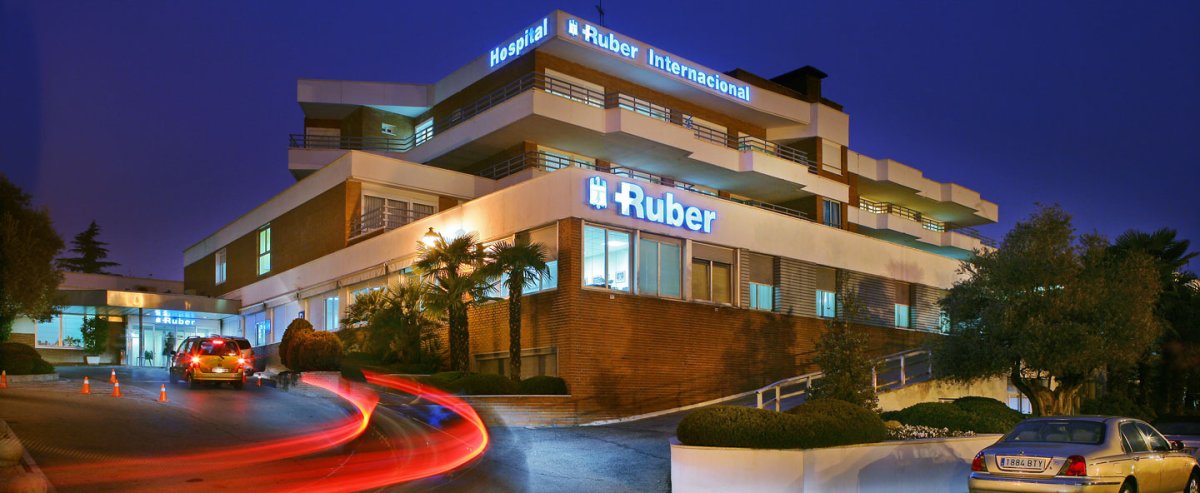


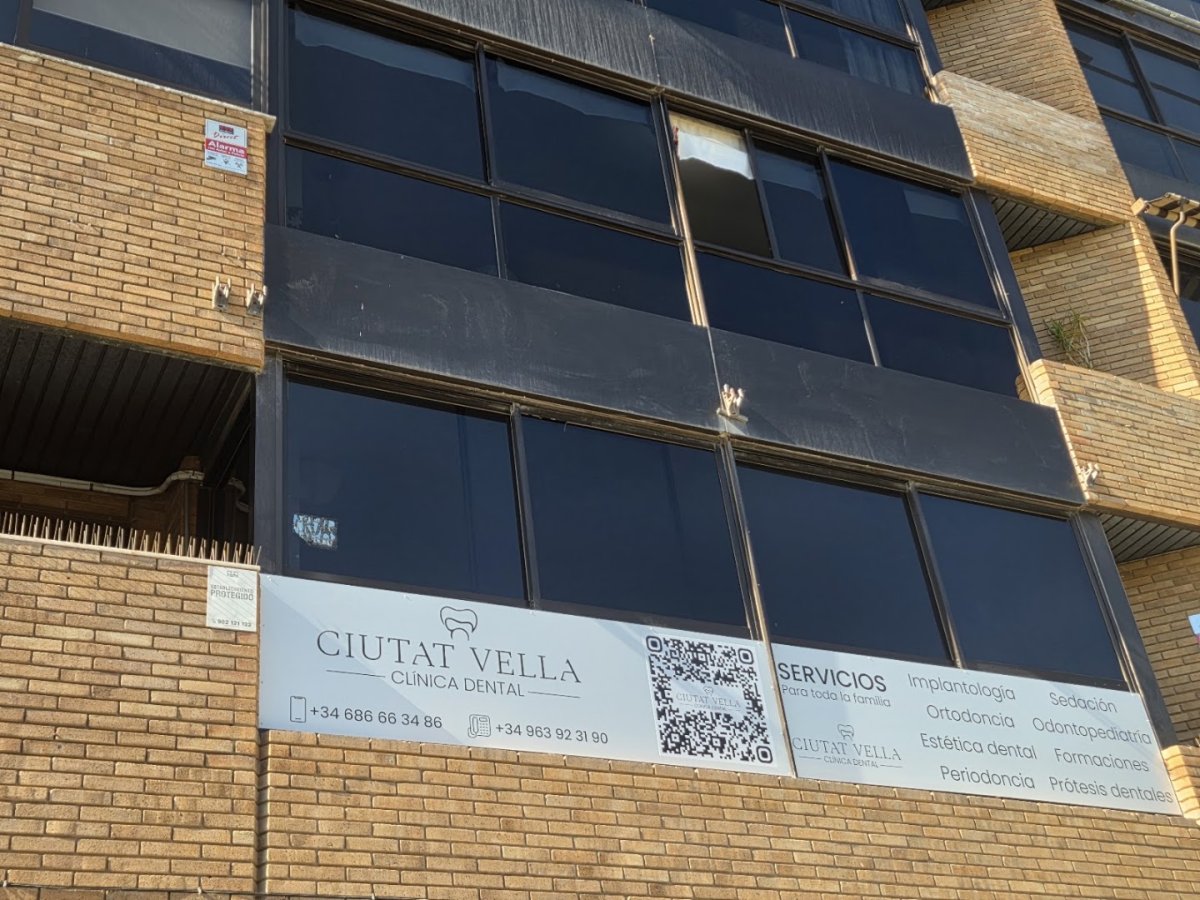
clinic Dental Ciutat Vella

MAG Dental Madrid- Hortaleza
Emax veneers Overview in Spain
- Porcelain Veneer - from $490The procedure is a dental treatment employing thin ceramic layers to enhance smile aesthetics and protect teeth.
- Composite Veneer - from $810The procedure uses resin layers for tooth enhancement, offering quick, reversible, and affordable dental aesthetics improvement.
- Veneers - from $490This procedure involves attaching thin porcelain shells to the front of teeth to enhance appearance and symmetry.
- Bookimed deposit: $200 or €200.
- Clinic deposit: Pay a set percentage in advance.
Our Doctors
View all Doctors
Dr Alaa Ghuzlan
Dr. Alaa Ghuzlan is a dental implantology specialist at Clínica Dental Raíces in Tenerife. She holds a specialty degree in implantology from the University of Barcelona. Dr. Ghuzlan has treated thousands of patients across multiple countries. She focuses on restorative and cosmetic procedures to improve patient smiles.
- Specializes in All-on-4, All-on-6, and zygomatic dental implants.
- Uses 3D intraoral scanners and 3D radiology for precise treatment planning.
- Performs aesthetic smile makeovers including Emax and zirconia veneers.
- Works at a specialized boutique clinic that serves over 1,000 adult patients annually.

Emilio Martínez-Almoyna Rifá
Cristina Gras
Dr. Cristina Gras is a dental restoration specialist in Barcelona. She developed the GRAS® Method, a clinical protocol for adhesive restorations that combines digital planning with bonding techniques. Dr. Gras performs ceramic restorations using minimally invasive approaches.
- Uses the Precision Test functional mock-up to validate bite behavior before final placement.
- Performs no-prep and minimal-prep porcelain veneers to preserve natural tooth enamel.
- Treats cases where previous restorations have fractured or debonded.
- Received scientific recognition from Gaceta Dental for her restoration protocols.
Video Stories from Bookimed Patients
Reviews about Bookimed: Discover Patients' Insights
All reviewsShare this content
 Anna Leonova

Fast Facts about Emax veneers

Emax Veneers
These are thin layers of lithium disilicate ceramic bonded to teeth for a natural, attractive smile.
FAQ about Emax veneers in Spain
What are Emax veneers and why choose them in Spain?
Emax veneers are premium lithium disilicate glass-ceramic shells renowned for superior durability and natural translucency. In Spain, patients access these high-end restorations for $490 to $800, saving approximately 66% compared to average US costs of $1,900 while receiving care at JCI-accredited facilities.
- Material quality: Lithium disilicate offers 400 MPa strength, resisting daily chewing pressures and chipping.
- Natural aesthetics: The ceramic mimics tooth enamel translucency to prevent an opaque, chalky appearance.
- Conservative preparation: Thin shells (0.3mm–0.5mm) require minimal enamel reduction, preserving more natural tooth structure.
- Advanced diagnostics: Spanish clinics like Clinica Dental Raices utilize 3D intraoral scanners for precision fitting.
Bookimed Expert Insight: Spain’s dental market offers a unique intersection of academic expertise and boutique service. Specialists like Dr. Artiom Lijnev hold PhDs in biomaterials, ensuring your veneers are engineered for longevity, not just aesthetics. While Madrid hosts large JCI-accredited hospitals, boutique clinics in Tenerife often serve fewer patients annually, allowing for highly personalized, single-specialty cosmetic care.
Patient Consensus: Patients value Emax for masking discoloration without looking fake. Most emphasize choosing a natural shade over the brightest white and recommend using a custom nightguard to protect the investment.
How do Emax veneers compare to traditional porcelain or composite veneers?
Emax veneers use high-strength lithium disilicate glass-ceramic to provide superior translucency and durability compared to traditional porcelain or composite resin. While composite veneers offer a budget-friendly, single-visit solution, Emax provides longer-lasting results, exceptional fracture resistance, and a natural light-reflecting finish that mimics real tooth enamel.
- Material composition: Lithium disilicate ceramic offers higher strength than traditional feldspathic porcelain or resin.
- Aesthetic quality: Superior translucency mimics natural teeth, avoiding the flatter appearance of composite materials.
- Expected lifespan: Emax typically lasts 15 to 20 years, significantly outperforming composite durability.
- Tooth preparation: High material strength allows for thinner veneers, preserving more natural tooth structure.
Bookimed Expert Insight: While Spain is a hub for high-end dentistry, clinics like Clinica Dental Raices utilize digital workflows and 3D intraoral scanners to ensure precision. Leading specialists, including those with advanced degrees from the University of Barcelona, prioritize lithium disilicate for full smile makeovers because its durability minimizes long-term replacement costs.
Patient Consensus: Patients prioritize Emax for its premium natural look and stain resistance over cheaper composite options. Many emphasize asking about enamel preservation to ensure the procedure remains as conservative as possible.
How long does the Emax veneer procedure take in Spain?
The Emax veneer procedure in Spain typically takes 4 to 6 days for international patients using dental tourism workflows. Standard local lab schedules may extend this timeframe to 2 weeks. The process involves digital impressions, lithium disilicate ceramic fabrication, and final bonding sessions.
- Initial consultation: The dentist performs 3D intraoral scanning and enamel preparation within 2 hours.
- Laboratory fabrication: Custom ceramic veneers are crafted in 3 to 5 working days.
- Final bonding: Permanent veneers are checked for fit and shade during a 2-hour visit.
- Occlusion check: A final visit on day 6 ensures proper bite alignment before departure.
Bookimed Expert Insight: Spanish clinics like Clinica Dental Raices utilize 3D digital dentistry to compress timelines. Data shows clinics serving 1,000+ annual patients often bypass traditional molds for digital scans. This technology reduces the wait for ceramic fabrication significantly for international visitors.
Patient Consensus: Patients recommend planning a full week in Spain rather than the minimum duration. Most suggest ensuring the clinic provides a final bite adjustment session to prevent discomfort after returning home.