Hooded Eyelid Surgery in Spain — Get 3 Top Clinic Matches with Costs
Medically reviewed by
Ergin Er
How Much Does Hooded eyelid surgery Cost in Spain?
The cost of hooded eyelid surgery in Spain typically ranges from $2,600 to $4,300. Prices vary depending on the clinic, the surgeon’s experience, and whether both upper lids or both upper and lower lids are treated. In the United States, the average cost is $5,800 (per ASPS). Hooded eyelid surgery in Spain is about 40% less expensive than in the U.S.
Spanish clinics usually include the initial consultation, pre-op blood tests, post-op medication, follow-up visits, and 24/7 support. English-speaking staff and personalized care plans are standard. Meals during clinic visits and detailed aftercare instructions are often provided. In the U.S., listed prices often cover only the surgeon’s fee, with anesthesia, facility costs, and follow-up billed separately. Always confirm what’s included at your chosen clinic.
| Spain | Turkey | The USA | |
|---|---|---|---|
| Hooded eyelid surgery | ≈ $2,600 | from $1,700 | from $4,000 |
Your Benefits and Guarantees with Bookimed
Transparent Prices & Flexible Installments
No hidden fees – just official clinic prices. Pay at the clinic for Hooded eyelid surgery upon arrival and use a flexible installment plan if needed.
Verified Clinics & Doctors Only
Bookimed is committed to your safety. We only work with medical institutions that maintain high international standards in Hooded eyelid surgery and have the necessary licenses to serve international patients worldwide.
Free 24/7 Assistance
Bookimed offers free expert assistance. A personal medical coordinator supports you before, during, and after your treatment, solving any issues. You're never alone on your Hooded eyelid surgery journey.

Your personal Bookimed medical coordinator
- Supports you at every stage
- Helps choose the right clinic and doctor
- Ensures quick and convenient access to information
Discover the Best Hooded eyelid surgery Clinics in Spain: 1 Verified Option and Prices


Hooded eyelid surgery Overview in Spain
- Blepharoplasty (Eyelid correction) - from $2,000During an operation, eye excess skin or fat is removed to make a younger, more alert appearance.
- Upper Eyelid Surgery - from $3,400The procedure lifts droopy lids, enhancing vision and aesthetics. It involves removing excess skin, fat tissue, and muscle.
- Lower Eyelid Blepharoplasty - from $1,800This operation corrects bagginess or excess skin under the eye by removing or repositioning fat, enhancing appearance.
- Upper and Lower Eyelid Surgery - from $7,900This therapy repairs sagging skin around eyes, refreshes appearance, and can improve vision by removing excess tissue.
- Fox Eye Lift - from $9,900A Fox Eye Lift is a cosmetic surgery that subtly elevates the outer corners of the eyes, creating an almond-shaped appearance, with minimal recovery time required.
- Cat Eye Surgery (Canthoplasty) - from $2,800Reshaping of the outer corners of the eyes to achieve an almond-like appearance, enhancing eye symmetry and aesthetic appeal, with minimal recovery time.
Day 1
- Arrive in the country for surgery.
- Check-in at your accommodation.
Day 2
- Consultation with an ophthalmologist.
- Complete necessary medical tests.
Day 3
- Pre-operation preparations.
- Meet with anesthesiologist for check-up.
Day 4
- Hooded eyelid surgery under local anesthesia.
- Procedure lasts approximately 1 to 3 hours.
Day 5 – Day 7
- Rest at accommodation with regular check-ups.
- Post-operative treatment if necessary.
Week 2
- Return to clinic for post-operative review.
- Removal of any non-dissolvable sutures.
Week 3 – Week 4
- Continued recovery at home with mild activities.
- Return to work depending on healing progress.
Week 5 – Week 6
- Gradual return to normal activities and exercise.
- Noticeable improvement in eyelid appearance.
Week 12
- Complete healing and final results visible.
It"s important to note that each patient"s healing process is unique and these timelines are estimates. Always follow your surgeon"s post-operative instructions for the best results.
- Bookimed deposit: $200 or €200.
- Clinic deposit: Pay a set percentage in advance.
Our Doctors
View all Doctors
José Luis Martín Del Yerro Coca
Specializes in plastic and reconstructive surgery with extensive experience in aesthetic procedures, including hooded eyelid surgery, at Quironsalud Madrid.
- Member of the Spanish Society of Reconstructive and Aesthetic Plastic Surgery (SECPRE)
- Received FIRST PRIZE in the competition of resident doctors at SECPRE
- Director of the International Symposium on Breast Reconstruction
- Over 44 years of experience in plastic surgery
- Published 40 papers in national and international journals

Antonio Rivera Munoz
Over 19 years specializing in cosmetic surgery – Dr. Rivera co-directs the Plastic Surgery Unit at Quirónsalud Marbella.
- Trained in tissue engineering at the University of Granada
- Expert in eyelid surgery and facial remodeling
- Regular participant in international surgical conferences
- Works within a hospital setting for maximum patient safety
Ricardo Cortés
Video Stories from Bookimed Patients
Reviews about Bookimed: Discover Patients' Insights
All reviewsShare this content
 Anna Leonova

FAQ about Hooded eyelid surgery in Spain
Can I get 'hollow' eyes from a blepharoplasty?
Hollow eyes result from aggressive fat removal during blepharoplasty. This sunken appearance occurs when surgeons excise too much orbital fat instead of repositioning it. You can avoid this by choosing volume-preservation techniques like fat transposition, which maintains natural contours and youthful fullness around the eyelid area.
- Fat repositioning: Surgeons move existing fat pads to fill hollow areas instead of removing tissue.
- Surgical approach: Modern techniques prioritize volume preservation to prevent a tired, aged, or sunken look.
- Recovery timeline: Final volume assessment requires 3 to 6 months as swelling fully resolves.
- Specialist choice: Oculoplastic or plastic surgeons in Spain focus on conserving tissue for natural results.
Bookimed Expert Insight: Spanish plastic surgery hubs like Barcelona and Madrid favor fat transposition over simple excision. High-volume specialists like Dr. Jorge Planas utilize advanced tissue preservation methods. Choosing a surgeon with over 30 years of experience helps ensure they balance skin tightening with essential volume retention.
Patient Consensus: Patients note that early swelling often looks like hollowing. They recommend waiting at least 6 months before considering corrective fillers or fat grafts to restore under-eye volume.
What questions should I ask a surgeon in Spain?
When consulting a surgeon in Spain for hooded eyelid surgery, ask about their SECPRE or EBOPRAS certification and request specific data on upper blepharoplasty success rates. Inquire whether your procedure requires levator muscle tightening or simple skin removal and confirm if the clinic is JCI-accredited.
- Surgeon credentials: Verify membership in the Spanish Society of Plastic Reconstructive and Aesthetic Surgery (SECPRE).
- Clinical approach: Ask if the surgeon recommends upper blepharoplasty alone or combined with ptosis repair.
- Cost inclusions: Confirm if quotes between $2,600 and $4,300 bundle anesthesia and facility fees.
- Recovery logistics: Discuss the use of cold mask recovery and same-day discharge for outpatient care.
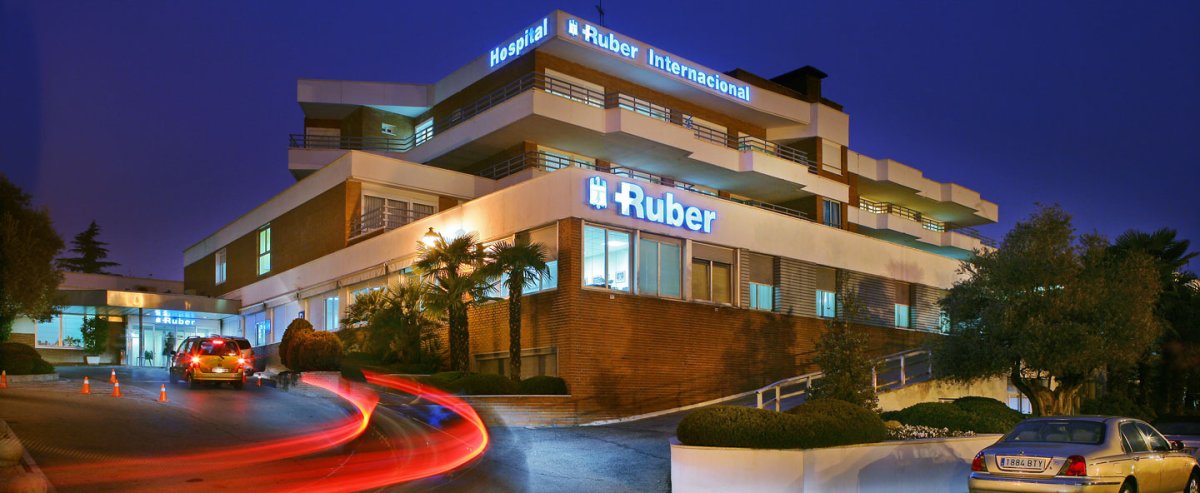
Bookimed Expert Insight: While many Spanish clinics like Hospital Ruber Internacional hold high-level ISO and JCI certifications, surgeons often specialize differently. For hooded eyelid surgery, Dr. Jorge Planas at Clínica Planas brings over 30 years of experience and holds a PhD in surgery. Prioritizing surgeons with local Academic Health Science memberships often correlates with lower complication rates in delicate facial procedures.
Patient Consensus: Patients recommend testing your peripheral vision before your consultation to check if the surgery qualifies as a medical necessity. Experts also suggest requesting case-specific before and after photos to ensure the surgeon can achieve natural eyelid symmetry.
Will my vision change after the surgery?
Hooded eyelid surgery in Spain typically provides clearer vision if excess skin previously obstructed your visual field. Most patients experience temporary blurriness or fluctuating vision due to swelling and bruising. These symptoms generally stabilize within 1 to 3 weeks as the eye surface heals.
- Visual obstruction: Lifting heavy lids often expands peripheral vision and reduces eye strain.
- Recovery timeline: Most post-operative swelling and bruising resolve within 1 to 3 weeks.
- Temporary blurriness: Inflammation and ointment use cause mild, short-term haziness after the procedure.
- Medical necessity: Surgeons use peripheral vision tests to confirm if hooding impacts your eyesight.
Bookimed Expert Insight: Many patients undergo blepharoplasty in Spain at clinics like Hospital Ruber Internacional or Clínica Planas for cosmetic reasons, only to discover their vision improves significantly. Spanish specialists like Dr. Jorge Planas often use advanced techniques that address both the aesthetic hooding and functional visual field issues simultaneously.
Patient Consensus: Many individuals report they did not realize how much skin was blocking their view until after recovery. They frequently highlight that reducing lid weight also helps minimize dry eye discomfort and daily eye fatigue.
Will the surgery change the shape of my eyes?
Hooded eyelid surgery in Spain refreshes your appearance without altering the fundamental shape of your eyes. While typical blepharoplasty removes excess skin to reveal the iris more clearly, specific techniques like levator muscle repair or canthoplasty can intentionally change the eye opening or the lateral angle.
- Natural enhancement: Removing skin hoods makes eyes look more open, alert, and rested.
- Ptosis correction: Levator muscle repair increases the vertical opening, making eyes appear larger.
- Almond eye surgery: Lateral canthoplasty specifically adjusts the outer corner angle for shape changes.
- Conservative approach: Experienced surgeons avoid aggressive fat removal to prevent a hollowed, sunken look.
Bookimed Expert Insight: Data shows that Spanish specialists often utilize tissue engineering or microsurgery expertise to improve margins. For example, Dr. Jose Luis Martin Del Yerro Coca brings intensive care and microsurgery backgrounds to his practice at Quironsalud Madrid. Choosing a surgeon with these specific technical layers often ensures the eye shape remains authentic while achieving a rejuvenated look.
Patient Consensus: Many note that the change in shape is mostly an optical illusion of being less squinty. They recommend requesting a conservative skin removal to avoid a transition period where your new eyes feel unfamiliar.
How long does the procedure take, and what anesthesia is used?
Hooded eyelid surgery in Spain typically takes 30 to 60 minutes for a standalone procedure. Surgeons usually perform it under local anesthesia combined with sedation, often called twilight anesthesia. This approach ensures patient comfort while allowing for a significantly faster recovery than general anesthesia.
- Surgery duration: Standalone upper blepharoplasty usually concludes within 30 to 60 minutes.
- Primary anesthesia: Local anesthesia with twilight sedation is the standard choice for patients.
- General anesthesia: Reserved primarily for complex cases or combined procedures like brow lifts.
- Hospital stay: Most patients return home the same day following a brief monitoring period.
Bookimed Expert Insight: While many seek surgery for excess skin, Spain's top specialists like those at Clínica Planas often evaluate brow position first. If low eyebrows cause the hooding, a brow lift might be more effective than blepharoplasty. Combining these procedures usually shifts the anesthesia choice from local to general for patient safety.
Patient Consensus: Patients report a surprisingly quick physical recovery, with many feeling mobile and active by the following evening. They emphasize confirming whether anesthesia fees are bundled into the initial quote to simplify budgeting.
What is the recovery period like?
Recovery from hooded eyelid surgery in Spain is fast, with most patients returning to professional work within 4 to 7 days. While swelling and bruising persist for 7 to 10 days, initial contours settle by month 3 and scars fully mature within 1 year.
- Hospital stay: This outpatient procedure allows patients to return to their accommodation on the same day.
- Stitch removal: Surgeons typically remove non-dissolvable sutures between 7 and 9 days after the surgery.
- Symptom management: Post-operative swelling peak occurs at 48 hours but subsides significantly within 10 days.
- Activity restrictions: Patients must avoid eye makeup for 30 days to prevent infection or irritation.
Bookimed Expert Insight: While many focus on surgery day, the recovery timeline in Spain often includes high-tech monitoring. Top centers like Hospital Ruber Internacional utilize JCI-accredited safety standards that prioritize rapid healing. Patients choosing Madrid or Barcelona often find that sleeping semi-upright and following strict icing schedules significantly accelerates their return to social activities by day 10.
Patient Consensus: Recovery is generally easy and fast with minimal pain. Many suggest eating pineapple or taking arnica to reduce bruising before feeling camera-ready for public appearances.