Immediate load dental implant in Spain — get 3 top clinic matches with costs
An immediate load dental implant in Spain costs $1,600 to $3,500, about 60% less than the US average of $6,500 (Bookimed data, November 2026). Bookimed lists 2 immediate load dental implant clinics in Spain, in Tenerife and Madrid.


Medically reviewed by
Fahad Mawlood
How it works
How Much Does Immediate load dental implant Cost in Spain?
The cost of immediate load dental implants in Spain typically ranges from $1,600 to $3,500. Prices vary depending on the number of implants, the clinic, the surgeon’s experience, and the type of implant system used (such as Nobel Biocare or Straumann). In the United States, the average cost is $6,500 (according to AAID). This means immediate load dental implants in Spain are about 60% less expensive than in the U.S.
Spanish clinics usually include the consultation, 3D imaging (CBCT), implant placement, immediate temporary crown, abutments, and follow-up visits in the price. In the U.S., the listed price often covers only the implant and surgery, with additional charges for scans, abutments, crowns, and aftercare. Always confirm what’s included with your chosen clinic, as package details can vary.
| Spain | Turkey | The USA | |
|---|---|---|---|
| Immediate load dental implant | from $1,600 | from $710 | ≈ $4,500 |
| Same day All-on-6 dental implants | from $11,500 | from $1,800 | ≈ $18,000 |
| Immediate Load All-on-6 dental implants | from $11,500 | from $2,000 | ≈ $18,500 |
| Immediate All-on-4 Dental Implants | from $8,200 | from $1,400 | ≈ $17,500 |
| Immediate All-on-2 dental implants | ≈ $6,500 | from $2,200 | ≈ $14,500 |
Discover the Best Immediate load dental implant Clinics in Spain: 7 Verified Options and Prices





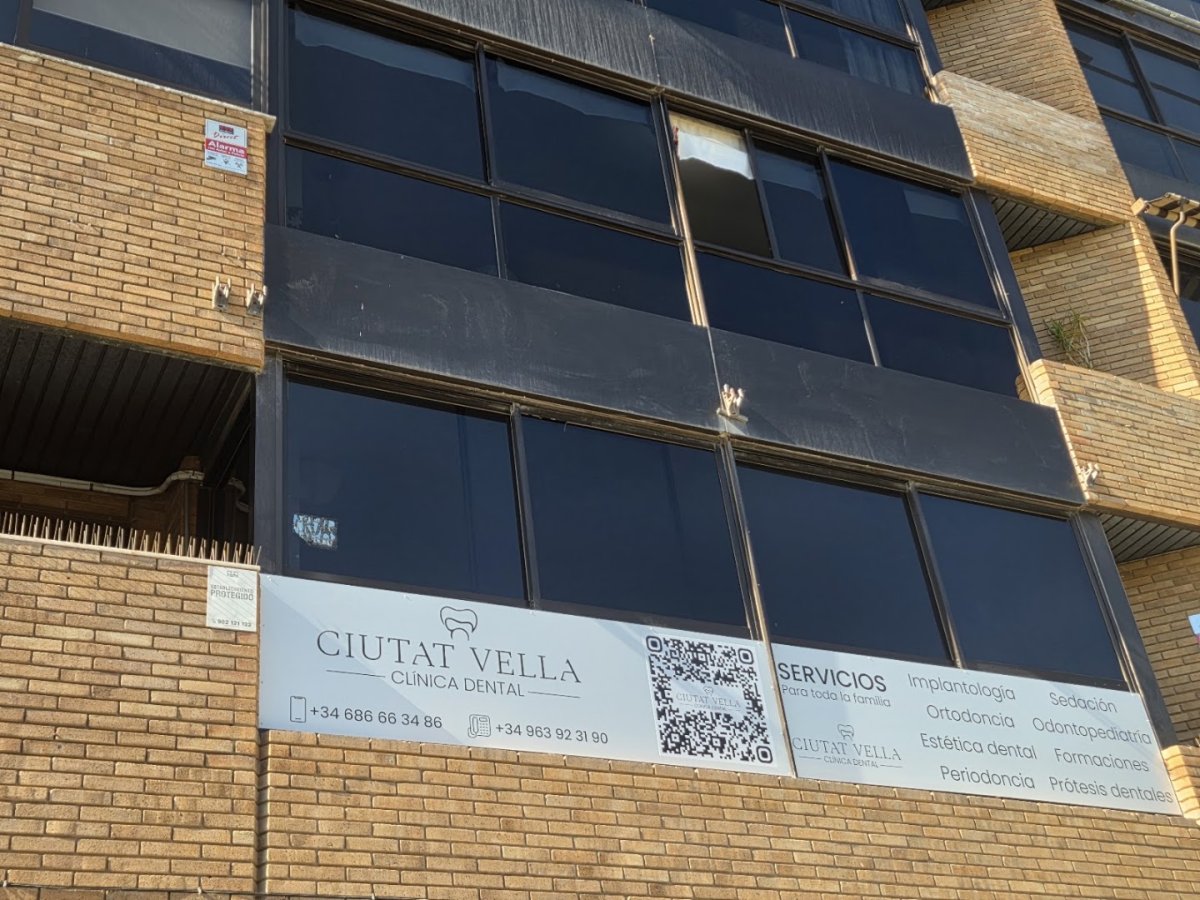
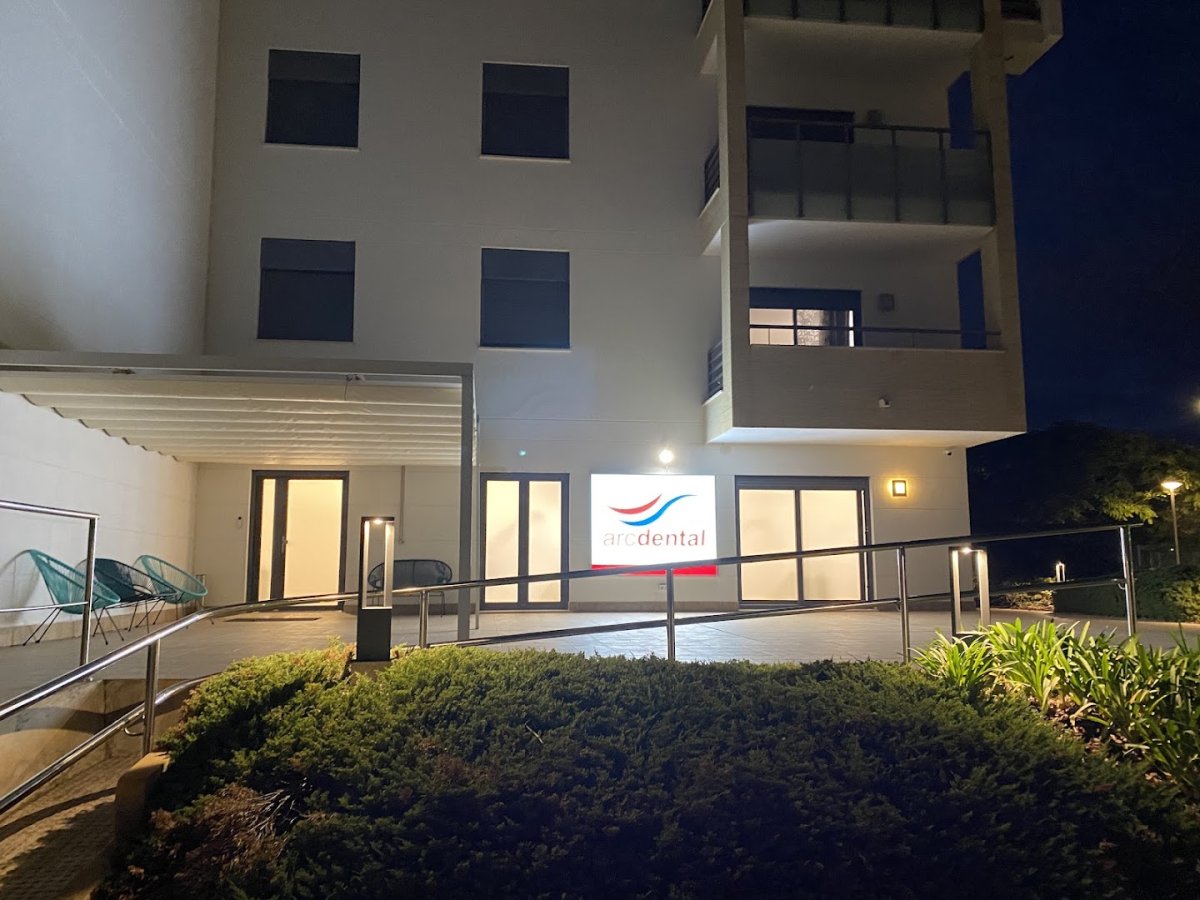
clinic Dental Ciutat Vella
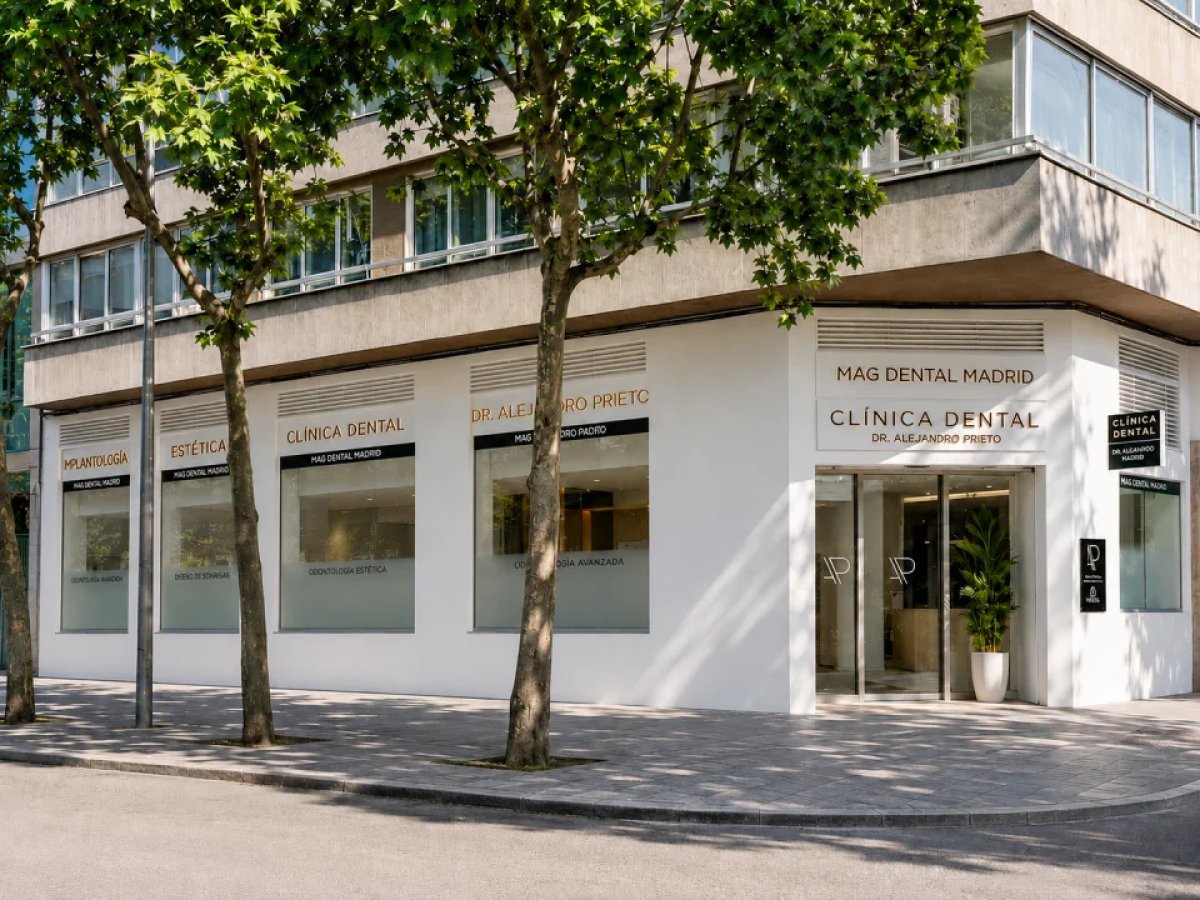
Clínicas Udemax
Immediate load dental implant Overview in Spain
- Immediate All-on-4 Dental Implants - from $8,200This therapy offers quick full-teeth replacement using 4 implants, reducing healing time and surgical procedures.
- Immediate Load All-on-6 dental implants - from $11,500The procedure involves placing six implants instantly, securing a full arch of teeth for immediate use.
- Same day All-on-6 dental implants - from $11,500The procedure replaces all teeth in a day using six implants, offering a fast and efficient solution with great aesthetics.
- Immediate load dental implant - from $1,600This therapy replaces missing teeth instantly, offering immediate results, less discomfort, and a natural look.
Day 1
- Arrival in the country.
- Transfer to the 4* Hotel.
- Rest and acclimatization.
Day 2
- Consultation with the dental specialist.
- Undergoing necessary medical tests.
Day 3
- Results of medical tests reviewed.
- Additional procedures if necessary.
Day 4
- Immediate load dental implant procedure.
- Procedure lasts 2-3 hours under local anesthesia.
Day 5
- Post-operative check-up.
- Patient can leave the clinic after a few hours.
Week 1
- Initial healing period.
- Soft diet and oral hygiene maintenance.
Week 2-3
- Follow-up check-ups.
- Gradual return to normal diet.
Week 4
- Final check-up before departure.
- Return to work and regular activities.
Please note, each case is individual and specific details may vary.
- Bookimed deposit: $200 or €200.
- Clinic deposit: Pay a set percentage in advance.
Our Doctors
View all Doctors
Dr Alaa Ghuzlan
Dr. Alaa Ghuzlan is a dental implantology specialist at Clínica Dental Raíces in Tenerife. She holds a specialty degree in implantology from the University of Barcelona. Dr. Ghuzlan has treated thousands of patients across multiple countries. She focuses on restorative and cosmetic procedures to improve patient smiles.
- Specializes in All-on-4, All-on-6, and zygomatic dental implants.
- Uses 3D intraoral scanners and 3D radiology for precise treatment planning.
- Performs aesthetic smile makeovers including Emax and zirconia veneers.
- Works at a specialized boutique clinic that serves over 1,000 adult patients annually.
Alejandro Prieto
Alejandro García Grimaldi
Pablo Sada García-Lomas
Video Stories from Bookimed Patients
Reviews about Bookimed: Discover Patients' Insights
All reviewsShare this content
 Anna Leonova

FAQ about Immediate load dental implant in Spain
What makes immediate load implants different from traditional implants?
Immediate load implants differ from traditional implants by allowing a temporary functional crown or prosthesis placement within 24 hours of surgery. Traditional methods require a 3 to 6 month healing period before attaching any restoration. Success depends on achieving high insertion torque for stability.
- Treatment timeline: Procedures like All-on-4 or All-on-6 are often completed in one surgical appointment.
- Bone requirements: High primary stability is essential for immediate loading to ensure successful bone integration.
- Restoration phase: Patients wear a temporary bridge or crown for 4 to 6 months.
- Specialized techniques: Options include zygomatic or subperiosteal implants for patients with specific bone needs.
Bookimed Expert Insight: Data from Spanish clinics like Clinica Dental Raices shows a Shift toward digital planning to raise success rates. While traditional implants remain the standard for poor bone quality, using 3D intraoral scanners and radiology allows specialists like Dr. Alaa Ghuzlan to perform immediate loading even in complex cases by precisely mapping bone density before the first incision.
Patient Consensus: Many patients appreciate avoiding gaps in their smile during the healing phase. However, many emphasize that temporary prostheses feel delicate and require gentle care until final integration.
Is it safe to get immediate implants in Spain?
Immediate load dental implants in Spain are safe and highly predictable when performed at JCI-accredited facilities. Specialized clinics use 3D intraoral scanning and computer-guided surgery. These advanced digital tools ensure precise placement. Local surgeons often hold advanced certifications from the University of Barcelona.
- Safety technology: Surgeons use 3D radiology and intraoral scanners to ensure precise placement.
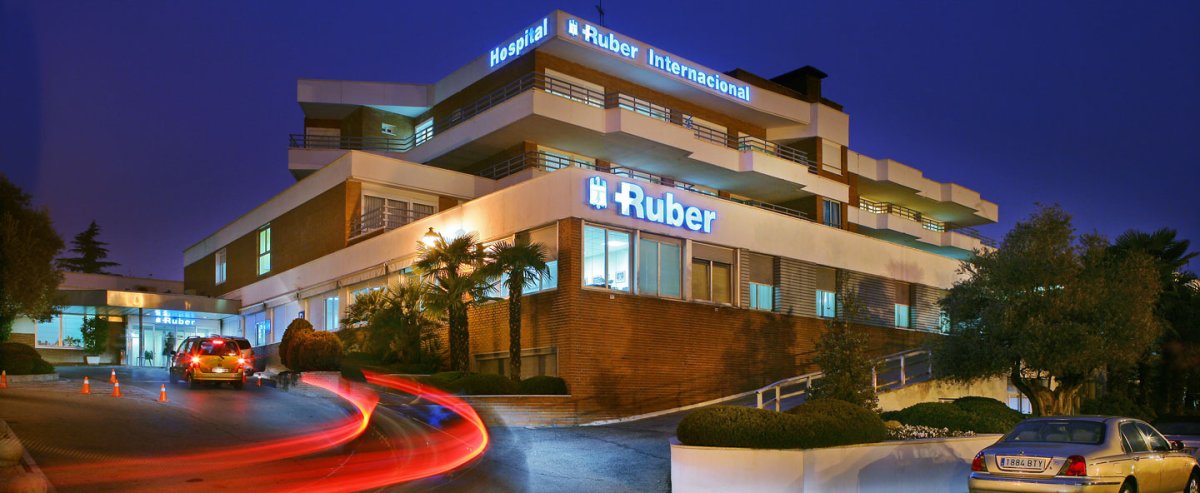
- Clinical standards: Top hospitals like Hospital Ruber Internacional maintain JCI and ISO certifications.
- Success factors: Proper bone density and healing capability are essential for same-day success.
- Provider expertise: Specialists like Dr. Alaa Ghuzlan perform advanced procedures including Zygomatic implants.
Bookimed Expert Insight: While costs for immediate implants range from $1,600 to $3,500, safety depends on long-term maintainability. Clinica Dental Raices and other Spanish centers serve diverse international patients. Always request your specific implant brand and model. This ensures your local dentist can source parts for future adjustments.
Patient Consensus: Many find immediate results life-changing but emphasize the need for a backup plan. Confirm your local dentist will manage follow-up care for implants placed abroad.
Can anyone get teeth in a day?
Teeth in a day is an advanced dental protocol for healthy patients with high jawbone density. While ideal for those with failing teeth, it is not for everyone. Success depends on achieving specific initial torque during surgery to support immediate loading protocols.
- Bone density requirements: Sufficient volume must exist to stabilize implants during the initial healing phase.
- Health contraindications: Uncontrolled diabetes or heavy smoking significantly increases risks of implant failure.
- Advanced alternatives: Zygomatic or subperiosteal implants provide solutions for patients with severe bone loss.
- Prosthetic timeline: Same-day teeth are functional temporaries; final prosthetics require 4 to 6 months.
Bookimed Expert Insight: While many clinics market 24-hour results, Spanish centers like Clinica Dental Raices often employ a 48-hour protocol. This short delay allows 3D radiology and intraoral scanners to produce a more precise temporary arch. Choosing a 2-day window over 1 day typically results in a better prosthetic fit and fewer adjustments.
Patient Consensus: Many patients warns that teeth in a day refers to temporary teeth. You must still follow a soft-food diet for months until the implants fully fuse with the bone.
What happens if I don't have enough bone?
Insufficient jawbone leads to bone resorption, where the body absorbs unused bone tissue. This structural loss causes facial sagging and makes standard implants unstable. In Spain, surgeons utilize advanced techniques like zygomatic or subperiosteal implants and bone regeneration to restore functionality for immediate loading.
- Bone resorption: Jawbone can lose 25% width within months without tooth root stimulation.
- Structural changes: Shrunken jawbones provide less support, leading to a prematurely aged appearance.
- Advanced alternatives: Zygomatic implants bypass weak jawbone by anchoring into the cheekbones.
- Bone regeneration: Sinus lifting or grafting creates necessary density for secure implant fusion.
Bookimed Expert Insight: Spain’s top clinics like Hospital Ruber Internacional use 3D radiology to verify the 32–50 Ncm insertion torque required for immediate loading. If your bone density is rated D3 or D4, specialist surgeons like Dr. Alaa Ghuzlan often shift from standard screws to tilted implants. This strategy avoids the need for six-month grafting delays while maintaining high success rates.
Patient Consensus: Patients emphasize the importance of 3D CT scans to confirm bone volume before traveling abroad. Insufficient initial stability often requires switching from immediate to delayed loading to ensure the implant integrates properly.
How long does the entire process take?
Immediate load dental implants in Spain provide a temporary smile within 24 to 48 hours. The total clinical process requires 3 to 4 months for full osseointegration. This timeline includes two distinct visits to JCI-accredited facilities or specialized clinics like Clinica Dental Raices in Tenerife.
- Initial surgery: Implants and temporary crowns are placed within 24 to 48 hours.
- Osseointegration period: Bone integration typically requires a waiting period of 3 to 4 months.
- Final restoration: Permanent crown placement occurs during a second visit after bone healing.
- Extended timelines: Bone grafting or sinus lifting adds 3 to 4 months to recovery.
Bookimed Expert Insight: While many seek same-day results, biological healing is non-negotiable for long-term success. Data shows specialists like Dr. Alaa Ghuzlan prioritize torque stability during the initial 48-hour window. If stability is low, forcing immediate loading increases failure risks, so always plan for two separate trips.
Patient Consensus: Most patients appreciate leaving the clinic with a functional temporary tooth. However, they emphasize that restricting biting forces during the 4-month integration phase is crucial to prevent loosening.
What can I eat immediately after the procedure?
Immediately after receiving immediate load dental implants in Spain, consume only clear, room-temperature liquids or very soft foods. Patients must avoid chewing directly on the implant site and prioritize non-chew options like yogurt or blended soups to ensure primary stability while the titanium integrates with the jawbone.
- Immediate options: Consume room-temperature broth, apple juice, or gelatin for the first few hours.
- Soft proteins: Eat scrambled eggs, Greek yogurt, or lukewarm mashed potatoes to support tissue healing.
- Avoid suction: Do not use straws to prevent disrupting blood clots or implant placement.
- Temperature control: Stick to cold or room-temperature items like vanilla ice cream to minimize swelling.
Bookimed Expert Insight: While these implants are called immediate load, the prosthetic is temporary. Spanish clinics like Clinica Dental Raices often use 3D intraoral scanning to ensure the bite is perfectly balanced. This prevents accidental pressure on the implant when you swallow soft foods like pudding or oatmeal during the first 3 days.
Patient Consensus: Many suggest preparing blended soups and smoothies before the surgery. They emphasize avoiding spicy or acidic foods like tomato soup to prevent stinging at the surgical site.
How do I prepare for the trip?
Preparing for immediate load dental implants in Spain requires coordinating digital diagnostics and recovery logistics. Patients should secure recent local 3D radiology scans to share with specialists like Dr. Alaa Ghuzlan at Clinica Dental Raices. Plan a 10-day stay to ensure implant stability before flying.
- Travel timeline: Allow 7–10 days post-surgery for stability before boarding international flights.
- Digital diagnostics: Send local 2D or 3D radiology scans to clinics for accurate cost estimates.
- Recovery supplies: Pack a variable-power water flosser and plan a soft-food diet for initial healing.
- Financial planning: Bring the estimated procedure cost in cash or cashier's check plus emergency buffers.
Bookimed Expert Insight: Spain’s top-tier facilities often combine luxury hospitality with clinical excellence. For example, Hospital Ruber Internacional in Madrid holds JCI accreditation and operates like a high-end hotel with 15 luxury suites. Booking here provides hospital-grade safety with the comfort needed for the critical 72-hour post-op window.
Patient Consensus: Many suggest bringing a local dentist's X-ray to avoid unexpected intake fees in Spain. Patients also recommend sticking to bland, soft foods like mashed potatoes to prevent irritation of the new restoration.