Lumineer in Spain — Get 3 Top Clinic Matches with Costs


Medically reviewed by
Fahad Mawlood
How Much Does Lumineer Cost in Spain?
The cost of Lumineers in Spain typically ranges from $700 to $1,200. Prices vary depending on the number of teeth treated, the clinic’s location, and the dentist’s experience. In the United States, the average cost is $5,900 (per ADA). This means Lumineers in Spain are about 84% less expensive than in the U.S.
Spanish clinics usually include the initial consultation, digital smile design, tooth preparation (if needed), custom Lumineer fabrication, and placement. Follow-up visits may also be part of the package. In the U.S., prices often cover only the veneers, with separate charges for consultations, x-rays, and adjustments. Always confirm what’s included with your chosen clinic.
Your Benefits and Guarantees with Bookimed
Transparent Prices & Flexible Installments
No hidden fees – just official clinic prices. Pay at the clinic for Lumineer upon arrival and use a flexible installment plan if needed.
Verified Clinics & Doctors Only
Bookimed is committed to your safety. We only work with medical institutions that maintain high international standards in Lumineer and have the necessary licenses to serve international patients worldwide.
Free 24/7 Assistance
Bookimed offers free expert assistance. A personal medical coordinator supports you before, during, and after your treatment, solving any issues. You're never alone on your Lumineer journey.

Your personal Bookimed medical coordinator
- Supports you at every stage
- Helps choose the right clinic and doctor
- Ensures quick and convenient access to information
Discover the Best Lumineer Clinics in Spain: 2 Verified Options and Prices



Clínicas Udemax
Lumineer Overview in Spain
- Porcelain Veneer - from $500The procedure is a dental treatment employing thin ceramic layers to enhance smile aesthetics and protect teeth.
- Composite Veneer - from $810The procedure uses resin layers for tooth enhancement, offering quick, reversible, and affordable dental aesthetics improvement.
- Veneers - from $500This procedure involves attaching thin porcelain shells to the front of teeth to enhance appearance and symmetry.
Day 1
- Arrival in the country and VIP transfer to the hotel.
- Check-in to a 4-star hotel for relaxation and rest.
Day 2
- Initial consultation with the dental specialist at the clinic.
- Perform oral examination and X-rays if needed.
- Discuss the Lumineers procedure, expectations, and results.
Day 3
- Start of Lumineers procedure: dental impression is taken.
- Impression sent to the lab for Lumineers fabrication.
Day 4
- Rest day, explore the city or relax at the hotel.
Day 5
- Second visit to the clinic for Lumineers fitting.
- Minor adjustments made if necessary.
Day 6
- Final consultation to ensure satisfaction with the Lumineers.
- Provided instructions for Lumineers care and maintenance.
Day 7
- Check-out from the hotel and VIP transfer to the airport.
- Departure from the country.
Please note, the timeline and process may vary depending on individual cases and the clinic"s schedule.
- Bookimed deposit: $200 or €200.
- Clinic deposit: Pay a set percentage in advance.
Video Stories from Bookimed Patients
Reviews about Bookimed: Discover Patients' Insights
All reviewsShare this content
 Anna Leonova

Fast Facts about Lumineer
Lumineer
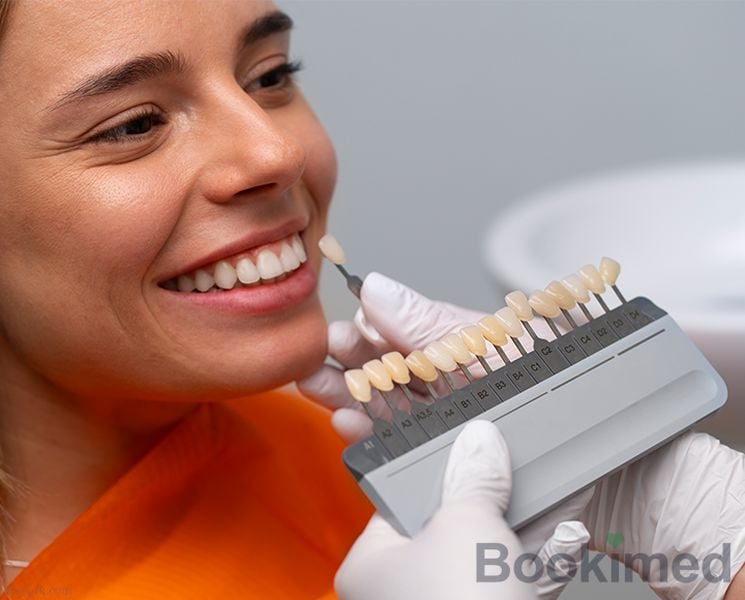
Thin dental shells designed for cosmetic dentistry, enhancing the appearance of teeth with minimal preparation.
FAQ about Lumineer in Spain
How long do Lumineers last?
Lumineers typically last between 10 and 20 years. These ultra-thin 0.2 mm ceramic shells offer durability comparable to traditional veneers. Their longevity depends on specialized adhesive bonding, high-quality material composition, and diligent preventive care by the patient to avoid structural damage.
- Material thickness: Ultra-thin 0.2 mm ceramic resists wear effectively.
- Clinical lifespan: Many patients achieve over 20 years with maintenance.
- Failure causes: Most issues stem from micro-leakage or cement chipping.
- Protective measures: Nightguards prevent damage for patients who grind teeth.
Bookimed Expert Insight: Spain ranks 9th globally for medical tourism quality. High-end Madrid facilities like Hospital Ruber Internacional utilize JCI-accredited safety standards. Our data shows patients prioritize these credentials. Choosing such centers often prevents the early failures seen in lower-tier clinics.
Patient Consensus: Patients emphasize that success requires a lifestyle shift. Avoiding hard foods and maintaininig biannual dental visits ensures the ceramic remains intact for decades.
Is the Lumineer procedure painful?
Lumineers are generally painless and non-invasive because they require minimal to no tooth preparation. Unlike traditional veneers, these ultra-thin shells often involve zero grinding of natural enamel. Patients typically experience a comfortable procedure without the need for needles, shots, or anesthesia throughout the process.
- Minimal preparation: Only 0.2 mm or no tooth structure is removed.
- Anesthesia options: Clinics may provide local anesthesia or nitrous oxide for comfort.
- Sensitivity management: The lack of enamel shaving prevents post-procedure tooth sensitivity.
- Cementing stage: Some brief pressure occurs when clearing excess bonding during flossing.
Bookimed Expert Insight: Spain hosts 83 clinics offering advanced aesthetic dentistry, where JCI-accredited facilities like Hospital Ruber Internacional lead in patient safety. While the procedure itself is painless, ensure your dentist confirms no-prep techniques. Poorly fitted Lumineers from inexperienced providers can lead to preventable jaw tension or discomfort.
Patient Consensus: Most patients describe the experience as relaxing and far superior to traditional veneers. Some note temporary pressure during the final flossing stage but report feeling no actual pain.
How many visits are needed to complete Lumineers placement?
Completing Lumineers placement in Spain generally requires 2 distinct dental visits. This process moves faster than traditional veneers because Lumineers need little to no tooth reduction. Patients avoid temporary veneers entirely while waiting for custom laboratory fabrication between the 2 scheduled appointments.
- First visit: Dentist takes high-precision impressions to create custom-fit, ultra-thin porcelain shells.
- Laboratory fabrication: Specialized labs craft your custom Lumineers over approximately 2 weeks.
- Second visit: Doctor bonds permanent Lumineers to existing teeth in about 1 hour.
- Optional follow-up: Third visits may occur for minor comfort adjustments or bite alignment.
Bookimed Expert Insight: Spanish clinics like Hospital Ruber Internacional combine JCI-accredited safety with efficient workflows. While the bonding takes 1 hour, the 2-week lab wait is fixed. Smart travelers schedule these visits around a 14-day Spanish holiday. This avoids multiple flights while ensuring the final fit is perfect.
Patient Consensus: Patients value the speed of this no-prep approach compared to implants. Most recommend bringing photos of your ideal smile to the first visit to ensure the laboratory results meet your aesthetic goals.
Are Lumineers better than traditional veneers?
Lumineers are better if you prioritize reversible, non-invasive procedures with no enamel removal. Traditional veneers are superior for durability and masking deep stains. In Spain, Lumineers cost $700 to $1,200, offering 84% savings compared to US prices of $5,900.
- Enamel preservation: Lumineers require no drilling, making the process reversible.
- Restorative lifespan: Traditional porcelain veneers last 15-25 years, outliving Lumineers.
- Biocompatible thickness: Ultra-thin 0.2mm Lumineers fit specific teeth with large gaps.
- Aesthetic control: Traditional veneers provide better color masking for dark stains.
Bookimed Expert Insight: While patients often request Lumineers to avoid drilling, our data shows most European clinics favor traditional porcelain. At facilities like Hospital Ruber Internacional, specialists focus on long-term gum health. Traditional veneers are usually recommended over Lumineers to prevent plaque-trapping margins.
Patient Consensus: Many feel traditional veneers look more natural and stay stronger over time. Some patients found that Lumineers appeared slightly bulky if not perfectly fitted to their teeth.
Where in Spain can I obtain Lumineers?
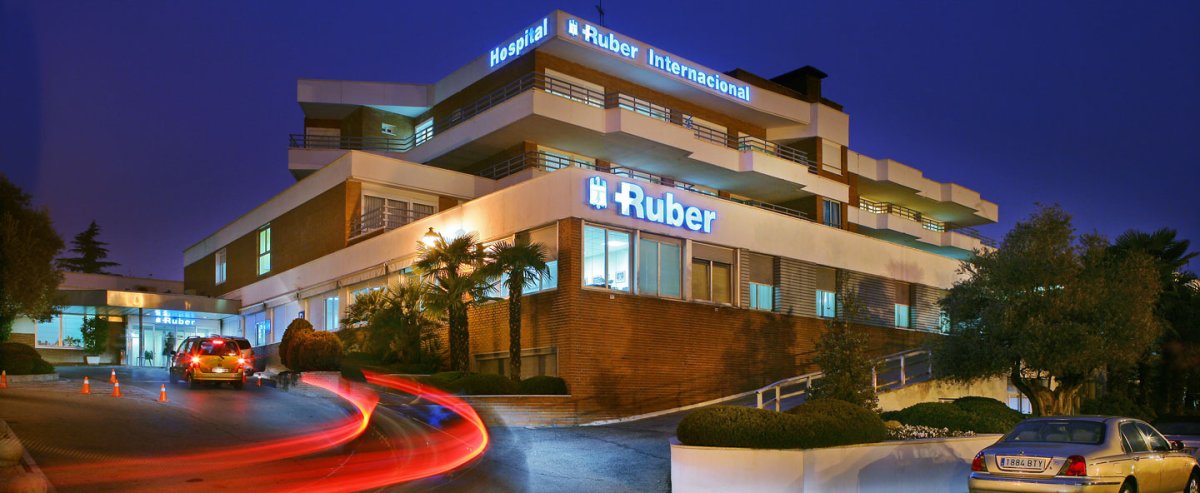
You can obtain Lumineers in Spain at specialized dental centers in Madrid, Barcelona, Alicante, and Malaga. Major hubs like Hospital Ruber Internacional in Madrid offer advanced cosmetic dentistry. Certified clinics providing these ultra-thin, minimal-prep veneers typically cluster in high-demand coastal regions and metropolitan business districts.
- Madrid providers: Hospital Ruber Internacional delivers JCI-accredited care with premium aesthetic dental services.
- Barcelona hubs: Abaden Dentistas operates multiple locations specializing in high-end cosmetic smile restorations.
- Coastal clinics: Zenit Clinic in Alicante focuses on smile makeovers for international patients.
- Andalusia options: Clinica Cuevas in Malaga serves overseas patients seeking minimal-prep veneer techniques.
Bookimed Expert Insight: Spain’s dental market is highly fragmented with over 80 major clinics. Our data showing 93,000 annual consultations at top centers like Ruber Internacional suggests high patient trust. Many Spanish clinics combine ISO-certified quality with costs starting at $700, which is significantly lower than US averages.
Patient Consensus: Patients emphasize verifying the dental product brand directly through the official Lumineers website. They suggest specifically searching for certified practitioners in larger cities like Valencia or Madrid to ensure authentic materials.