Male Breast Augmentation in Spain — Get 3 Top Clinic Matches with Costs

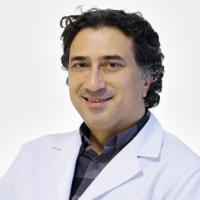
Medically reviewed by
Ergin Er
How Much Does Male Breast Augmentation Cost in Spain?
Male breast augmentation in Spain costs from $5,300 to $8,200. Final pricing depends on the surgical technique, implant brand, and clinic location. Patients save around 41% compared to the US, where the average price is $9,000. Most Spanish clinics provide inclusions like surgical fees, silicone implants, and follow-up consultations.
- Pectoral implants: $5,000 to $7,000 for solid silicone chest contouring.
- Fat transfer augmentation: Often starts around 15% higher than implants due to liposuction.
- City variations: Prices in Madrid can exceed $11,000 for specialized private institutional care.
- Regional options: Hubs like Alicante and Marbella typically offer more competitive starting rates.
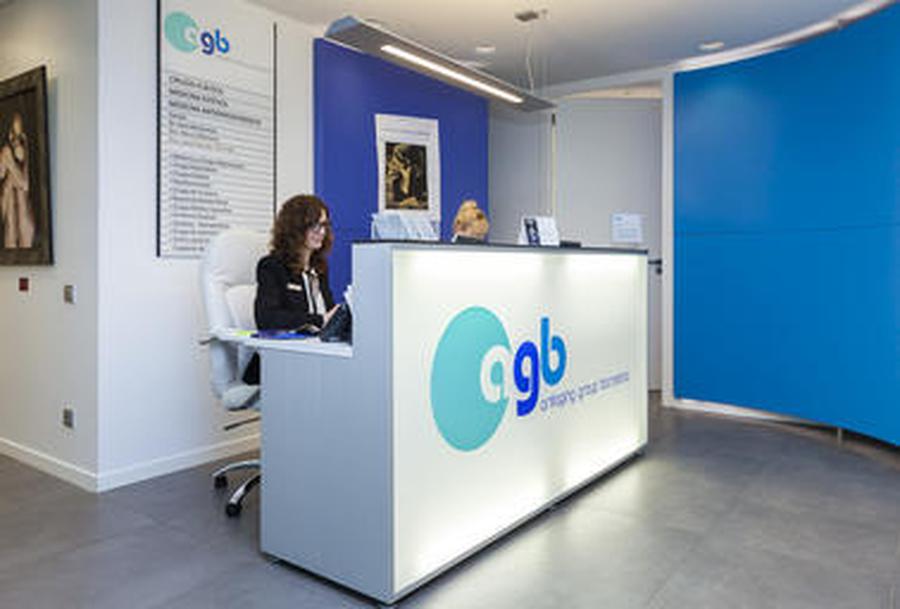
Bookimed Expert Insight: Choosing clinics in Barcelona or Madrid ensures access to top-tier expertise. Dr. José Luis Martín Del Yerro Coca at Quironsalud Madrid holds SECPRE and EBOPRAS certifications. Antiaging Group Barcelona also maintains ASPS accreditation, appealing to international patients. While premium centers in these hubs may charge more, they offer high safety standards. This balance of cost and certification makes Spain a premier destination for body contouring.
| Spain | Turkey | The USA | |
|---|---|---|---|
| Male Breast Augmentation | ≈ $5,300 | from $2,500 | from $6,000 |
| Pectoral Implants | from $5,000 | from $2,400 | from $6,000 |
Your Benefits and Guarantees with Bookimed
Transparent Prices & Flexible Installments
No hidden fees – just official clinic prices. Pay at the clinic for Male Breast Augmentation upon arrival and use a flexible installment plan if needed.
Verified Clinics & Doctors Only
Bookimed is committed to your safety. We only work with medical institutions that maintain high international standards in Male Breast Augmentation and have the necessary licenses to serve international patients worldwide.
Free 24/7 Assistance
Bookimed offers free expert assistance. A personal medical coordinator supports you before, during, and after your treatment, solving any issues. You're never alone on your Male Breast Augmentation journey.

Your personal Bookimed medical coordinator
- Supports you at every stage
- Helps choose the right clinic and doctor
- Ensures quick and convenient access to information
Discover the Best Male Breast Augmentation Clinics in Spain: 3 Verified Options and Prices



Male Breast Augmentation Overview in Spain
- Pectoral Implants - from $5,000This operation enhances the chest area"s size and shape with synthetic materials, offering men a more muscular look.
Day 1
- Arrival in the country and VIP transfer to the hotel.
- Check-in at a 5* hotel for comfortable accommodation.
- Initial consultation with the doctor and medical tests.
Day 2
- Pre-operative tests such as EKG, blood tests, mammogram.
- Meeting with anesthesiologist to discuss anesthesia type.
Day 3
- Undergoing Male Breast Augmentation surgery, lasting 1-2 hours.
- Resting in a recovery room under medical supervision.
Day 4
- Post-operative checkup and wound dressing.
- Initial stages of recovery under medical observation.
Week 1
- Follow-up consultations with the doctor and check-ups.
- Staying in the hotel for rest and recovery.
Week 2-3
- Continuing recovery at home with specific care instructions.
- Resuming light activities and non-strenuous jobs.
Week 4-6
- Gradual return to regular activities and work.
- Seeing the final result of the Male Breast Augmentation surgery.
Remember, each patient"s recovery process is individual and might vary.
- Bookimed deposit: $200 or €200.
- Clinic deposit: Pay a set percentage in advance.
Our Doctors
View all Doctors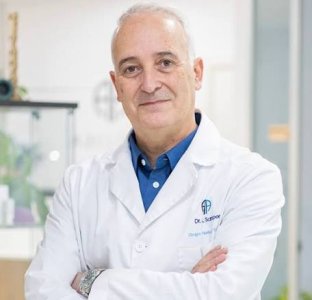
Albert Samper
Dr. Alberto Samper Sugrañes is a plastic, aesthetic and reconstructive surgeon at Centro Médico Teknon in Barcelona. He specialises in facial and body procedures. He offers personalised planning and seeks natural results.
He led the plastic surgery team at Hospital Universitari Quirón-Dexeus from 2003 to 2021. He now works at Centro Médico Teknon (since Nov 2025), Quirónsalud Ciudad Real (since May 2026) and Quirónsalud Clideba (since Feb 2026).
He trained in Plastic, Reconstructive and Aesthetic Surgery at Clínica Universidad de Navarra. He is a full member of SECPRE and a member of the AAAS. He has written many articles and books. He has given hundreds of lectures. His expertise includes facelift and neck lift, blepharoplasty, breast and body contouring, post-bariatric and reconstructive surgery, and lipofilling. He also uses 3D planning and simulation and ultrasound-assisted assessment.

José Luis Martín Del Yerro Coca
Specializes in male breast augmentation with extensive experience in reconstructive and aesthetic plastic surgery at Quironsalud Madrid.
- Former Secretary General of the Spanish Society of Reconstructive and Aesthetic Plastic Surgery
- Director of international symposia on breast reconstruction
- Member of the European Board of Plastic Reconstructive and Aesthetic Surgery
- Published 40+ papers in national and international journals
Video Stories from Bookimed Patients
Reviews about Bookimed: Discover Patients' Insights
All reviewsShare this content
 Anna Leonova

Our Male Breast Augmentation Techniques: What Suits You Best?
When considering Male Breast Augmentation, it’s important to understand the different techniques and which is best suited for you. Here’s a concise comparison of popular options:
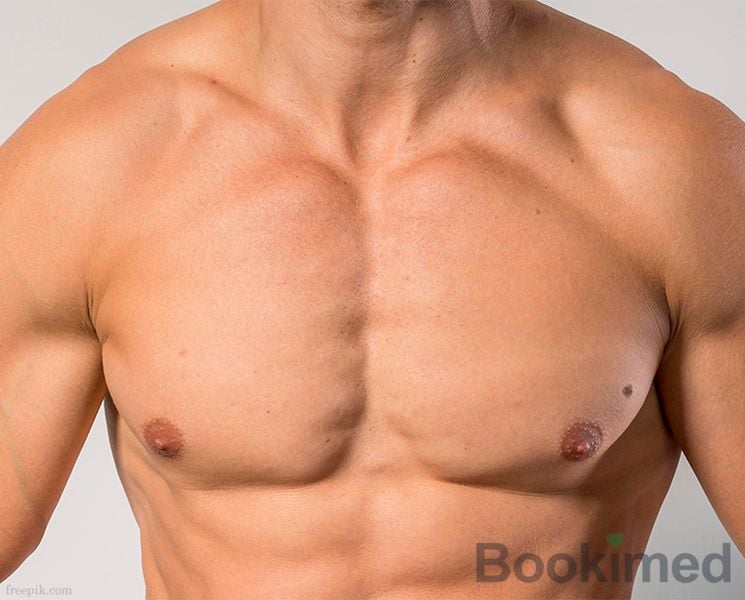
Pectoral Implants
Pectoral implants involve inserting solid silicone implants into the chest area to enhance muscle definition.
FAQ about Male Breast Augmentation in Spain
What is the difference between male breast reduction and pectoral augmentation?
Male breast reduction and pectoral augmentation treat opposite chest concerns. Reduction removes glandular tissue and fat to correct gynecomastia or feminine contours. Augmentation adds volume using solid silicone implants or fat grafting to enhance muscle definition and address underdeveloped pectoral areas in masculine aesthetics.
- Surgical goal: Reduction flattens the chest; augmentation boosts muscle volume for definition.
- Primary techniques: Reduction uses liposuction and excision; augmentation utilizes implants or grafting.
- Implant types: Augmentation requires specialized flat, wide implants rather than standard round shapes.
- Recovery focus: Both require support vests for 6 to 12 weeks during healing.
Bookimed Expert Insight: Spanish surgeons like Dr. Gabriel Planas often combine these techniques for total chest sculpting. While reduction costs between $5,300 and $8,200, adding implants ensures a firm shape. This dual approach prevents a hollow look after removing large amounts of glandular tissue.
Patient Consensus: Many patients emphasize that true gynecomastia involves firm tissue that exercise cannot fix. They stress choosing surgeons who specialize in masculine aesthetics to avoid a feminine post-surgical appearance.
How safe is plastic surgery in Spain?
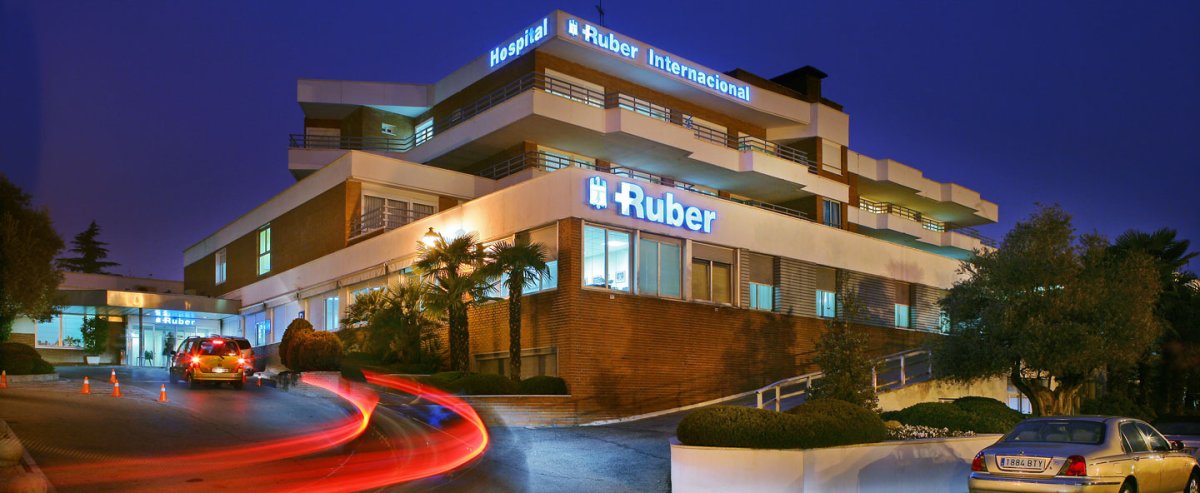
Plastic surgery in Spain is highly safe due to rigorous 2026 regulations that restrict cosmetic procedures to specialized, board-certified surgeons. Patients benefit from advanced medical infrastructure, JCI-accredited hospitals like Hospital Ruber Internacional, and strict European safety protocols that ensure world-class care standards.
- Surgeon certification: Only surgeons with SECPRE or EBOPRAS credentials may legally perform aesthetic procedures.
- Facility standards: Top-tier centers maintain JCI and ISO certifications for infection control and safety.
- Pre-surgical screening: Protocols for breast procedures frequently require mammograms to rule out underlying health issues.
- Emergency readiness: Leading facilities like Hospital Ruber Internacional provide on-site intensive care and emergency management.
Bookimed Expert Insight: While many clinic search results highlight low costs, the highest safety signals in Spain come from hospital-based practices. Elite centers in Madrid and Barcelona, such as those hosting Dr. José Luis Martín Del Yerro Coca, leverage 800-doctor networks and 3-Tesla MRI technology. Choosing a hospital over a standalone private room reduces risks as major facilities have immediate access to multi-specialty support.
Patient Consensus: Patients value the higher healthcare standards in Spain compared to high-volume hubs but emphasize waiting 2–3 months after consultations to ensure a well-researched decision.
What is the recovery timeline for male chest surgery?
Male chest surgery recovery requires 1 week of intensive healing before patients return to light activity. While initial swelling subsides within 3 weeks, complete tissue integration and implant settling typically take 6 months. Most patients resume office-based work within 2 to 3 weeks.
- Acute phase: Expect restricted arm mobility and significant chest tightness for 7 days.
- Activity levels: Resume light daily routines at 3 weeks; avoid strenuous exercise for 6 weeks.
- Post-operative care: Wear a compression garment or specialized strap 24/7 for 6 weeks.
- Weight limits: Restrict lifting to under 10 lbs for 6 weeks to protect incisions.
Bookimed Expert Insight: Spanish clinics like Hospital Ruber Internacional leverage high-tier certifications like JCI and ISO, which often correlate with detailed post-operative protocols. While acute healing is fast, data shows surgeons such as those at Clínica Planas emphasize that implant settling, or the drop and fluff phase, requires a full 3 to 6 months to reach final aesthetic results.
Patient Consensus: Many patients find the first week challenging and recommend having a caregiver assist with getting out of bed. Sleeping in an elevated, semi-seated position is essential during the early stages to manage discomfort and reduce swelling.
What surgical techniques do Spanish clinics use for male chest contouring?
Spanish clinics specialize in male chest contouring using advanced surgical excision of glandular tissue combined with strategic liposuction for edge refinement. Surgeons in Madrid and Barcelona utilize minimally invasive, nearly laparoscopic approaches to ensure masculine pectoral definition while minimizing scarring to sizes comparable to mole removal.
- Glandular excision: Direct removal of firm breast tissue through small periareolar incisions.
- Strategic liposuction: Refines side areas and chest edges to create masculine contour.
- Combined approach: Integrates excision and liposuction for comprehensive tissue and fat removal.
- Minimally invasive: Nearly laparoscopic techniques typically require only 3 small incisions.
Bookimed Expert Insight: Data from top-tier facilities like Hospital Ruber Internacional and Clínica Planas highlights a focus on pectoral sculpting over simple tissue removal. Spanish surgeons often hold prestigious European Board of Plastic Reconstructive and Aesthetic Surgery (EBOPRAS) credentials. This high level of specialization explains why Spanish clinics are preferred for gender-affirming and complex masculinization procedures despite having higher price points than some neighboring regions.
Patient Consensus: Patients emphasize that liposuction alone rarely suffices if glandular tissue is present. Most recommend confirming that the surgeon will perform both excision and fat removal to avoid an unnaturally flat chest.
What is typically included in a Spanish medical tourism package?
Spanish medical tourism packages for male breast augmentation provide surgery-only essentials including surgeon fees, facility costs, and 1 overnight hospital stay. Bundles often feature bilingual assistance to navigate JCI-accredited clinics but rarely include airfare or 5-star hotel accommodations like competitors in other regions.
- Core services: Covered costs include anesthesia, surgical team fees, and 24-hour hospitalization.
- Post-operative care: Packages integrate scheduled follow-ups, typically on day 1 and week 1.
- Logistical support: Major centers like Antiaging Group Barcelona offer airport transfers and interpreters.
- Strategic stays: Clinics recommend 7–14 days in Spain for recovery and aesthetic monitoring.
Bookimed Expert Insight: Spain operates differently than typical medical tourism hubs like Turkey. Most quotes from clinics in Madrid or Barcelona are surgery-only. This means patients must budget separately for local hotels. Always confirm if your clinic, such as Hospital Ruber Internacional, has preferred rates with nearby lodging to manage total trip costs effectively.
Patient Consensus: Expect to manage your own travel and hotel bookings. Experienced patients advise confirming if surgical garments or prescriptions are included to avoid last-minute local pharmacy runs.
Can I travel home immediately after the procedure?
Patients should not travel home immediately after male breast augmentation in Spain. Surgeons generally recommend staying in the area for 7 to 10 days. This period allows implants to settle, ensures initial healing is stable, and permits a critical 1-week follow-up appointment to assess results.
- Travel timeframe: Wait at least 14 days before flying home to ensure wound stability.
- DVT prevention: Avoid long-haul flights shortly after surgery to reduce blood clot risks.
- Follow-up visit: Clinics require a check-up 7 days post-op to remove medical dressings.
- Initial recovery: Plan for 2 weeks in Spain for monitoring and stable healing.
Bookimed Expert Insight: While basic packages in Spain offer lower costs, top-tier centers like Hospital Ruber Internacional in Madrid provide JCI-accredited safety. Choosing clinics that offer free airport transfers, such as Antiaging Group Barcelona, helps manage immediate post-op mobility without needing to drive.
Patient Consensus: Plan a 7 to 10 day stay to monitor for complications. Many recommend arranging a private nurse or specialized recovery accommodation for the first week post-surgery.