Trabeculotomy in Spain — get 3 personalized clinic matches
A trabeculotomy in Spain costs $5,500 to $8,800, about 42% less than the US average of $9,500 (Bookimed data, November 2026). It is offered by Centro Médico Teknon, a JCI-accredited clinic in Barcelona. The clinic is rated 4.7/5 in 498 verified patient reviews on Bookimed.


Medically reviewed by
Fahad Mawlood
How it works
How Much Does Trabeculotomy Cost in Spain?
A trabeculotomy in Spain typically costs from $5,500 to $8,800. Total pricing depends on the surgical technique, the clinic tier, and the surgeon's specialized experience. In the US, similar procedures cost around $9,500 on average. Patients save around 42% compared to the US. Inclusions generally cover pre-operative assessments, anesthesia, the micro-surgical procedure, and standard follow-up visits.
- Laser trabeculoplasty: Often serves as a lower-cost alternative to invasive surgery for managing ocular pressure.
- Combined cataract surgery: Typically increases costs by 20-30% when performed alongside a glaucoma procedure.
- Premium intraocular lenses: May significantly increase the total budget if implanted during combined surgeries.
- Location variation: Major medical hubs for eye care include Barcelona, Madrid, and Pamplona.
Bookimed Expert Insight: Choosing a high-volume center like Centro Médico Teknon in Barcelona offers exceptional value. It is JCI-accredited and a top choice for international celebrities and professional athletes. Their ophthalmology department features world-renowned specialists like Dr. Jordi Mones. Highly experienced surgeons like Dr. Nabil Ragaei Kamel perform over 3,600 surgeries annually. This high volume often ensures refined techniques and predictable outcomes.
| Turkey | Austria | Spain | |
|---|---|---|---|
| Trabeculotomy | from $2,000 | ≈ $3,300 | from $5,500 |
Discover the Best Trabeculotomy Clinics in Spain: 3 Verified Options and Prices















Trabeculotomy Overview in Spain
- Laser trabeculoplasty - from $1,400This therapy uses a laser to enhance eye fluid drainage, treating glaucoma, reducing eye pressure and protecting vision.
- Glaucoma treatment - from $8,800The procedure aims to lower eye pressure, involving medication, lasers or surgery, to prevent optic nerve damage.
- Trabeculotomy - from $5,500The procedure treats glaucoma by unclogging the eye"s drainage system, improving fluid flow and reducing pressure.
Day 1
- Arrive in the country and check into your hotel.
- Rest and prepare for the following day"s procedures.
Day 2
- Visit the clinic for a pre-operative consultation.
- You"ll be consulted by an ophthalmologist and anesthesiologist.
- Medical tests such as eye examination, blood tests will be conducted.
Day 3
- The Trabeculotomy procedure will take place.
- It is typically a 1-2 hour procedure.
- Local anesthesia will be used.
- You"ll spend a few hours in recovery after the operation.
Day 4
- You"ll have a post-operative check-up at the clinic.
- Eye drops will be prescribed to prevent infection and inflammation.
Week 1
- Stay in the country for post-operative observation and follow-ups.
- Limit physical activities to allow the eye to heal.
Week 2-4
- Continue with the prescribed medication and care routine at home.
- Gradually resume work and light activities.
Week 5-8
- Full recovery is usually seen by this period.
- Resume sports and other vigorous activities.
- Final result of Trabeculotomy is noticeable.
Please note that the timeline and process can vary depending on individual circumstances and doctor"s advice.
- Bookimed deposit: $200 or €200.
- Clinic deposit: Pay a set percentage in advance.
Our Doctors
View all Doctors
Ferran Mascaró Zamora
Head of the Orbital and Oculoplastics Department at Teknoftal Institut Oftàlmic – specializes in complex eye surgeries.
- Over 29 years of experience in ophthalmology
- Expert in lens, refractive, and lacrimal duct surgeries
- Published 2 original articles and co-authored 3 books
- Member of Spanish Society of Ocular and Orbital Plastic Surgery

Jordi Mones
Dr. Jordi Mones specializes in advanced macular degeneration and retinal diseases, with a Ph.D. in Medicine and Surgery from Universitat de Barcelona.
- Research Retina Fellowship at Harvard University
- Clinical Retina Fellowship in Mexico
- Member of 12 scientific societies including The Retina Society
- Scientific adviser to the European Association for Vision and Eye Research

Nabil Ragaei Kamel
Performs over 3,600 eye surgeries annually – Dr. Kamel uses all-laser techniques for safer, faster recovery at Quirónsalud Marbella.
- Specializes in laser trabeculotomy and other advanced eye procedures
- Named Physician of the Year in Ophthalmology
- Utilizes cutting-edge technology for precision treatments
- Expert in both cataract and refractive surgeries
Video Stories from Bookimed Patients
Reviews about Bookimed: Discover Patients' Insights
All reviews
Share this content
 Anna Leonova

FAQ about Trabeculotomy in Spain
Is trabeculotomy effective, and what are its risks?
Trabeculotomy is a highly effective surgical procedure for lowering intraocular pressure, showing 60% to 80% success within 5 years. Performed by JCI-accredited specialists in Spain, this glaucoma surgery creates a drainage pathway to preserve vision when laser treatments or eye drops fail to manage ocular tension.
- Primary goal: Lower eye pressure to 10-12 mmHg to prevent further optic nerve damage.
- Common risks: Scarring at the drainage site is the leading cause of procedure failure.
- Surgical complications: Potential risks include cataract acceleration, low pressure (hypotony), bleeding, and ocular infection.
- Visual changes: Patients may experience temporary astigmatism or a permanent need for reading glasses.
Bookimed Expert Insight: Spanish centers like Centro Médico Teknon integrate trabeculotomy into multidisciplinary eye care, often led by surgeons like Dr. Jordi Mones who trained at Harvard. Data shows a preference for this traditional approach over newer MIGS techniques when patients require more reliable, long-term pressure stabilization.
Patient Consensus: Many emphasize that surgical experience is vital for success, as the drainage area needs lifelong monitoring. Most agree that while recovery involves temporary dryness, the stable pressure achieved is worth the investment compared to daily medication.
What if the surgery fails to control eye pressure?
If trabeculotomy fails to control eye pressure, surgeons typically address the localized scarring blocking fluid drainage. Spanish ophthalmologists may perform needle revisions to break down scar tissue, adjust sutures, or switch to alternative laser-based treatments or valve implants to restore proper ocular pressure.
- Needling revision: Surgeons use fine needles to break scar tissue near the drainage site.
- Suture adjustment: Releasing or adjusting tension on permanent sutures can increase fluid outflow.
- Medication restart: Resuming specialized eye drops manages pressure while the surgical site matures.
- Alternative surgery: Procedures like laser trabeculoplasty or tube shunts provide new drainage pathways.
Bookimed Expert Insight: Spanish centers like Centro Médico Teknon or Quirónsalud Marbella often manage complex cases where standard trabeculotomy fails. Dr. Nabil Ragaei Kamel performs 3,600 annual surgeries, meaning high-volume experts can quickly pivot to advanced laser iridotomy or vitrectomy if pressure spikes occur during recovery.
Patient Consensus: Many patients find that scar tissue is a common hurdle, and eye massage or minor needle revisions are often expected follow-up steps. Monitoring for eye pain or sudden vision changes helps identify when a drainage site needs professional adjustment.
How painful is the procedure and recovery?
Trabeculotomy in Spain is typically pain-free during the procedure due to sedation or general anesthesia. Patients generally experience a dull ache or gritty sensation rather than severe pain during the initial recovery. Full stabilization of eye pressure and healing usually requires 3 to 6 months.
- Anesthesia protocol: Surgeons use sedation or general anesthesia to ensure complete comfort during surgery.
- Immediate sensation: Dissolving stitches often cause a gritty, eyelash-in-the-eye feeling for several days.
- Activity limits: Patients must rest for 2 weeks, avoiding driving and all strenuous physical activities.
- Long-term recovery: Complete healing and stable intraocular pressure typically take 3 to 6 months post-surgery.
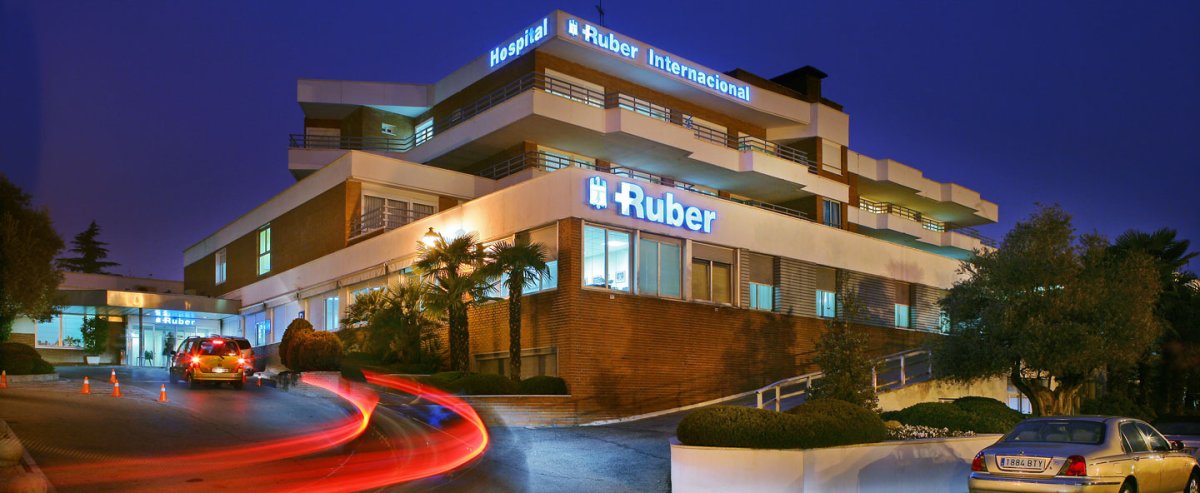
Bookimed Expert Insight: Spanish clinics like Hospital Ruber Internacional and Centro Médico Teknon integrate Joint Commission International standards that focus heavily on postoperative monitoring. Data shows that specialists like Dr. Nabil Ragaei Kamel perform over 3,600 eye surgeries yearly. This high volume often leads to more standardized, predictable recovery protocols for international patients.
Patient Consensus: Patients often describe the feeling as a dull ache with occasional sharp sensations during the first few weeks. Common reports include light sensitivity and itching, which experts manage with specific prescribed drops.
Where are the best clinics for glaucoma surgery in Spain?
The best clinics for glaucoma surgery in Spain include Centro Medico Teknon and Hospital Ruber Internacional, both holding Joint Commission International accreditation. These facilities utilize advanced techniques like trabeculotomy and laser iridotomy to manage intraocular pressure in modern, high-tech environments across Barcelona and Madrid.
- Top surgical centers: Centro Medico Teknon and Clinica Universidad de Navarra are premier rated facilities.
- Expert surgeons: Dr. Jordi Mones at Teknon holds a Ph.D. cum laude in surgery.
- Specialized pediatric care: SJD Barcelona Children Hospital provides essential treatment for congenital glaucoma cases.
- Advanced procedures: Specialists perform trabeculotomy, laser trabeculoplasty, and MIGS using state-of-the-art equipment.
Bookimed Expert Insight: While many seek out Barraquer for its prestige, Centro Medico Teknon offers a unique advantage with Dr. Jordi Mones. His dual expertise in retinal surgery and glaucoma is rare. This combined knowledge is vital for patients whose glaucoma is complicated by other high-risk vision conditions.
Patient Consensus: Patients emphasize that Barraquer Clinic remains the gold standard for complex cases. They also note that standard procedure fees rarely include travel or long-term follow-up care costs.