Treatment of Schizophrenia in Adults in Spain — Get 3 Top Clinic Matches with Costs


Medically reviewed by
Fahad Mawlood
How Much Does Treatment of schizophrenia in adults Cost in Spain?
The cost of schizophrenia treatment for adults in Spain typically ranges from $4,500 to $9,000. Prices vary depending on the clinic, the psychiatrist’s experience, the type of therapy (inpatient, outpatient, or day hospital), and the length of the treatment program. In the United States, the average cost is $23,000 (per NAMI). This means schizophrenia treatment in Spain is about 70% lower than in the U.S.
Spanish clinics generally include psychiatric evaluation, medication management, psychotherapy sessions, and ongoing follow-up. Some programs may cover lab tests and 24/7 nursing care for inpatient stays. In the U.S., many of these services are billed separately—therapy, medication, and hospitalization often add up. Always confirm exactly what’s included in the treatment package at each clinic.
| Turkey | Austria | Spain | |
|---|---|---|---|
| Treatment of schizophrenia in adults | from $24,200 | ≈ $9,500 | ≈ $4,500 |
Your Benefits and Guarantees with Bookimed
Transparent Prices & Flexible Installments
No hidden fees – just official clinic prices. Pay at the clinic for Treatment of schizophrenia in adults upon arrival and use a flexible installment plan if needed.
Verified Clinics & Doctors Only
Bookimed is committed to your safety. We only work with medical institutions that maintain high international standards in Treatment of schizophrenia in adults and have the necessary licenses to serve international patients worldwide.
Free 24/7 Assistance
Bookimed offers free expert assistance. A personal medical coordinator supports you before, during, and after your treatment, solving any issues. You're never alone on your Treatment of schizophrenia in adults journey.

Your personal Bookimed medical coordinator
- Supports you at every stage
- Helps choose the right clinic and doctor
- Ensures quick and convenient access to information
Discover the Best Treatment of schizophrenia in adults Clinics in Spain: 2 Verified Options and Prices




InnerLife Recovery Rehab Spain
Treatment of schizophrenia in adults Overview in Spain
- Psychotherapy - from $350This therapy helps individuals understand feelings, fostering positive change and mental wellness through verbal discussions.
Day 1 - Arrival
- Arrive in the country.
- Transfer from airport to clinic.
Day 2 - Pre-treatment
- Consultation with psychiatrist.
- Undergo necessary medical tests.
- Discuss treatment plan.
Day 3 - Start of Treatment
- Begin medication therapy under supervision.
- Start psychotherapy sessions.
- Monitor reaction to medication.
Day 4 to Day 30 - Continuation of Treatment
- Continue medication therapy.
- Attend psychotherapy sessions.
- Monitoring and adjusting medication as needed.
Day 31 - Post-treatment
- Final consultation with psychiatrist.
- Discuss long-term management plan.
- Transfer from clinic to airport.
Week 1-4 Post-treatment
- Continue medication at home.
- Engage in local psychotherapy sessions.
- Gradually return to work.
Week 5 onwards
- Continue with long-term management plan.
- Resume normal activities.
- See the final result of treatment.
Please note that each patient"s experience and progress may differ. The outlined process is a general guide and may be individualized per patient"s condition and needs.
- Bookimed deposit: $200 or €200.
- Clinic deposit: Pay a set percentage in advance.
Our Doctors
View all Doctors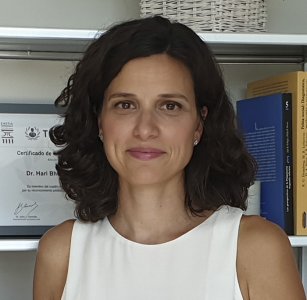
Anna Belmonte
Dra. Anna Belmonte Ibáñez is a specialist in adult psychiatry at Centro Médico Teknon (Barcelona). She is a member of PsiquiaTEK. She has over 10 years of experience in public mental health, outpatient care, and subacute hospitalization.
Accreditations: Degree in Medicine and Surgery (UAB, 1999–2005). Specialist in Psychiatry via MIR (Parc de Salut Mar, 2007–2011). She was Head of Service of the Subacute Psychiatric Hospitalization Unit at CAM (2016–2019). At Teknon since 03/2020.
Clinical scope: anxiety, depression, emotional regulation disorders, severe mental disorders, psychopharmacology, and hospital liaison psychiatry. She collaborates with Teknon’s ISADMU to support patients with inflammatory and systemic autoimmune diseases.
Reviews about Bookimed: Discover Patients' Insights
All reviewsShare this content
Video Stories from Bookimed Patients
 Anna Leonova

FAQ about Treatment of schizophrenia in adults in Spain
How do I access treatment for schizophrenia in Spain?
Access schizophrenia treatment in Spain via a public health card or private clinics. Residents use the Spanish National Health System (SNS) for comprehensive care, including pharmacotherapy and specialized early intervention programs. Private options provide faster access to English-speaking psychiatrists and specialized mental health units.
- Referral process: Visit a local health center (Centro de Salud) for a primary care referral.
- Specialized units: Public centers offer intervention programs like PAE-TPI for incipient psychotic disorders.
- Stabilization phase: Initial diagnosis often requires 3 weeks of hospitalization for clinical medication stabilization.
- Emergency access: Call 112 or visit hospital emergency rooms for immediate psychiatric intervention.
Bookimed Expert Insight: Spain’s public system is excellent for early intervention, often providing weekly sessions that alternate between psychiatrists and therapists. While public wait times for standard therapy are long, specialized units include group therapy and stress management at no cost. Private specialists like Dr. Paula Moreno in Malaga offer faster evaluations and personalized maintenance plans.
Patient Consensus: Patients report that private insurance helps expats skip long waiting lists for medication oversight. Those in early intervention programs value the regular bi-weekly monitoring, which significantly helps in preventing relapse and managing long-term symptoms.
What pharmacological treatments are commonly used for schizophrenia in Spain?
Pharmacological treatment for schizophrenia in Spain centers on atypical antipsychotics including aripiprazole, risperidone, and olanzapine. Spanish psychiatrists prioritize these second-generation medications to manage positive and negative symptoms. This approach minimizes extrapyramidal side effects while ensuring compliance through both oral formulations and long-acting injectable (LAI) options.
- First-line therapy: Oral atypical antipsychotics like paliperidone and quetiapine are standard initial treatments.
- Long-acting injectables: Monthly or quarterly injections improve adherence and significantly reduce relapse risks.
- Refractory cases: Clozapine remains the gold standard for treatment-resistant patients requiring strict hematological monitoring.
- Mood stabilizers: Adjunctive medications like lithium or valproate address severe affective instability or aggression.
Bookimed Expert Insight: Spanish psychiatry emphasizes a dual-diagnosis approach that general protocols often overlook. Expertise from specialists like Dr. Paula Moreno showcases a shift toward personalized multidisciplinary rehabilitation plans. These integrate standard pharmacological stabilization with specific research-backed research protocols for first-episode patients to preserve long-term cognitive function.
Patient Consensus: Patients value the regular psychiatric monitoring and report that while medications manage symptoms, combining them with group therapy is essential. Many emphasize the importance of consistent adherence to avoid involuntary commitment during acute manic episodes.
Who manages my care if I have schizophrenia in Spain?
Schizophrenia care in Spain is managed by multidisciplinary Community Mental Health Teams within the public healthcare system. These regional teams include psychiatrists, clinical psychologists, social workers, and nurses. They coordinate medication, therapy, and social integration through local centers and accredited specialized hospitals.
- Primary coordinators: Community Mental Health Teams provide weekly or bi-weekly psychiatrist and therapist rotations.
- Specialized facilities: Joint Commission International accredited centers like Hospital Ruber Internacional offer advanced psychiatric consultations.
- Local access: General practitioners at primary care centers act as the first referral gatekeeper.
- Regional oversight: Health departments of each Autonomous Community manage localized psychiatric and crisis services.
Bookimed Expert Insight: Spain’s mental health model relies on a rotation system where patients alternate between different specialists. Data shows that doctors like Paula Moreno emphasize research into first-episode schizophrenia. This focus suggests that seeking a specialist with research background often leads to more personalized rehabilitation plans.
Patient Consensus: Patients emphasize that while basic care is free for residents, foreigners should verify insurance before arrival. Most find the combination of individual medication management and group therapy essential for long-term stability.
Are psychological therapies used alongside medication for schizophrenia treatment in Spain?
Psychological therapies are standard components of schizophrenia treatment in Spain, used alongside antipsychotic medications like risperidone or olanzapine. Clinical protocols integrate cognitive behavioral therapy (CBT), psychoeducation, and family intervention within multidisciplinary care plans to improve long-term stability and social reintegration.
- Structured rotation: Patients often alternate weekly between psychiatrist visits for medication and psychotherapy sessions.
- Early intervention: Specialized units focus on young patients through group therapy and psychomotor training.
- Evidence-based methods: Clinics utilize eye movement desensitization and reprocessing (EMDR) to manage trauma-related symptoms.
- Social rehab: Programs frequently include dog therapy, sports, and social skills training for recovery.
Bookimed Expert Insight: Spanish psychiatric care often prioritizes specialized Early Psychosis units over general wards. In centers like Hospital Ruber Internacional, patients benefit from a massive 800-doctor network. This scale allows for highly personalized multidisciplinary plans. Data suggests looking for doctors like Dr. Paula Moreno, who have specific international training in first-episode schizophrenia research.
Patient Consensus: Many find the weekly rotation between doctors and therapists keeps them grounded. They value group sessions that explain medication effects and help build personal relapse prevention plans.