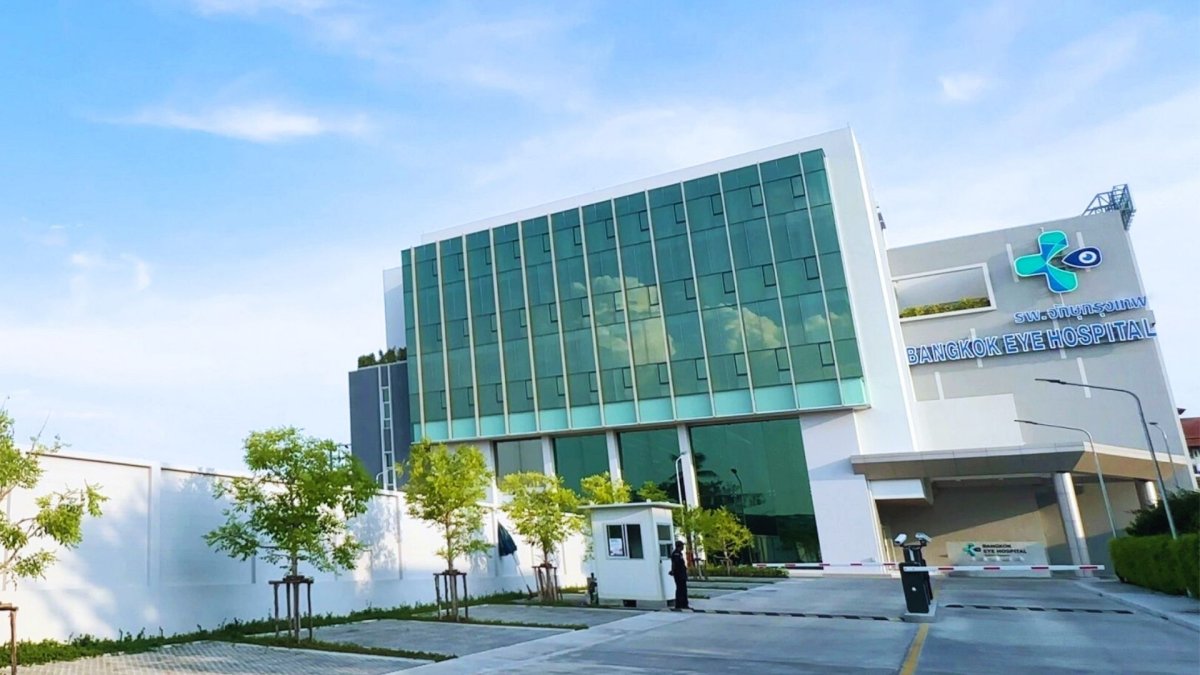
Laser Vision at Bangkok Eye Hospital
Thailand, Bangkok
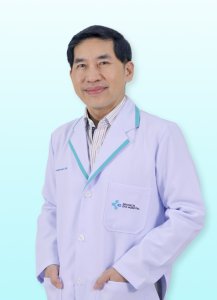
Anun Vongthongsri
31 years of experience
Clinic is certified : 

Bookimed lists 2 keratoplasty clinics in Thailand, all in Bangkok. These clinics are rated 4.6/5 in 131 verified patient reviews on Bookimed.

Last updated: Nov 17, 2026

Medically reviewed by
Fahad Mawlood
Bookimed is free for patients – clinics pay us a commission, and you pay the clinic its own price with no markup. Five steps to your corneal transplant in Thailand:
Tell us about your condition and share your latest scans and medical reports.
Your coordinator finds clinics that match your needs and helps you choose. Your preferred clinics then send personalized treatment plans and quotes for you to compare.
We set treatment dates that work for you and help arrange your flights and accommodation. If needed, we request a visa support letter from the clinic.
The clinic team performs your corneal transplant on the agreed dates. We support you throughout your trip.
You can fly home after a stay of 7–14 days at the clinic, and your result settles over 6–18 months. Your coordinator stays in touch and helps arrange a follow-up if you need one.
Some clinics ask for a deposit. A $200 or €200 deposit paid through Bookimed comes off your clinic bill and is refundable up to 10 calendar days before your visit. A deposit paid to the clinic follows its own terms.
Tell us about your needs — and get 3 tailored offers from top doctors for you.
Do you have any medical records related to your issue?
Direct prices from clinics
Free evaluation of your medical case
Free personal assistance 24/7
Cost and clinics
| Typical keratoplasty price in Thailand | Clinics | Accreditations | Cities | Keratoplasty surgeons | Surgeon experience |
|---|---|---|---|---|---|
| $3,200 / ฿108,800–$4,500 / ฿153,000 | 2 clinics | AACI (1 clinic), ISO (1), JCI (1), GHA (1) | Bangkok (2 clinics) | 7 surgeons | ~86% of surgeons have 10+ years of practice (median 23 years) |
The procedure
| Before the trip | Time in Thailand | Operation time | Anesthesia | Back to desk work | Final result |
|---|---|---|---|---|---|
| Have eye exam, treat eye surface issues, and prepare for anesthesia | 7–14 days, including up to 1 night in hospital | 30–120 minutes | Local sedation | 7–28 days | 6–18 months |
Keratoplasty in Thailand is estimated from $3,200 / ฿108,800 to $4,500 / ฿153,000. The final quote depends on transplant technique, donor tissue sourcing, hospital tier, and location.
| Thailand | Turkey | Austria | |
|---|---|---|---|
| Keratoplasty | ≈ $3,200 / ฿108,800 | from $6,300 / ฿214,200 | ≈ $5,200 / ฿176,800 |
| Clinic Name | Patient Rating | About | Accreditations | Lead Doctor | Techniques |
|---|---|---|---|---|---|
| Laser Vision at Bangkok Eye Hospital Bangkok | 4.7 (1 review) | Laser Vision at Bangkok Eye Hospital holds AACI accreditation and brings over 25 years of specialized experience. The center has performed 100,000+ successful eye procedures since its founding. Assoc. Prof. Dr. Anun Vongthongsri leads the team, having completed a clinical fellowship at Washington University in the USA. Specialists like Dr. Tassanee Sirikul and Dr. Panadda Panyarachun provide full-thickness penetrating keratoplasty using precise trephine techniques. Every patient receives a detailed post-op plan, including anti-inflammatory care and antibiotic drops to support long-term healing. | — | Anun Vongthongsri 31 years | Penetrating keratoplasty (PKP), trephine |
| Bumrungrad International Hospital Bangkok | 4.6 (131 reviews) | Bumrungrad International Hospital specializes in ophthalmology, including Keratoplasty procedures. The facility treats over 1 million patients annually, with half coming from abroad. Dr. Teeravee Hongyok, an ophthalmologist specializing in cornea transplants, leads the Keratoplasty team at this JCI-accredited hospital. | ISO, JCI, GHA | Ophthalmological investigation |
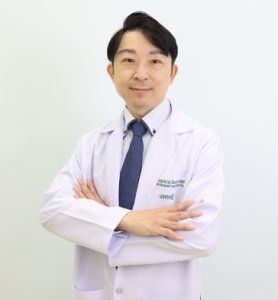
Specialized in cornea and refractive surgery with training at UCLA and Kyoto – Dr. Supalaset brings advanced keratoplasty techniques to Intrarat Hospital.
The first Thai and South East Asia ophthalmologist to complete a fellowship in Cornea, External Disease and Refractive Surgery at Washington University Eye Center.

Dr. Ponpawee Jindarak brings specialized expertise in ophthalmology, trained at one of Thailand's top medical schools.

Dr. Vivat Komolsuradej is a leading expert in refractive error correction surgery with over 37 years of experience. He specializes in advanced corneal procedures at Laser Vision at Bangkok Eye Hospital.
Layer-specific choices for different corneal needs
| Typical price | vs Thailand | |
|---|---|---|
| Thailand (this page) | $3,200 – $4,500 | – |
| US | from $9,500 | +197% |
| Turkey | from $6,300 | +97% |
You can usually fly home after 7–14 days, once a first-week review confirms graft position and pressure and any gas bubble has resolved. Work resumes in 7–28 days, with desk work sooner after inner-cornea grafts (endothelial grafts) and longer recovery after whole-cornea grafts (full-thickness grafts) or manual work. Light exercise may resume earlier, but exercise overall resumes in 4–12 weeks, with contact sports and heavy lifting later, especially after sutured full-thickness grafts. Your final result may take 6–18 months, with endothelial grafts settling faster and sutured grafts needing suture adjustment or removal and refraction before vision stabilises.
Wear your eye shield and use antibiotic and steroid drops. Attend your day-one check. If a gas or air bubble is used, your team may need to reposition the graft.
Your vision improves gradually as steroid drops taper and your team monitors rejection, eye pressure, and graft attachment. Avoid strenuous activity and contact sports while you heal.
Continue regular reviews as sutures may be adjusted or removed over several months. Once your vision is stable, you can be fitted for glasses or contact lenses. Protect your eyes for life.
When to contact your clinic: Contact your clinic promptly if your eye becomes red, your vision turns cloudy or hazy, or you develop eye pain or light sensitivity. For chest pain or sudden breathlessness after a long flight, seek emergency help locally.

 Anna Leonova

Corneal transplant success rates in Thailand are excellent, with one-year graft survival reaching 85% to 95%. Specialized endothelial keratoplasty like DMEK reports survival up to 94.3%. Patients with keratoconus achieve the best outcomes, often seeing five-year success rates between 95.6% and 100%.
Bookimed Expert Insight: Thailand holds a strategic advantage for partial-thickness grafts like DMEK due to a consistent supply of fresh donor tissue. While many regions face long waiting lists, clinics like Laser Vision or Bumrungrad International Hospital maintain high-volume departments. Surgeons like Dr. Sumet Supalaset at Intrarat Hospital bring international training from the USA, Japan, and the UK, which often results in survival rates that match or exceed global benchmarks.
Patient Consensus: Many patients report achieving 95% to 100% visual recovery and emphasize the importance of budgeting for a three-month follow-up stay. This period is critical for early rejection monitoring and managing post-operative hygiene in a tropical climate.
Keratoplasty treatment packages in Thailand typically include the specialized surgeon fees, donor cornea procurement, and the surgical procedure lasting 1 to 2 hours. These bundles generally cover 1 to 3 nights of hospital stay, required anesthesia, operating theater charges, and initial postoperative medications like steroid eye drops.
Bookimed Expert Insight: While base packages starting at $3,200 are highly competitive, top-tier hospitals like Bumrungrad International often provide more comprehensive value by including JCI-accredited safety protocols and multilingual coordinators. International patients should note that while initial medications are included, long-term steroid drops costing approximately $200 are frequently separate add-ons.
Patient Consensus: Patients value the all-in nature of Thai hospital stays but recommend confirming if VIP transfers are bundled. Most appreciate the high level of nursing care provided during the initial 48-hour recovery window.
Keratoplasty types range from full-thickness Penetrating Keratoplasty (PK) to advanced partial-layer transplants like DALK, DSAEK, and DMEK. Modern corneal surgery in Thailand focuses on selective replacement of damaged tissue layers to accelerate visual recovery and significantly decrease graft rejection risks for international patients.
Bookimed Expert Insight: While Penetrating Keratoplasty remains a standard, demand in Thai centers like Bumrungrad International Hospital is shifting toward DMEK. Our data shows patients prioritize surgeons with over 100 successful DMEK procedures. This volume is critical because the ultra-thin graft requires high precision for proper adherence.
Patient Consensus: Patients report that while full-thickness transplants require months of healing, newer partial-layer techniques allow for much faster stabilization. Many emphasize wearing dark glasses for 2 days post-op to manage discomfort from the necessary air bubble.
Recovery after keratoplasty typically requires 6 to 12 months for visual stabilization and up to 2 years for complete healing. Patients usually return to light routines within 2 weeks. However, vision often fluctuates predictably while the eye heals and sutures are gradually removed.
Bookimed Expert Insight: Data from major Bangkok centers like Bumrungrad International Hospital shows a strong focus on advanced lamellar techniques. These partial-thickness transplants significantly reduce recovery time compared to traditional full-thickness surgery. Choosing a clinic with JCI accreditation ensures surgeons follow international protocols. This is vital since rejection risks peak between 3 and 12 months post-op.
Patient Consensus: Patients often reporting needing 9 months to drive confidently. They emphasize that while functional healing happens quickly, vision remains blurry and unstable for nearly a year.
Top hospitals for keratoplasty in Thailand include Bumrungrad International Hospital, Laser Vision at Bangkok Eye Hospital, and Vejthani Hospital. These JCI-accredited facilities offer advanced corneal transplantation techniques like DALK and DMEK. Specialized centers in Bangkok lead Southeast Asia in refractive surgery and complex graft procedures.
Bookimed Expert Insight: While many patients focus on large multidisciplinary hubs like Bumrungrad, specialized boutique clinics like Laser Vision often provide higher doctor-to-patient ratios. Dr. Anun Vongthongsri was the first Thai eye surgeon elected as a clinical fellow at Washington University, highlighting a deep academic pedigree often found in these dedicated eye centers.
Patient Consensus: Patients recommend budgeting 20% extra for follow-up medications and suggest staying near the clinic for at least 2 weeks. Many find the 24/7 nursing support in Bangkok hospitals provides significant peace of mind during early recovery.
International patients undergoing keratoplasty in Thailand should prepare for a stay of 14 to 28 days. This timeframe allows surgeons at facilities like Bumrungrad International Hospital to monitor graft integration and manage initial inflammation. Most specialists require daily check-ups during the first critical week before clearing patients for travel.
Bookimed Expert Insight: While standard protocols suggest 2 weeks, patients at high-volume centers like Laser Vision at Bangkok Eye Hospital often benefit from a 21-day stay. This extended window ensures vision stabilizes enough for the return journey, as surgeons like Dr. Sumet Supalaset often perform complex lamellar techniques (DALK/DMEK) that require precise early-stage observation.
Patient Consensus: Many travelers recommend staying at least 3 weeks to avoid the stress of early complications. They emphasize the importance of having local medical instructions ready for their home ophthalmologist before departure.
The wait for donor tissue for keratoplasty in Thailand typically ranges from 2 to 6 weeks at top-tier private hospitals in Bangkok. While government eye bank queues can last several months, international centers often expedite access through established networks and tissue imports from regional partners.
Bookimed Expert Insight: Data from leading centers like Bumrungrad International Hospital shows that high international patient volumes drive more efficient tissue procurement. While local supply can be tight, these major hubs maintain priority status with regional eye banks. This infrastructure allows surgeons like Dr. Sumet Supalaset to schedule complex transplants far faster than smaller regional clinics.
Patient Consensus: Patients note that while the wait is shorter than in many neighboring countries, clear communication about tissue arrival dates can sometimes be lacking. Many recommend confirming whether the clinic uses local or imported tissue to better estimate the final surgical timeline.
Last review: Nov 17, 2026
Fahad Mawlood — General practitioner. Winner of 4 scientific awards. Served in Western Asia. Former Team Leader of a medical team supporting Arabic-speaking patients. Now responsible for data processing and medical content accuracy.
Ask a Bookimed medical coordinator about prices, clinics, techniques or your case. Write to us in the messenger you already use.
Tap a messenger to open a chat with a Bookimed medical coordinator.
Free and without obligation · Terms of use · Privacy policy