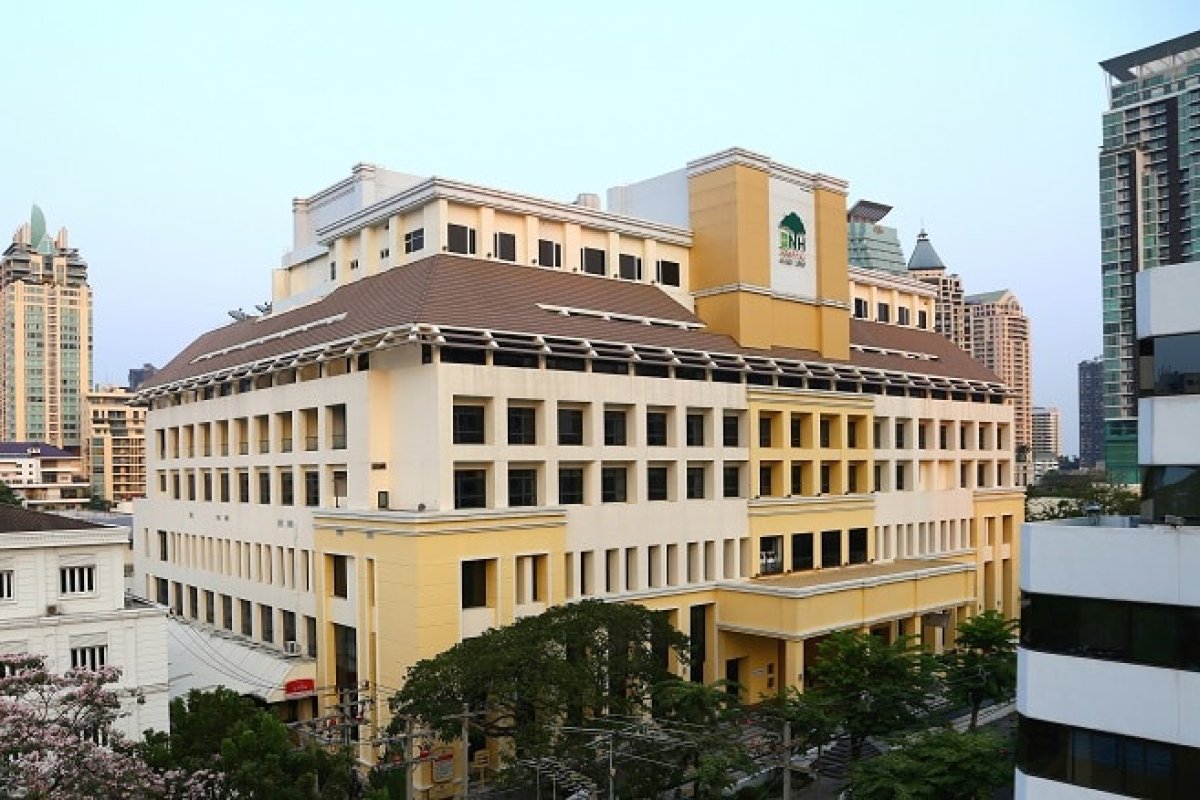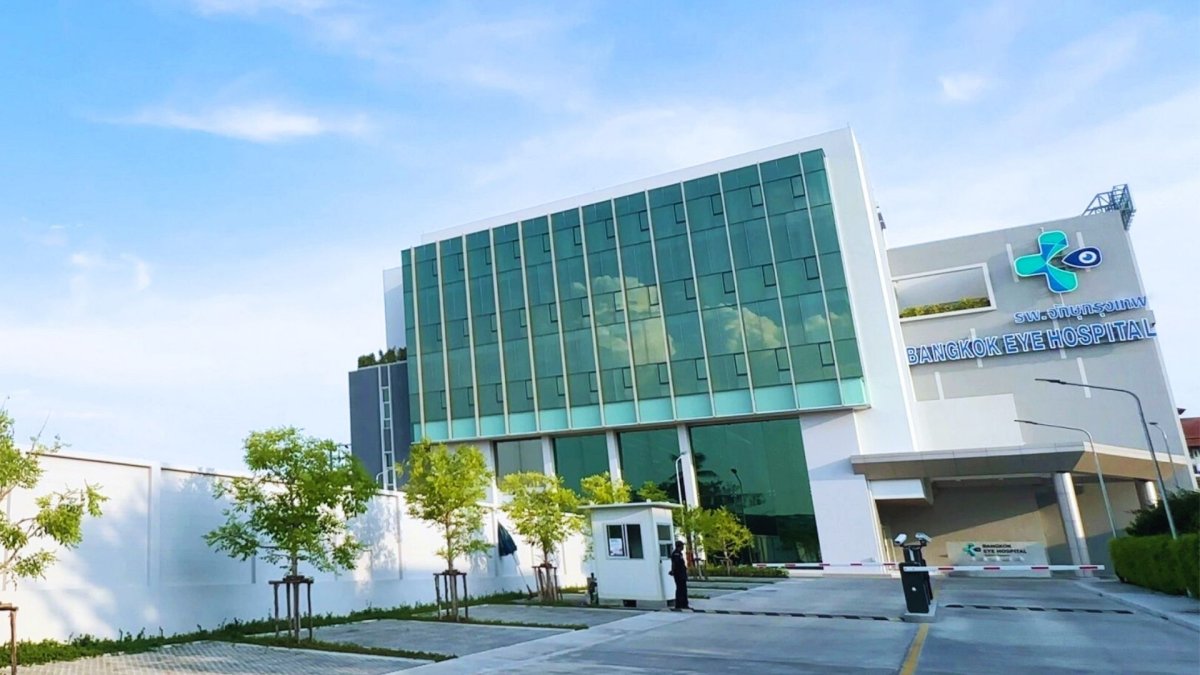
Laser Vision at Bangkok Eye Hospital
Thailand, Bangkok
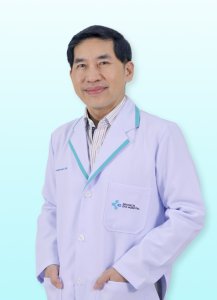
Anun Vongthongsri
31 years of experience
Clinic is certified : 

Last updated: Nov 8, 2026

Medically reviewed by
Fahad Mawlood
Ophthalmoscopy in Thailand typically costs from $74 / ฿2,500 to $110 / ฿3,700. The final price depends on the clinic tier and the technology used.
| Thailand | Turkey | Austria | |
|---|---|---|---|
| Ophthalmoscopy | from $74 / ฿2,500 | from $50 / ฿1,700 | ≈ $80 / ฿2,700 |
| Clinic Name | Patient Rating | About | Accreditations | Lead Doctor | Techniques |
|---|---|---|---|---|---|
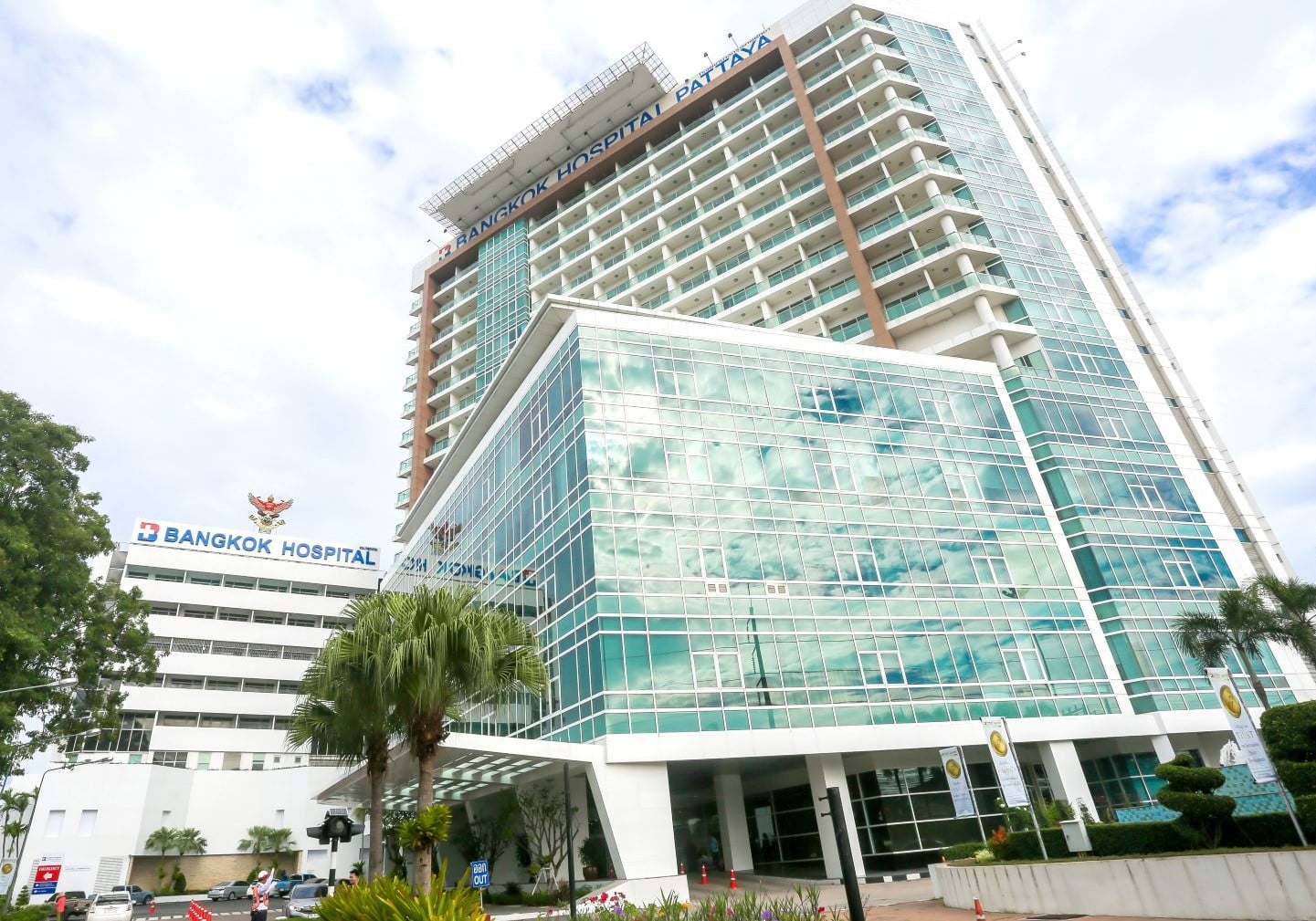
| Laser Vision at Bangkok Eye Hospital Bangkok | 4.7 (1 review) | Laser Vision at Bangkok Eye Hospital holds AACI accreditation and brings over 25 years of ophthalmology experience to every diagnostic workup. An ophthalmologist examines the retina and optic nerve to identify retinal disorders or optic neuritis. The clinic serves as a specialized eye hospital in Bangkok. The procedure typically forms part of a diagnostic session for eye health assessment. Results help clinicians detect early signs of nerve issues. This facility has operated since 1998, focusing exclusively on vision care. | — | Anun Vongthongsri 31 years | Femto LASIK (Femtosecond laser LASIK), Cataract surgery (both eyes) |
| TRSC International Eye and Vision Center Bangkok | 5.0 (3 reviews) | TRSC International Eye and Vision Center is Thailand’s first private LASIK center with over 25 years of expertise. Ophthalmoscopy typically costs around $70–$100 at this Bangkok facility. The procedure involves a detailed examination of the retina and optic nerve. Specialists use eye dilation to ensure thorough visualization of the fundus. The center holds ISO 9001:2015 accreditation for quality management. This diagnostic is performed as a same-day outpatient service by experienced ophthalmologists. | ISO | — | Cataract surgery (both eyes), Cataract surgery (one eye), Ophthalmoscopy |
| Bumrungrad International Hospital Bangkok | 4.6 (131 reviews) | Bumrungrad International Hospital is one of Southeast Asia's largest private medical centers. Over one million patients choose it each year, including a 50% international mix from 190+ countries. Its core specialties include oncology, cardiology, orthopedics, ophthalmology, neurosciences, and health screenings. First hospital in Asia to earn JCI accreditation, plus GHA and DNV-GL infection risk certification. Uses IBM Watson for oncology, a pharmacy robot, and offers ReLEx SMILE laser eye surgery – the only hospital in Thailand to do so. Heart Center provides a 24/7 emergency cardiac intervention program with a 90-minute door-to-balloon time. Orthopedists perform MAKOplasty robotic joint replacement with a 1–3 day recovery, in cooperation with the Dorr Arthritis Institute in the USA. Over 60,000 patients come for health screenings yearly, and the hospital provides 150+ interpreters, a heliport, and a visa extension counter. | ISO, JCI, GHA | — | Cataract surgery with IOL replacement, Transnasal resection of tumor |
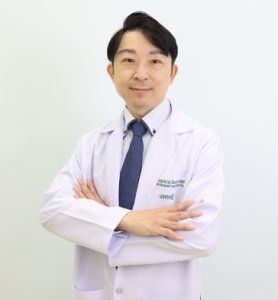
Dr. Sumet Supalaset is an expert ophthalmologist at Intrarat Hospital in Bangkok. He specializes in cornea and refractive surgery. He completed observership training at UCLA. Dr. Supalaset graduated with honors from Chulalongkorn University. He treats complex eye conditions like keratoconus and glaucoma.
Dr. Anun Vongthongsri is a ophthalmologist at Laser Vision at Bangkok Eye Hospital. He is the first Thai doctor certified in refractive surgery. He has performed thousands of LASIK and surface laser procedures. Dr. Vongthongsri specializes in cornea, external disease, and refractive surgery.

Dr. Ponpawee Jindarak is an ophthalmologist at Intrarat Hospital in Bangkok. She completed an international clinical fellowship in glaucoma in the United States. This training took place at the Illinois Eye and Ear Infirmary in Chicago. Dr. Jindarak specializes in diagnosing and treating complex vision conditions and eye diseases.

Dr. Theppachai Thammikasakul is an ophthalmologist at Intrarat Hospital in Bangkok. He completed a fellowship in corneal and refractive surgery at Khon Kaen University. Dr. Thammikasakul focuses on vision correction and complex corneal conditions. He treats patients at an ISO 9001-certified facility that manages 100,000 cases annually.
 Anna Leonova

Visas for travel to Thailand require a number of documents. The necessary papers can be submitted 90 days before the planned departure. The list of documents includes:
Healthcare is the key development sector of the Thai government. The Thai authorities are convinced that care for the citizens' health should be an absolute priority of state policy and spend about 25 billion baht for healthcare annually.
As a result, 36,673 medical facilities provide excellent medical care in the country. 64 centers in the Kingdom have certificate of JCI (Joint Commission International), the international improver of healthcare quality and safety across the globe. The index of certificates obtained is the largest. To compare, Israel has 20 JCI-accredited facilities, and Germany — only 10 clinics of this type.
The main advantage of Thai resorts is the long beach season. On the east coast and west coast the climate features are different, so take it into account when planning the trip. The best time to travel is during the cool and dry season between November and early April. A large influx of tourists is in March-May, when the air temperature is +30°C.
Official name | The Kingdom of Thailand |
Currency | Thai Baht (you also can pay for services in dollars) |
Best period for the trip | November-early April |
Language | Thai (most of medical staff speaks English fluently) |
Visa | is required for a trip of 3-6 months |
Time difference with Europe | 7 hours |
Time difference with the USA | 12 hours |
Capital | Bangkok |
Medical tourism center | Bangkok |
Popular resorts | Koh Samui, Phuket, Chiang Mai, Koh Chang, Hua Hin |
In the Kingdom of Thailand, hotels of different price ranges and service levels are presented. The level of Thai hotels is comparable to hotels in Tunisia, Morocco or Egypt. Most tourists choose 4 and 5 star hotels with all-inclusive meals. Such hotels have everything for a comfortable stay: varied food, a large well-groomed territory, animation for children and adults. Some hotels have their own water park, which guests can use for free. Budget travelers can afford to book an economical 3-star hotel with half board or no meals at all.
For now, the Kingdom of Thailand requires different visa regimens for diverse states. Some foreigners can stay in the country 60 days without visa control, some of them — only 14 days.
How long you can stay in Thailand and what countries can cross the border easy read here.
Last review: Nov 8, 2026
Fahad Mawlood — General practitioner. Winner of 4 scientific awards. Served in Western Asia. Former Team Leader of a medical team supporting Arabic-speaking patients. Now responsible for data processing and medical content accuracy.
Ask a Bookimed medical coordinator about prices, clinics, techniques or your case. Write to us in the messenger you already use.
Tap a messenger to open a chat with a Bookimed medical coordinator.
Free and without obligation · Terms of use · Privacy policy