Refractometry in Thailand — Get 3 Top Clinic Matches with Costs

Medically reviewed by
Ergin Er
How Much Does Refractometry Cost in Thailand?
Refractometry in Thailand typically costs from $20 / ฿680 to $40 / ฿1,400. Prices depend on the clinic tier and the complexity of the eye exam. Patients save about 84% compared to the US, where this diagnostic costs $190 / ฿6,500 on average. Most eye clinics in Bangkok include this test as part of a general vision screening.
- Clinic location: Facilities in central Bangkok often charge slightly more than regional centers.
- Technology level: Using AI or robotic diagnostics may increase the final testing price.
- Hospital accreditation: JCI-accredited hospitals usually price services at the higher end of the range.
- Specialist expertise: Consultations with US-trained ophthalmologists may add to the base diagnostic cost.
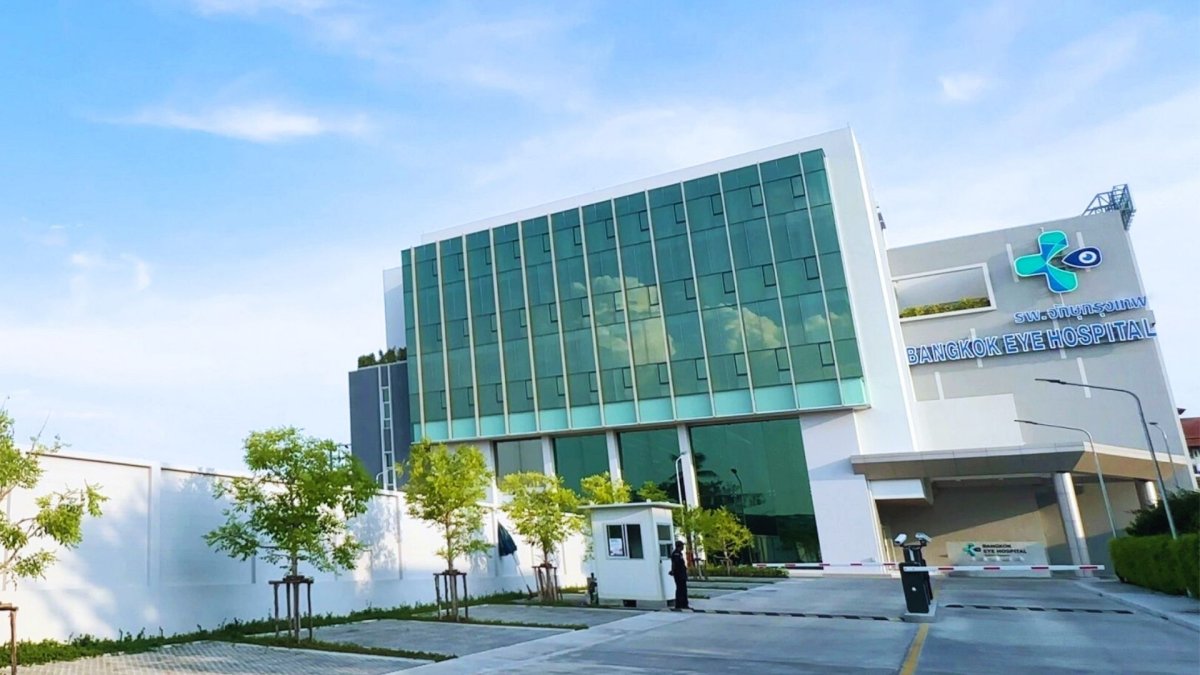
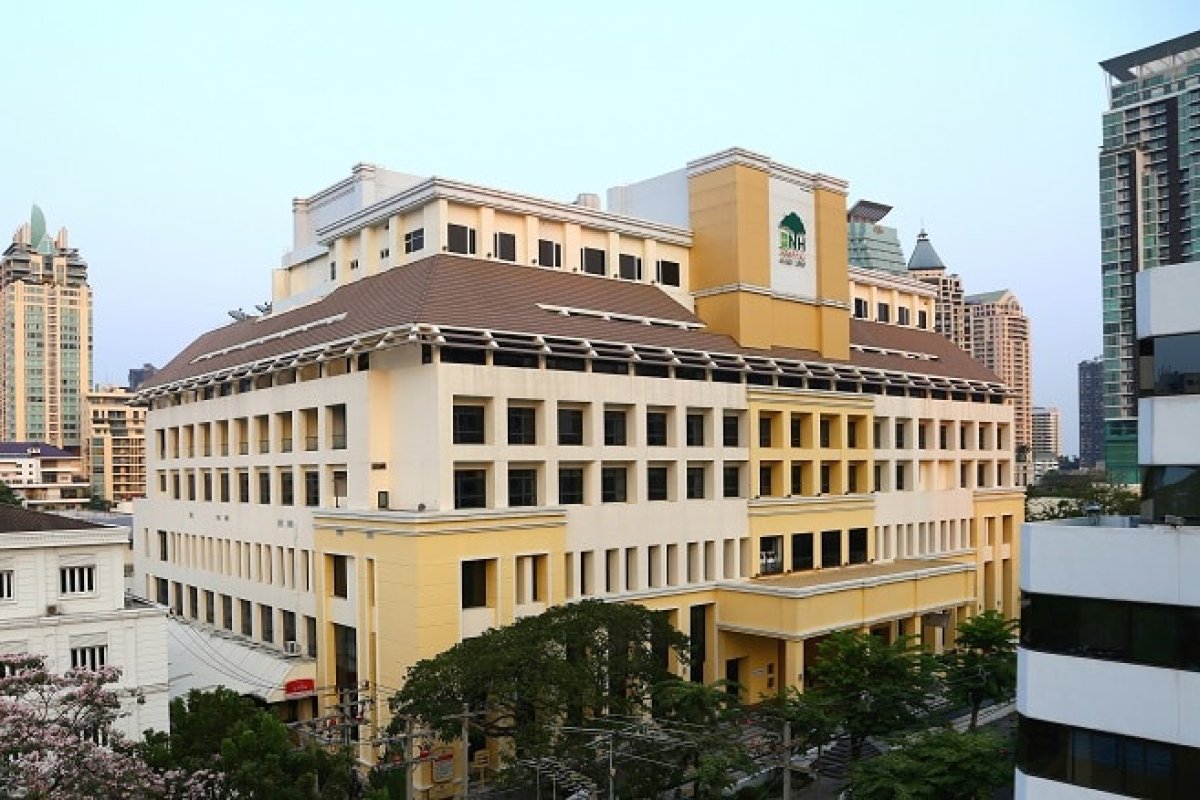
Bookimed Expert Insight: Choosing a specialized eye hospital over a general facility often provides better value. Laser Vision at Bangkok Eye Hospital uses AI and robotic diagnostics for higher precision. While premium clinics like Bumrungrad International Hospital serve over 1,000,000 patients annually, they offer unmatched international patient support. Many top doctors, such as those at Intrarat Hospital, hold international fellowships from US institutions. This ensures high clinical standards for basic vision testing and complex refractive surgery planning alike.
| Thailand | Turkey | Austria | |
|---|---|---|---|
| Refractometry | ≈ $20 / ฿680 | from $20 / ฿680 | ≈ $40 / ฿1,400 |
Your Benefits and Guarantees with Bookimed
Transparent Prices & Flexible Installments
No hidden fees – just official clinic prices. Pay at the clinic for Refractometry upon arrival and use a flexible installment plan if needed.
Verified Clinics & Doctors Only
Bookimed is committed to your safety. We only work with medical institutions that maintain high international standards in Refractometry and have the necessary licenses to serve international patients worldwide.
Free 24/7 Assistance
Bookimed offers free expert assistance. A personal medical coordinator supports you before, during, and after your treatment, solving any issues. You're never alone on your Refractometry journey.

Your personal Bookimed medical coordinator
- Supports you at every stage
- Helps choose the right clinic and doctor
- Ensures quick and convenient access to information
Discover the Best Refractometry Clinics in Thailand: 4 Verified Options and Prices









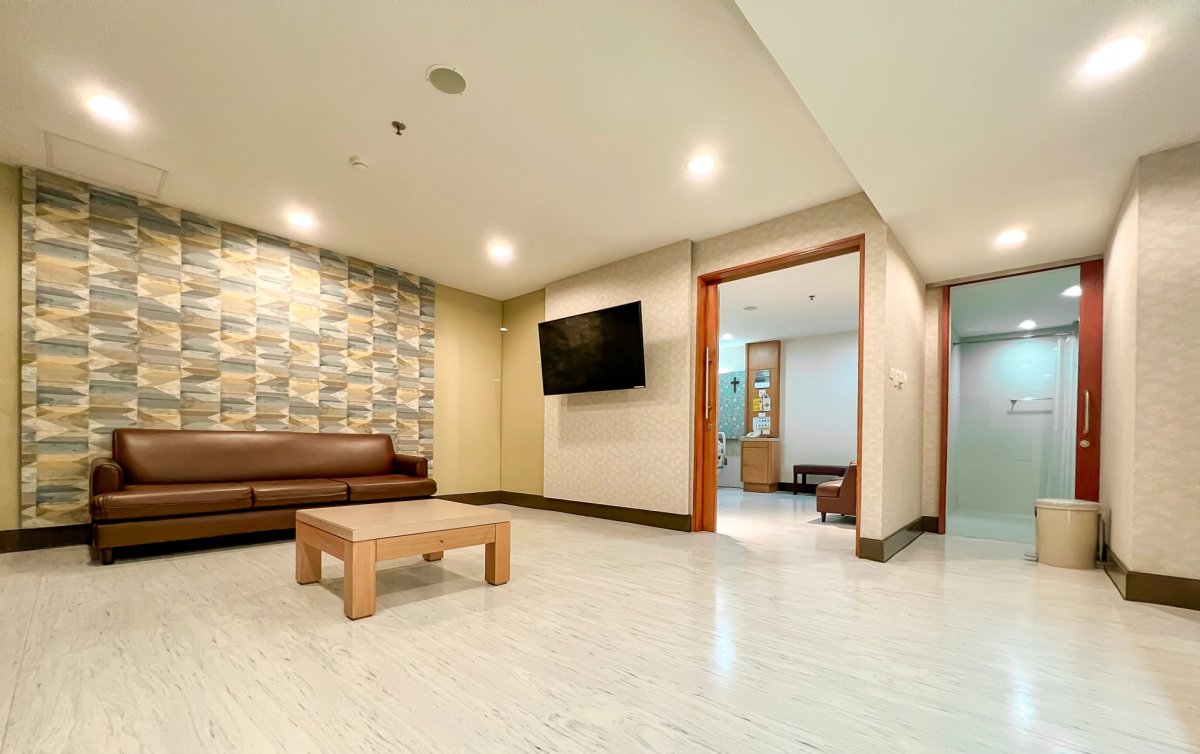
Bangkok Christian Hospital (BCH)


Our Doctors
View all Doctors
Ponpawee Jindarak
Dr. Ponpawee Jindarak is an ophthalmologist at Intrarat Hospital in Bangkok. She completed an international clinical fellowship in glaucoma in the United States. This training took place at the Illinois Eye and Ear Infirmary in Chicago. Dr. Jindarak specializes in diagnosing and treating complex vision conditions and eye diseases.
- Completed medical and specialty training at Chulalongkorn University.
- Treats conditions including glaucoma, cataracts, and retinopathy of prematurity.
- Performs surgical procedures such as trabeculotomy, pupilloplasty, and corneal transplants.
- Works at Intrarat Hospital, an ISO-certified facility treating 100,000 patients annually.

Theppachai Thammikasakul
Dr. Theppachai Thammikasakul is an ophthalmologist at Intrarat Hospital in Bangkok. He completed a fellowship in corneal and refractive surgery at Khon Kaen University. Dr. Thammikasakul focuses on vision correction and complex corneal conditions. He treats patients at an ISO 9001-certified facility that manages 100,000 cases annually.
- Specializes in ReLEx SMILE, LASIK, and other laser eye surgeries.
- Performs corneal transplants and keratoplasty for conditions like keratoconus.
- Treats cataracts using phacoemulsification with multifocal lens implantation.
- Manages glaucoma through laser iridotomy and trabeculotomy procedures.
Video Stories from Bookimed Patients
Share this content
 Anna Leonova

FAQ about Refractometry in Thailand
What documents are required to apply for a visa to Thailand for treatment?
Visas for travel to Thailand require a number of documents. The necessary papers can be submitted 90 days before the planned departure. The list of documents includes:
- ID card
- confirmation of online registration and filling out the questionnaire
- certificate of income and availability of funds (20,000 baht per person/40,000 baht per family)
- insurance policy for a stay in Thailand (original and copy)
- 2 photos (4x6)
- visa receipt
- booking of round-trip air ticket (paid in full) and hotel
- medical opinion about the need for treatment.
What is the level of medicine in Thailand?
Healthcare is the key development sector of the Thai government. The Thai authorities are convinced that care for the citizens' health should be an absolute priority of state policy and spend about 25 billion baht for healthcare annually.
As a result, 36,673 medical facilities provide excellent medical care in the country. 64 centers in the Kingdom have certificate of JCI (Joint Commission International), the international improver of healthcare quality and safety across the globe. The index of certificates obtained is the largest. To compare, Israel has 20 JCI-accredited facilities, and Germany — only 10 clinics of this type.
When is the best time to travel to Thailand?
The main advantage of Thai resorts is the long beach season. On the east coast and west coast the climate features are different, so take it into account when planning the trip. The best time to travel is during the cool and dry season between November and early April. A large influx of tourists is in March-May, when the air temperature is +30°C.
What should you know about Thailand before the trip?
Official name | The Kingdom of Thailand |
Currency | Thai Baht (you also can pay for services in dollars) |
Best period for the trip | November-early April |
Language | Thai (most of medical staff speaks English fluently) |
Visa | is required for a trip of 3-6 months |
Time difference with Europe | 7 hours |
Time difference with the USA | 12 hours |
Capital | Bangkok |
Medical tourism center | Bangkok |
Popular resorts | Koh Samui, Phuket, Chiang Mai, Koh Chang, Hua Hin |
What hotel service is provided here?
In the Kingdom of Thailand, hotels of different price ranges and service levels are presented. The level of Thai hotels is comparable to hotels in Tunisia, Morocco or Egypt. Most tourists choose 4 and 5 star hotels with all-inclusive meals. Such hotels have everything for a comfortable stay: varied food, a large well-groomed territory, animation for children and adults. Some hotels have their own water park, which guests can use for free. Budget travelers can afford to book an economical 3-star hotel with half board or no meals at all.
Do I need a visa?
For now, the Kingdom of Thailand requires different visa regimens for diverse states. Some foreigners can stay in the country 60 days without visa control, some of them — only 14 days.
How long you can stay in Thailand and what countries can cross the border easy read here.