Ultrasound in Thailand typically costs from $80 / ฿2,700 to $180 / ฿6,100. The price depends on the body area and the clinic tier.
Thailand
Turkey
Austria
Ultrasound
from
$80 / ฿2,700
from
$40 / ฿1,400
≈ $140 / ฿4,800
Data verified by Bookimed as of November 2026, based on patient requests and official quotes from 458 clinics worldwide. Median costs are based on real invoices (2025–2026) and updated monthly. Actual prices may vary.
Intrarat Hospital is ISO 9001:2015 certified and provides abdominal ultrasounds for liver, kidney, and pelvic examinations. A whole abdomen ultrasound typically costs around $170. This scan examines the gallbladder, pancreas, uterus, ovaries, and prostate gland. Dr. Pramote Cherdrattanrak has over 20 years of experience in gynecology and obstetrics at this Bangkok facility. The procedure is radiation-free and performed on an outpatient basis. Separate upper or lower abdomen scans may cost around $140.
kdms Orthopedic Hospital is Thailand's first dedicated orthopedic-only hospital. It specializes in hip and knee, spine, and sports medicine. The 1st orthopedic hospital in Thailand holds JCI accreditation.
Robotic surgery assistant technology enables more precise and accurate operations.
Uses minimally invasive surgery for less pain, smaller incisions, and faster recovery.
Designed as a one-stop service center with specialized co-treatment spaces.
Advanced imaging equipment includes on-site X-ray, MRI, and CT scan.
JCI
—
Endoscopic discectomy, Minimally invasive fusion surgery
PYONG Rehabilitation Center provides diagnostic ultrasound for joints, muscles, and tendons. The exam typically costs around $400. A rehabilitation medicine specialist performs the scan and interprets the images. Each session takes about 15–30 minutes in an outpatient setting. No special preparation is needed before the visit. Patients receive real-time imaging results during the scan. A written report with treatment recommendations follows the procedure. This radiation-free modality helps identify ligament and soft tissue issues.
Pacific Garden Hospital provides ultrasound imaging within its specialized Diagnostic Radiology Department. The facility uses sonography for soft-tissue and organ exams. Experienced radiologists and radiologic technologists perform every procedure. Women's health screenings include transvaginal ultrasound alongside PAP analysis. The diagnostic unit also has digital mammography with tomosynthesis for advanced imaging. These services follow strict hospital safety standards for outpatient care. The clinic is located in Si Racha, Thailand, providing on-site CT and general X-ray imaging.
Prime Fertility Clinic is one of only six fertility centers worldwide to hold JCI Ambulatory Care accreditation. An ultrasound typically costs around $200–$300 at this Bangkok facility. The examination evaluates the uterine cavity, uterus, and ovum condition. This diagnostic step identifies potential causes of infertility before forming a medical plan. The clinic also holds ISO 15189 and ISO 15190 certifications. Evaluations often run alongside blood tests for a complete fertility workup.
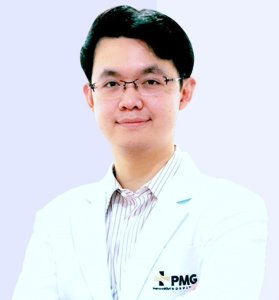
PMG Hospital has 4D ultrasound technology for realistic fetal imaging and detailed anatomical assessments. The radiology department provides specialized scans for gallbladder, thyroid, heart, and carotid artery evaluation. Dr. Jaruwan Tongsucharit leads the diagnostic team. The facility offers 2D and 4D imaging without radiation. Obstetric sessions between 19 and 24 weeks can determine fetal sex. Cardiac services include echocardiograms to check heart function. The diagnostic radiology department operates Tuesday through Friday from 9:00 a.m. to 5:00 p.m.
Asia Cosmetic Hospital is a JCI-accredited facility in Bangkok specializing in cosmetic plastic surgery and bariatric surgery. It holds ISO certification, Hospital Accreditation, and a 0% rate of post-surgery complications. Received the “Best Regional Hospital” award from the Socrates committee in Oxford. Named Breast Augmentation Clinic of the Year and Face-Lifting Surgery Clinic of the Year in Asia-Pacific (GlobalHealth Aesthetics Awards 2023). Principal surgeon is an active member of the International Society of Aesthetic Plastic Surgery (ISAPS) and the Royal College of Surgeons Thailand. Treats around 2,500 patients per year with a 10-department structure including International Marketing. Runs a CSR project offering free plastic surgery for disabled individuals since 2013.
Bumrungrad International Hospital is one of Southeast Asia's largest private medical centers. Over one million patients choose it each year, including a 50% international mix from 190+ countries. Its core specialties include oncology, cardiology, orthopedics, ophthalmology, neurosciences, and health screenings. First hospital in Asia to earn JCI accreditation, plus GHA and DNV-GL infection risk certification. Uses IBM Watson for oncology, a pharmacy robot, and offers ReLEx SMILE laser eye surgery – the only hospital in Thailand to do so. Heart Center provides a 24/7 emergency cardiac intervention program with a 90-minute door-to-balloon time. Orthopedists perform MAKOplasty robotic joint replacement with a 1–3 day recovery, in cooperation with the Dorr Arthritis Institute in the USA. Over 60,000 patients come for health screenings yearly, and the hospital provides 150+ interpreters, a heliport, and a visa extension counter.
ISO, JCI, GHA
—
Myomectomy (removal of uterine fibroids), Transnasal resection of tumor, Ultrasound
Navamin 9 Hospital is JCI-accredited and provides 4D obstetric ultrasound for detailed fetal monitoring. General sonography typically runs around $10 per one-hour session. This outpatient facility also performs scans for abdominal, pelvic, and other soft-tissue structures. The hospital holds Thailand Hospital Accreditation (HA) for diagnostic safety. Multiple departments house modern imaging equipment for various ultrasound needs. Each session follows international quality protocols for medical screenings.
28 years of experience • 15000+ treatments performed
Dr. Tanongsak Panyawirunroj is a leading plastic surgeon at Asia Cosmetic Hospital in Bangkok. He has performed 15,000+ operations throughout his career. Dr. Tanongsak specializes in transformative procedures like rhinoplasty and sexual reassignment surgery. He completed fellowships in the US, Canada, South Korea, and Taiwan.
Official representative of the Korean Society of Plastic Surgeons.
Maintains membership with the International Society of Aesthetic Plastic Surgery (ISAPS).
Performs complex facial feminization (FFS) and orthognathic surgeries.
Practices at a JCI-accredited facility with a 0% post-surgery complication rate.
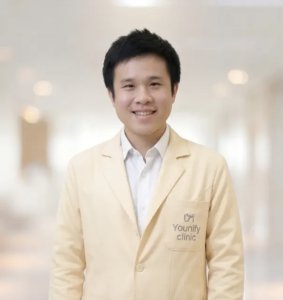
Dr. Poonkiat Punyamitr is a fertility specialist and Medical Director at Prime Fertility Clinic in Bangkok. He is a registered Assisted Reproductive Technology specialist through the Royal Thai College of Obstetricians and Gynecologists. Dr. Punyamitr trained in Singapore at the National University Hospital.
Holds professional membership in the American Society of Reproductive Medicine (ASRM).
Is a member of the European Society of Human Reproduction and Embryology (ESHRE).
Performs IVF stimulation, embryo transfer, and sperm extraction techniques like TESE and TESA.
Works at a clinic that is one of six worldwide with JCI Ambulatory Care accreditation.
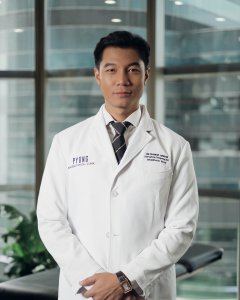
Dr. Kantaphong Thongrong is the Head of Rehabilitation at King Mongkut Chaokhunthahan Hospital. He specializes in neurorehabilitation, chronic pain, and geriatric care. Dr. Thongrong is a board-certified physiatrist and the founder of PYONG Rehabilitation Group. He integrates robotics and wearable exoskeleton technology into patient recovery programs.
Performs ultrasound-guided interventions, hydrodissection, and radiofrequency therapies.
Principal Investigator for clinical trials on wearable exoskeleton training in stroke patients.
Uses VR-based cognitive therapy and transcranial magnetic stimulation (TMS).
Runs a public health education platform with over 100,000 followers.
Dr. Orasa Teerakul is an obstetrician-gynecologist at Intrarat Hospital in Bangkok. She holds a diploma from the Faculty of Medicine at Siriraj Hospital, Mahidol University. Dr. Teerakul treats reproductive disorders, provides prenatal care, and manages complex surgeries.
Performs robotic hysterectomy and myomectomy using the Da Vinci surgical system.
Treats conditions such as uterine fibroids, endometriosis, and ovarian cysts.
Expert in minimally invasive laparoscopic procedures and pregnancy follow-up care.
Works at Intrarat Hospital, an ISO 9001:2015-certified facility in Thailand.
Ultrasound in Thailand: Video Reviews from Bookimed Patients
Dayana
I combined my vacation in Antalya with a check-up.
A certified medical writer with 10+ years of experience, developed Bookimed’s trusted content, backed by a Master’s in Philology and medical expert interviews worldwide.
This page may feature information relating to various medical conditions, treatments, and healthcare services available in different countries. Please be advised that the content is provided for informational purposes only and should not be construed as medical advice or guidance. Please consult with your doctor or a qualified medical professional before starting or changing medical treatment.
FAQ about Ultrasound in Thailand
What documents are required to apply for a visa to Thailand for treatment?
Visas for travel to Thailand require a number of documents. The necessary papers can be submitted 90 days before the planned departure. The list of documents includes:
ID card
confirmation of online registration and filling out the questionnaire
certificate of income and availability of funds (20,000 baht per person/40,000 baht per family)
insurance policy for a stay in Thailand (original and copy)
2 photos (4x6)
visa receipt
booking of round-trip air ticket (paid in full) and hotel
medical opinion about the need for treatment.
What is the level of medicine in Thailand?
Healthcare is the key development sector of the Thai government. The Thai authorities are convinced that care for the citizens' health should be an absolute priority of state policy and spend about 25 billion baht for healthcare annually.
As a result, 36,673 medical facilities provide excellent medical care in the country. 64 centers in the Kingdom have certificate of JCI (Joint Commission International), the international improver of healthcare quality and safety across the globe. The index of certificates obtained is the largest. To compare, Israel has 20 JCI-accredited facilities, and Germany — only 10 clinics of this type.
When is the best time to travel to Thailand?
The main advantage of Thai resorts is the long beach season. On the east coast and west coast the climate features are different, so take it into account when planning the trip. The best time to travel is during the cool and dry season between November and early April. A large influx of tourists is in March-May, when the air temperature is +30°C.
What should you know about Thailand before the trip?
Official name
The Kingdom of Thailand
Currency
Thai Baht (you also can pay for services in dollars)
Best period for the trip
November-early April
Language
Thai (most of medical staff speaks English fluently)
In the Kingdom of Thailand, hotels of different price ranges and service levels are presented. The level of Thai hotels is comparable to hotels in Tunisia, Morocco or Egypt. Most tourists choose 4 and 5 star hotels with all-inclusive meals. Such hotels have everything for a comfortable stay: varied food, a large well-groomed territory, animation for children and adults. Some hotels have their own water park, which guests can use for free. Budget travelers can afford to book an economical 3-star hotel with half board or no meals at all.
Do I need a visa?
For now, the Kingdom of Thailand requires different visa regimens for diverse states. Some foreigners can stay in the country 60 days without visa control, some of them — only 14 days.
How long you can stay in Thailand and what countries can cross the border easy read here.


 TAME for Frozen Shoulder (Adhesive Capsulitis) — Non-Surgical Treatment for Persistent Pain and Stiffness