In Vitro Fertilization (IVF) in Antalya — get 3 personalized clinic matches

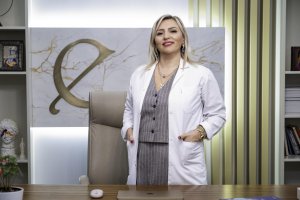
Medically reviewed by
Esra Cabuk Comert
How it works
How Much Does In Vitro Fertilization (IVF) Cost in Antalya?
| Antalya | Austria | Spain | |
|---|---|---|---|
| In Vitro Fertilization (IVF) | from $3,700 | ≈ $4,200 | from $6,700 |
| Сesarean section | from $2,300 | ≈ $6,500 | from $5,500 |
| Uterine Artery Embolization | ≈ $2,800 | ≈ $6,500 | ≈ $5,800 |
| Surgical Abortion | from $3,000 | ≈ $1,200 | ≈ $450 |
| ROPA Method (Reciprocal IVF) | ≈ $3,200 | ≈ $6,200 | ≈ $6,200 |
Best In Vitro Fertilization (IVF) Clinics in Antalya: 5 Verified Options and Prices



Medical Park Antalya Hospital Complex
Mehmet Karaca








Op. Dr. Berkay Yüksel
In Vitro Fertilization (IVF) Overview in Turkey
- In Vitro Fertilization (IVF) - from $2,500The procedure assists conception via lab-fertilized eggs transplanted into the uterus, offering hope to those struggling with infertility.
- Childbirth - from $1,500The procedure involves delivering a baby, typically after nine months of gestation.
- Embryo cryopreservation - from $390The procedure freezes early-stage embryos for future use, preserving fertility and optimizing in-vitro fertilization success.
- IVF with Gender Selection - from $4,000This procedure helps couples conceive a specific gender baby through in-vitro fertilization, offering increased success rates.
- Artificial Insemination - from $770This therapy helps conceive by directly inserting sperm into a woman"s womb, increasing chances of successful fertilization.
- Pharmacological stimulation for IVF - from $700The procedure boosts egg production for in vitro fertilization, using medicines for more chances of successful conception.
- Сesarean section - from $1,800The operation involves delivering a baby through surgical incisions in the mother"s abdomen and uterus.
- Genetic test for aneuploidy up to 8 embryos - from $1,500This procedure checks up to 8 embryos for irregular numbers of chromosomes, improving IVF success.
- Egg Cryopreservation Annual Maintenance - from $250The procedure involves yearly care and storage of preserved female egg cells for future fertility needs.
- Embryo Transfer - from $750The procedure involves placing a fertilized egg in a woman"s uterus to improve chances of pregnancy.
Day 1
- Arrive at the country and check into accommodation.
- Visit the clinic for an initial consultation.
Day 2
- Undergo necessary medical tests such as ultrasound.
- Meet with the fertility specialist for results discussion.
Day 3-14
- Start hormone treatment to stimulate egg production.
- Regular clinic visits for monitoring and adjustments.
Day 15
- Egg retrieval procedure under light anesthesia.
- Sperm sample collected and prepared for fertilization.
Day 16
- Fertilization of eggs and sperm in lab.
- Embryo development begins.
Day 20
- Embryo(s) transferred into the uterus.
- Short recovery period at the clinic.
Week 3-4
- Home rest with minimal physical activity.
- Regular blood tests to confirm pregnancy.
Week 5
- Return to light work activities if pregnancy is confirmed.
- Follow up appointments at the clinic.
Please remember that every patient"s response to treatment may vary and the timeline provided is an average estimate.
- Bookimed deposit: $200 or €200.
- Clinic deposit: Pay a set percentage in advance.
Our Doctors
View all Doctors
Safak Olgan
Dr. Safak Olgan is a gynecologist and IVF specialist at Memorial Antalya Hospital. He focus on reproductive medicine and laparoscopic surgery. He treats infertility using research-backed methods for embryo transfer and uterine health. Dr. Olgan works at a JCI-accredited facility meeting international safety standards.
- Winner of the EBCOG Andre Van Assche Kuleuven award for best study.
- Representative for Turkey in the European Network of Trainees in Obstetrics and Gynecology.
- Researches the effects of obesity and endometrial compaction on IVF success.
- Expert in uterine manipulation techniques for laparoscopic hysterectomy.

Erdem Can Yardimci
Dr. Erdem Can Yardimci is an accredited bariatric surgeon at Clinics United in Antalya. He focuses on metabolic, weight-loss, and obesity surgery. He formerly served at the Organ Transplant Clinic of Istinye University Bahçeşehir Liv Hospital. Dr. Yardimci uses safe and effective techniques for weight management.
- Performs gastric sleeve, gastric bypass, and Roux-en-Y gastric bypass.
- Expertise includes endoscopic sleeve gastroplasty and gastric balloon procedures.
- Works at Clinics United, a JCI-accredited Bariatric Surgery Center of Excellence.
- Completed surgical specialization at the Antalya Training and Research Hospital.
Mehmet Karaca
Dr. Mehmet Karaca is a professor of gynecology and obstetrics at Medical Park Antalya. He holds a minor degree in gynecological oncology surgery from the Ministry of Health. Dr. Karaca treats complex female cancers, high-risk pregnancies, and infertility issues. He performs surgical procedures at the largest private hospital in Turkey's Mediterranean region.
- Specializes in laparoscopic surgery for uterine fibroids, ovarian cysts, and endometriosis.
- Performs radical cancer surgeries including the Wertheim procedure and cytoreductive debulking.
- Expert in in vitro fertilization and urogynecology treatments.
- Former clinical chief at Antalya Training and Research Hospital.
Reviews about Bookimed: Discover Patients' Insights
All reviewsRelated Articles

IVF in Thailand: Complete Guide to Fertility Treatment in the Land of Smiles
Written by Olena Sikoza

What Is the Best Country for IVF in 2025?
Written by Mariia Mytrofankina

Successful IVF: best clinics, prices, results
Written by Veronika Kazina

TOP 10 IVF Clinics in the World: Bookimed Patients Ranking
Written by Ana Hurevska
Share this content
 Anna Leonova
FAQ about treatment in Turkey
What is the success rate for IVF in Antalya?
IVF success rates in Antalya are 40% to 70% per cycle. Younger patients under 35 often achieve rates up to 80%. High success comes from standard ICSI use and JCI-accredited facilities. Memorial Antalya Hospital, for example, serves over 1.6 million patients annually.
- Age Factor: Success declines from 60% under age 35 to 15% for patients over 40.
- Advanced Screening: Clinics use Preimplantation Genetic Testing (PGT) to identify healthy embryos before transfer.
- Clinical Standards: Facilities follow international protocols to maintain high medical standards and have specialized English-speaking teams.
- Transfer Frequency: After three embryo transfer attempts, cumulative success rates often reach 60%.
Bookimed Expert Insight: While many clinics report high success, look for facilities like Medical Park Antalya Hospital Complex that manage high patient volumes. Their specialized oncology and transplant infrastructure suggests they can handle complex laboratory work. This is essential for successful IVF. High-volume centers often maintain more consistent embryo culture environments.
Patient Consensus: Patients stress the importance of clarifying whether success rates refer to clinical pregnancy or live births. They suggest preparing for the possibility that success may require more than one transfer attempt.
How long do I need to stay in Antalya for the treatment?
A standard IVF cycle in Antalya requires an 18- to 21-day stay for full egg retrieval. For a transfer-only visit with frozen embryos, patients usually stay 3–7 days to complete the procedure and initial monitoring.
- Retrieval cycle stay: Plan for 2–3 weeks for stimulation and retrieval.
- Transfer-only stay: Patients with existing embryos often need only 1–2 days.
- Stimulation at home: Monitoring locally until day 8 can shorten your trip by 1 week.
- Fresh transfer timeline: Expect 3–5 weeks for a complete fresh cycle.
Bookimed Expert Insight: High-volume centers like Memorial Antalya Hospital follow NCCN and ESMO international guidelines. The hospital treats 1.6 million patients a year. Choosing a clinic with 5-star guest houses and free transfers makes the long 21-day retrieval stay easier. This support really helps because medication response or embryo growth can sometimes add extra days to your trip.
Patient Consensus: Patients recommend building in extra days for unexpected scan changes. Getting there 2 days early to settle in before the hormonal cycle starts is also a common suggestion.
What are the best clinics for IVF in Antalya?
The best IVF clinics in Antalya are Memorial Antalya Hospital and Clinics United. Both hold Joint Commission International (JCI) accreditation and have high success rates. They specialize in reproductive technologies like ICSI and IMSI, using modern embryology laboratories.
- Memorial Antalya Hospital: JCI-accredited facility that treats over 1.6 million patients annually and has specialized reproductive departments.
- Clinics United: Has surgeons recognized by the European Board and provides all-inclusive IVF support.
- Medical Park Antalya: The largest private hospital complex in the Mediterranean region, with over 130 expert doctors.
- SALUSS Medical Group: Offers personalized infertility care and has treated patients from over 50 countries.
Bookimed Expert Insight: Data shows Memorial Antalya Hospital stands out. It provides an on-site 5-star guest house for international patients. This accommodation significantly reduces travel stress. It is especially helpful during the critical hormonal stimulation phase of an IVF cycle.
Patient Consensus: Patients stress the need for clinics with responsive, English-speaking coordinators. They suggest confirming whether specialized services like Zymot are available. They recommend checking this before traveling to the region.
Can gender selection be performed with IVF in Antalya?
Turkish law strictly prohibits gender selection for personal preference. Clinics in Antalya only perform sex selection when it is medically necessary. The reason is to prevent severe sex-linked genetic disorders. Certified facilities use Preimplantation Genetic Testing to screen embryos. However, elective family balancing remains illegal throughout Turkey.
- Legal status: Turkish law forbids gender selection for non-medical reasons or elective family balancing.
- Medical exceptions: Permitted only to avoid transmitting serious hereditary sex-linked diseases to offspring.
- Genetic screening: Joint Commission International-accredited hospitals like Memorial Antalya Hospital offer PGT-A testing.
- Strict requirements: IVF treatments in Antalya are only legal for married heterosexual couples.
Bookimed Expert Insight: While elective selection is banned, Antalya’s high-volume centers provide clinical advantages for medical cases. Memorial Antalya Hospital serves over 1.6 million patients annually. It also maintains Joint Commission International accreditation. High patient volume often means embryology labs are more experienced. They can handle complex genetic screenings.
Patient Consensus: Patients emphasize that PGT-A testing reveals embryo sex but doesn't guarantee selection. Patients advise confirming clinic policies in writing. The process is physically demanding and expensive.
How soon after embryo transfer can I return home for IVF in Antalya?
Patients can return home 24 to 48 hours after embryo transfer in Antalya. It’s safe to travel sooner, but a 1-to-2 day wait helps manage physical stress. Clinical data confirms that travel does not negatively impact implantation or increase miscarriage risks.
- Travel timing: Most patients fly home 1 day after the procedure for comfort.
- Total stay: Expect 21 days in Antalya for stimulation and egg collection phases.
- Safe flying: Move around regularly and stay hydrated to prevent deep vein thrombosis.
- Pregnancy test: Your local doctor will do the blood test 10–14 days after you return.
Bookimed Expert Insight: Clinics like Memorial Antalya Hospital offer 5-star guest houses nearby to make recovery easier. Staying 2 to 3 days post-transfer is a smart logistical move. It gives you time to confirm your medication dosages before leaving Antalya.
Patient Consensus: Patients often report flying the very next day without issues. Staying a few extra days is often preferred. Patients like to enjoy a stress-free environment before traveling.
What is the difference between ICSI and regular IVF in Antalya?
ICSI and regular IVF in Antalya differ by the fertilization method used in JCI-accredited laboratories. Conventional IVF relies on natural penetration in a dish. ICSI, however, involves injecting a single sperm directly into an egg. This technique effectively addresses severe male infertility.
- Sperm injection: ICSI requires only one healthy sperm per egg for direct micro-injection.
- Natural selection: Regular IVF allows thousands of sperm to compete for natural egg penetration.
- Clinical indication: ICSI is the primary treatment for low sperm count or previous fertilization failures.
- Laboratory expertise: ICSI requires high-power microscopes and senior embryologists for precise manipulation.
Bookimed Expert Insight: ICSI is often the default protocol in high-volume Antalya centers, such as Memorial Antalya Hospital. This approach maximizes fertilization rates. However, patient data suggest it is not always necessary for everyone. Clinics with over 500 successful yearly cycles often recommend conventional IVF for tubal issues. This allows natural selection when sperm quality is optimal.
Patient Consensus: Patients value how ICSI reduces the emotional risk of zero fertilization. Travelers often advise confirming whether ICSI is a routine lab standard or an extra cost. This should be checked in your specific treatment plan.