Penile curvature correction (surgical treatment for Peyronie's disease) in Antalya — get 3 personalized clinic matches


Medically reviewed by
Fahad Mawlood
How it works
How Much Does Penile curvature correction (surgical treatment for Peyronie's disease) Cost in Antalya?
Penile curvature correction (surgical treatment for Peyronie's disease) in Antalya typically costs from $2,800 to $4,200. The final price depends on the chosen surgical technique, such as plication or grafting, and the clinic category. Antalya generally offers more competitive pricing for urological surgeries than Istanbul. Patients save around 68% compared to the US, where this procedure costs $17,000 on average. Initial prices usually cover the surgeon fee, anesthesia, and hospital stays.
- Technique choice: Plication often costs less than grafting procedures due to lower material requirements.
- Clinic accreditation: JCI-accredited facilities may charge more than clinics with only local certifications.
- Surgical expertise: Procedures led by experienced professors typically add 15-20% to the base cost.
- Package tiers: Premium options often include VIP transfers and extended postoperative nursing care.
Bookimed Expert Insight: Antalya stands out as a specialized hub for complex reconstructive urology within Turkey. Many patients choose this city over Istanbul to access centers like Memorial Antalya, which holds JCI accreditation and operates with lower overhead. Expert surgeons like Prof. Mehmet Sarier provide high-volume surgical experience, which is vital for precise curvature correction. This concentration of specialized urologists ensures patients receive high-tier surgical expertise at regional market rates.
| Antalya | The UK | The USA | |
|---|---|---|---|
| Penile curvature correction (surgical treatment for Peyronie's disease) | from $2,800 | ≈ $8,200 | ≈ $12,000 |
Best Penile curvature correction (surgical treatment for Peyronie's disease) Clinics in Antalya: 5 Verified Options and Prices



Medical Park Antalya Hospital Complex
Mehmet Sarier





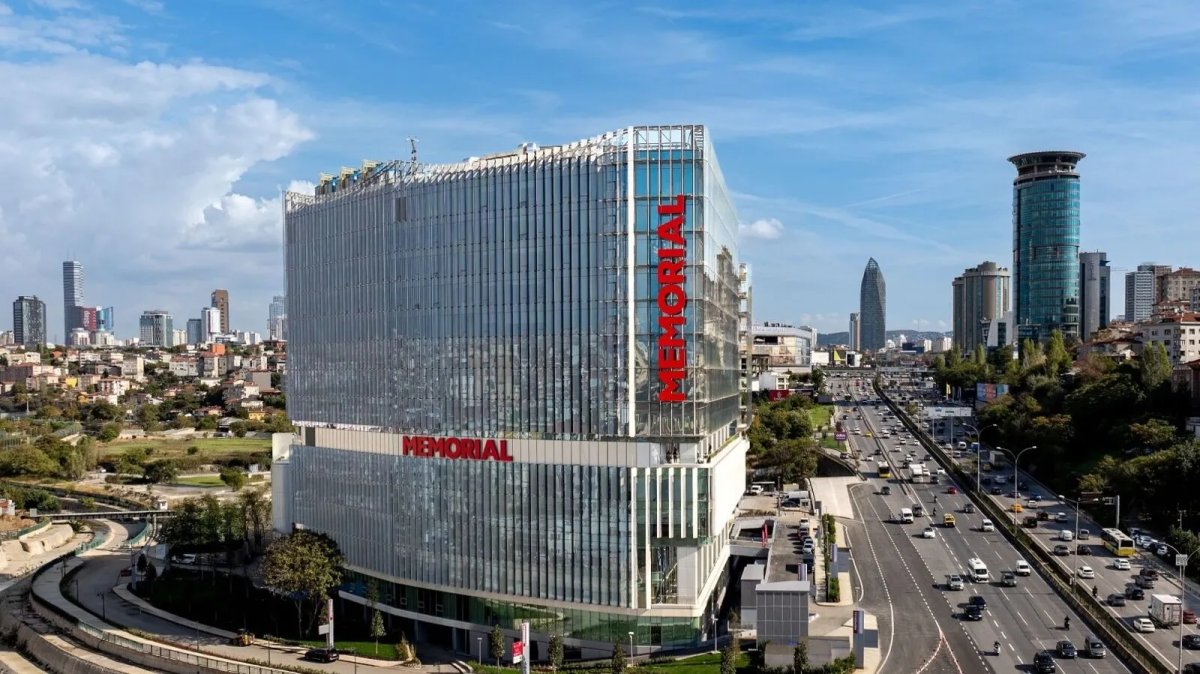
Memorial Göztepe Hospital






Estemita Aesthetics Clinic of Dr. Hakan Ölmeztürk
Hakan Ölmeztürk

Assoc. Prof. Dr. Şahin Kılıç
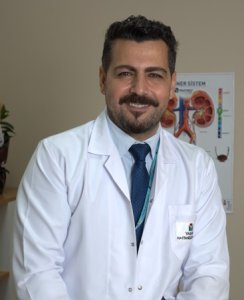
Sahin Kilic

Penile curvature correction (surgical treatment for Peyronie's disease) Overview in Turkey
- Penis enlargement - from $1,500The operation enhances male genital size and shape, involving surgical or non-invasive techniques.
- Phalloplasty - from $3,000The operation designs a penis from body tissue, enhancing physical comfort and identity expression for trans men.
- Penile curvature correction (surgical treatment for Peyronie's disease) - from $3,000The procedure corrects bent penises. It straightens manhood, easing discomfort during sex, boosting confidence, and overall sexual experience.
- Penile implant surgery - from $6,000This therapy corrects erectile dysfunction using implants, enhancing sexual function with a high success rate and patient satisfaction.
- Scrotoplasty - from $1,500The operation tightens loose scrotal skin, improving comfort and aesthetics. It is a minor, often outpatient surgery.
- HapPenis penoplasty - from $6,000Male organ size enhancement with safe surgical interventions to improve self-confidence and sexual satisfaction.
- Penis filler - from $1,000This treatment enhances penis girth using hyaluronic acid injections, a non-surgical procedure with quick recovery times.
Day 1
- Arrival in the country and transfer to the clinic.
- Accommodation in the reserved hospital room.
Day 2 - Pre-Operation
- Consultation with a urologist specialist.
- Undergoing necessary medical tests (blood, urine).
- Discussion of surgery details and potential risks.
Day 3 - Surgery
- Preparation for surgery, including fasting from midnight.
- Administration of general anesthesia.
- Performance of penile curvature correction surgery (2-3 hours).
- Transfer to post-operative recovery room.
Day 4 - Post-Operation
- Monitoring by medical staff for any complications.
- Initiation of pain management and antibiotics.
- Assessment of surgical results.
Day 5 - Discharge
- Review of post-operative care instructions.
- Discharge from the hospital and transfer to accommodation.
Week 1-2 - Rehabilitation
- Rest, with limited physical activity.
- Regular wound care and medication intake.
Week 3-4
- Gradual increase in physical activity.
- Continued monitoring of the surgical site.
Week 5-6
- Return to work, with restrictions on heavy lifting.
- Continued observation for any changes or complications.
Week 7-8
- Return to normal activities, including sports.
- Final assessment by the urologist.
Remember, each patient"s recovery timeline may vary based on individual circumstances and overall health.
- Bookimed deposit: $200 or €200.
- Clinic deposit: Pay a set percentage in advance.
Our Doctors
View all Doctors
Cemal Firat
Professor Firat specializes in reconstructive and aesthetic surgery, with extensive experience in microsurgery and nerve injury treatments at Medical Park Antalya.
- Expert in multiple surgical techniques including tumor and reconstructive surgery
- Holds a professorship at İnönü University Faculty of Medicine
- Authored significant research on burn wound healing and nerve regeneration
- Specializes in cleft lip and maxillofacial surgeries
Mehmet Sarier
Dr. Mehmet Sarier has been treating urological conditions at Medical Park Antalya Hospital since 2009 – leading the hospital's urology department.
- 21 years of experience in urology
- Associate professor specializing in urological conditions
- Faculty member at Istinye University's Department of Urology
Hakan Ölmeztürk
Dr. Hakan Ölmeztürk specializes in aesthetic and reconstructive surgeries, including penile curvature correction, at his own clinic in Turkey.
- Expert in various cosmetic and reconstructive procedures
- Founder of Estemita Aesthetics Clinic
- Highly rated by patients for mommy makeovers and other surgeries
Sahin Kilic
Dr. Sahin Kilic is a urologist in Antalya. He treats urological oncology and performs minimally invasive reconstruction. Dr. Kilic uses robotic and laparoscopic techniques for adrenal, kidney, and bladder surgery. He uses MR-TRUS fusion technology for targeted prostate biopsies.
- Performs robotic radical prostatectomy and Retzius-sparing procedures for prostate cancer.
- Uses Holmium and Thulium laser platforms for HoLEP and flexible ureteroscopy.
- Treats kidney stones using percutaneous nephrolithotomy (PCNL) and laparoscopic methods.
- Creates metabolic risk assessments to prevent urinary stones from returning.
Reviews about Bookimed: Discover Patients' Insights
All reviewsShare this content
 Anna Leonova

FAQ about treatment in Turkey
When is the right time to have penile curvature correction surgery in Antalya?
Penile curvature correction surgery in Antalya should be performed during the stable, chronic phase of Peyronie's disease. Patients need to wait until curvature and plaque stay unchanged for 6 to 12 months. Pain must fully resolve. And the deformity must prevent comfortable penetrative intercourse.
- Phase stability: Curvature must remain entirely stable for at least 6 consecutive months before surgery.
- Pain resolution: Doctors only recommend surgery after all inflammatory pain during erections has stopped.
- Functional impairment: Candidates typically have a curvature exceeding 30 degrees that makes sexual intercourse difficult.
- Conservative exhaustion: Doctors consider surgery only after non-surgical options, such as traction or injections, have failed.
Bookimed Expert Insight: International patients often focus on cost. But Antalya’s urology centers like Medical Park offer a distinct advantage: high-volume specialization. Associate Professor Mehmet Sarier at Medical Park, for instance, provides andrological expertise. His work includes HoLEP and robotic surgery. Choosing a clinic with a full urology department like this has another benefit. Any accompanying issues, like erectile dysfunction, are managed alongside the curvature correction.
Patient Consensus: Patients often emphasize that surgery should be a last resort, not for aesthetics. They advise waiting until the disease is fully chronic to avoid recurrence.
What is the recovery period like after penile curvature correction in Antalya?
Recovery after penile curvature correction in Antalya typically takes 4 to 6 weeks for primary tissue healing. Patients stay in the hospital for 1 to 2 days. After that, they must avoid all sexual activity for 6 to 8 weeks to let the surgical site heal properly.
- Immediate care: Surgeons apply compression wraps for 24–48 hours to minimize swelling and bruising.
- Clinical follow-up: Patients usually have a final check-up within 2 to 3 days before flying.
- Activity restrictions: Avoid heavy lifting and strenuous exercise for at least 4 weeks.
- Professional return: Most patients return to light office work within 2 to 5 days.
Bookimed Expert Insight: While patients often focus on surgical soreness, the hardest part of recovery is managing nocturnal erections. Associate Professor Mehmet Sarier at Medical Park Antalya uses microsurgical techniques to help reduce long-term nerve sensitivity. Choosing a Joint Commission International-accredited facility like Memorial Antalya makes sure postoperative protocols follow strict international safety standards.
Patient Consensus: Patients should expect dramatic bruising for the first month and may feel permanent sutures long-term. Prepare for painful erections and possible minor length loss. This helps manage expectations.