Radiation Therapy for Stomach Cancer in Antalya — Get 3 Top Clinic Matches with Costs

Medically reviewed by
Yesim Yildirim
How Much Does Radiation therapy for stomach cancer Cost in Antalya?
| Antalya | Austria | Spain | |
|---|---|---|---|
| Radiation therapy for stomach cancer | from $6,000 | from $6,600 | from $17,000 |
Your Benefits and Guarantees with Bookimed
Transparent Prices & Flexible Installments
No hidden fees – just official clinic prices. Pay at the clinic for Radiation therapy for stomach cancer upon arrival and use a flexible installment plan if needed.
Verified Clinics & Doctors Only
Bookimed is committed to your safety. We only work with medical institutions that maintain high international standards in Radiation therapy for stomach cancer and have the necessary licenses to serve international patients worldwide.
Free 24/7 Assistance
Bookimed offers free expert assistance. A personal medical coordinator supports you before, during, and after your treatment, solving any issues. You're never alone on your Radiation therapy for stomach cancer journey.

Your personal Bookimed medical coordinator
- Supports you at every stage
- Helps choose the right clinic and doctor
- Ensures quick and convenient access to information
Best Radiation therapy for stomach cancer Clinics in Antalya: 1 Verified Option and Prices


Radiation therapy for stomach cancer Overview in Turkey
- Radiotherapy - from $2,000This therapy uses high-energy waves to destroy cancer cells, providing a non-surgical treatment with few side effects.
- Stereotaxic radiosurgery - from $4,500This therapy targets tumors with precise radiation, avoiding damage to surrounding tissues.
- Tomotherapy - from $8,400This therapy is a cutting-edge radiation treatment, precisely targeting tumors while reducing harm to nearby healthy tissue.
- Radiosurgery of a brain tumor - from $5,000This therapy selectively targets brain tumors, using precise radiation to eliminate cells while sparing surrounding tissue.
- Radiation therapy for colorectal cancer - from $6,000This procedure uses high-energy rays to destroy colorectal cancer cells, an effective and targeted treatment method.
- Radiation therapy for brain tumor - from $3,300This therapy aims to destroy brain tumors using high-energy rays, reducing symptoms and improving survival rates.
- Radiotherapy for throat cancer - from $6,000This therapy aims to destroy throat cancer cells using high-energy radiation, improving survival and symptom control.
- Radiotherapy for prostate cancer - from $8,000This therapy targets prostate tumors with radiation, annihilating cancer cells while preserving healthy tissue.
- Radiotherapy for lung cancer - from $4,000This therapy aims to kill cancer cells in the lungs using high-energy x-rays.
- Radiotherapy for breast cancer - from $4,000This therapy aims to eliminate cancer cells in the breast using controlled radiation.
- Radiotherapy for uterine cancer - from $6,000This therapy targets damaging uterine cancer cells, involving multiple sessions of radiation, often resulting in high success rates.
- Radiotherapy for cervical cancer - from $3,300A non-invasive procedure uses high-energy beams to destroy cervical cancer cells.
- Radiation therapy for stomach cancer - from $3,600This therapy kills stomach cancer cells using high-energy rays, offering a targeted, non-surgical treatment option.
- Radiation therapy for kidney cancer - from $6,000This therapy uses high-energy rays to destruct kidney cancer cells, providing a non-surgical, targeted treatment option.
- Radiation therapy for esophageal carcinoma - from $6,000This therapy targets esophageal cancer cells with high-energy rays, destroying them while sparing healthy tissues.
- Radiation therapy for ovarian cancer - from $6,000The therapy uses high-energy rays to destroy cancer cells, targeting only the ovaries, thus minimizing side effects.
- Radiation Therapy for Sarcomas - from $4,000This therapy targets and destroys sarcoma cells, using controlled radiation, preserving surrounding tissue, for effective, non-invasive treatment.
- Radiation therapy for Brain Tumor - from $5,000This therapy uses high-energy rays to destroy or shrink malignant cells, sparing healthy brain tissue.
- Radioembolization for liver cancer - from $23,000This therapy uses tiny radioactive beads to block and kill cancer in the liver, providing focused treatment with fewer side effects.
- Xofigo Radium-223 - from $10,000This therapy involves radioactive injections to treat prostate cancer, targeting bone metastases.
Day 1
- Arrive at the hospital.
- Meet with oncologist and radiologist for consultation.
- Undergo physical examination and blood tests.
Day 2-3
- Undergo CT scan and MRI to pinpoint cancer location.
- Have a PET scan to see if cancer has spread.
- Discuss final treatment plan with the specialist.
Day 4-5
- Start of radiation therapy sessions.
- Each session lasts for around 15 to 30 minutes.
- Anesthesia is not usually required.
Day 6-10
- Continue daily radiation therapy sessions.
- Monitor side effects and adjust therapy if necessary.
- Potential for additional tests or procedures.
Week 2-6
- Complete radiation therapy course (may vary depending on the case).
- Regular meetings with the doctor for monitoring.
Week 7-8
- Post-operation recovery in the clinic if surgery was needed.
- Stay duration depends on individual progress.
Week 9 onwards
- Start of rehabilitation process if required.
- Gradual return to work and other activities.
- Full recovery and final result visible by week 12.
Note: Each patient"s case is unique, and the timeline may vary accordingly. Always follow your doctor"s advice.
- Bookimed deposit: $200 or €200.
- Clinic deposit: Pay a set percentage in advance.
Our Doctors
View all Doctors
Mustafa Serkan Alemdar
Dr. Mustafa Serkan Alemdar specializes in medical oncology at Medical Park Antalya Hospital Complex, with a focus on stomach cancer treatment.
- Completed medical oncology specialization at Akdeniz University
- Over 20 years of experience in internal medicine and oncology
- Works at a leading hospital in Antalya
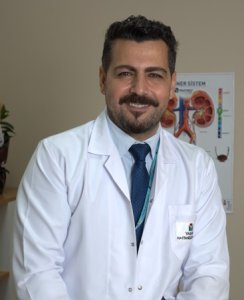
Sahin Kilic
Dr. Sahin Kilic is a urologist in Antalya. He treats urological oncology and performs minimally invasive reconstruction. Dr. Kilic uses robotic and laparoscopic techniques for adrenal, kidney, and bladder surgery. He uses MR-TRUS fusion technology for targeted prostate biopsies.
- Performs robotic radical prostatectomy and Retzius-sparing procedures for prostate cancer.
- Uses Holmium and Thulium laser platforms for HoLEP and flexible ureteroscopy.
- Treats kidney stones using percutaneous nephrolithotomy (PCNL) and laparoscopic methods.
- Creates metabolic risk assessments to prevent urinary stones from returning.
Reviews about Bookimed: Discover Patients' Insights
All reviewsShare this content
 Anna Leonova
FAQ about treatment in Turkey
What medical guidelines do Antalya’s oncology clinics follow for radiation therapy for stomach cancer?
Antalya oncology clinics follow international medical guidelines, including NCCN (National Comprehensive Cancer Network) and ESMO (European Society for Medical Oncology) protocols. Facilities like Memorial Antalya Hospital use Joint Commission International (JCI) standards. They follow ASTRO and ESTRO recommendations for precise radiotherapy delivery.
- Core frameworks: Clinics strictly follow NCCN and ESMO standards for systemic and multimodal sequencing.
- Radiation delivery: Doctors apply ASTRO and ESTRO recommendations using TrueBeam STx linear accelerators.
- Multidisciplinary approach: Mandatory tumor boards including oncologists and surgeons review every patient case.
- Precision technology: Centers use IMRT and IGRT to protect the kidneys, liver, and bowel.
Bookimed Expert Insight: Data shows high-volume centers in Antalya treat 80% of cancer patients with TrueBeam STx technology. Memorial Antalya is one example. This specific linear accelerator provides much tighter margins around the stomach. Facilities with this hardware usually follow international precision-oncology standards more closely.
Patient Consensus: Patients emphasize that radiation is rarely a solo treatment. It usually requires coordination with chemotherapy and surgery. Experts recommend confirming exactly how the oncology team plans to manage nutrition and fatigue. This matters during the intensive treatment cycle.
What are the primary technologies used for radiation therapy in Antalya?
Antalya uses linear accelerators like the Varian TrueBeam STx and Elekta Versa HD for high-precision oncology. These systems deliver Intensity-Modulated Radiation Therapy (IMRT) and Volumetric Modulated Arc Therapy (VMAT). Treatments happen in JCI-accredited facilities. The techniques conform doses to tumor shapes while sparing healthy organs.
- Linear accelerators: TrueBeam STx and Varian Trilogy deliver precise external beam radiation.
- Techniques: VMAT and IMRT modulate beam intensity for complex tumor shapes.
- Image guidance: Integrated CT imaging adjusts for internal organ shifts during sessions.
- Stereotactic systems: SBRT provides high-dose treatment for localized stomach or liver lesions.
Bookimed Expert Insight: Memorial Antalya Hospital data shows 80% of cancer patients receive treatment via TrueBeam STx. Newer models are popular. However, some experienced teams prefer the Varian Trilogy. It offers reliable planning for specific gastrointestinal cases. Always confirm the specific machine model and local planning expertise before booking.
Patient Consensus: Patients emphasize asking for the exact machine model rather than general radiotherapy. Practical advice often includes confirming how the team handles nutrition and nausea throughout treatment.
What support services are available for international patients traveling to Antalya for radiation therapy for stomach cancer?
International patients in Antalya get full support from dedicated coordinators, medical interpreters, and logistics teams. JCI-accredited centers like Memorial Antalya Hospital provide 5-star guest houses, free airport transfers, and tumor board reviews. These reviews follow NCCN and ESMO international oncology guidelines for stomach cancer care.
- Personal coordinators: Case managers handle document reviews and provide itemized cost estimates before travel.
- Language assistance: Professional interpreters support patients during consultations and daily TrueBeam radiation therapy sessions.
- Logistics support: Facilities offer VIP airport meet-and-greets and private transfers to partner 5-star hotels.
- Administrative guidance: Hospitals issue official medical invitation letters to fast-track Turkish medical visa applications.
Bookimed Expert Insight: While many clinics offer basic support, top-tier centers in Antalya like Memorial Hospital run dedicated 5-star guest houses for oncology patients. Housing often includes specialized catering and immediate access to the medical team. This is vital since 80% of their cancer patients undergo radiotherapy.
Patient Consensus: Patients emphasize arriving a few days early to manage fatigue. They also recommend arranging airport assistance through the hospital's international desk to simplify the first day of travel.