Lapidus Procedure 3D Bunion Correction (Hallux Valgus) in Istanbul — get 3 personalized clinic matches

Medically reviewed by
Kayhan Turan
How it works
How Much Does Lapidus Procedure 3D Bunion Correction (Hallux Valgus) Cost in Istanbul?
Lapidus procedure 3d bunion correction (hallux valgus) in Istanbul typically costs from $10,000. The final price depends on technology choices like CAD-assisted 3D-printed guides and the choice between single or bilateral surgery. Patients save around 47% compared to the US, where this procedure costs $16,300 on average. Most quotes in Istanbul include surgery, hospitalization, VIP airport transfers, and translation services.
- Technological complexity: Modern 3D surgical guides and titanium plates often add 20-30% to base costs.
- Bilateral surgery: Correcting both feet during one trip usually adds 50-80% to the single-procedure price.
- Hospital accreditation: JCI-accredited facilities often have slightly higher fees due to rigorous international safety standards.
- Comprehensive packages: Most services bundle medical fees with airport transfers and accommodation for the patient.
Bookimed Expert Insight: Istanbul is the primary Turkish hub for patient-specific orthopedics, offering specialized CAD-assisted technology not widely available in other cities. This concentration of 3D printing expertise creates a high-value opportunity for permanent correction. For instance, Professor Gemalmaz utilizes custom 3D-printed surgical guides to improve precision. Higher-tier centers like Memorial Şişli Hospital, the first JCI-accredited facility in Turkey, combine this surgical accuracy with luxury recovery services.
| Istanbul | Austria | Spain | |
|---|---|---|---|
| Lapidus Procedure 3D Bunion Correction (Hallux Valgus) | from $10,000 | ≈ $5,600 | from $6,600 |
Best Lapidus Procedure 3D Bunion Correction (Hallux Valgus) Clinics in Istanbul: 11 Verified Options and Prices


Turan Turan Health Group

Hisar Hospital Intercontinental
Yusuf Bayram






Professor Gemalmaz - 3D Patient-Specific Orthopedics
Halil Can Gemalmaz



Lokman Hekim Istanbul Hospital
Ruhat Tanli


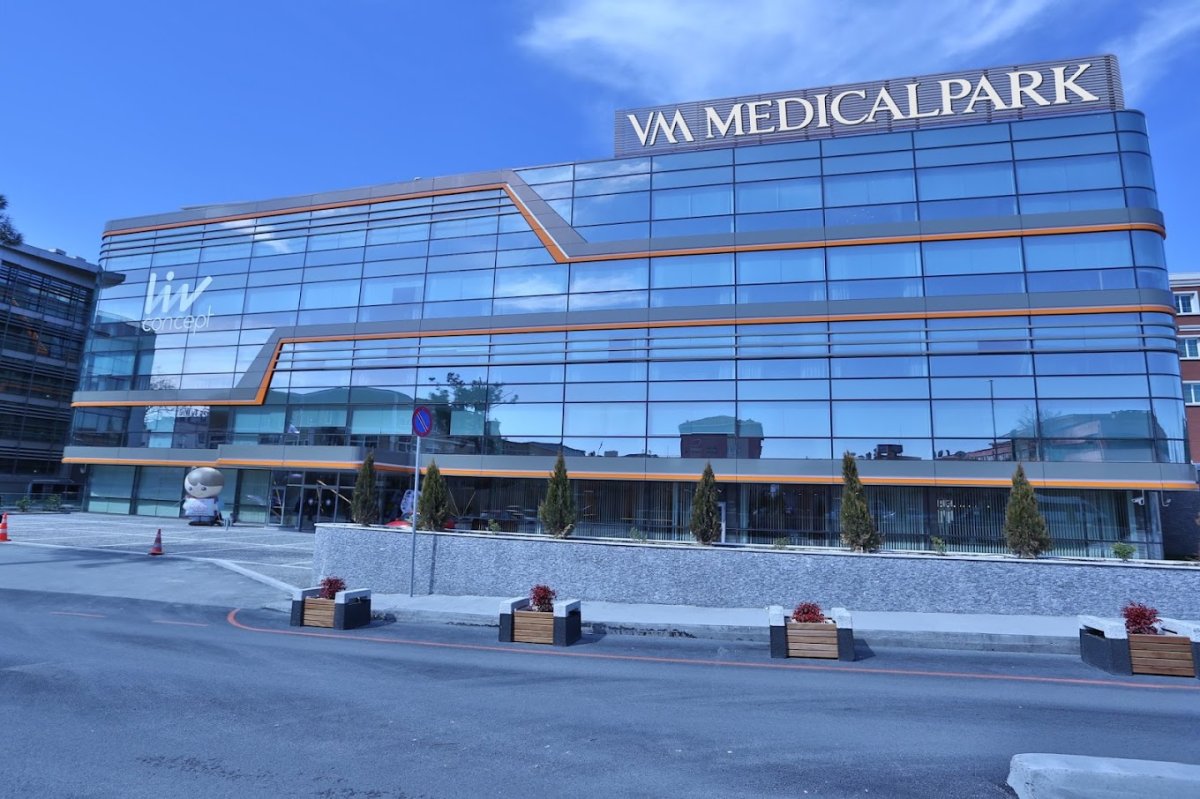
VM Medical Park Florya Hospital
Samet Erinc






Valued Med Hub Hospitals
Prof. Dr. Sami Sokucu


Emsey Hospital
Mehmet Aydogan





Lapidus Procedure 3D Bunion Correction (Hallux Valgus) Overview in Turkey
- Surgical treatment of valgus deformity - from $6,500The operation corrects bunion misalignment, involving precise bone-cutting and realignment, bringing pain relief and improved foot functionality.
- Hallux valgus surgery - from $1,600This procedure corrects bunions by realigning the toe, relieving pain and improving foot appearance.
- Lapidus Procedure 3D Bunion Correction (Hallux Valgus) - from $5,300This procedure realigns skewed foot bones, addressing the root cause of bunions with minimal reoccurrence risk.
- Hallux Valgus - 3D Lapidus Procedure - from $10,000This operation rectifies bunion deformities by realigning bones in 3D, leading to permanent, pain-free outcomes.
Day 1 - Arrival
- Arrive in the country.
- Arrange for your own transfer to the accommodation.
Day 2 - Pre-operation
- Meet with the foot and ankle specialist.
- Undergo necessary medical tests for the procedure.
Day 3 - Operation
- Lapiplasty 3D Bunion Correction takes place.
- The procedure lasts 1-2 hours under general anesthesia.
- Expect to stay in the clinic for observation after surgery.
Day 4 - Post-operation
- Follow-up examination in the clinic.
- Discharge from the clinic with post-operative guidelines.
Week 1-2 - Rehabilitation
- Limit physical activities and rest.
- Follow post-operative care instructions.
Week 3-4
- Slowly resume light activities.
- Continue with home-based rehabilitation exercises.
Week 5-6
- Return to work, depending on job nature.
- Progress to more strenuous activities.
Week 7-8
- Return to sports activities.
- Expect to see the final result of the operation.
Please note that each patient"s recovery timeline may vary depending on individual circumstances.
- Bookimed deposit: $200 or €200.
- Clinic deposit: Pay a set percentage in advance.
Our Trusted Doctors
View all DoctorsYusuf Bayram
Performed 1,000+ orthopedic surgeries – Dr. Bayram specializes in minimally invasive techniques at Hisar Hospital Intercontinental.
- Expert in arthroscopic knee, shoulder, and ankle procedures
- Special focus on spinal conditions like scoliosis and herniated discs
- Trained at Marmara University – one of Turkey's top medical schools
- Performs deformity corrections using modern technology
Halil Can Gemalmaz
Dr. Halil Can Gemalmaz is a professor of orthopedics and traumatology in Istanbul. He is a pioneer in Turkey for 3D patient-specific orthopedic procedures. Dr. Gemalmaz specializes in robotic-assisted joint replacements for the knee and hip. He currently serves as a faculty member at Atlas University Faculty of Medicine.
- Uses 3D planning and custom surgical guides for complex bone deformities.
- Performs robotic-assisted arthroplasty, including MAKOplasty and OMNI systems.
- Treats sports injuries through arthroscopic surgery of the shoulder and knee.
- Practices at a center accredited by the Turkish Medical Association.
Ruhat Tanli
Dr. Ruhat Tanli is an orthopedics and traumatology specialist at Lokman Hekim Istanbul Hospital. He treats bone and joint conditions with a focus on arthroscopy and spinal surgery. He previously served as an orthopedist at Istanbul Beylikduzu State Hospital. Dr. Tanli holds a degree from Istanbul University Faculty of Medicine.
- Specializes in hand surgery, trauma surgery, and arthroplasty.
- Member of the Emergency Hand Surgery and Microsurgery Association.
- Practices at a JCI-accredited hospital that treats 10,000+ patients annually.
- Active member of the Turkish Medical Association.

Selman Dogan
Dr. Selman Dogan is a highly-rated orthopedic surgeon at Hisar Hospital Intercontinental in Istanbul. He specializes in hip and shoulder replacement and treats international patients. Dr. Dogan also manages complex spine and extremity trauma. He holds a degree from the Cerrahpasa School of Medicine. He completed his residency at Istanbul Umraniye Teaching Hospital.
- Expertise includes pediatric orthopedics for conditions like hip dysplasia and pes equinovarus.
- Studied orthopedic oncology at Goztepe Teaching and Research Hospital.
- Performs sports traumatology procedures for meniscus and cruciate ligament injuries.
- Dr. Dogan works at a JCI-accredited facility meeting US healthcare safety standards.
Reviews about Bookimed: Discover Patients' Insights
All reviews




Share this content
 Anna Leonova
FAQ about treatment in Turkey
What does a standard medical travel itinerary look like for this surgery in Istanbul?
A typical medical itinerary for 3D bunion correction in Istanbul spans 7 to 10 days. This makes sure you recover safely before flying. The schedule focuses on pre-surgical CAD-guided planning, the Lapidus fusion procedure, and key early wound checks. These checks help manage post-operative swelling and hardware stability.
- Day 1: Arrival: VIP transfer from airport to hotel for rest and hydration before surgery.
- Day 2: Consultation: Physical exam and 3D-printed guide planning at clinics like Professor Gemalmaz.
- Day 3: Surgery: Lapidus fusion under anesthesia, then overnight monitoring in the hospital.
- Day 4-7: Recovery: Discharge to hotel with strict elevation and icing protocols to manage swelling.
- Day 8-10: Clearance: Final wound check, suture care, and a fitness-to-fly certificate.
Bookimed Expert Insight: Standard surgeries may allow for 5-day stays, but the 3D Lapidus procedure requires a longer 10-day window. Data from clinics like Hisar Hospital suggests this is essential. Surgeons need to confirm early fusion stability and manage initial swelling before you board a long-haul flight.
Patient Consensus: The most critical factor is not the surgery itself but the 2 to 6 weeks of limited mobility that follow. Patients stress planning for strict elevation and non-weight-bearing. Recovery days in Istanbul are not for sightseeing.
How do I select the right clinic or specialist in Istanbul?
To find an Istanbul specialist for 3D bunion correction, check for Joint Commission International accreditation. Also look for high orthopedic surgical volume. Look for surgeons who use CAD-assisted planning or robotic guidance. These are available at centers like Hisar Hospital Intercontinental and Memorial Bahçelievler. They help ensure precise 3D bone alignment and joint stability.
- Accreditation check: Check for JCI Gold Seal accreditation and the Ministry of Health International Health Tourism certificate.
- Specialist focus: Choose surgeons who specialize in foot and ankle deformities, not just general orthopedics.
- Technology access: Look for CAD-assisted planning and 3D-printed surgical guides, like those used by Professor Gemalmaz.
- High volume: Make sure the surgeon performs more than 50 Lapidus procedures a year. This helps ensure optimal alignment.
Bookimed Expert Insight: Istanbul hospitals such as Memorial Şişli offer general orthopedics. But true 3D Lapidus precision is rare. Our data shows that Professor Gemalmaz’s clinic is the only Turkish facility using CAD-assisted planning and 3D-printed guides. Choosing a clinic with these 3D technologies greatly lowers the risk of recurrence, compared to traditional osteotomy methods.
Patient Consensus: Patients stress choosing a surgeon who explains the tarsometatarsal joint fusion, instead of just big-toe correction. They often recommend comparing 3D alignment techniques with minimally invasive options. This helps patients understand the recovery burden.