Surgical treatment of epilepsy in Istanbul — get 3 personalized clinic matches

Medically reviewed by
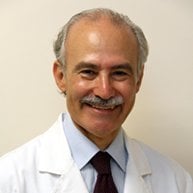
Antonio Russi
How it works
How Much Does Surgical treatment of epilepsy Cost in Istanbul?
| Istanbul | Austria | Spain | |
|---|---|---|---|
| Surgical treatment of epilepsy | from $9,600 | ≈ $24,000 | from $74,600 |
| Vagus nerve stimulation | from $15,000 | ≈ $24,000 | from $24,700 |
| Multiple subpial transections | ≈ $11,000 | ≈ $19,500 | from $65,800 |
| Medication treatment for epilepsy | from $1,300 | ≈ $1,200 | ≈ $900 |
Best Surgical treatment of epilepsy Clinics in Istanbul: 27 Verified Options and Prices


Istanbul Florence Nightingale Hospital
Ramazan Sari




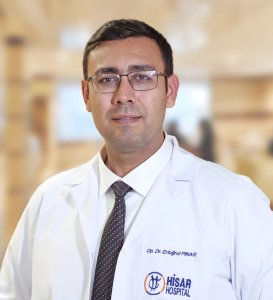
Hisar Hospital Intercontinental
Ertugrul Pinar


Memorial Şişli Hospital
Dilek Necioglu Orken


Valued Med Hub Hospitals
Dogan Gucluhan Guclu


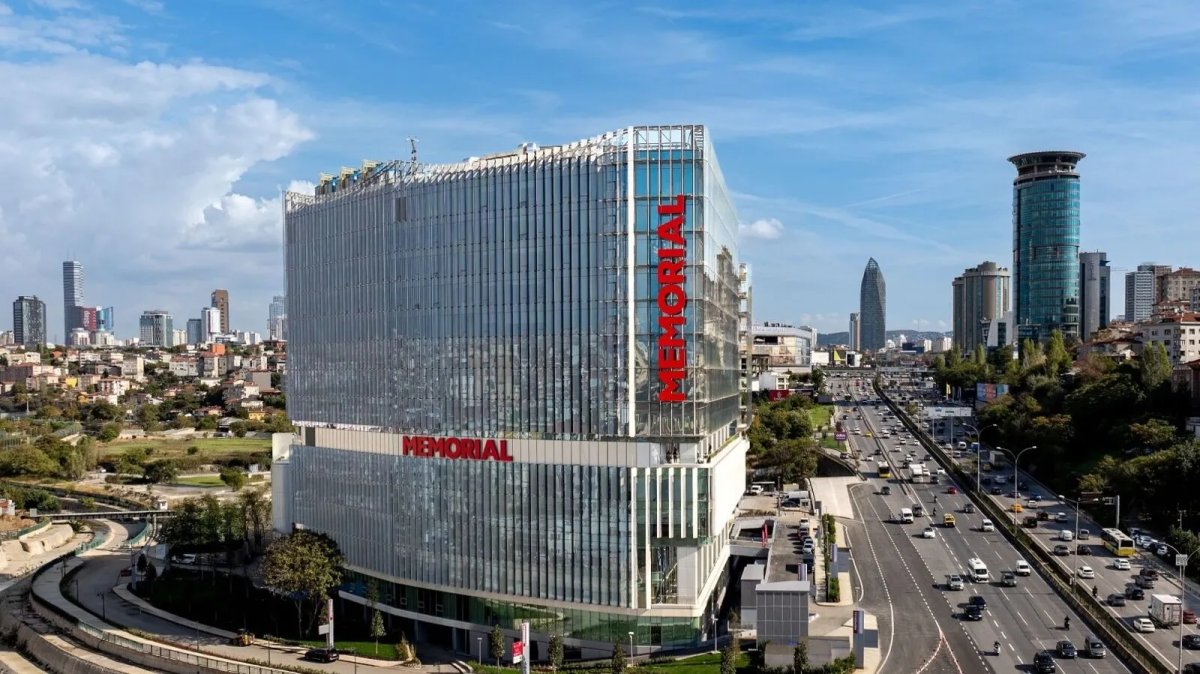
Memorial Göztepe Hospital


Medical Park Bahcelievler Hospital







Surgical treatment of epilepsy Overview in Turkey
- Vagus nerve stimulation - from $15,000This therapy sends electrical impulses to the brain, controlling mood and seizure activity, beneficial for psychiatric and epilepsy patients.
- Surgical treatment of epilepsy - from $9,600Brain tissue removal causing seizures, improving patients" quality of life and reducing medicines.
- Medication treatment for epilepsy - from $1,300This therapy uses drugs to control seizures, helping patients lead normal, active lives.
Day 1
- Arrive in the country for treatment.
- Transfer from the airport to the hotel.
Day 2
- Transfer from the hotel to the clinic.
- Consultation with epilepsy specialists.
Day 3
- Undergo a head MRI.
- Additional medical tests if necessary.
Day 4
- Preparation for surgery.
- Consultation with anesthesiologist for type of anesthesia.
Day 5
- Surgical treatment of epilepsy which lasts a few hours.
- Post-operation monitoring in the recovery room.
Day 6-14
- Stay in the clinic for post-operation monitoring.
- Begin initial stages of rehabilitation.
Week 3-4
- Discharged to hotel for continued recovery.
- Return to light daily activities.
Week 5-6
- Continue rehabilitation program.
- Gradual return to full daily activities.
Week 7+
- Final consultation with the specialist.
- Transfer from the hotel to the airport for departure.
Please note that each patient"s case is individual and may vary. Decisions about the exact course of treatment should be made in cooperation with your healthcare provider.
- Bookimed deposit: $200 or €200.
- Clinic deposit: Pay a set percentage in advance.
Our Trusted Doctors
View all Doctors
Baris Metin
Dr. Baris Metin is a neurologist at NP Istanbul Brain Hospital. He has practiced medicine in both Turkey and Belgium. Dr. Metin focuses on memory disorders, epilepsy, and sleep medicine. He treats complex conditions like Parkinson's and multiple sclerosis. His work includes functional neuroimaging and electroencephalography (EEG).
- Expertise in neurological rehabilitation and post-stroke recovery.
- Authored numerous research papers in national and international scientific journals.
- Treats patients at Europe’s second-ranked brain hospital.
- Practices at a JCI-accredited facility using Deep Transcranial Magnetic Stimulation.
Ertugrul Pinar
Dr. Ertugrul Pinar is a neurosurgeon at Hisar Hospital Intercontinental in Istanbul. He treats adult and pediatric patients with complex brain and spine diseases. Dr. Pinar focuses on brain tumors, vascular aneurysms, and skull base pathologies. He works at a JCI-accredited hospital that serves over 500,000 patients annually.
- Performs specialized procedures including transnasal tumor resection and brain aneurysm repair.
- Treats a wide range of conditions like pituitary adenomas and arteriovenous malformations.
- Expertise covers both surgical oncology and reconstructive spine surgery for herniated disks.
- Provides care for pediatric neurosurgical cases including hydrocephalus and shunt surgeries.

Mehmet Tonge
Dr. Mehmet Tonge specializes in stereotactic and functional neurosurgery at Medipol University, focusing on innovative treatments for epilepsy.
- 32 publications and 41 invited lectures on functional neurosurgery
- Completed EANS training and a Deep Brain Stimulation Fellowship
- Board member of Turkish Stereotactic & Functional Neurosurgery Society
- Expert in Gamma Knife Radiosurgery and MRgFUS

Dogan Gucluhan Guclu
Specializes in surgical treatment of epilepsy at VM Medical Park Florya Hospital, with extensive experience in neurosurgery.
- Board-certified neurosurgeon since 2003
- Expert in minimally invasive and endoscopic techniques
- Published research on improving surgical outcomes
- Trained at Bakırköy Mazhar Osman Training and Research Hospital
Reviews about Bookimed: Discover Patients' Insights
All reviewsRelated Articles

Diagnosed With Epilepsy. Now what? Your 12 To-Dos Roadmap
Written by Anna Leonova
Share this content
 Anna Leonova
FAQ about treatment in Turkey
What is the typical success rate of epilepsy surgery in Istanbul?
Epilepsy surgery in Istanbul typically achieves a 60 to 80 percent success rate for complete seizure freedom. This is particularly true for focal resections like temporal lobe surgery. Leading JCI-accredited centers use intracranial EEG and high-resolution 3T MRI. These tools precisely locate the epileptogenic zone.
- Procedure success: Resective techniques achieve 70 to 80 percent seizure freedom in well-selected temporal lobe patients.
- Neuromodulation results: Vagus Nerve Stimulation (VNS) reduces seizure frequency by 50 to 75 percent.
- Advanced diagnostics: Top clinics use 512-slice CT and AI-supported MRI to pinpoint the source of seizures.
- Hospital stay: Patients usually stay 5 days for specialized inpatient monitoring.
Bookimed Expert Insight: Patients often think only about the surgery. But the 5-day hospital stay included in Istanbul packages is what truly sets them apart. The 5-day stay means intensive monitoring after surgery. Clinics like Memorial Ataşehir use this time to fine-tune medication. Data shows that clinics with high-volume transplant departments often have better neuro-intensive care units for recovery. Memorial Bahçelievler is one such clinic.
Patient Consensus: Patients often define success by their quality of life. Even a major reduction in tonic-clonic seizures can be life-changing. Patients stress that the pre-surgical evaluation is just as important as the surgery. This rigorous phase is critical to a good outcome.
What does the recovery and rehabilitation process look like after epilepsy surgery in Istanbul?
Recovery after epilepsy surgery in Istanbul typically involves a 3 to 7-day hospital stay at JCI-accredited facilities. Patients receive immediate post-operative monitoring in specialized neuro-intensive care units. After that, a 4 to 8-week gradual transition back to school or desk-based work begins.
- Hospital stay: Patients typically stay in the hospital for 5 days after selective amygdalohippocampectomy or open craniotomy.
- Surgical follow-up: Stitches or staples are usually removed between days 7 and 14 after surgery.
- Activity limits: Patients must avoid strenuous exercise and heavy lifting for about 2 to 6 weeks.
- Medical management: Neurologists keep patients on anti-seizure medication (ASM) protocols. They consider tapering only after a period of stability.
- Cognitive therapy: Memory and speech evaluations happen months later to help manage potential long-term energy returns.
Bookimed Expert Insight: Istanbul clinics like Florence Nightingale use laminar airflow surgery rooms and 3T MRI. These help minimize infection risks and refine surgical precision. Packages often include airport transfers. This is important because patients must avoid driving for several months after surgery.
Patient Consensus: Expect ongoing fatigue and emotional ups and downs, like anxiety or mood shifts, during the first few months. Patients often suggest arranging home support for the first week. Simple movements can still be difficult after leaving the hospital.
Who is a candidate for epilepsy surgery in Istanbul?
Candidates for epilepsy surgery in Istanbul are usually patients with drug-resistant focal epilepsy. Their seizures start in a specific brain area that can be safely removed. Ideal candidates have tried at least two anti-seizure medications without success. They also suffer from disabling seizures that greatly affect their quality of life.
- Medication resistance: Seizures continue after trying 2 or more medications that were appropriately chosen and tolerated.
- Focal onset: Testing confirms seizures start in one localized area, like the temporal lobe.
- Surgical safety: The seizure focus must not overlap with critical zones for speech or movement.
- Concordant data: Imaging like 3T MRI and video-EEG must point to the same focus.
Bookimed Expert Insight: Istanbul clinics often emphasize a team approach, involving both neurologists and neurosurgeons. For example, professors at Istanbul Florence Nightingale Hospital and Hisar Hospital Intercontinental use 3 Tesla MRI and PET scans to pinpoint the exact seizure focus. If a patient is not a candidate for resection, these clinics frequently offer vagus nerve stimulation (VNS) or deep brain stimulation (DBS) as alternatives.
Patient Consensus: Patients stress that a normal routine EEG does not rule out surgery. More advanced monitoring, like stereo-EEG, often reveals hidden seizure origins. They suggest bringing a complete medication history and seizure videos to speed up the long evaluation process.
What types of surgical treatments for epilepsy are available in Istanbul clinics?
Istanbul clinics offer a wide range of surgical epilepsy treatments. These include resective surgery, neuromodulation, and minimally invasive radiosurgery. Specialized centers use technologies like 3.0T MRI and intraoperative MRI to treat drug-resistant cases. The facilities are JCI-accredited and have over 25 years of experience.
- Resective surgery: Includes selective amygdalohippocampectomy and lobe resection to remove seizure-onset zones.
- Neuromodulation devices: Vagus nerve stimulation (VNS) and deep brain stimulation (DBS) for multifocal epilepsy.
- Radiosurgery options: Gamma Knife and CyberKnife provide non-invasive treatment for deep-seated brain lesions.
- Disconnection procedures: Multiple subpial transections and corpus callosotomy prevent the spread of seizures.
Bookimed Expert Insight: Istanbul clinics like Memorial and Florence Nightingale offer specialized packages. These include a 5-day hospital stay for selective amygdalohippocampectomy. The longer stay allows neurosurgeons to monitor patients closely after surgery to confirm the seizure focus was removed accurately.
Patient Consensus: Patients say that surgery often happens in stages. It requires intensive video-EEG monitoring to find the seizure zones. Patients often find that VNS or DBS may not stop all seizures. However, these treatments greatly reduce seizure frequency and severity.