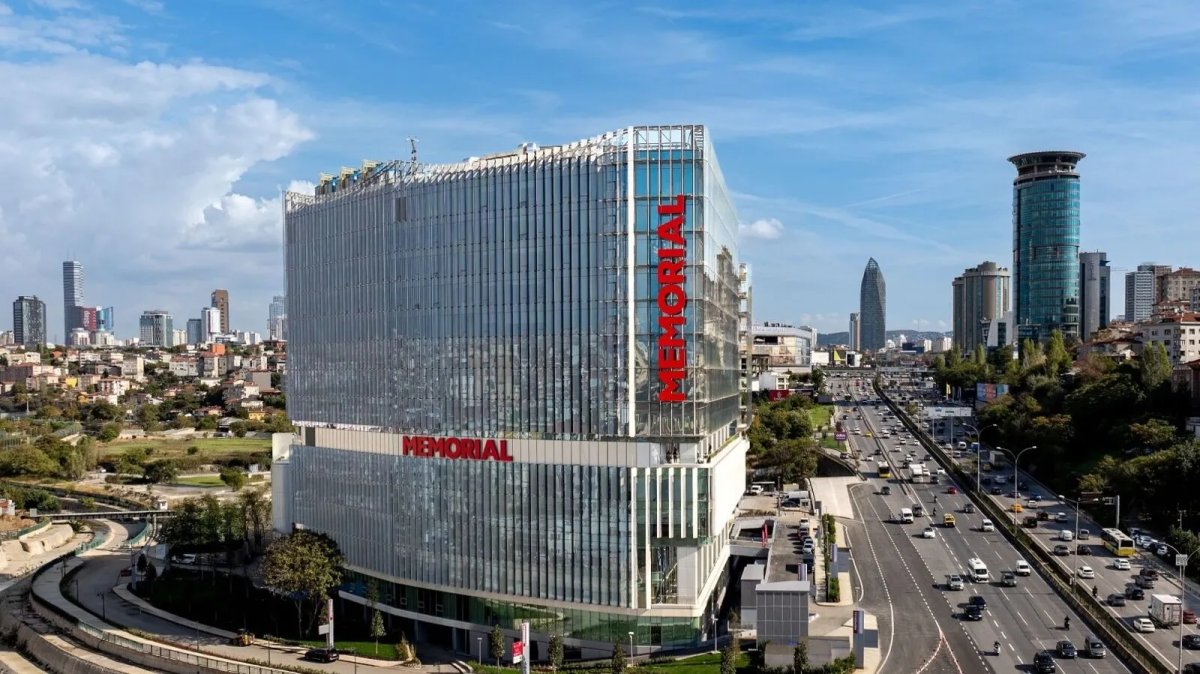
Memorial Göztepe Hospital
Turkey, Istanbul
Calf implants in Turkey cost $2,200 to $4,700, about 59% less than the US average of $8,500 (Bookimed data, November 2026). Bookimed lists 11 calf implant clinics in Turkey, in Istanbul and Izmir, including ISO-certified and JCI-accredited clinics. These clinics are rated 4.6/5 in 1,355 verified patient reviews on Bookimed.

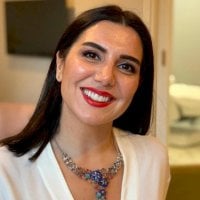
Medically reviewed by
Leyla Arvas
Calf implants in Turkey typically cost from $2,200 to $2,200 depending on the surgical technique, implant brand, and clinic location. Patients save around 59% compared to the US, where the average cost is $8,500. Packages usually include surgical fees, high-quality silicone implants, hospital stay, local transfers, and post-operative medications.
Bookimed Expert Insight: Choosing a clinic with specialized trainers offers superior value. Dr. Leyla Arvas at Quartz Hospital is a certified Vaser trainer. This expertise often results in more refined contouring around the implants. While Istanbul clinics like Memorial Sisli hold JCI accreditation, Antalya clinics offer competitive all-inclusive rates. High success rates over 96% make these premium Turkish facilities a reliable choice.
| Turkey | The UK | The USA | |
|---|---|---|---|
| Calf implants | from $2,200 | from $6,500 | from $6,000 |
| Clubfoot calf implant | ≈ $2,300 | ≈ $4,800 | ≈ $6,000 |
| Calf implant for skinny legs | from $4,300 | ≈ $5,000 | ≈ $6,500 |
| Calf implant for men | from $4,000 | ≈ $6,500 | ≈ $6,500 |




Bookimed, a leading global medical tourism platform, is committed to helping clients looking for Calf implants in Turkey by offering expert assistance and trustworthy medical solutions for every situation. Smart automatic ranking system is used to compose transparent clinic listings, meticulously maintained by a data scientist using AI for accuracy. The platform guarantees authenticity by publishing reviews from real patients after their treatments. Bookimed offers comprehensive medical solutions, with updates from clinics to ensure trustworthiness. The content about Calf implants in Turkey, crafted by experienced medical authors and reviewed by specialists, adheres to Bookimed"s Editorial Guidelines, reflecting the platform"s commitment to delivering high-quality and clear health information. For more details or inquiries, feel free to contact us at marketing@bookimed.com or learn more about us and our mission About Bookimed .
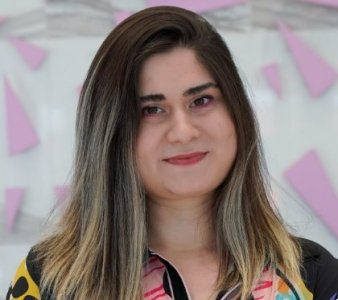
Dr. Aysel Pasazade is a plastic and reconstructive surgeon at Quartz Hospital in Istanbul. She holds the prestigious EBOPRAS certification. This credential confirms her competence meets high European standards. Dr. Pasazade specializes in complex body and facial transformations.

Dr. Ozturk specializes in plastic reconstructive and aesthetic surgery at Memorial Şişli Hospital.
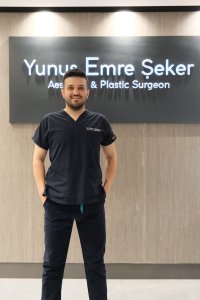
Trained under Prof. Dr. Ömer Özkan, a pioneer in reconstructive transplantation – Dr. Seker brings precision from complex transplant surgeries to calf implants.

Dr. Ilker Manavbaşı is a member of the prestigious Rhinoplasty Society, specializing in facial and body aesthetic procedures.












 Anna Leonova

Calf implants in Turkey are safe when performed by board-certified plastic surgeons in Joint Commission International (JCI) accredited hospitals. High safety standards are maintained through the use of medical-grade silicone implants and rigorous surgical protocols in major medical hubs like Istanbul and Antalya.
Bookimed Expert Insight: Data shows a clear safety advantage at multidisciplinary centers like Hisar Hospital Intercontinental. These facilities serve over 250,000 patients annually and have full-scale intensive care units. Choosing a hospital over a boutique clinic ensures immediate specialized support if rare complications occur during the procedure.
Patient Consensus: Patients emphasize the importance of virtual consultations to verify English proficiency and aftercare plans. While most report high satisfaction with sterile environments, others advise budgeting for local follow-up care upon returning home.
Common risks of calf implant surgery include implant displacement, capsular contracture, and seroma formation. While procedures at JCI-accredited Turkish facilities maximize safety, patients may experience temporary nerve numbness or muscle tightness. Asymmetry and infection remain potential complications requiring careful surgeon selection and strict post-operative adherence.
Bookimed Expert Insight: Data from high-volume Istanbul clinics shows that the 20% revision rate often stems from undersized pockets. Surgeons like Dr. Leyla Arvas at Quartz Hospital prioritize precise pocket mapping to prevent shifting. Choosing a JCI-accredited facility like Memorial Şişli ensures emergency protocols are in place for rare risks like compartment syndrome.
Patient Consensus: Patients emphasize that results take over 6 months to settle fully. Many warn against flying home too early to avoid swelling-related complications and potential deep vein thrombosis.
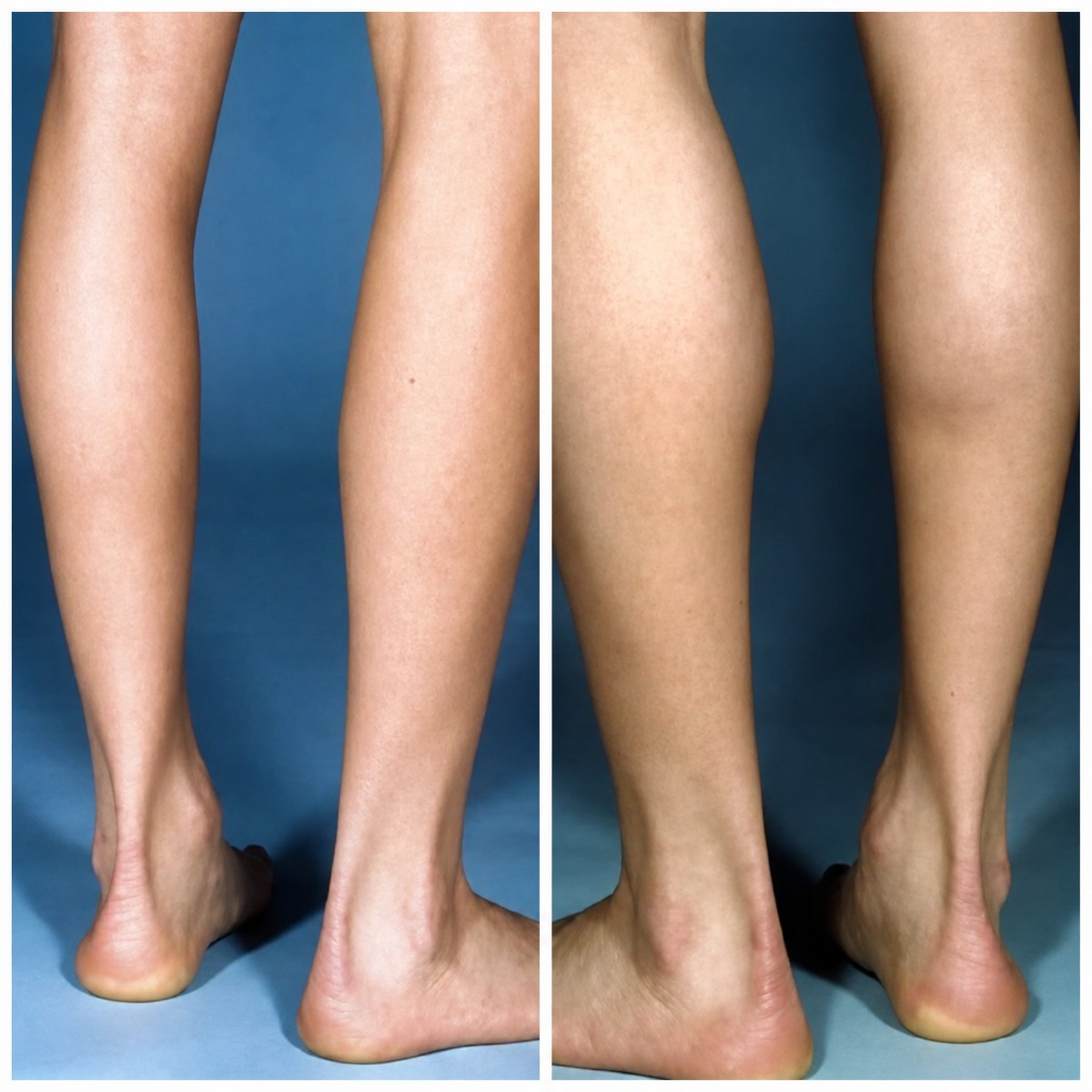
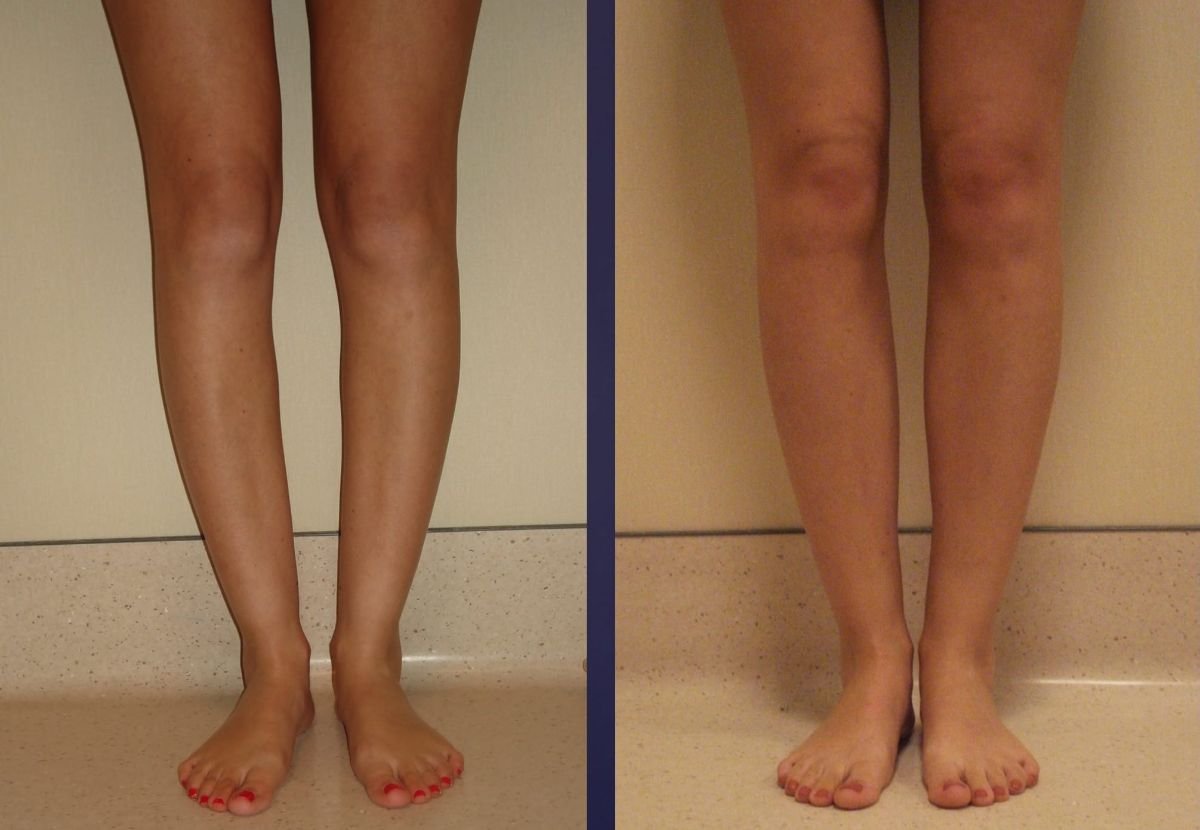
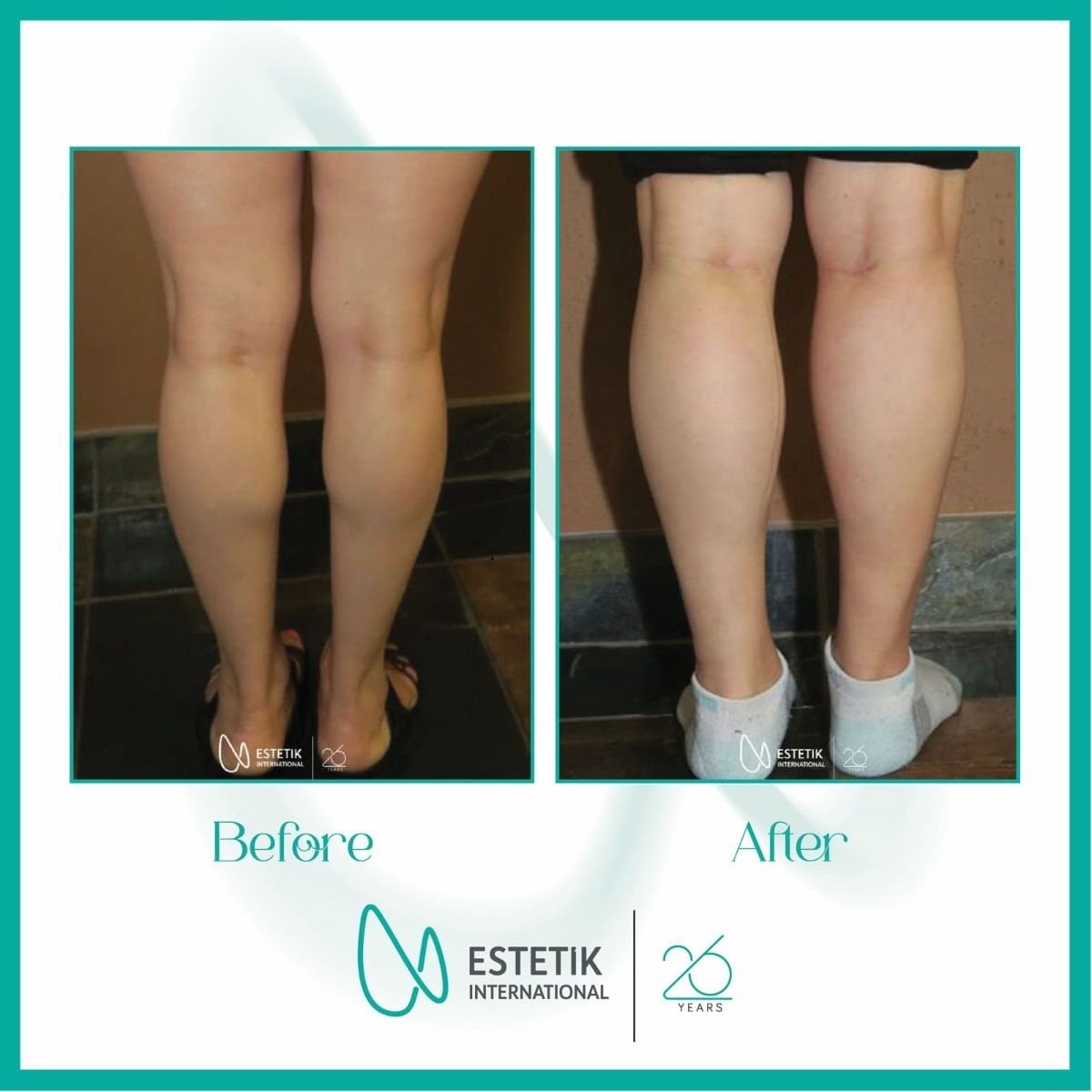
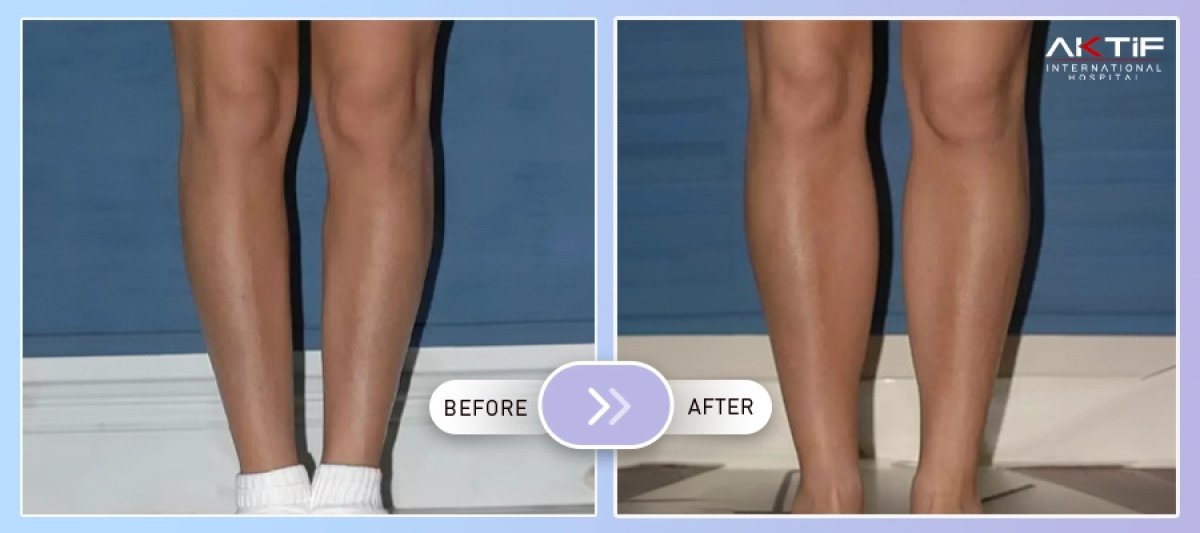
Calf implants in Turkey look natural when surgeons use anatomical silicone implants or hybrid techniques combining fat grafting to soften visible edges. Results depend on integrating the implant beneath the muscle or fascia to mimic natural tone rather than a surgically altered appearance.
Bookimed Expert Insight: While many clinics offer standard sizes, Istanbul surgeons like Dr. Ali Er at Elixirmed Clinic prioritize custom sizing. Data shows that implants exceeding 250 cc often create a top-heavy bulge on slim frames. A successful natural outcome relies on matching the implant volume to your existing base width rather than choosing the largest available size.
Patient Consensus: Patients emphasize that edges may remain visible for the first 3 months. Most report that incorporating light gym work and massage significantly helped the implants blend into their natural leg contour.
Calf implants are typically permanent medical devices made of solid or semi-solid silicone that cannot leak or rupture. While the implants do not expire, most patients maintain their aesthetic results for 10 to 20 years before natural body changes or scar tissue may require a revision procedure.
Bookimed Expert Insight: Data from high-volume Istanbul centers shows that long-term stability depends heavily on the surgeon's experience. Dr. Yavuz Özsular has performed over 4,000 procedures, illustrating the high expertise level available. Clinics like Memorial Şişli Hospital, the first in Turkey to earn JCI accreditation, provide the sterile environment necessary to prevent early complications like capsular contracture.
Patient Consensus: Patients emphasize that strictly following activity restrictions for the first 6 weeks is vital. Many highlight that choosing silicone gel over saline options leads to more durable and natural-looking results over a decade later.
Calf implant surgery is a one-to-two-hour outpatient procedure performed under general anesthesia or sedation. Surgeons create a 1.5 to 2.5-inch incision in the natural crease behind the knee and insert silicone implants into a pocket created above or beneath the gastrocnemius muscle.
Bookimed Expert Insight: While many patients focus on implant size, the most successful outcomes in Turkey come from using intra-operative sizers. Leading surgeons at clinics like Quartz Hospital often test multiple temporary dimensions during the procedure. This ensures the 250–350 cc silicone volume perfectly matches your natural leg anatomy before final insertion.
Patient Consensus: Patients emphasize that while the initial soreness requires medication, the ability to walk shortly after surgery is a relief. Many recommend staying in Turkey for 10–14 days to ensure proper incision healing before your flight home.
Recovery after calf implant surgery typically requires 4 to 6 weeks for basic mobility and 3 to 6 months for full physical activity. Patients usually return to sedentary work within 2 weeks, while residual swelling takes up to 12 weeks to resolve completely for final cosmetic results.
Bookimed Expert Insight: Data from top Turkish clinics like Istanbul Aesthetic Plastic Surgery Center shows a growing trend in combining calf implants with manual lymphatic drainage. Starting these massages in week 2 can noticeably accelerate swelling reduction. While some patients walk comfortably by day 14, the most successful outcomes come from those who strictly avoid driving for the first 10 days to prevent implant shifting.
Patient Consensus: Patients often emphasize the need for pre-arranged airport transfers and travel assistance, as navigating terminals alone is difficult during the first week. Many report that while the initial soreness is intense, the implants begin to feel natural around the 6-month mark.
You should plan to stay in Turkey for 7 to 10 days for calf implants. This timeframe allows for surgery, a mandatory 1-night hospital stay, and critical monitoring of leg circulation. Staying at least one week significantly reduces travel risks like deep vein thrombosis.
Bookimed Expert Insight: While some clinics suggest 3 days is enough, our data shows patients often regret early departures. Swelling management is hardest during the first week. Choosing a clinic like Memorial Şişli Hospital provides JCI-accredited safety standards during this critical window. We see better outcomes when patients stay through day 10. This allows for more comfortable mobility before the flight home.
Patient Consensus: Patients emphasize that traveling before day 7 feels risky due to intense pressure and swelling. Many recommend booking aisle seats for the return journey to keep legs moving easily.