Chemical Peel in Turkey — get 3 top clinic matches with costs
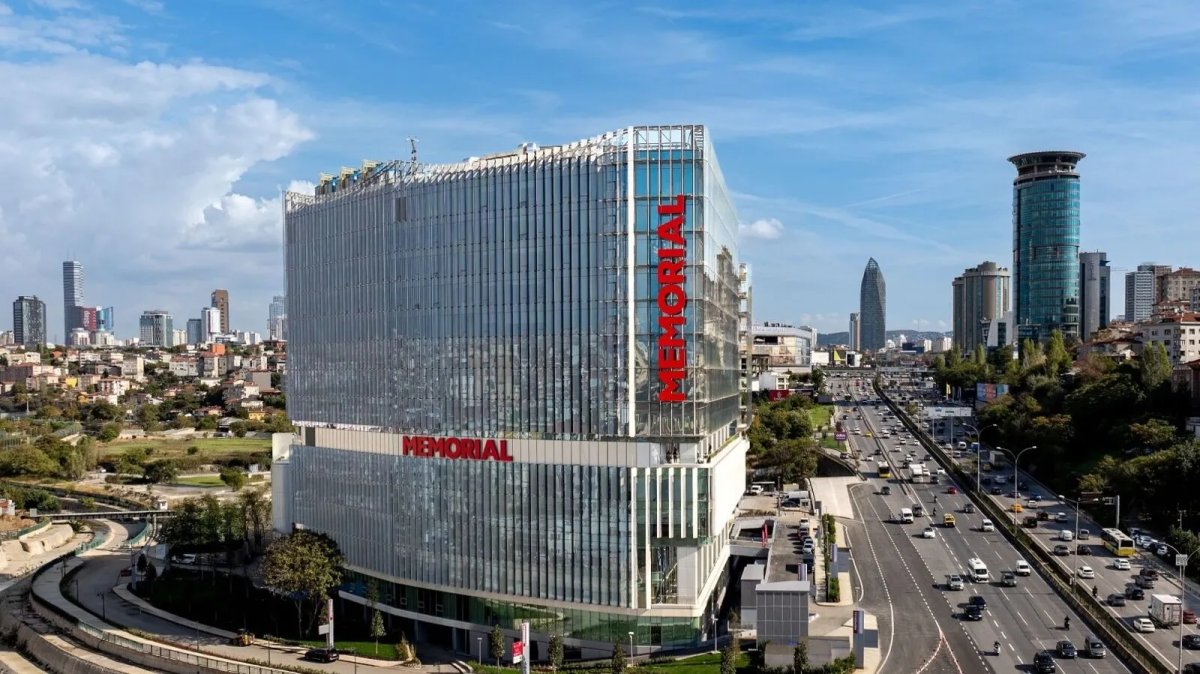
Chemical peel in Turkey is offered by Memorial Bahçelievler Hospital, an ISO-certified and JCI-accredited clinic in Istanbul. The clinic is rated 4.6/5 in 165 verified patient reviews on Bookimed.


Medically reviewed by
Fahad Mawlood
How it works
How Much Does Chemical Peel Cost in Turkey?
A chemical peel in Turkey typically costs from $150 to $250. Prices depend on the chemical depth, clinic location, and local specialist expertise. In the US, patients elsewhere pay $300 on average for similar treatments. Choosing Turkey offers savings of approximately 33%. Standard sessions usually include a professional skin analysis and a dermatologist consultation.
- Superficial peels: These sessions generally start between 15-20% lower than the national average.
- Medium-depth treatments: These procedures typically range from $150 to $250 per session.
- Deep phenol peels: Complex renewals can cost significantly more than standard glycolic or TCA options.
- Major medical hubs: Main destinations for these treatments include Istanbul, Antalya, and Izmir.
- Carbon laser peels: This specialized technique often adds a premium over traditional chemical solutions.
Bookimed Expert Insight: Istanbul offers high-tier value through JCI-accredited facilities like Memorial Şişli Hospital. Professional dermatologists there, such as Dr. Makbule Dundar, bring over 25 years of experience. While basic sessions start around $150, premium medical-grade treatments at specialized centers like Quartz Hospital can reach $2,400. Savvy patients look for clinics that bundle expert consultations within the session price.
| Turkey | The UK | The USA | |
|---|---|---|---|
| Chemical Peel | from $150 | ≈ $150 | ≈ $150 |
Discover the Best Chemical Peel Clinics in Turkey: 38 Verified Options and Prices


Memorial Bahçelievler Hospital
Leyla Elmas




Dr. Esra Cabuk Comert's Clinic
Esra Cabuk Comert


Memorial Göztepe Hospital



Estetik International Istanbul
Çağatay Güngörsün




Chemical Peel in Turkey: Your Travel Plan
Day 1: Arrival in Turkey
- Upon landing, ensure you have all necessary documents, including confirmed flight tickets and any medical reports like CT/MRI scans.
- Head to your pre-arranged accommodation. Most clinics offer airport transfers. Look for your driver holding a sign with your name.
- Rest and prepare for the upcoming consultation. Avoid strenuous activities and stay hydrated.
Day 2: Pre-Procedure Consultation
- You need to visit the clinic for your scheduled consultation. Bring any medical history documents. Inform the clinic if you have allergies or are taking prescribed medications.
- The dermatologist will discuss the chemical peel process, specifically the Cosmelan peel, recommended for treating pigmentation issues.
- If required, additional diagnostics like a chest X-ray may be conducted.
- Discuss any pre-operative instructions, such as avoiding certain medications or supplements like multivitamins, aspirin, and blood thinners at least 2 weeks before the procedure.
- Confirm your procedure schedule and make any necessary payments as per the clinic’s policy.
Day 3: Day of Chemical Peel Procedure
- Arrive at the clinic for your chemical peel session. This may involve Cosmelan or other agents like glycolic acid or salicylic acid.
- Ensure you have fasted for at least 8 hours if sedation is involved.
- The procedure involves applying chemical agents to the skin to promote peeling and rejuvenation.
- Post-procedure, the clinic will provide specific aftercare instructions. These may include avoiding sun exposure and using prescribed skincare products.
- Arrange for a transfer back to your accommodation and rest for the remainder of the day.
Day 4: Post-Procedure Care and Follow-Up
- Continue with the recommended skincare regimen as advised by your dermatologist.
- Attend any follow-up appointments to assess the healing process and effectiveness of the chemical peel.
- Report any unusual symptoms like excessive redness or irritation to the clinic immediately.
- The clinic may provide additional treatments such as moisturizers or serums to enhance healing.
Day 5: Leisure and Recovery
- Use this day to relax and explore local attractions. Avoid direct sunlight and strenuous activities.
- Maintain hydration and follow the skincare routine provided by the clinic.
- Prepare for your journey back home. Ensure you have all necessary documents and post-procedure care instructions.
Day 6: Departure from Turkey
- Check out of your accommodation. Ensure your transportation to the airport is arranged.
- Keep in touch with the clinic for any post-departure queries or follow-up care instructions.
- Plan for any follow-up care or additional treatments as advised by your dermatologist back home.
- Ensure you have contact information for the clinic should you need further assistance or advice once you return home.
Bookimed, a leading global medical tourism platform, is committed to helping clients looking for Chemical Peel in Turkey by offering expert assistance and trustworthy medical solutions for every situation. Smart automatic ranking system is used to compose transparent clinic listings, meticulously maintained by a data scientist using AI for accuracy. The platform guarantees authenticity by publishing reviews from real patients after their treatments. Bookimed offers comprehensive medical solutions, with updates from clinics to ensure trustworthiness. The content about Chemical Peel in Turkey, crafted by experienced medical authors and reviewed by specialists, adheres to Bookimed"s Editorial Guidelines, reflecting the platform"s commitment to delivering high-quality and clear health information. For more details or inquiries, feel free to contact us at marketing@bookimed.com or learn more about us and our mission About Bookimed .
Our Trusted Doctors
View all Doctors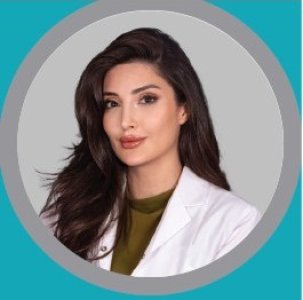
Nur Afsar
Dr. Nur Afsar combines scientific precision with aesthetic sensitivity, specializing in personalized skin rejuvenation techniques.
- 7 years of experience in medical aesthetics
- Advanced training in Ultherapy and Radiesse
- Specializes in non-surgical facial contouring
- Fluent in current aesthetic technologies and trends

Cemal Firat
Professor Firat specializes in aesthetic surgery, bringing extensive expertise to chemical peel procedures at Medical Park Antalya Hospital Complex.
- Board-certified in plastic and reconstructive surgery
- Trained at Inonu University, a leading medical institution
- Focuses on both aesthetic and reconstructive techniques
- Published research on advanced healing methods
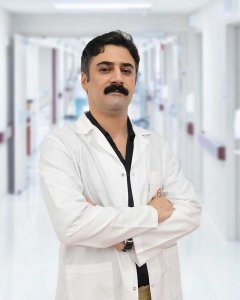
Semih Ozcinar
Op. Dr. Semih Özçınar is a plastic, reconstructive, and aesthetic surgeon. He earned his M.D. from Ankara University and completed his plastic surgery residency at İnönü University. He is a member of the International Society of Aesthetic Plastic Surgery (ISAPS).
His scientific work includes an oral presentation at the 2022 National Congress of the Turkish Society of Plastic, Reconstructive and Aesthetic Surgery titled "Retrospective Analysis of Regional, Free, and Local Flaps in Head and Neck Reconstruction." He also wrote a thesis on the effect of septocolumellar flap use on nasal tip projection in rhinoplasty.
He has completed training in ISAPS Live Surgery Rhinoplasty, the ISAPS World Congress 2022 in Istanbul, Bosphorus Breast Live Surgery, the 9th Rhinoplasty & Facial Aesthetics fresh cadaver course, BTS International Aesthetic in Sweden, and FABCAST meetings. His focus areas are facial aesthetics, breast surgery, body contouring, and reconstruction.

Funda Ataman
Dr. Funda Ataman is a dermatologist at Hisar Hospital Intercontinental in Istanbul. She specializes in skin cancer treatment, dermatologic surgery, and cosmetic rejuvenation. Dr. Ataman graduated from the Istanbul University Faculty of Medicine. She then completed a residency at the Haydarpaşa Numune Hospital Dermatology Clinic.
- Treats allergic skin diseases, hyperhidrosis, and skin tumors.
- Performs cosmetic procedures including Botox, laser treatments, and fillers.
- Uses dermatoscopy for precise skin examination and cancer screening.
- Works at Hisar Hospital, which holds JCI accreditation for safety and quality.
Video Stories from Bookimed Patients
Reviews about Bookimed: Discover Patients' Insights
All reviews






Chemical Peel: Before & after photos
View all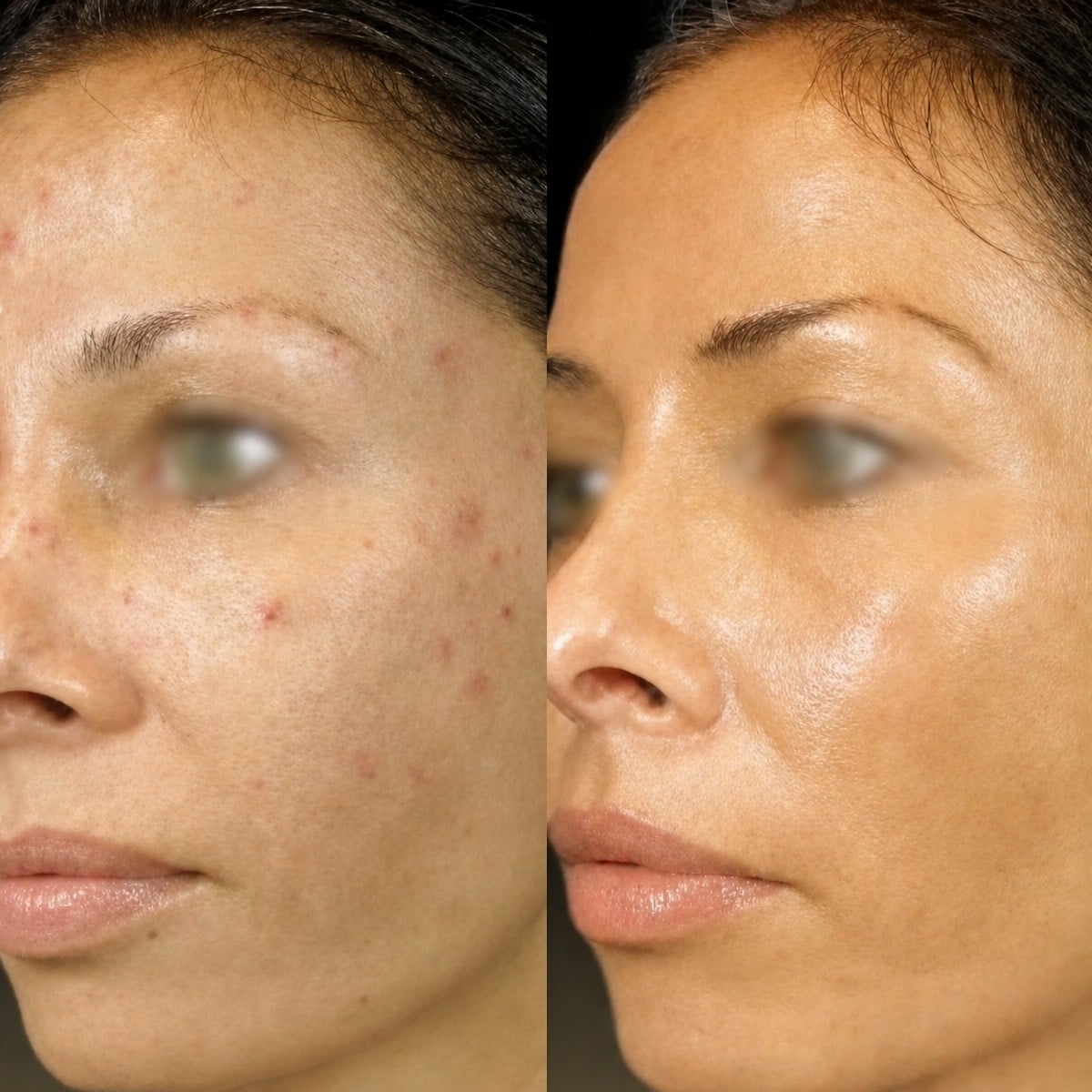
Share this content
 Anna Leonova

FAQ about Chemical Peel in Turkey
Will I need anesthesia?
Most chemical peels in Turkey do not require general anesthesia. Dermatologists typically apply a topical numbing cream or gel to manage discomfort during light or medium-depth treatments. Patients usually experience a manageable stinging sensation for 20 to 60 minutes during the active peeling process.
- Topical numbing: High-strength lidocaine cream is standard for medium-depth peels in Istanbul.
- Cooling techniques: Clinics often use handheld fans or cold air devices during application.
- Oral sedation: Some facilities offer light sedatives like Valium for highly anxious patients.
- Deep peels: Very rare phenol-based treatments may require IV sedation in hospital settings.
Bookimed Expert Insight: Choosing a dermatology-led clinic like Trustmed Clinic or Quartz Hospital often eliminates hidden fees. Since these procedures rarely require an anesthesiologist, you avoid the typical $300 to $500 hospital sedation charge found in US-based cosmetic suites. This contributes to the significant 33% savings compared to the $300 average cost in the United States.
Patient Consensus: Patients describe the sensation as a strong but short-lived burning that is easy to handle without IV drugs. Many suggest taking ibuprofen 30 minutes before the appointment to stay comfortable during the initial post-treatment redness.
Is the procedure painful?
Most patients describe a chemical peel in Turkey as a manageable sensation of intense heat or stinging rather than sharp pain. While light peels cause mild tingling for 5 to 10 minutes, medium TCA or Jessner peels may create a temporary burning feeling that subsides quickly after the neutralizing solution is applied.
- Procedure sensation: Patients often compare the feeling to hot oil or a localized sunburn on the face.
- Anesthesia options: Turkish clinics frequently apply topical numbing creams and use cooling fans to maximize comfort.
- Recovery period: Post-treatment tightness and peeling typically last 3 to 7 days without requiring heavy medication.
- Pain management: Mild discomfort after the session is easily controlled using over-the-counter relievers and cool compresses.
Bookimed Expert Insight: Data from top-tier Istanbul clinics like Quartz Hospital shows that surgeons often utilize advanced cooling technologies alongside chemical applications. This approach significantly reduces the peak stinging sensation compared to traditional application methods, making the process much more tolerable for international patients seeking quick recovery.
Patient Consensus: Many find the temporary stinging for 20 minutes well worth the results, noting that the sensation is more of a nuisance than true pain. Strategic use of petroleum jelly during the 7-day peeling phase is highly recommended to prevent skin tightness from becoming uncomfortable.
Which cities are best for this procedure?
Istanbul, Antalya, and Ankara are the premier destinations for a chemical peel in Turkey, offering specialized dermatological care in JCI-accredited facilities. Istanbul serves as the primary hub with the highest concentration of expert dermatologists and advanced laser technologies at clinics like Quartz Hospital and Memorial Şişli.
- Istanbul: Features the most board-certified dermatologists and international clinics like Medipol Mega University Hospital.
- Antalya: Ideal for combining treatment with recovery, featuring expert surgeons at Medical Park Antalya Complex.
- Ankara: Offers high-quality clinical care at specialized centers like Dr. Esra Cabuk Comert's Clinic.
- Sivas: Provides access to experienced specialists like Dr. Nese Kurt Ozkaya for personalized aesthetic treatments.
Bookimed Expert Insight: Istanbul is the clear leader for complex dermatological procedures because clinics there invest heavily in the latest energy-based skin technologies. While Istanbul offers the most variety, Antalya’s top hospitals serve over 10,000 international patients annually, often providing more competitive pricing for routine aesthetic services.
Patient Consensus: Patients frequently recommend Istanbul for its English-speaking staff and seamless follow-up care. Travelers also note that scheduling lighter peels in Antalya during holidays is convenient if sun protection is strictly managed.
What is the recovery time?
Recovery after a chemical peel in Turkey typically lasts 7 to 21 days depending on treatment depth. Patients usually return to social activities within 7 to 10 days as initial redness and heavy peeling peak between days 3 and 7 following the procedure.
- Superficial peels: Expect 7 days of mild flaking and redness similar to a light sunburn.
- Medium peels: Recovery takes 10 to 14 days for skin to fully regenerate and heal.
- Darker skin tones: Healing may extend to 21 days due to higher risks of temporary pigmentation.
- Sun protection: Apply SPF 50 daily for 4 weeks to protect new, sensitive skin layers.
Bookimed Expert Insight: While many clinics suggest a 3 to 5 day downtime, our data shows social recovery usually requires 10 days. Patients at high-volume centers like Quartz Hospital often schedule 7 to 10 days in Istanbul to ensure the heaviest peeling phase passes before flying home.
Patient Consensus: Most patients report looking like they have a severe sunburn for the first 3 days. They recommend staying indoors until day 7 when heavy flaking subsides and makeup can safely cover any remaining pinkness.
What should I avoid after the treatment?
After a chemical peel in Turkey, you must avoid direct sun exposure, active skincare ingredients, and heat for 2 to 4 weeks. Protection from UV rays is critical in Turkey to prevent permanent hyperpigmentation and ensure the new skin layers heal without complications or scarring.
- Sun exposure: Avoid direct sunlight for 4 weeks; use SPF 50+ and reapply every 2 hours.
- Active topicals: Skip retinols, AHAs, BHAs, and Vitamin C for 7 to 14 days post-treatment.
- Physical interference: Never pick or peel flaking skin manually to prevent infection and permanent scarring.
- Heat and moisture: Avoid saunas, hot showers, and strenuous exercise for at least 1 to 2 weeks.
- Lifestyle restrictions: Refrain from alcohol and smoking for 72 hours to ensure optimal blood flow.
Bookimed Expert Insight: While many think recovery is just 1 week, our data shows full healing often takes 4 weeks. Clinics like Quartz Hospital or Memorial Bahçelievler Hospital suggest coordinating your flight 7 days after the procedure. Early travel and cabin air can severely dehydrate treated skin, leading to unnecessary redness or discomfort.
Patient Consensus: Patients emphasize that Turkey's intense sun can cause immediate darkening if you skip sunscreen. Most recommend focusing on gentle hydration and resisting the urge to touch peeling areas to avoid long-term marks.
How many sessions will I need?
Most patients require 1 to 3 chemical peel sessions in Turkey to achieve visible skin rejuvenation. Light superficial peels typically provide results after a single treatment. More complex concerns like deep melasma or acne scarring often require a series of 3 sessions spaced 4 to 6 weeks apart.
- Light peels: Often require only 1 to 2 sessions for texture and brightness.
- Medium TCA peels: Usually involve 2 to 3 sessions for deeper pigmentation issues.
- Treatment spacing: Clinicians schedule sessions 4 to 6 weeks apart for skin recovery.
- Maintenance: Doctors recommend 1 annual follow-up session to sustain long-term results.
Bookimed Expert Insight: While single sessions cost between $150 and $250, booking a multi-session package is more efficient. Data shows clinics like Quartz Hospital serve 6,500 patients annually using advanced technologies. These high-volume centers often bundle 3 sessions into one cost-effective plan. This approach ensures better clinical outcomes for scarring than isolated treatments.
Patient Consensus: Patients emphasize that while one session improves glow, addressing deep pigmentation requires patience. They often suggest a video consultation to confirm the necessary depth before traveling.
Can chemical peels be done on areas other than the face?
Chemical peels effectively treat the neck, chest, back, hands, and legs to address sun damage, acne, and rough texture. Specialized body formulations often use higher acid concentrations, such as 15% Trichloroacetic Acid, because body skin is thicker and more resilient than facial skin.
- Treatment areas: Clinics commonly treat the décolletage, back, shoulders, arms, and bikini line.
- Formulation strength: Body skin tolerates stronger Trichloroacetic Acid or glycolic acid than the face.
- Healing time: Recovery varies, with bikini lines flaking in 5 days while chests take longer.
- Safety protocols: Specialists recommend test patches on non-facial areas to ensure skin tolerance.
Bookimed Expert Insight: Data from top Istanbul clinics shows that patients frequently bundle face, neck, and hand treatments into a single session. This approach ensures a uniform skin tone across visible areas for a total cost of $200–$250. This represents a significant value compared to the $300 average in the US, saving patients roughly 33%.
Patient Consensus: Patients report excellent results using Jessner’s solution for back acne and VI peels for bikini line discoloration. They emphasize using loose clothing and constant moisturizing, as body areas experience more friction and slower healing than the face.
Which cities in Turkey are best for this procedure?
Istanbul and Antalya are the premier destinations for a chemical peel in Turkey. Istanbul serves as the primary medical hub with the highest concentration of JCI-accredited facilities and dermatology specialists. Antalya offers competitive pricing and remains a popular choice for patients combining aesthetic treatments with Mediterranean resort recovery.
- Istanbul expertise: Features specialized clinics like Quartz Hospital and Memorial Şişli with JCI-accredited safety standards.
- Antalya convenience: Ideal for light peels during vacations, though specialized medium-depth treatments are less common.
- Specialist density: Istanbul hosts expert dermatologists like Dr. Makbule Dundar, focusing on advanced skin resurfacing.
- Regional options: Izmir and Sivas offer quality care at clinics like Medicana, providing a relaxed atmosphere.
Bookimed Expert Insight: Data shows Istanbul clinics like Quartz Hospital serve 6,500 patients annually and often include high-tech skin analysis before peeling. While prices range from $150 to $250, Istanbul’s value lies in its volume of board-certified dermatologists. This experience translates to better customized protocols compared to smaller coastal cities.
Patient Consensus: Patients value Istanbul for its English-speaking staff and comprehensive care. Many recommend sticking to university-affiliated clinics in coastal areas like Izmir to ensure medical-grade results rather than basic spa treatments.