Conservative treatment for habitual dislocation of the shoulder in Turkey — get 3 personalized clinic matches
Bookimed lists 14 conservative treatment for habitual dislocation of the shoulder clinics in Turkey, mostly in Istanbul, Bursa, and İzmir, including ISO-certified and JCI-accredited clinics. These clinics are rated 4.6/5 in 1,190 verified patient reviews on Bookimed.

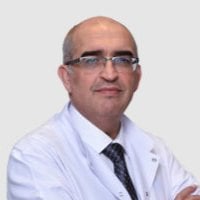
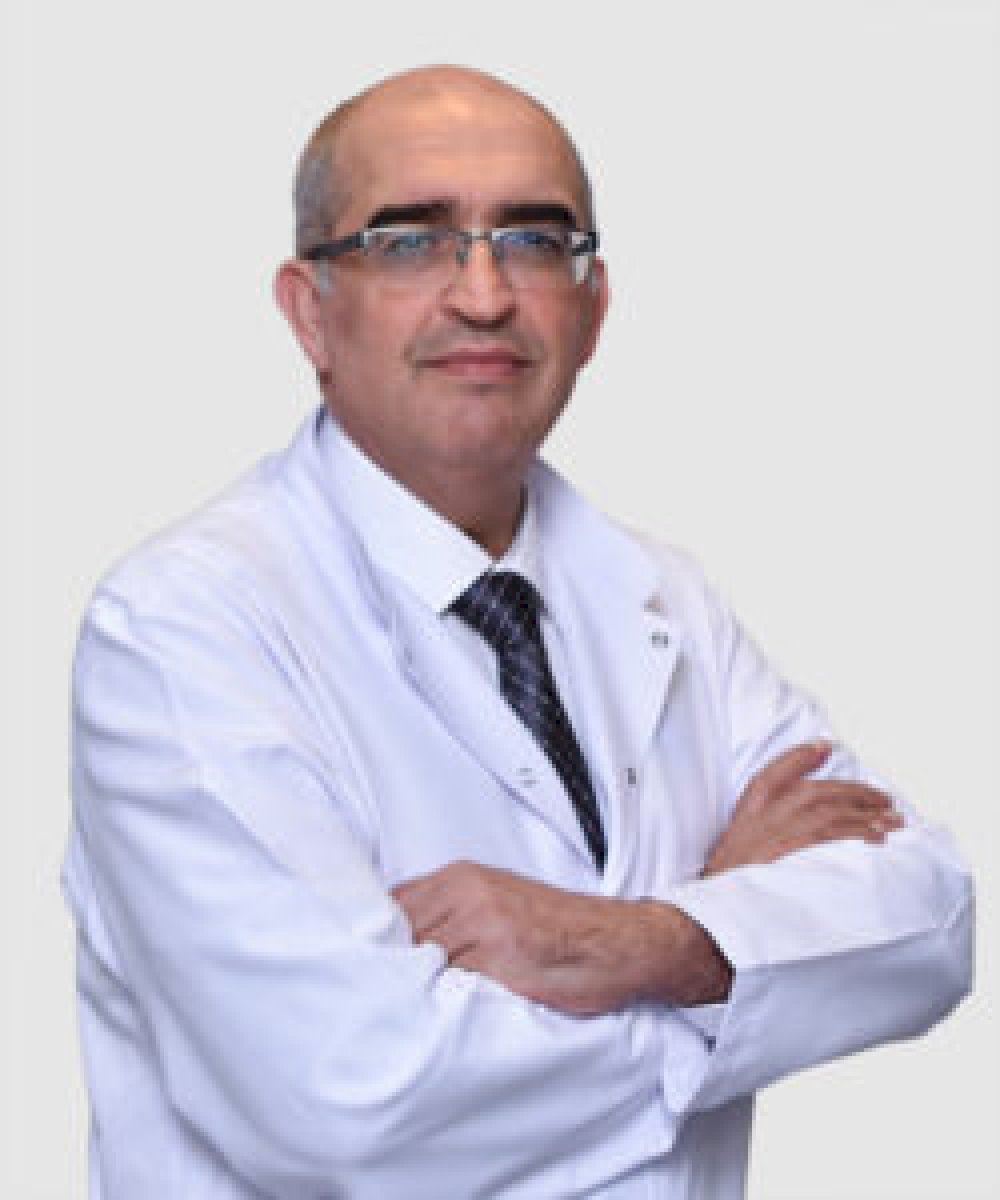
Medically reviewed by
Kayhan Turan
How it works
How Much Does Conservative treatment for habitual dislocation of the shoulder Cost in Turkey?
Conservative treatment for habitual dislocation of the shoulder in Turkey typically costs from $450 to $1,100. Final pricing depends on the clinic tier, city, and the specific rehabilitation protocol required for joint stabilization. In the US, similar non-surgical treatments cost around $3,900 on average. Patients save around 80% compared to US prices while receiving care in JCI-accredited facilities.
- Diagnostic assessments: Orthopedic consultations and initial evaluations vary based on the specialist's seniority.
- Imaging services: MRI and CT scans are used to assess labrum and ligament integrity.
- Physical therapy: Intensive exercise programs represent the primary cost of non-surgical shoulder stabilization.
- Regional variations: Medical hubs like Istanbul and Bursa offer a high concentration of specialized orthopedic clinics.
Bookimed Expert Insight: Choosing specialized centers like Turan Turan Health Group in Bursa offers unique value. They focus heavily on robotic and orthopedic innovation with over 25 years of experience. While some Istanbul clinics like Hisar Hospital Intercontinental provide JCI-accredited care for approximately $900, Bursa-based intensive packages may reach $2,500. This higher price often includes more comprehensive diagnostic suites and advanced rehabilitation technology for long-term joint stability.
| Turkey | Austria | Spain | |
|---|---|---|---|
| Conservative treatment for habitual dislocation of the shoulder | ≈ $450 | ≈ $1,400 | ≈ $900 |
Discover the Best Conservative treatment for habitual dislocation of the shoulder Clinics in Turkey: 14 Verified Options and Prices


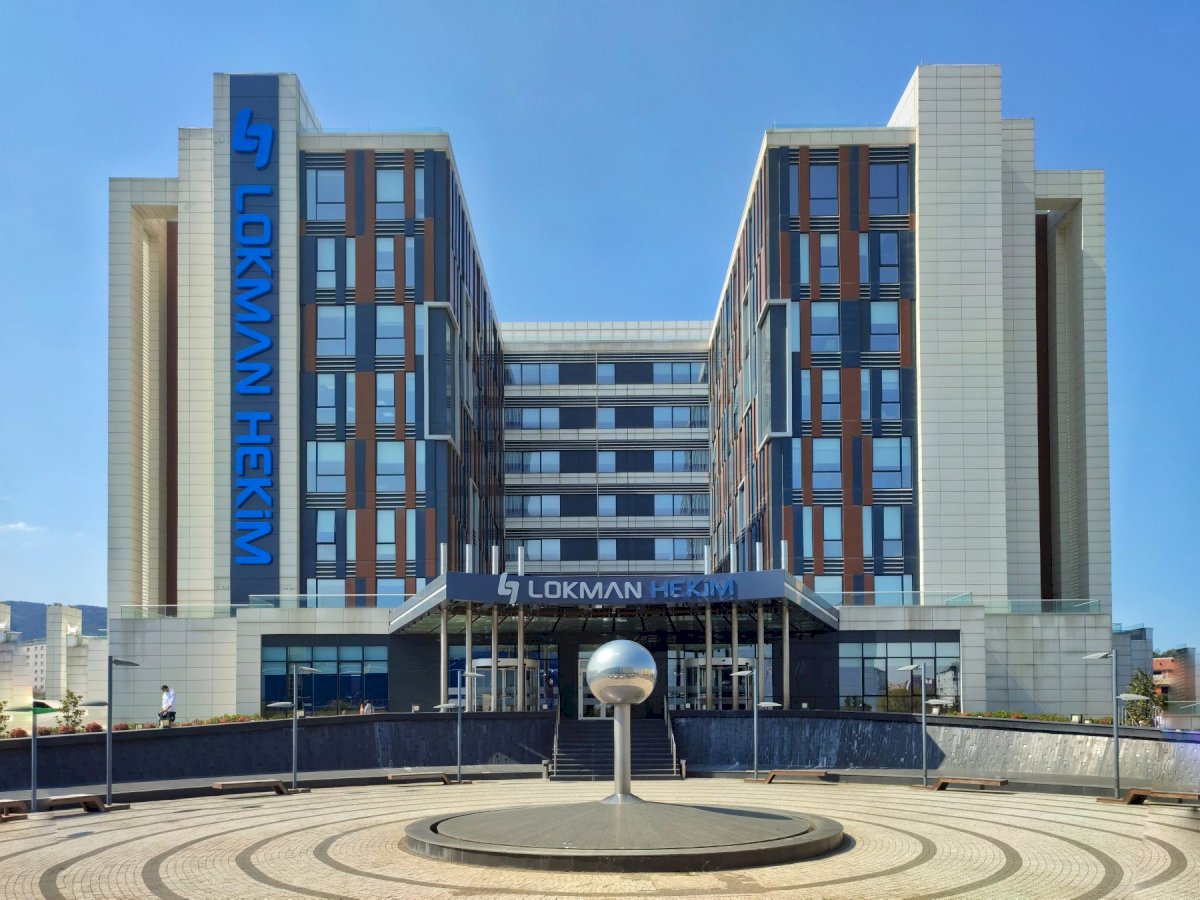

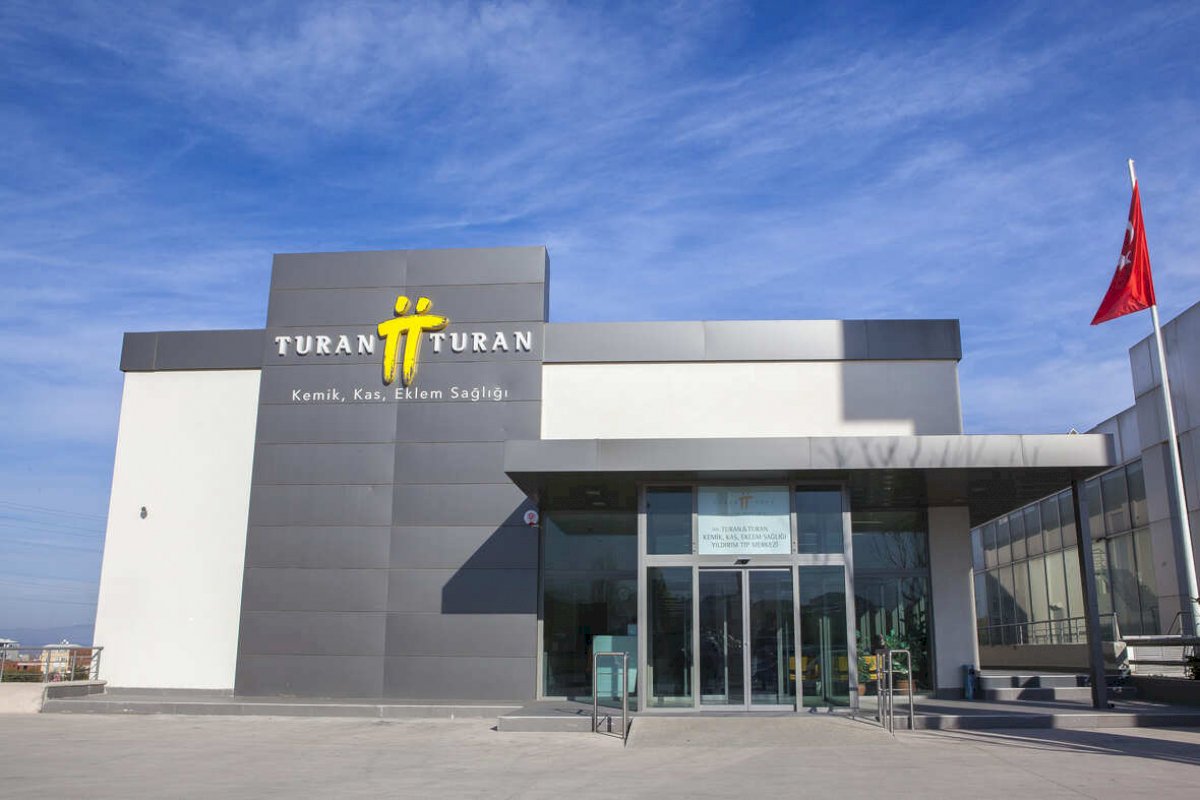
Turan Turan Health Group

Hisar Hospital Intercontinental
Gursel Saka







Estophia Hospital
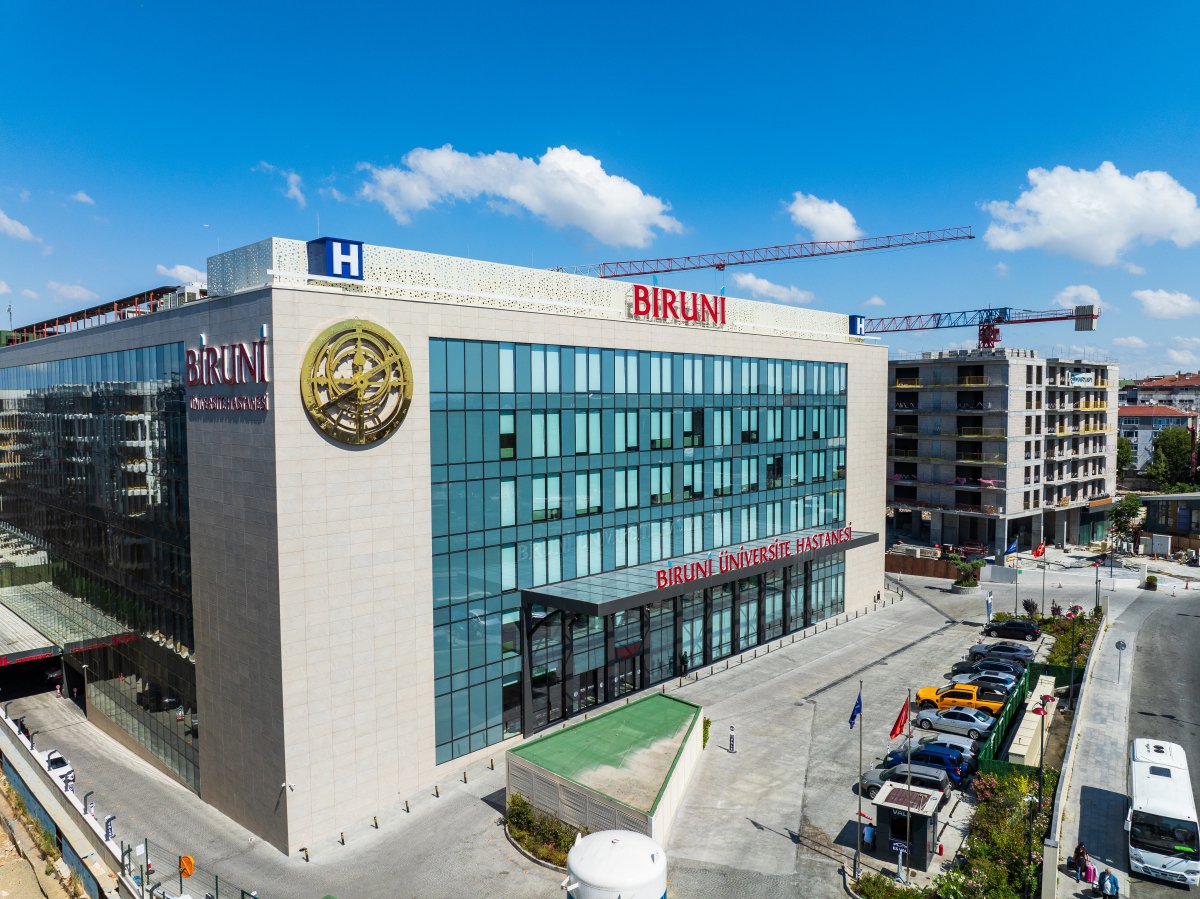

SYSTEM HOSPITAL

Egemed Hospitals
Conservative treatment for habitual dislocation of the shoulder Overview in Turkey
- Rotator cuff repair surgery - from $2,500This procedure mends damaged shoulder tendons, improving mobility and easing pain via low-risk surgical intervention.
- Shoulder replacement - from $4,500This surgery involves exchanging worn-out shoulder parts with artificial components to relieve pain and improve function.
- Bankart repair - from $5,500The procedure treats shoulder instability by fixing torn ligaments to tighten the joint, reducing dislocation risk.
Day 1: Arrival
- Arrive at the country and settle in your accommodation.
- Visit the hospital for initial consultation and registration.
Day 2: Pre-Operation
- Consult with an orthopedic surgeon for medical examination.
- Undergo necessary medical tests such as X-ray and MRI.
- Discuss treatment plan with the medical team.
Day 3: Conservative Treatment
- Begin conservative treatment like physical therapy sessions.
- Learn about shoulder strengthening exercises.
- Attend sessions for pain management techniques.
Day 4 to Day 7: Post-Operation
- Continue with physical therapy sessions daily.
- Have regular check-ups with the orthopedic surgeon.
- Begin a slow and gradual return to normal activities.
Week 2
- Progress with more advanced shoulder exercises.
- Attend sessions for posture correction and muscle strengthening.
Week 3 to Week 6: Rehabilitation
- Gradually increase physical activities under supervision.
- Return to work or school after 3 to 4 weeks.
Week 7 onwards
- Resume sports or heavy physical activities after 6 weeks.
- See the final result and full recovery after 8 weeks.
Note: These timelines could vary depending on individual"s recovery speed, the severity of the dislocation, and adherence to the rehabilitation program.
- Bookimed deposit: $200 or €200.
- Clinic deposit: Pay a set percentage in advance.
Our Trusted Doctors
View all DoctorsGursel Saka
Prof. Dr. Gursel Saka specializes in trauma surgery and arthroplasty, with a focus on complex orthopedic cases at Hisar Hospital Intercontinental.
- Completed specialty education at University of Health Sciences
- Expert in spine surgery and pelvis-acetabulum surgery
- Finalist at Tubitak XI. Technology Awards
- Associate Professor at Health Sciences University

Bahtiyar Demiralp
Specializes in orthopedic oncology and trauma surgery – Dr. Demiralp brings extensive expertise from GATA Military Medical Faculty and Mayo Clinic.
- Trained at Mayo Clinic's Orthopedic Departments
- Expert in external fixation techniques for complex cases
- Associate Professor in Orthopedic Oncology and Trauma
- Member of Turkish Musculoskeletal Tumor Society
- Recipient of multiple research awards in orthopedics

Sami Sokucu
Specializes in conservative treatments for shoulder dislocations, including the innovative flexion-adduction-external rotation method.
- Board-certified in Orthopaedics and Traumatology with over 23 years of experience
- Published research on shoulder dislocation treatments in peer-reviewed journals
- Faculty member at Istanbul Aydın University, teaching advanced orthopedic techniques
- Member of the European Board of Orthopaedics and Traumatology (EBOT)

Selman Dogan
Specializes in sports traumatology – Dr. Dogan has extensive experience managing sports-related ligament and tendon injuries.
- Graduated from Istanbul University Cerrahpasa School of Medicine
- Residency at Istanbul Umraniye Teaching and Research Hospital
- Additional training in Orthopedic Oncology at Medeniyet University
- Expert in both conservative and surgical treatments for shoulder dislocations
Reviews about Bookimed: Discover Patients' Insights
All reviews



Share this content
Video Stories from Bookimed Patients
 Anna Leonova
FAQ about Conservative treatment for habitual dislocation of the shoulder in Turkey
Is conservative treatment for habitual shoulder dislocation in Turkey safe and effective?
Conservative treatment for habitual shoulder dislocation in Turkey is safe and effective for sedentary or older patients. Success rates reach 90% when using multi-phase rehabilitation programs. However, active individuals may face recurrence if structural bone defects exceed 14%, necessitating advanced MRI diagnostics at JCI-accredited centers.
- Success rates: Specialized Turkish clinics report up to 90% effectiveness for non-surgical stabilization.
- Clinical limitations: Recurrence risks increase significantly if structural glenoid bone defects are present.
- Treatment components: Programs include joint reduction, immobilization, and intensive rotator cuff strengthening.
- Top facilities: Memorial Şişli Hospital and Hisar Hospital Intercontinental provide JCI-accredited orthopedic care.
Bookimed Expert Insight: While conservative therapy is available for $450, data suggests many young patients eventually transition to surgery. Dr. Erman Cekic at OrtoCare has performed 10,000+ joint procedures, highlighting a trend toward combining physical therapy with regenerative options like stem cell therapy. This hybrid approach often provides better stability than traditional bracing alone.
Patient Consensus: Many active patients report that physical therapy alone failed to prevent weekly dislocations. Most recommend considering early arthroscopic repair in Turkey to avoid long-term joint damage.
Who is a good candidate for non-surgical treatment of recurrent shoulder dislocation?
Ideal candidates for non-surgical shoulder dislocation treatment include patients over 30 with functional instability, low-demand lifestyles, or multi-directional laxity. Success depends on minimal bone loss and the absence of labral tears, requiring intensive physical therapy to strengthen the rotator cuff and scapular stabilizers.
- Age factor: Patients over 30 experience lower recurrence rates compared to younger populations.
- Activity level: Non-athletes or individuals with low physical overhead demands show better outcomes.
- Structural integrity: Candidates must have less than 20% glenoid bone loss and no tears.
- Treatment commitment: Success requires a 3–6 month intensive program including bracing and biofeedback.
Bookimed Expert Insight: While non-surgical treatment in Turkey costs $450 to $1,100, the real value lies in the clinical focus on first-time dislocators. Data indicates a sharp success drop for those with over 5 episodes, making early intervention at JCI-accredited centers like Hisar Hospital Intercontinental critical for avoiding future $15,000 replacements.
Patient Consensus: Many patients find that adhering to a 6-month home exercise program is the hardest part. Those who commit to physical therapy after their first dislocation often achieve long-term stability without needing invasive surgery.
What does the step-by-step physiotherapy programme look like?
A step-by-step physiotherapy programme for shoulder dislocation in Turkey involves a 12-to-16-week phased progression focusing on joint stability. Most plans transition from initial protection and isometric holds to advanced biofeedback-guided instability drills and closed-chain kinetic exercises to prevent future subluxations.
- Phase 1: Focuses on protection, wall-walk range-of-motion, and shoulder taping for early stabilization.
- Phase 2: Introduces active strengthening via scapular retractions and YTWL drills three times weekly.
- Phase 3: Employs functional proprioception using Bosu balance and perturbation drills for muscle re-timing.
- Phase 4: Transitions to high-load eccentrics and sport-specific reactivation after 3 to 6 months.
Bookimed Expert Insight: Turkish clinics like Turan Turan Health Group often utilize specialized shoulder rehab gyms with 25 years of experience to manage conservative cases. Many high-volume centers in Istanbul combine traditional Neer or Rowe protocols with handheld mirror biofeedback. This dual approach helps patients self-correct posture at home, significantly increasing long-term success rates without surgery.
Patient Consensus: Success depends on strict adherence to the 12-week timeline, as over-zealous loading during the middle phase often causes temporary setbacks. Patients emphasize tracking weekly range-of-motion logs to catch instability issues before they lead to another dislocation.
Can habitual shoulder dislocation be treated without surgery in Turkey?
Habitual shoulder dislocation can be treated non-surgically in Turkey through structured rehabilitation and muscle strengthening. Specialist clinics in Istanbul and Bursa utilize intensive physical therapy, rotator cuff strengthening, and proprioception training to stabilize the joint, often avoiding invasive procedures for patients with functional instability.
- Treatment methods: Focuses on rotator cuff strengthening, scapular stability, and progressive proprioception training.
- Typical timeframe: Requires 3 to 6 months of intensive physical therapy for measurable stability.
- Success criteria: Best results occur in voluntary dislocators or patients with low physical demands.
- Clinical credentials: Facilities like Memorial Şişli Hospital and Hisar Hospital hold Joint Commission International accreditation.
Bookimed Expert Insight: Data shows Turkey is a top global destination for orthopedics, with clinics like Hisar Hospital serving over 250,000 patients annually. While conservative treatment costs $450 to $1,100, patients should note that high-impact athletes often transition to surgery. Clinics like Turan Turan Health Group consolidate 25 years of experience to help decide if 3 months of therapy will suffice or if robotic-assisted intervention is needed.
Patient Consensus: Many patients find success with aggressive physical therapy for milder cases, especially when sticking to a 6-month protocol. However, those with more than 3 dislocation episodes often report that surgery eventually becomes necessary for lasting joint stability.
What risks or complications should I be aware of?
Primary risks of conservative shoulder treatment in Turkey include high recurrence of instability and progressive joint damage. While non-surgical methods like physical therapy avoid surgical infection, they carry risks of muscle atrophy, nerve compression from bracing, and long-term osteoarthritis due to repeated micro-trauma from minor joint movements.
- Recurrence risk: High potential for repeated dislocations even with diligent 6–12 months of physical therapy.
- Joint degradation: Repeated instability can lead to Hill-Sachs lesions or advanced cartilage and labrum wear.
- Bracing complications: Prolonged immobilization may cause skin irritation, ulnar nerve compression, or significant muscle atrophy.
- Psychological impact: Fear of re-injury often leads to activity avoidance and social isolation during recovery.
Bookimed Expert Insight: Data from top Istanbul centers shows a trend where patients with over 3 dislocations annually often face failing conservative paths. Surgeons like Dr. Sami Sokucu at VM Medical Park Florya emphasize that delaying imaging can mask underlying labrum damage. We see better long-term outcomes when patients combine therapy with high-quality custom-fitted braces to prevent the nerve issues common with generic medical-grade supports.
Patient Consensus: Many patients express frustration when dislocations occur during sleep despite months of therapy. The constant anxiety of a `shoulder slip` often creates a significant emotional burden that limits daily social life.
What does a typical conservative treatment plan include?
Conservative treatment for habitual shoulder dislocation in Turkey combines physical therapy, immobilization, and proprioceptive training to stabilize the joint without surgery. This 8–12 week non-invasive approach focuses on strengthening the rotator cuff and scapular muscles to prevent future instability episodes and restore full range of motion.
- Initial immobilization: Patients typically wear a sling for 2–4 weeks to settle acute inflammation.
- Physical therapy: Intensive programs focus on scapular stabilization and rotator cuff strengthening exercises.
- Proprioceptive training: Specialized drills improve joint position sense to prevent unplanned subluxation or movements.
- Activity modification: Patients must avoid overhead reaching, throwing, and contact sports during early recovery.
Bookimed Expert Insight: Success in Turkey often hinges on session frequency rather than just the technique used. While US protocols may suggest 2 weekly sessions, data from Turkish orthopedic centers like Hisar Hospital Intercontinental shows that patients achieving the best stability usually complete 4–5 guided sessions per week. This higher intensity during the first 12 weeks significantly improves the chances of avoiding future surgical intervention.
Patient Consensus: Recovery depends heavily on strict compliance with home exercises and early activity restrictions. Most re-dislocations occur within the first 4 weeks of returning to sports, requiring very close monitoring by the medical team.
How long do I need to stay in Turkey for the complete non-surgical shoulder dislocation programme?
A complete non-surgical shoulder dislocation programme in Turkey typically requires a 2 to 3 week stay. This timeframe covers initial assessment, sling fitting, and approximately 10 to 15 supervised physiotherapy sessions to establish a foundation for the 3 to 6 month home recovery phase.
- Initial phase: Plan 1 to 2 weeks for immobilization, specialist assessment, and primary sling fitting.
- Physiotherapy intensity: Expect 3 to 5 supervised sessions weekly during your stay to learn techniques.
- Home transition: Arrange a local physiotherapist before leaving Turkey to ensure continuous long-term care.
- Buffer time: Include 3 to 4 days for diagnostic imaging or potential clinic schedule adjustments.
Bookimed Expert Insight: While many programs suggest a 6-week stay, high-volume centers like Hisar Hospital Intercontinental often use accelerated 14-day protocols. These intensive tracks focus on perfect exercise form so you can safely transition to independent home care. This approach balances clinical supervision with the lower cost of Turkey's conservative treatments, which start at $450.
Patient Consensus: Patients emphasize the importance of completing at least 2 weeks of on-site therapy to master exercises. Many suggest staying in Istanbul or Bursa to access top specialists like Dr. Selman Dogan for precise initial stabilization.
How long is the recovery period for non-surgical treatment?
Recovery from non-surgical treatment for habitual shoulder dislocation in Turkey takes 4 to 12 weeks for initial healing, with full stability requiring 3 to 6 months. Patients utilize immobilization, physical therapy, and scapular stability drills to strengthen the rotator cuff and prevent future dislocations.
- Initial immobilization: Patients wear a sling consistently for 3 to 6 weeks for tissue healing.
- Physical therapy: Strengthening and stability exercises typically begin around week 4 under professional supervision.
- Activity return: Modified daily tasks resume early, but overhead sports require 3 to 6 months.
- Clinical monitoring: Specialists like Dr. Sami Sokucu track progress weekly to assess joint stability gains.
Bookimed Expert Insight: While patients often feel significant pain relief within 2 to 4 weeks, this period is deceptive. Bookimed data shows that clinics like Hisar Hospital Intercontinental emphasize that stability gains lag behind pain reduction. Prematurely stopping physical therapy or removing the sling before 4 weeks significantly increases re-dislocation risks, regardless of the surgeon's expertise.
Patient Consensus: Many patients report needing 4 to 6 months before feeling confident enough for overhead gym work or contact sports. Regular physical therapy is described as the most critical factor for avoiding a transition to surgical intervention.
What clinical details should I prepare when booking a non-surgical shoulder dislocation programme in Turkey?
Prepare high-resolution MRI scans from the last 3 months and digital X-rays to detail labral damage or bone loss. Document your injury history, including the first dislocation age, recurrence frequency, and previous physiotherapy attempts to help Turkish orthopedic specialists design an effective conservative rehabilitation plan.
- Imaging data: Provide MRI or CT scans showing rotator cuff integrity and labral damage.
- Injury mechanism: Detail if dislocations are traumatic or spontaneous and the direction of instability.
- Clinical history: Note the number of prior reductions and any family history of hypermobility.
- Physical diary: Track movements triggering instability and current pain levels using standardized disability scores.
Bookimed Expert Insight: While many seek surgery, Turkish centers like Turan Turan Health Group prioritize intensive 2–4 week rehabilitation. Data shows these programs often include PRP or hyaluronic acid injections as standard conservative tools. Confirm if these are bundled in your $900–$1,700 quote or billed as add-ons before you travel.
Patient Consensus: Patients emphasize bringing digital copies of scans to avoid expensive repeat imaging. Most recommend arranging a local physical therapist at home before arrival to continue the intensive Turkish protocol.
What are the success rates of conservative management?
Conservative treatment for habitual shoulder dislocation in Turkey typically shows a success rate of 20% to 30%. While effective for initial stabilization, most patients with structural damage like labral tears eventually require surgery within 6 to 24 months to prevent recurrent instability and permanent joint wear.
- Core techniques: Therapy involves intensive physiotherapy, bracing, rest, and specific activity modification.
- Success factors: Structural integrity of the labrum and capsule determines if non-surgical care suffices.
- Commitment level: Patients must perform stabilization exercises 5 to 7 days per week indefinitely.
- Treatment cost: Professional conservative management in Turkey ranges from $450 to $1,100.
Bookimed Expert Insight: Data from top centers like Hisar Hospital Intercontinental shows conservative management serves best as a diagnostic bridge. If dislocations persist after 3 months of intensive physical therapy, surgeons often recommend transitioning to stabilization surgery. This prevents further bone loss which can complicate future repairs.
Patient Consensus: Many find that while physiotherapy provides temporary relief, the shoulder often re-dislocates during normal daily activities. Long-term success is rare without addressing underlying physical tears through surgical intervention.